
Courtesy Phil Lobel

Audio By Carbonatix
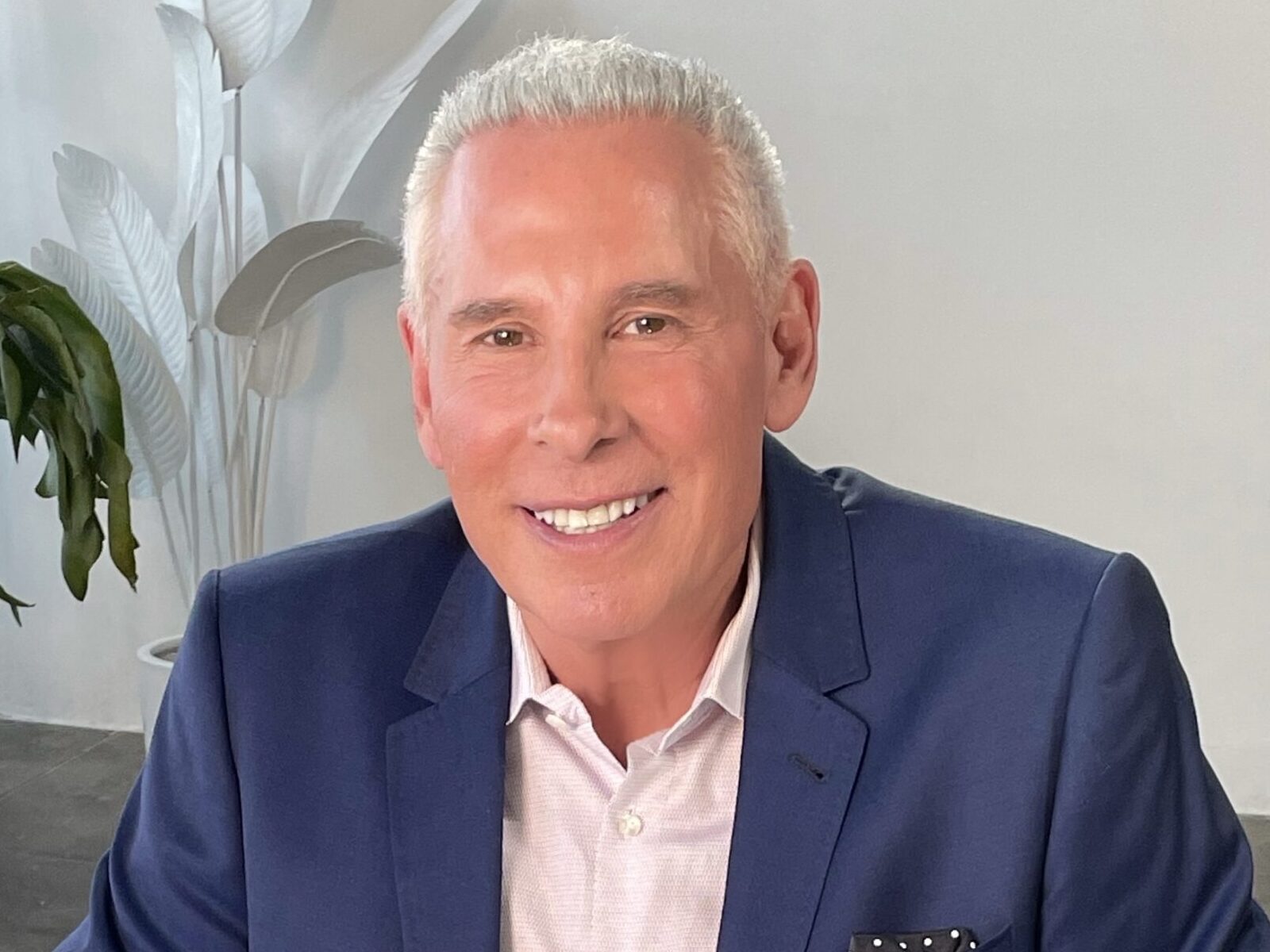
Phil Lobel is best known as the namesake of Los Angeles-based Lobeline Communications, an acclaimed public-relations firm with a history of representing some of the hottest talents in entertainment. But he got his start in Colorado – and his gratitude for the role the state played in kickstarting his career was a major motivating factor behind the brainstorm that led to the Colorado Music Hall of Fame Encore Legacy Partners program.
“I started thinking about how much Colorado music has meant to me,” says Lobel, “and how my life-success was derived in Colorado. There’s nothing that’s been more instrumental to my career than the music of Colorado. That’s why I wanted to give back for generations to come, and to encourage Colorado music lovers like me to give back, too, to Colorado Music Hall of Fame.”
Lobel’s formative years were spent on the East Coast – an early childhood in the Bronx, followed by a decade in suburban New Jersey. His parents took him to Manhattan for cultural outings such as a production of The Nutcracker. But beyond a passing knowledge of Sonny & Cher and the Beatles, he was hardly a rock-and-roll fanatic when he enrolled at the University of Colorado Boulder in 1973.
The situation changed on September 9 of that year, when Lobel walked from Farrand Hall, his dorm on the CU Boulder campus, to Folsom Field, where Leon Russell, Little Feat and Mary McCreary were set to perform. After a brief encounter with legendary promoter and Colorado Music Hall of Fame inductee Barry Fey, who would become his mentor, he picked up a discarded ticket stub and finagled his way into the stadium, where his mind was properly blown.
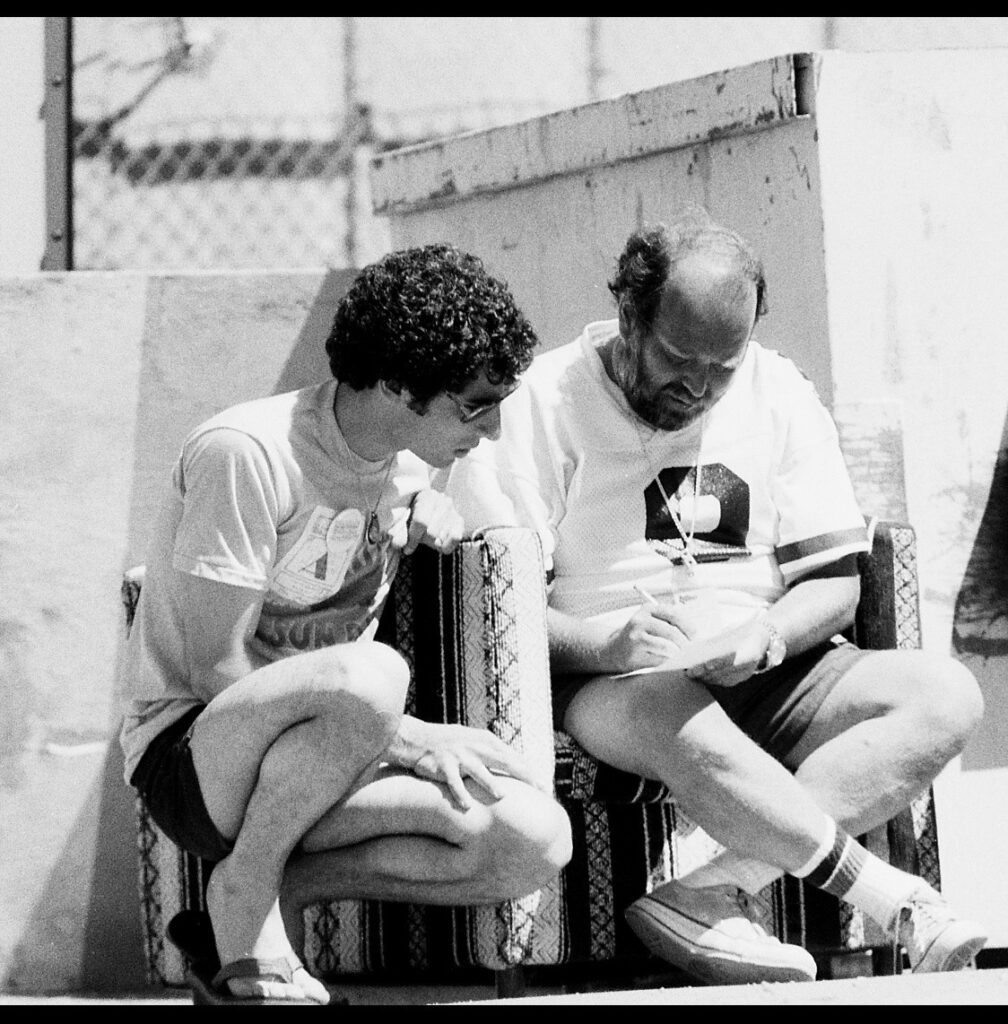
Phil Lobel met his mentor, promoter Barry Fey, in Boulder.
Courtesy of Phil Lobel
Afterward, Lobel learned from a security guard that the concert had been shepherded by the CU Program Council, a powerful student-managed department. The next week, he headed to the council’s office and volunteered to hang up posters for an upcoming gig by New Riders of the Purple Sage and Commander Cody and His Lost Planet Airmen, and after the staff learned that he’d cleverly pasted the placards in high-traffic bathroom stalls (men’s and women’s alike), he was welcomed into the fold.
By 1976, he’d worked his way up from ad director to the Program Council director, and he soon proved his negotiating skills. Eddie Crowder, CU’s athletic director, had banned rock shows at Folsom Field after the turf was damaged during a 1975 Doobie Brothers extravaganza. But when Lobel helped defuse opposition to a small events surcharge for concerts, Crowder changed his mind. Lobel took advantage of this reversal by reaching out to Fey and letting him know how much money there was to make by partnering with CU Program Council.
Thus began a beautiful friendship. In 1977, the CU Program Council and Feyline Presents, Fey’s company, collaborated to bring Fleetwood Mac, Bob Seger & the Silver Bullet Band and Boulder’s own Firefall (inducted into the Colorado Music Hall of Fame in 2015) to Folsom Field. No surprise that the date sold out, setting the stage for more giant acts to stop by the stadium the following year in 1978, including the Beach Boys, the Rolling Stones and the Eagles. Billboard Magazine recognized these accomplishments when it named Lobel 1978’s College Talent Buyer of the Year and Fey its Concert Promoter of the Year.
After college, Lobel joined Feyline Presents alongside Chuck Morris (future Colorado Music Hall of Fame founder). In 1986 he relocated to L.A. and launched Lobeline Communications. He struggled to gain a foothold until he was hired to handle publicity for George Michael, who’d just left Wham! to go solo and was pushing his debut album, 1987’s Faith, which ultimately sold more than 25 million copies.
This break was all Lobel needed. Over the next thirty-plus years, he would go on to work with the likes of actor Brad Pitt, magician David Copperfield, and music icons Van Morrison and B.B. King, not to mention Cirque du Soleil and the Reggae Sunsplash Music Festival, among many other notable clients.
In 2019, Lobel sold Lobeline Communications, and even though he retained a stake in the firm, he found himself looking for other ways to leave his mark. Back in 2005, he’d endowed the Phil Lobel Scholarship Fund to help support the top manager at CU Program Council. He stepped up again in 2022, when he backed aCU scholarship in the memories of Boulder Daily Camera executive editor Kevin Kaufman and Colorado Daily writer Wendy Kale, an old Program Council cohort of Lobel’s who became the first journalist inducted into Colorado Music Hall of Fame.
Meanwhile, the deaths of Lobel’s parents and a beloved uncle caused him to muse about his own mortality – and from these thoughts sprang the idea behind the Colorado Music Hall of Fame Encore Legacy Partners program. Lobel earmarked a generous future gift from his estate as the first contribution to the program, and his pitch for others to follow suit was as simple as it was persuasive.
Maintaining his Colorado connections while in L.A., Lobel served as a founding member on Colorado Music Hall of Fame’s board of directors from 2011 to 2020 and remains an emeritus board member.
“Music is the soundtrack to people’s lives,” Lobel says. “It’s the very fiber of Coloradans’ existence… from Red Rocks to every other venue across the state. What better legacy is there than thanking the greatest per capita ticket purchasing public in the nation by giving back to Colorado Music Hall of Fame?”
This story was originally published on the Colorado Music Hall of Fame website, where you can learn more about the Hall’s history, programs and mission.