
Molly Martin

Audio By Carbonatix
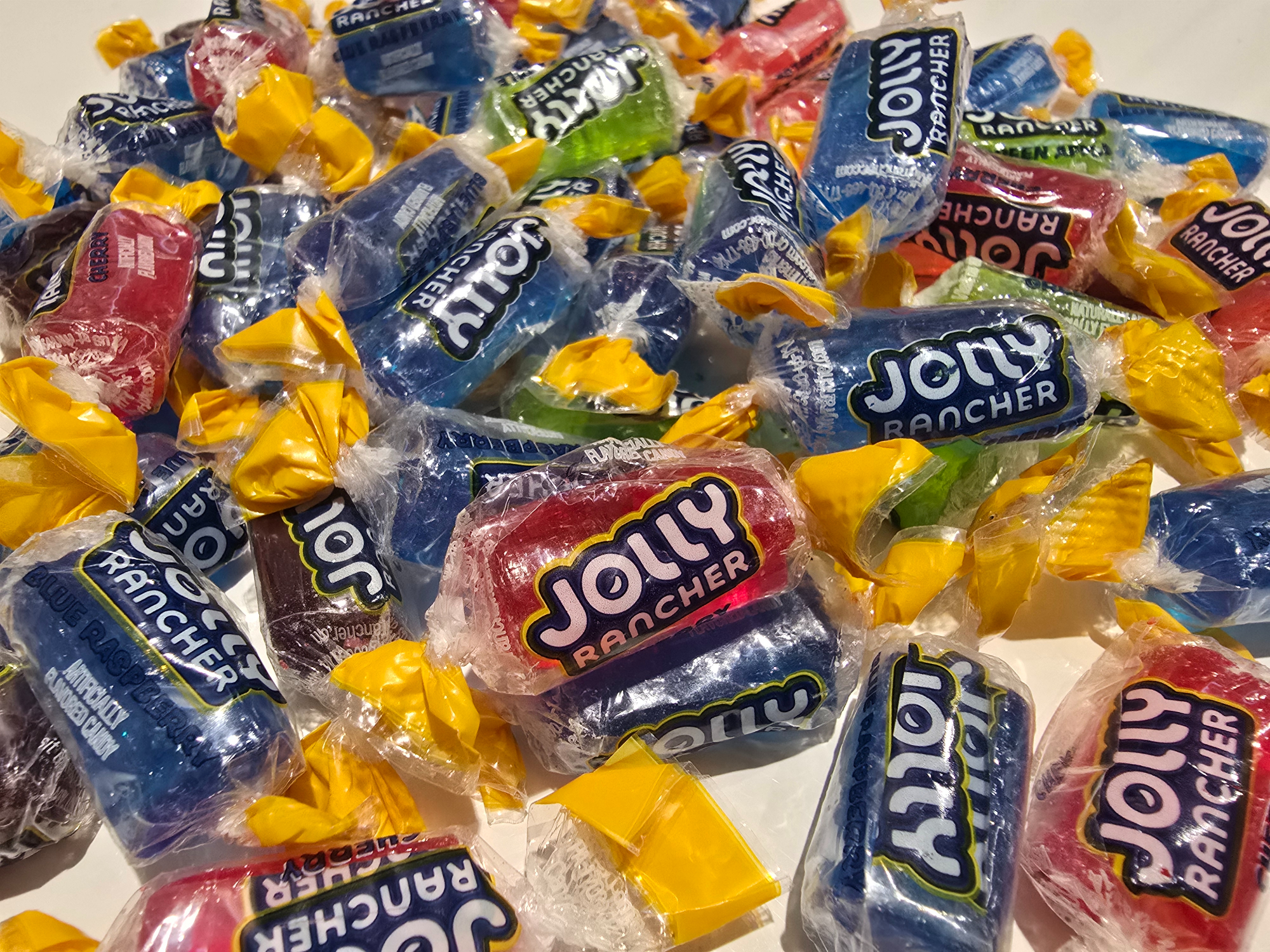
The British government is not feeling very jolly about Jolly Ranchers, one of Colorado’s culinary claims to fame. The Food Standards Agency recently issued an urgent alert regarding the candies, now a Hershey Company brand, after some were found to contain Mineral Oil Aromatic Hydrocarbons, “toxic chemicals found in petrol.”
Last year, the country banned Jolly Rancher altogether, but some retailers are apparently stuck on the hard candy and fruity gummies. “Food businesses selling these products in the UK are advised to immediately stop sales, undertake product withdrawals and, where there have been retail sales, to undertake product recalls,” the January 16 warning advises. “Although the levels consumers are exposed to are likely to be low, they may present a risk to health because they contain MOAH. Consumption of the affected sweets is of toxicological concern, especially in younger age groups and where consumers eat a lot of the products or eat it regularly.”
This is a sad comedown for a product that is definitely a Colorado creation, unlike the disputed cheeseburger trademarked by the Humpty-Dumpty Barrel Drive-In.
It all started in Golden…
Dorothy and Bill Harmsen, a pilot with Continental Airlines, moved to Colorado from Minnesota in 1942. They bought the old Johnston farm in Wheat Ridge, and Dorothy got into the fruit and flower business, growing gladiolas, peonies, raspberries and strawberries, which she delivered to Denver, according to the Golden History Museum.
Golden History Museum
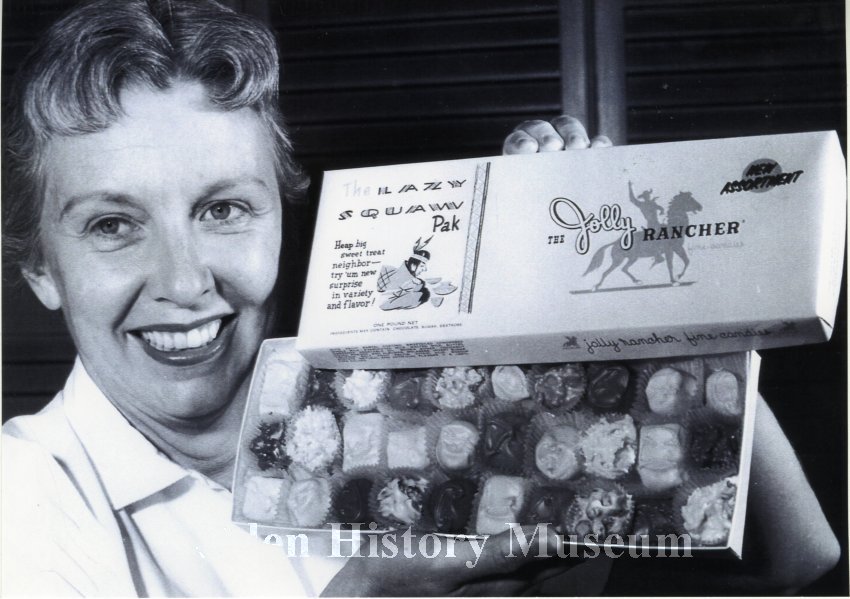
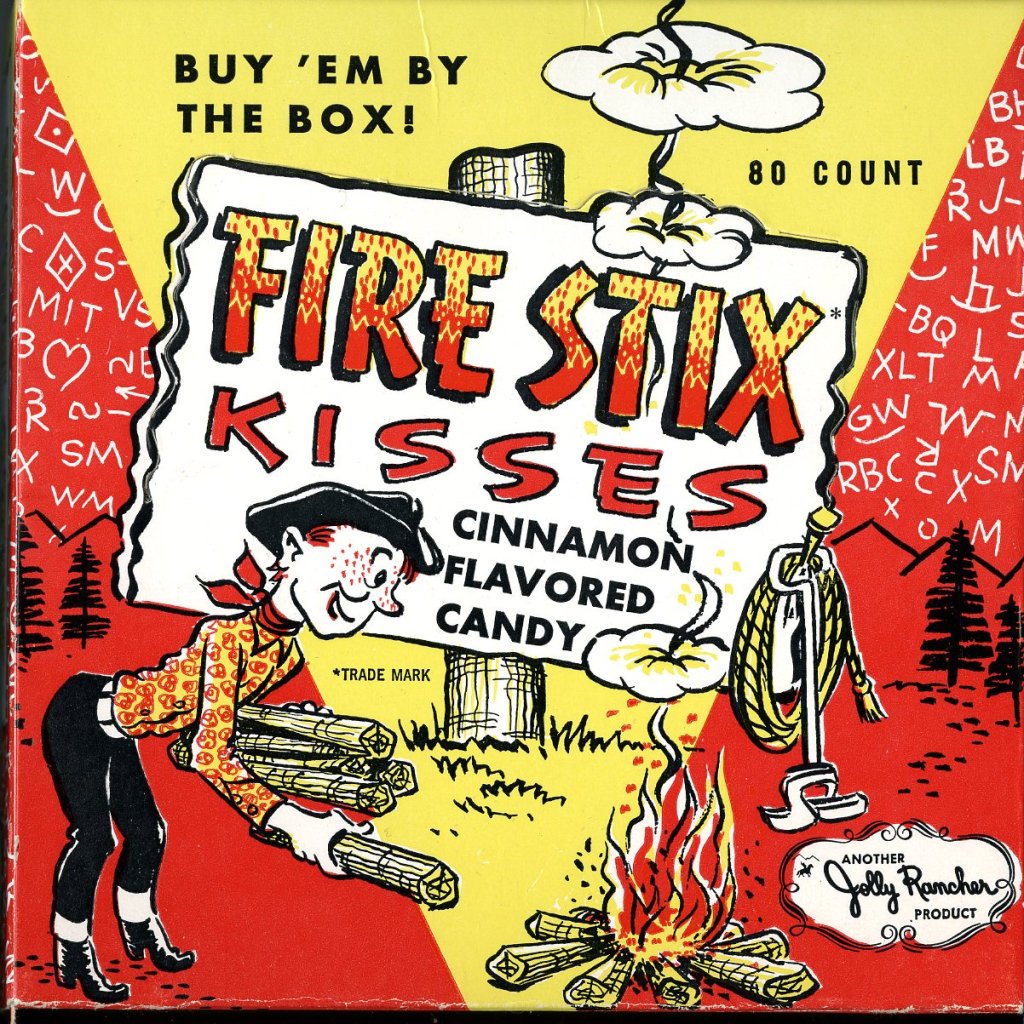
And then the couple expanded into ice cream and candy, opening the Jolly Rancher Ice Cream Store in May 1949; it was located in Golden, right under the “Howdy Folks” arch on Washington Avenue. They chose a name that was similarly welcoming, and soon they were offering franchises around the region. Even after selling the original Golden store in 1951, the Harmsens continued producing chocolates and other candies, particularly their popular Fire Stix.
In fact, the five-cent cinnamon taffy stick was so hot that the Harmsens soon converted their Wheat Ridge barn into a full-scale factory. Fire Stix led to the Jolly Rancher fruit flavors that branded minds and mouths across America, as Westword reported in 2002. The candies — made by “Candy Cowboys” and “Candy Cowgirls” — were packaged with art by Bob Cormack, a Denver native and Disney artist. Each box contained a small card with a quote. “Rudeness is a little man’s imitation of power,” one read. Declared another: “When all think alike, no one thinks very much.”
Golden History Museum
The company even had a souped-up fire engine that it entered in local hot-rod events; it spewed cinnamon oil at every race. “Made the whole racetrack smell like cinnamon candy,” recalled Bob Harmsen, one of the founders’ three sons. “Candy is the fun food business, and we had fun selling it.”
Over the years, the Jolly Rancher plant went through numerous remodels and expansions. In 1966, Jolly Rancher merged with Beatrice Foods Company of Chicago. At the time of the merger, the plant was operating two shifts with about 250 employees producing nearly 125,000 pounds of candy per day. In 1983, Leaf Brands purchased Beatrice Foods, which was subsequently bought by the Hershey Company in 1997.
Then Hershey decided to close the Wheat Ridge production plant at 5060 Ward Road and move all Jolly Rancher production to Canada.
The decision to close the plant came as a blow to the Harmsens, who learned of it through the media. “They own it; they can do what they want with it,” Bob told Westword in 2002, shortly after he got the bad news. “But I’m hurt. You never expect something like this would get closed down and moved to Canada. It’s sad to see 270 people get put out on the street. It’s sad in American business to see these things.”
And now: more sadness in American business (although there have been no similar recalls in this country).
Next thing you know, Hammond’s will tell us there’s no Santa Claus…or Colorado-made candy canes.