
Evan Semon

Audio By Carbonatix
Boulder has long prided itself on being different, valuing authenticity over sameness, community over convenience, and preservation over short-term gain. “Keep Boulder weird” was never just a slogan — it was a promise to protect the places that give this city its soul.
That promise now feels deeply compromised.
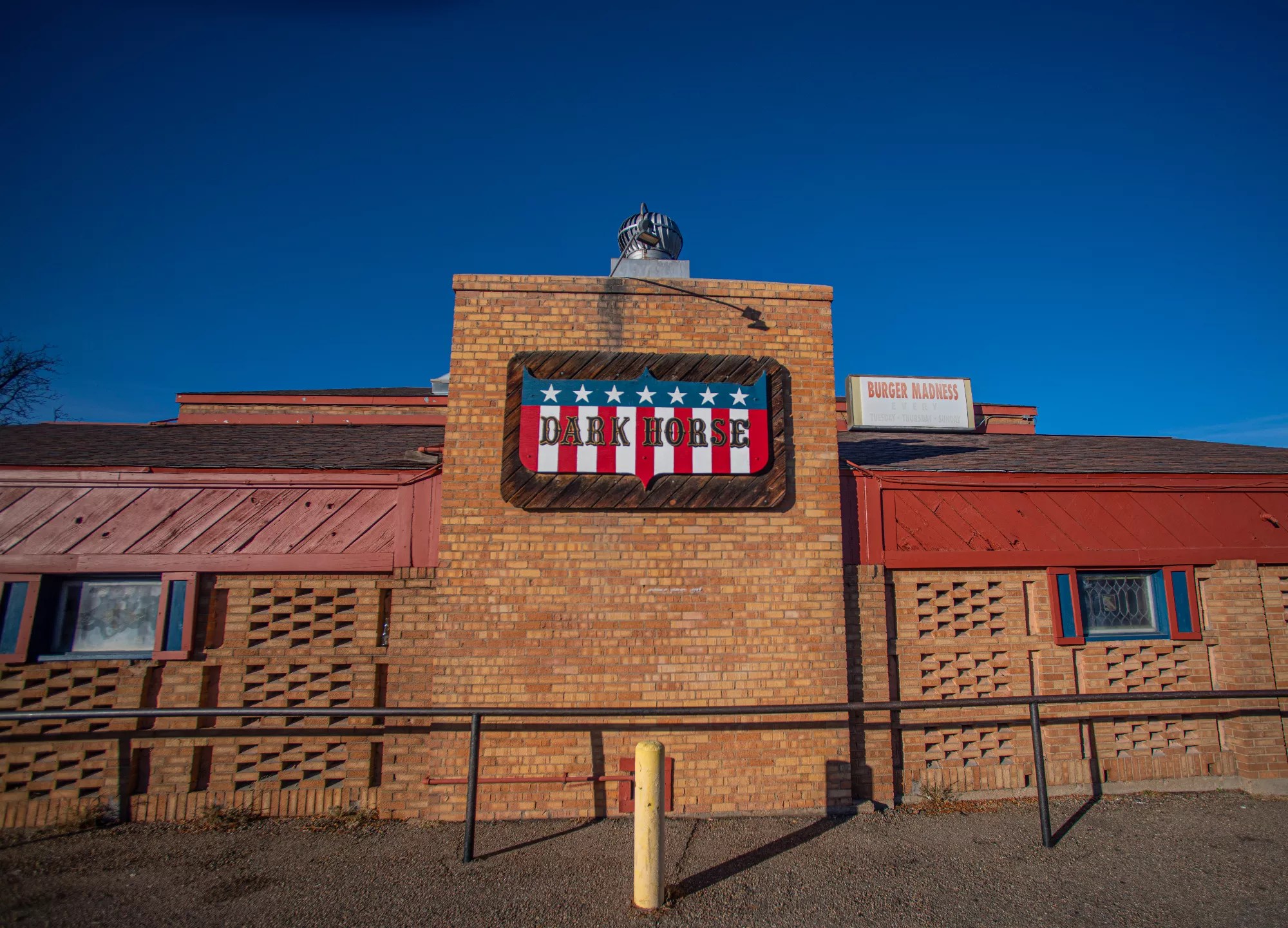
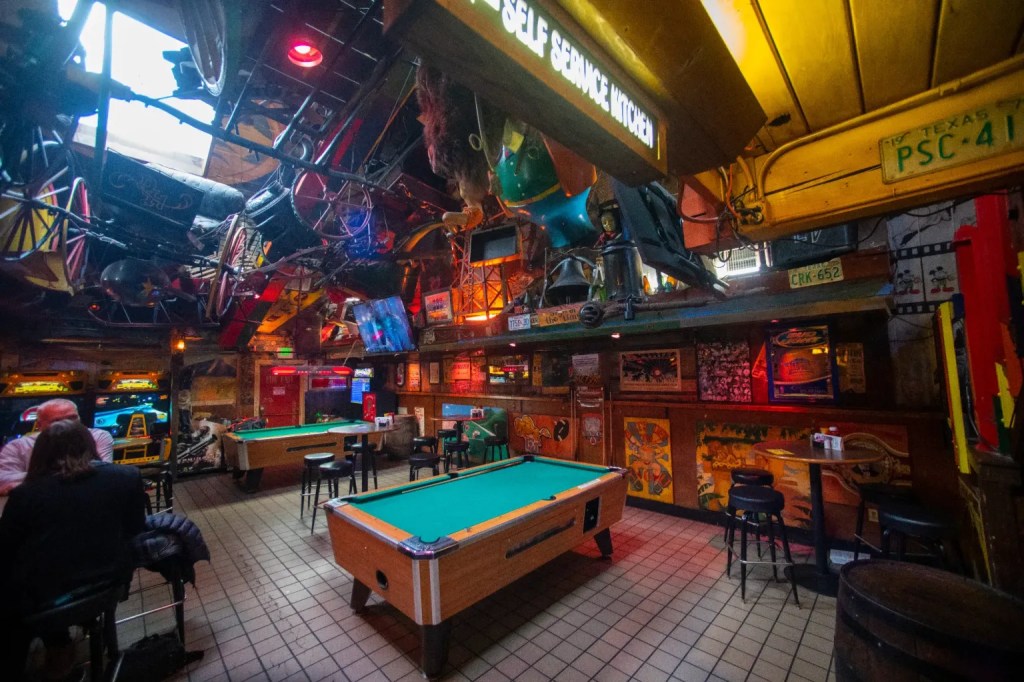
The Dark Horse sits on property owned by the Williams family and is slated for demolition as part of the approved Williams Village II redevelopment. The project will replace the existing Baseline Road shopping center with approximately 427 new apartment units and ground-floor commercial space. To make way for this redevelopment, the Dark Horse will be demolished along with Sprouts Farmers Market, Cosmo’s Pizza, Moe’s Original BBQ, Dairy Queen and Carelli’s of Boulder.
These approvals were granted through Site Review and subdivision decisions by the City of Boulder Planning Board, with zoning compliance and demolition permits administered by the city’s Planning & Development Services department. While these processes evaluate density, height and technical compliance with the Land Use Code, they do not require preservation of cultural value, protection of existing jobs or a comprehensive assessment of economic displacement. At no point did the approving bodies meaningfully examine the full economic impact of eliminating long-standing employers from this site.
The human cost of this decision is substantial. Based on conservative employment estimates, the businesses slated for demolition collectively employ approximately 150 to 200 individual workers. Using a midpoint average annual income of approximately $40,000 per worker — appropriate for a mix of service, retail, tipped and supervisory roles in Boulder — this represents roughly $7 million in annual wages removed from the local economy. These are bartenders, servers, cooks, dishwashers, grocery clerks, supervisors and managers — workers who depend on this income to pay rent, maintain health care and remain housed in one of the most expensive markets in Colorado. The loss is immediate, personal and destabilizing, with economic consequences that extend far beyond the individuals directly affected.
Evan Semon
At the same time, current market data shows that Boulder already carries a significant level of unoccupied commercial property. Office vacancy rates in the city — particularly downtown — have hovered around 25 to 29 percent, while retail vacancy rates are estimated at 5.8 to 7.6 percent. These figures indicate that before any new retail square footage is added, a meaningful amount of existing space is already unleased. These conditions undermine the assumption that new mixed-use development inherently leads to vibrant employment or healthy small-business growth. Without careful economic evaluation, Boulder risks adding unoccupied commercial space that weakens the local business ecosystem rather than creating meaningful, stable employment. The primary economic benefit of this redevelopment accrues to the property owner, while the costs are borne immediately by workers and the surrounding community.
This is not just a cultural loss — it is economic displacement. Workers will face longer commutes, forced relocation, housing instability or being pushed out of Boulder entirely. Yet none of these consequences were central to the approval process.
This moment should matter to every Boulder resident. Decisions like this shape not only our skyline but our values. Is this what we stand for — replacing local employers, erasing shared history and displacing workers in exchange for development that offers little back to the community? Boulder has always claimed to be thoughtful, values-driven and willing to ask hard questions. Now is the time for residents to speak up, demand accountability and insist that growth reflect the principles we claim to hold. Silence, in this case, is a choice.
Boulder often points to its height limits, growth boundaries and open-space protections as proof of intentional growth. But when projects move forward that erase local employers, displace workers and replace deeply rooted businesses with developments that could exist in any metropolitan city, it is fair to ask: Did anyone truly look at the full economic effect of this approval?
Growth should not come at the cost of livelihoods, history and the very people who make Boulder function. I urge the City of Boulder to pause and confront the real economic and human consequences of this decision before it is irreversible.
On weekends, westword.com publishes commentaries on matters of interest to metro Denver. Have one you’d like to submit? Send it to editorial@westword.com, where you can also send responses to this piece.