
Danielle Lirette

Audio By Carbonatix
Independent Journalism in Denver Needs You
We need to raise $25,000 by August 9 to support the reporting our community depends on. Reader support keeps us independent and is playing a larger role in funding local journalism and shaping what comes next. If you believe independent local journalism matters, make a contribution today.
We’ve all heard the inspiring stories of entrepreneurs who launched their dreams from a garage, basement, living room or even a kitchen. These stories aren’t relics of the past; they’re happening every day and will continue for generations, because the spirit of entrepreneurship is alive and deeply rooted in the American dream. Many people start small to minimize risk, test an idea or simply create a side hustle to make ends meet. That’s why HB26-1033 is such an important bill: It provides meaningful support and fair opportunities for home‑based food entrepreneurs as they work to build something of their own.
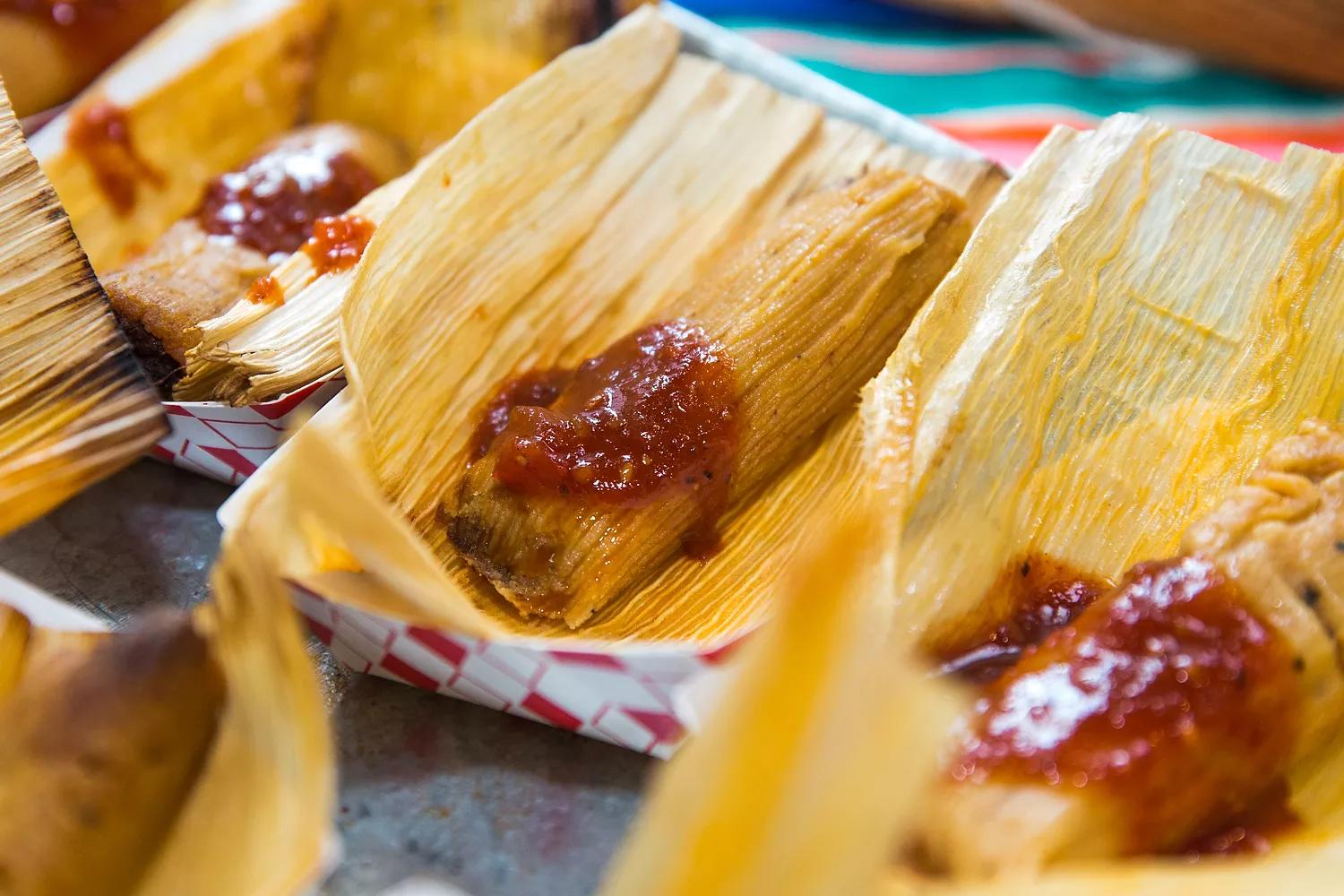
A couple of years ago, my colleagues at The LIBRE Initiative in Arizona helped champion the “Tamale Bill,” a bipartisan reform that lifted long‑standing barriers on home‑based food entrepreneurs. The change allowed community cooks, especially immigrants and mothers, to legally sell foods that require refrigeration, from burritos to buttercream cakes to the tamales that gave the bill its name.
Inspired by that victory, I looked into similar “Food Freedom” and cottage‑food laws here in Colorado. What I found was the same reality Arizona had confronted: hard-working, home‑based food entrepreneurs still facing unnecessary obstacles. The local tamale seller providing for her family or the rural mother baking buttercream cakes without access to a commissary kitchen are technically breaking the law, despite serving their communities with pride.
State Majority Leader Monica Duran and Representative Ryan Gonzalez have introduced HB26‑1033 to expand what home‑based food entrepreneurs are allowed to sell and finally remove the barriers that have held so many back. It is a bipartisan effort rooted in fairness, legislation that recognizes the American Dream should be within reach for anyone willing to work for it. Instead of labeling hard-working Coloradans as lawbreakers for selling the foods their communities love, we should empower them with safeguards that support their entrepreneurial spirit and ease the financial strain many families face. People have relied on home‑based food businesses for generations, often without realizing they were operating outside the law, and HB26‑1033 simply brings that reality into the light with dignity and support.
I first brought forward the idea of extending Colorado’s cottage‑food laws last year to newly elected Representatives Ryan Gonzalez and Carlos Barron, and both immediately understood its importance. Barron, who represents Fort Lupton, recalled how his own mother sold homemade burritos at soccer games to help support their family. That extra income, he shared, “really helped our family stay healthy and happy without putting a strain on the rest of our income, which was used for regular life expenditures.”
Many successful food businesses have started with nothing more than a home kitchen and a dream. Colorado is no exception. Little Pink Kitchen, for example, was founded in Denver by Jennifer Redies, who launched her meal‑kit business from her home kitchen using a retro 1940s oven before expanding into a commissary kitchen, where the business continues to operate today.
And during the COVID‑19 pandemic, when jobs disappeared and incomes shrank, many Coloradans turned to their kitchens as a means of survival. One such example is Pandemic Donuts in Denver, a business literally born on a home stove after two restaurant workers were laid off in March 2020. They shared photos of their doughnuts online, sold out within minutes, and quickly built a loyal following. What started as a necessity became a full‑fledged business because their community believed in them.
As a first‑generation American born and raised in Colorado, I’ve seen firsthand what happens when we remove barriers for entrepreneurs. My own immigrant mother didn’t sell food from home, but she did build her small business starting from home because no one stood in her way. That freedom allowed her to provide for our family and pursue her American dream. Home‑based food entrepreneurs deserve that same chance.
And if you ask me, removing barriers and letting people earn an honest living — pursuing a hustle that harms no one — is about as Colorado as it gets.