
DMNS

Audio By Carbonatix
Rocks have always been in the foundation of the Denver Museum of Nature & Science. John Campion’s crystallized gold was one of the first collections on display when the museum opened 125 years ago. Since then, the museum has expanded more than a dozen times at its current City Park location, hosting crowd-pleasing temporary exhibits as well as adding permanent displays. The Coors Hall of Gems & Minerals has been a particularly popular attraction — visited by nearly half of all museum guests, according to recent exit interviews collected by DMNS — since it opened in 1982.
But soon, all those specimens will be carefully removed from their cases, cleaned, digitized and put into storage — a three-month process that’s only the beginning of a $30 million facelift for the exhibition space and the display. The Coors Hall of Gems & Minerals will close on Wednesday, April 15, and is projected to reopen in late 2027 as the Dea Family Gems & Minerals Hall, after Cathy and Peter Dea, longtime museum supporters who contributed the lead gift for the project, which is being privately funded by the community and philanthropic partners. Additionally, to help accelerate progress toward the new hall, an anonymous donor has offered a $1 million challenge match — every public contribution will be matched dollar-for-dollar, up to $1 million, through December 31. So far, the museum has raised over $29 million.
While being able to wander through the cavernous spaces, peering into glass cases of beautiful stones, has been a major part of the display’s appeal, the renovated exhibit plans to do more. The new theme, “My World Is Made of Minerals,” aims to educate people on how minerals are used in everyday life.
“Abstractly, everybody knows that minerals are part of our lives,” says Luke Fernandez, a project lead on the renovation. “I think people don’t understand specifically what products those minerals are in that we use every day. That could be our vitamins, our cell phones, our cars. Minerals are inside our bodies. Minerals are really essential for our survival. Currently, Coors Hall doesn’t really tell those stories, and we’re really excited to bring them to life and make the connections of our day-to-day lives and how Colorado fits in that whole story.”
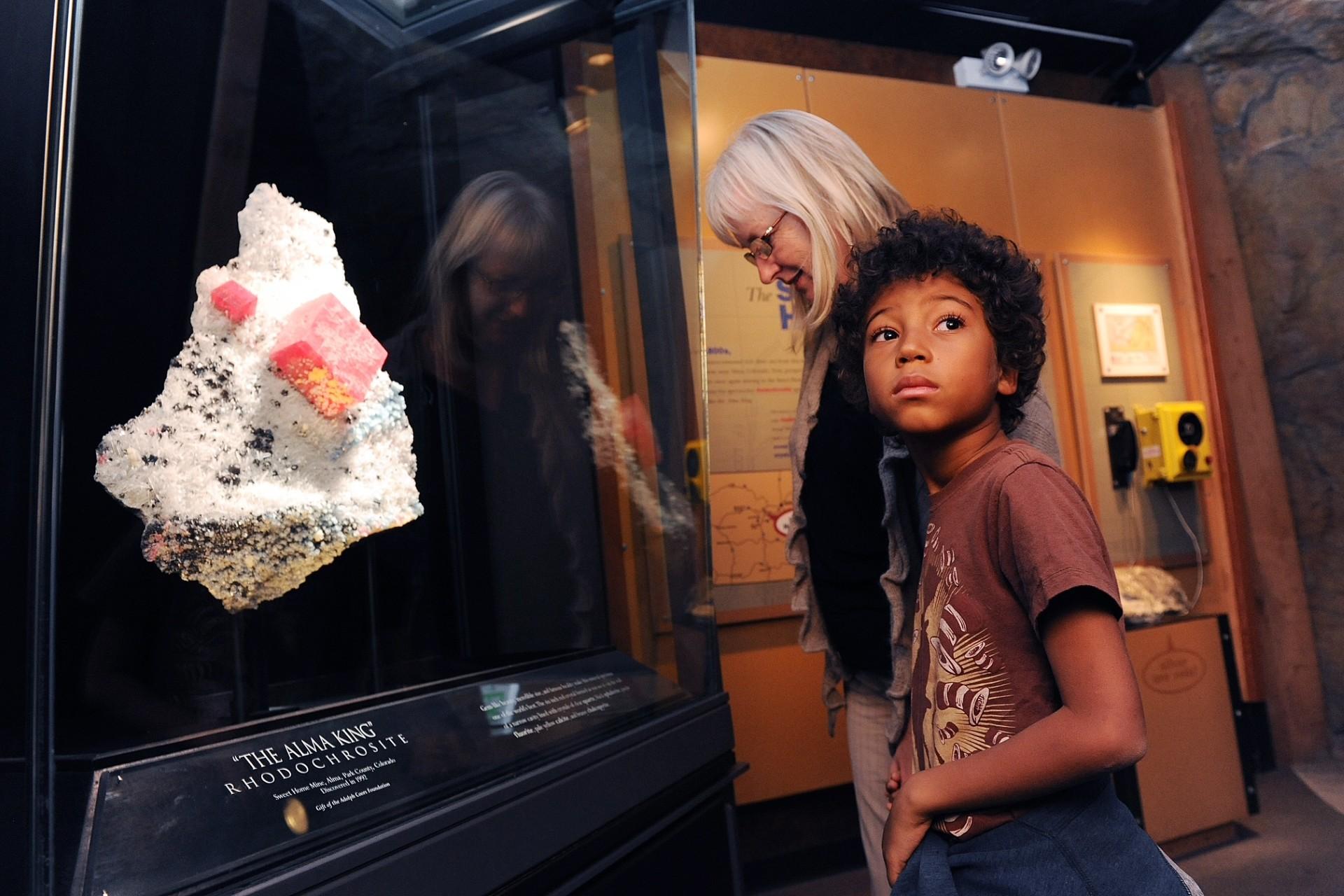
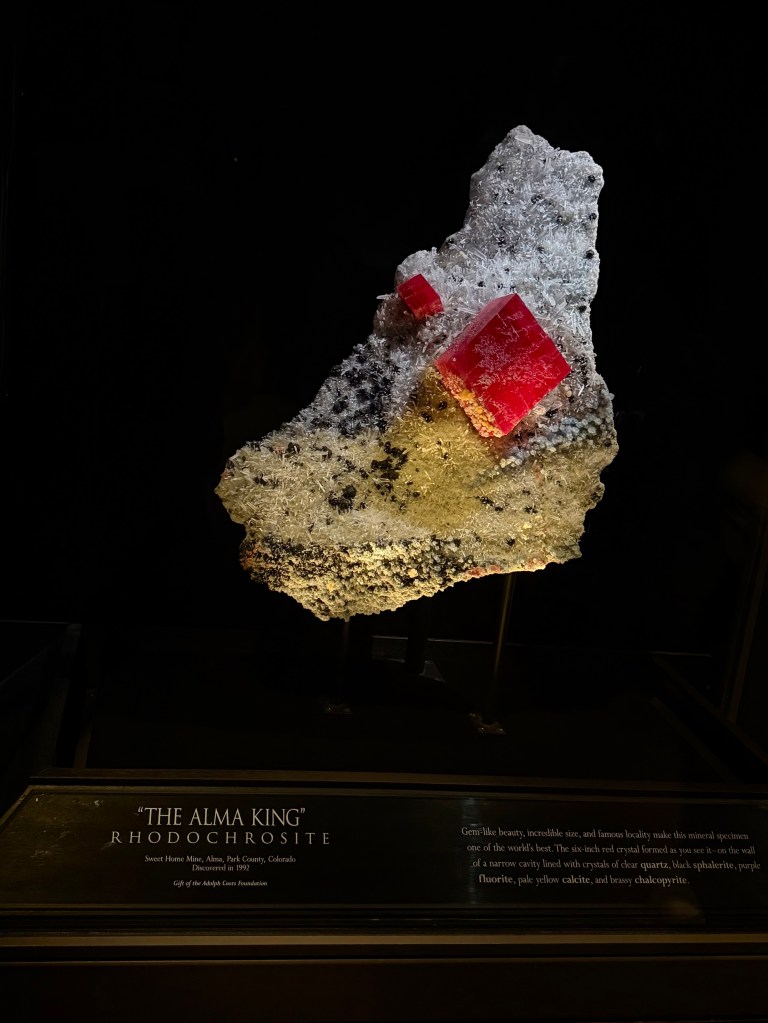
But there will still be glass cases filled with specimens that tell their own stories, including many found in Colorado, like the Alma King, “the most famous and largest rhodocrosite specimen ever discovered,” says Fernandez, as well as Diane’s Pocket, “one of the finest aquamarine specimens in the world,” and Tom’s Baby, a thirteen-pound nugget of gold from Breckenridge.
Kristen Fiore
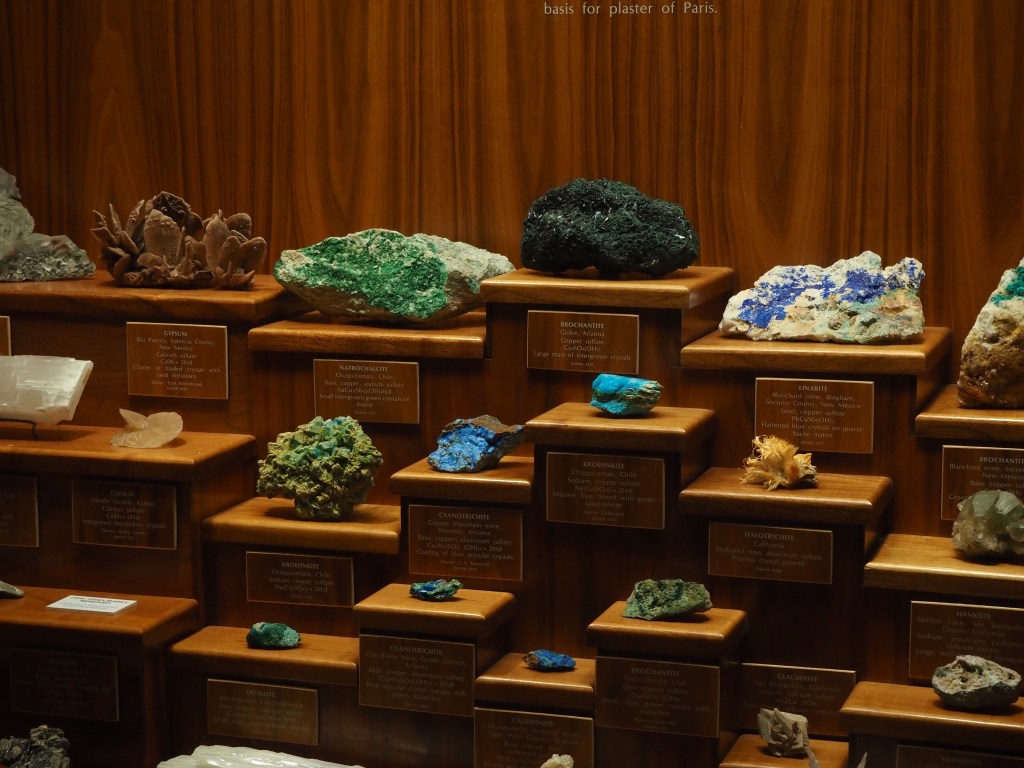
Those, the original crystallized gold and many other favorites, will come back in the exhibition’s new iteration, as well as about 500 new, never-before-seen specimens, including the museum’s “huge diamond collection” that isn’t currently on display and the Smokey Hawk King, an amazonite specimen discovered near Pikes Peak.
The renovation will expand the exhibition by about 50 percent, Fernandez adds. The extra space comes from a gallery next door to Coors Hall, which is currently displaying the temporary After the Asteroid exhibit.
New Features
Many of the updates in store were inspired by the results of almost 9,000 community surveys, including 650 individual interviews and 24 hours of in-person workshops with community members. “Most museums don’t have the resources, staffing and time to be that methodical, but we prioritized that, and we think it’s going to make a big difference in terms of the final product,” Fernandez says.
As it turns out, people are looking for an immersive experience, and DMNS is ready to deliver. The current exhibit’s Sweet Home Mine (modeled after the Alma mine where the Alma King was discovered) and the crystal grotto will return with improvements. There will also be a new cave modeled after the Glenwood Caverns and “The Modern Mine,” which will educate visitors about how mining is done today.
“People still think of mining as an old school pickaxe and TNT,” Fernandez says. “Mining today is a very modern, high-tech, clean and safe industry, at least here in the U.S. It’s very highly regulated, there’s a lot of laws, codes and standards that they need to uphold.”
DMNS
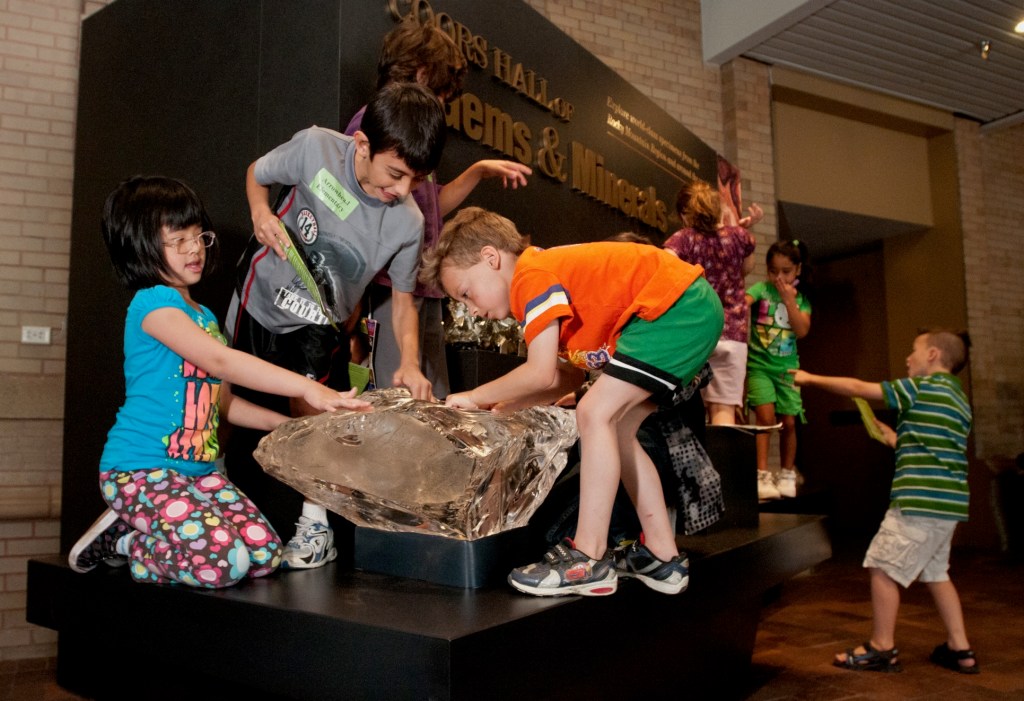
Touchable minerals will be integrated in the updated display, because guests love to touch the specimens, according to the community surveys. Fernandez says he was surprised to learn that guests prefer to see the rocks in their organic, uncut, natural state. While it might be too late for the museum’s 10,588-carat topaz once owned by Salvador Dalí, a new activity will teach guests about how minerals are taken out of the ground and the steps that make up the process of turning a stone into jewelry.
“Another thing we discovered is that people love fluorescent, glow-in-the-dark and colorful minerals, so we’re creating ‘the color room,’ which is a huge room full of hundreds of fluorescent minerals,” Fernandez adds. “It’ll go through a light cycle from regular light, to no light, to low-level UV light, to high UV light, and they’ll start to glow in front of your eyes.” Watch out, Meow Wolf.
Kristen Fiore
Accessibility for people with different abilities is another big priority, and the Dea Family Gems & Minerals Hall will be fully bilingual (English and Spanish).
“It’s evolved a lot and reacquired a lot of specimens over the years,” Fernandez says of the exhibition. “This step that we’re taking is part of the whole evolution of not just Gems & Minerals at the museum, but the entire institution itself. It’s modernizing us and will be more relevant for our guests and what their needs are today.”
And also show those guests how much they need minerals, with displays that give them a newfound appreciation. “We want people to feel a connection with our region, and to just have fun and inspire passion,” he concludes. “If somebody walks away with a deeper appreciation for minerals and how they impact their everyday lives, then that’s a success for us.”
See the Coors Hall of Gems & Minerals before it closes after Wednesday, April 15, at the Denver Museum of Nature & Science, 2001 Colorado Boulevard; learn more at dmns.org/gems.