Courtesy of Alex Vucasovich

Audio By Carbonatix
Independent Journalism in Denver Needs You
We need to raise $25,000 by August 9 to support the reporting our community depends on. Reader support keeps us independent and is playing a larger role in funding local journalism and shaping what comes next. If you believe independent local journalism matters, make a contribution today.
Colorado Governor Jared Polis’ latest round of clemency actions on May 15 created quite the stir. He was censured on May 20 by his own state’s Democratic Party for commuting the sentence of former Mesa County Clerk Tina Peters, a 2020 election denier who was convicted of allowing outside access to a Colorado voting database she controlled and sentenced to nine years in prison in 2024.
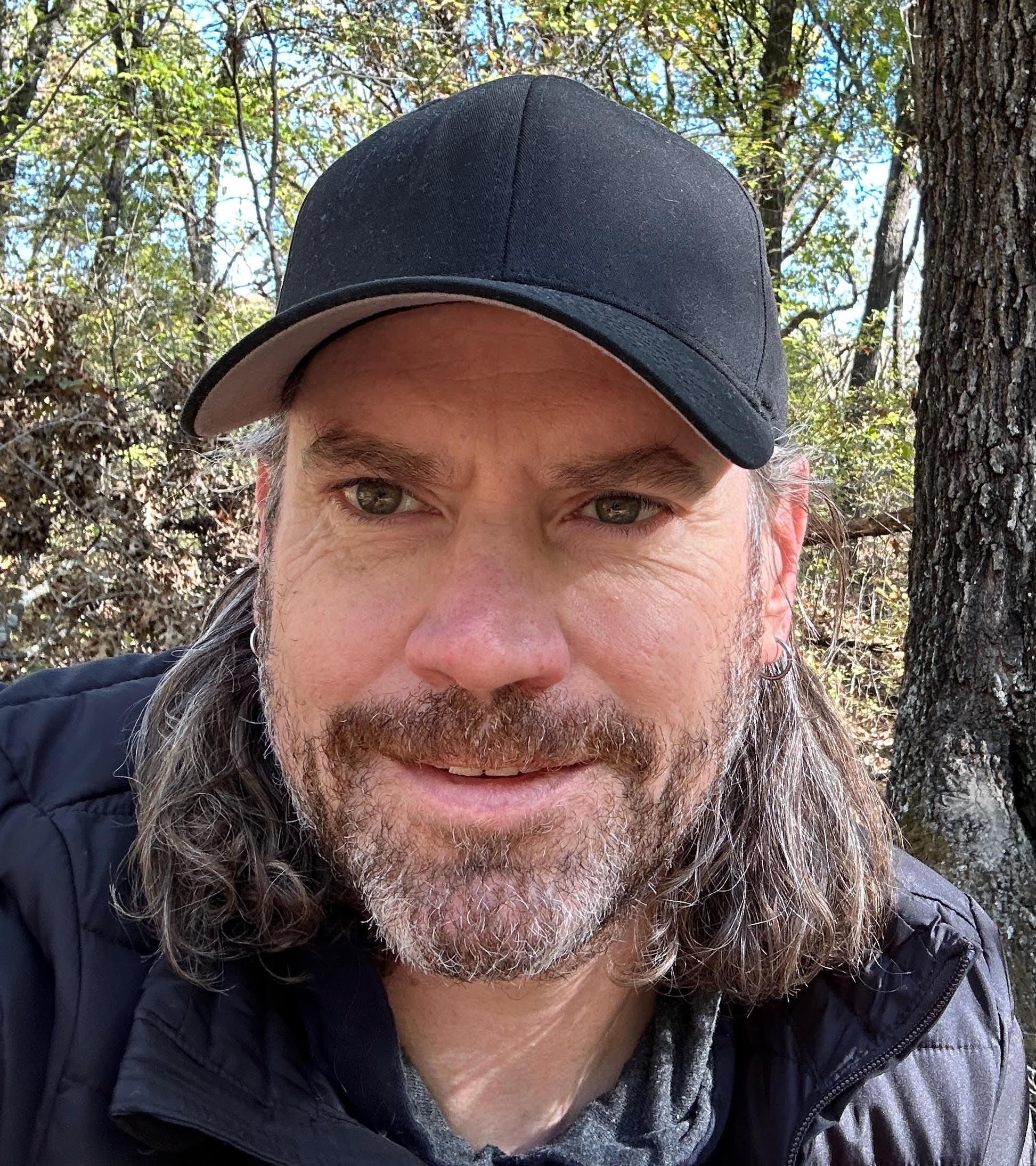
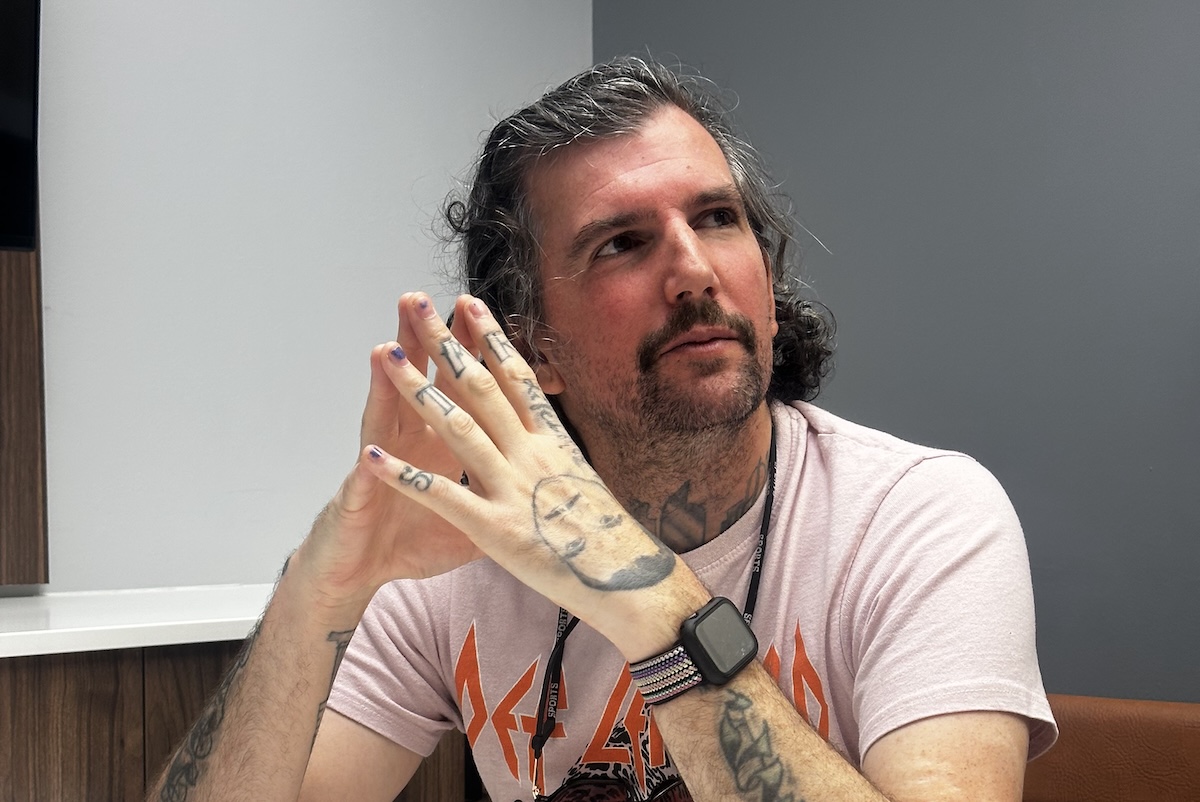
That same day, Polis also granted a pardon to Alex Vucasovich, a Colorado man who spoke last fall about his attempt to clear a decades-old psilocybin conviction.
“I wasn’t sure if this day was ever going to come,” Vucasovich says. “But, kind of out of nowhere, it did.”
Last year, Vucasovich tried to obtain a pardon for a felony psilocybin conviction stemming from an arrest 20 years ago, when he was under 21. Months before sharing his story with Westword, Polis had signed a new law giving him the authority to grant pardons for people who were convicted of crimes related to psychedelics that are now legal in Colorado. The Natural Medicine Health Act, a voter-approved law in 2022, decriminalized a handful of natural psychedelics while also legalizing medical psilocybin use in Colorado — but only for adults 21 and up.
At the time, Vucasovich said he needed to clear his record because he wanted a firearm for his personal protection from a long-term stalker, but could not legally own a gun with the psilocybin felony on his record — and he’d missed eligibility for Polis’ mass pardons for state-level psilocybin possession convictions by just a few months because of his age at the time of the offense.
He attempted to file, anyway, then got in touch with one of his local lawmakers and contacted the governor’s office about the issue. According to Vucasovich, the call finally came around noon on May 15.
“I got a call from an out-of-state number,” he says. “It was somebody from the governor’s office. They were just like, ‘Hey, Alex … the governor decided to do your pardon.'”
The governor’s office asked him not to speak publicly until the official announcement was released later that day, he says.
Vucasovich had largely stopped expecting movement on the case after months of silence following a December call from the governor’s office confirming that he still wanted the pardon and had not committed any new crimes.
“After that, I was just like, ‘Oh fuck, I guess I have to wait,'” he recalls.
The practical effects of the pardon were immediate. Vucasovich says that by Monday, May 18, the Colorado Bureau of Investigation had processed the pardon through the system. “They were like, ‘You’re good to go, you should be able to go buy a gun,'” he adds. “So I went and bought a gun.”
The speed surprised him more than the pardon itself: “It was literally the next business day.”
Vucasovich is grateful but suspicious of the process. He argues that people seeking relief for old drug convictions shouldn’t need media connections to obtain pardons. While Westword was reporting his story last year, Polis’ office repeatedly said that Vucasovich should apply for a pardon, leading him to this conclusion: “If an article doesn’t get written about me, I don’t know that I’d have a pardon right now.”
The newly pardoned man wants to see Colorado move toward a more automatic system for clearing decades-old drug convictions tied to conduct that is no longer illegal.
“You got arrested for smoking meth 20 years ago, but literally haven’t been in trouble since. Maybe, you don’t need to have a felony on your record for a 20-year-old mistake,” he says.
Polis granted 35 pardons and nine commutations on May 15. Most public attention, however, centered on Peters, whose commutation immediately drew backlash from Democrats and election security advocates.
For Vucasovich, the moment landed more quietly.
“I’m stoked it happened,” he says.