Chris Perez

Audio By Carbonatix
Reader support matters more than ever
We're in the final stretch of our summer campaign. Our goal is to raise $25,000 to support the journalism our community relies on. Reader support is helping shape the future of local news.
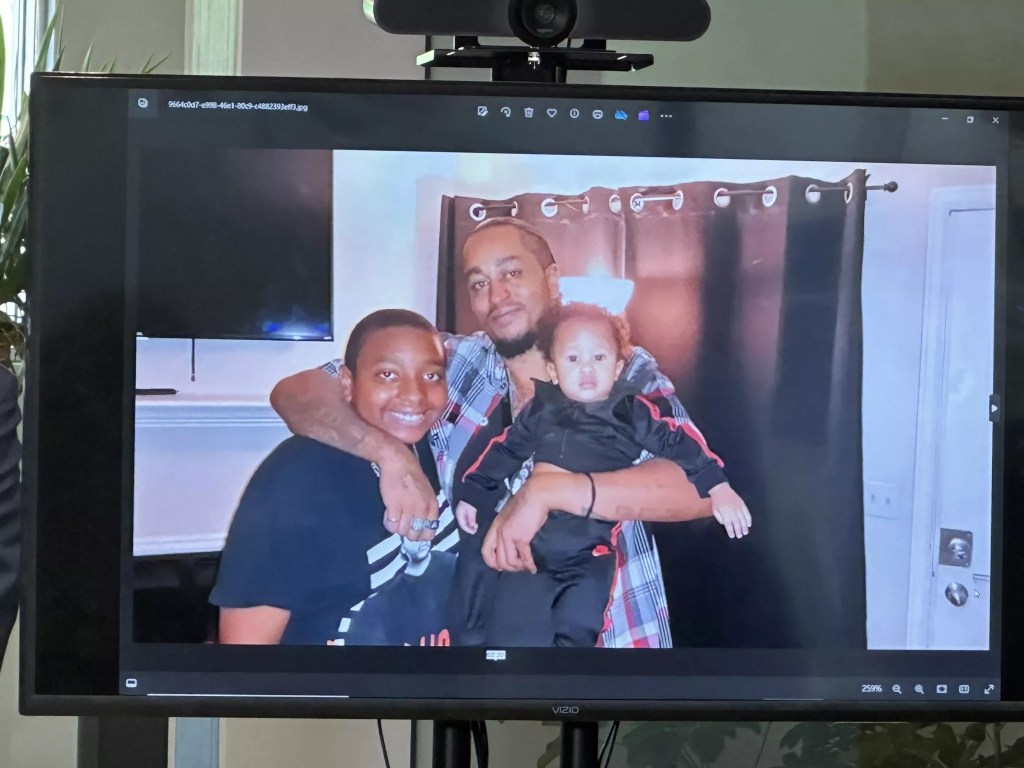
An Aurora SWAT officer fatally shot 37-year-old Kilyn Lewis in May 2024. Lewis was the suspect in a drive-by shooting from weeks prior, but at the time of the deadly arrest operation, he was unarmed, with just a cell phone in his hand.
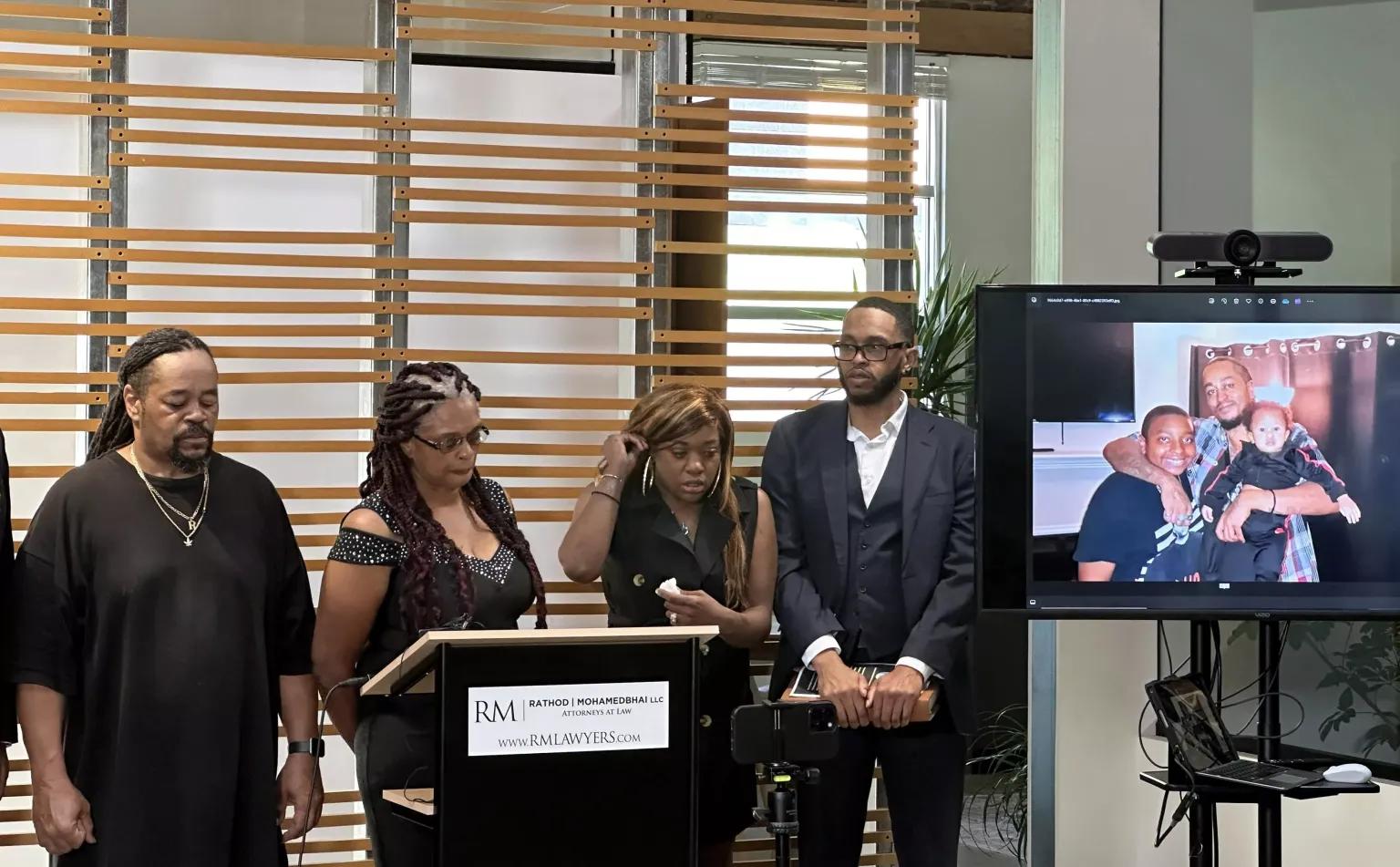
Two years later, Lewis’ family is still fighting for someone to take accountability for their loved one’s death.
The Arapahoe County District Attorney found the use of deadly force justified in October 2024, declining to pursue charges against the officer, Michael Dieck. Protests at Aurora City Council meetings led the council to eliminate public comment in June 2025, spurring a lawsuit from activists that ended in a settlement agreement in March 2026. Lewis’ family also filed a lawsuit against the city and Dieck in state court in May 2025, which is set for trial next year.
Now, they’re looking to the U.S. District Court. Lewis’ estate filed a federal civil rights lawsuit against the City of Aurora on May 21, arguing that the police shooting was a result of systemic failures in city policy and training.
“The city’s customs and practices caused APD officers, including Officer Dieck, to utilize inappropriate tactics and use unreasonable force against Mr. Lewis,” reads the lawsuit. “The city was deliberately indifferent to the known and obvious consequences of its failure to adequately train, supervise, and discipline APD officers.”
The state lawsuit is focused on Dieck and his conduct, while the federal lawsuit seeks to address overarching issues within the Aurora Police Department, explains attorney Elisabeth Owen, who is representing the estate along with Brad Irwin, Dale Galipo and Benjamin Levine. Owen says the federal case is meant to “prevent the city from blaming Kilyn’s death on a single officer.”
“Kilyn was not killed because there is a ‘bad apple’ in the Aurora police force,” she says. “He was killed because the whole barrel is rotten.”
“Unarmed and attempting to comply”
Lewis’ altercation with the police lasted less than ten seconds on May 23, 2024.
Officers had tracked him for two days, ultimately leading to the parking lot of an Aurora apartment complex. Clips of police body camera footage show four SWAT officers quickly surrounding Lewis as he stands near the open trunk of his vehicle. With guns drawn, officers scream different commands at Lewis, including “hands up” and “get on the ground.”
Lewis initially takes a few steps toward the driver’s side door of his vehicle, during which one of his hands is briefly obscured behind his back. Lewis then raises both hands toward his head while holding his cell phone and begins to squat down. Approximately one second after Lewis is shown raising his hands and lowering to the ground, Dieck fires a single round into Lewis’ torso. Lewis then collapses, repeatedly screaming, “I don’t have nothing.” He later died from the injury in the hospital.

Aurora Police Department
“He was not armed. He was not taking a shooting stance. He was not fleeing. He was not charging. He did not threaten anyone. He did not pose an imminent threat,” the lawsuit reads. “Had the city adequately trained, supervised, and disciplined APD officers … officers would not have rushed and escalated the encounter, issued conflicting commands, abandoned available less-lethal tactics, failed to warn, and shot Mr. Lewis while he was unarmed and attempting to comply.”
As of May 22, the City of Aurora had not been served with the latest lawsuit, according to city spokesperson Joe Rubino.
“The city does not comment on pending litigation and cannot offer any additional comments at this time,” Rubino says.
When the city was served with the state lawsuit last year, it defended the officers’ actions. The city emphasized that the 18th Judicial District Attorney’s Office concluded that Dieck reasonably believed deadly force was necessary, especially considering the crime Lewis was suspected of: attempted first-degree murder in the shooting of a 63-year-old random bystander on May 5, 2024. According to the DA’s office, Lewis “had a significant violent criminal history” and “was known to be a gang member with a history of unlawful weapons possession and use.”
The APD’s administrative investigation also found that Dieck did not violate agency policy.
This new lawsuit argues that those findings are proof of systemic deficiencies and municipal liability.
“The circumstances leading to Officer Dieck’s unnecessary and unreasonable shooting of Mr. Lewis were created and escalated by APD’s own tactics,” the lawsuit reads. “To the extent that the city found Officer Dieck’s shooting or the surrounding tactics to be consistent with APD policy, that finding constitutes an admission that APD policy or custom permitted deadly force in circumstances in which the Fourth Amendment forbids it.”
Chris Perez
“The whole barrel is rotten”
In 2021, following the killing of Elijah McClain, an investigation by the Colorado Department of Law found that APD had a pattern of illegal, racially biased policing and excessive force. APD used force against people of color almost 2.5 times more than white people, based on their relative percentage of the population, according to the investigation. Nearly half of the people APD used force against were Black, despite Black residents accounting for only 15% of the city’s population.
Soon after, the city entered into a consent decree to, in part, address the police department’s racial bias and improve use-of-force policies and training. The consent decree was intended to last around five years and is still active today.
“The shooting of Mr. Lewis occurred after the city had years of notice from the Colorado Department of Law, the Consent Decree, Monitor Reports, civil-rights litigation, community complaints, media reports, and internal force reviews that APD’s force practices, de- escalation practices, accountability systems, and training required systemic reform,” the lawsuit reads.
“The Lewis shooting is precisely the kind of predictable constitutional injury that adequate policies, training, supervision, discipline, and force-review systems are supposed to prevent.”
A later consent decree report released in October 2024 questioned aspects of Lewis’ shooting, including the necessity of utilizing the Aurora SWAT team to execute a Denver warrant and the officers’ choice not to utilize less-than-lethal tactics.
Lewis’ estate is seeking a jury trial to award unspecified compensation for loss of life, pain, suffering, economic losses, and loss of enjoyment of life.
“Unfortunately, the Aurora City Attorney’s Office is apparently intent to defend Officer Dieck’s conduct to the bitter en,” Owen says. “The Lewis family has made absolutely clear that they will (rightfully) not rest until there is justice for Kilyn; we, representing the estate, will pursue every available avenue for relief on behalf of Kilyn’s estate and family.”
The 2025 state lawsuit is scheduled for a jury trial beginning on March 29, 2027.