
Sara Rosenthal

Audio By Carbonatix
Advertising Can't Do It Alone
The challenges facing local news organizations are very real. That's why reader support matters more than ever. If you believe independent journalism matters, make a contribution today and help us reach our summer fundraising goal of $25,000 by August 9.
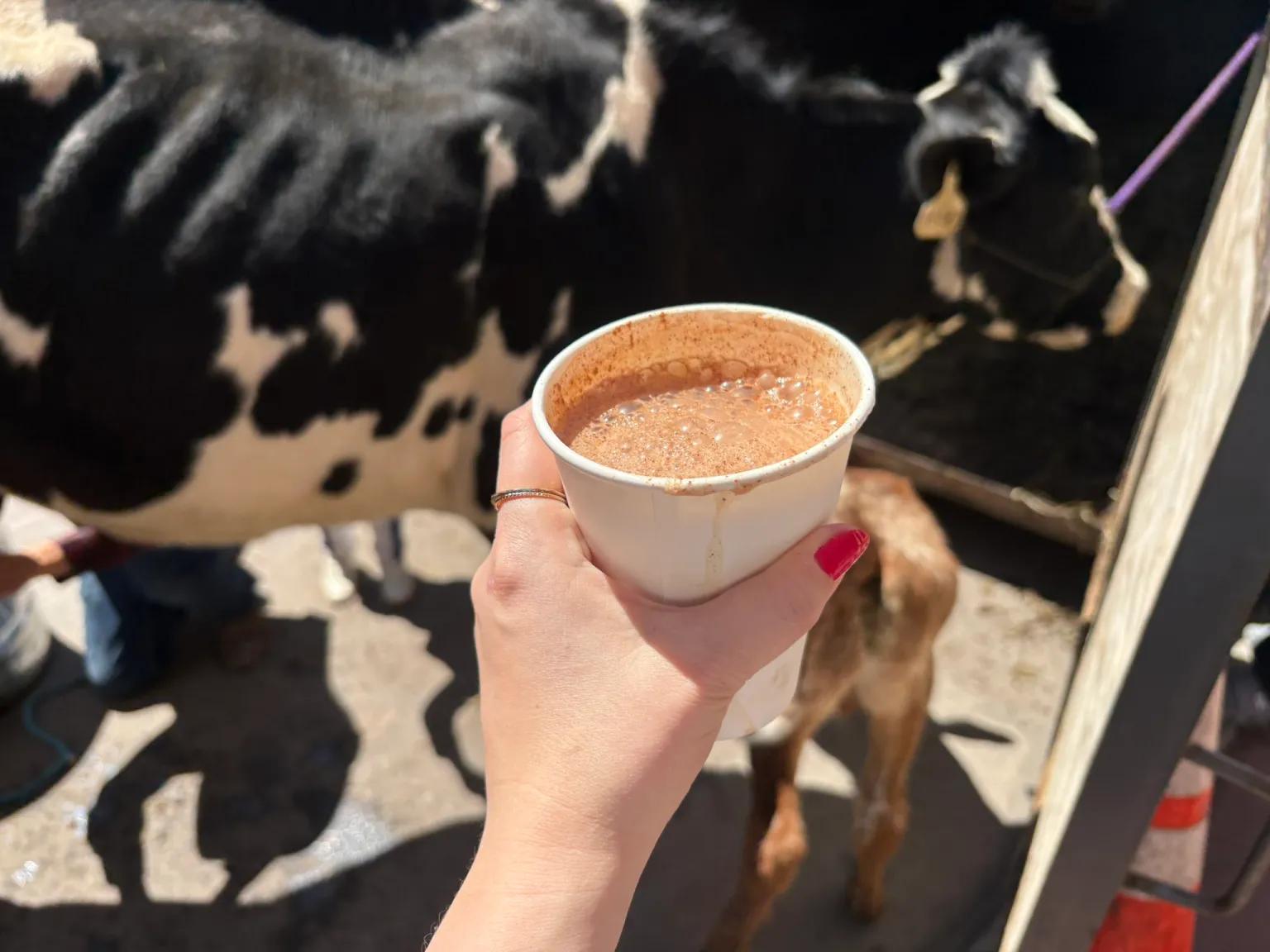
In college some decades back, some friends and I tried cow tipping on a dare and chugged down raw milk, also on a dare. So, when I read the article in Westword on a pop-up event on Platte Street at which pajarete with milk straight from a cow’s teat was served, knowing what I know now, I asked: Which is the bigger dare? Cow tipping or drinking raw milk?
Pajarete is spiked coffee with chocolate, sugar and raw milk. Raw milk is milk that has not been pasteurized. Milk pasteurization is heating milk to a high temperature, then cooling it rapidly; it does not involve chemical preservatives or genetic engineering. People who drink raw milk can get sick from germs like salmonella, listeria, e. coli, campylobacter and cryptosporidium, ranging from vomiting, diarrhea and abdominal cramps to terrible, scary-sounding diseases like hemolytic uremic syndrome, Guillain-Barre syndrome and kidney failure. Pasteurization does not kill all germs (germs that remain eventually spoil the milk) but makes milk safe to drink for a period of time. (So check the expiration date.) Pasteurization has been around for over a hundred years and is tightly woven into U.S. food safety regulations—for good reason. At the risk of nerding out, here are some numbers: In the United States, only 3 percent of people drink raw milk, but 96 percent of reported illnesses from milk are linked to raw milk or products made from raw milk (cheese, yogurt, ice cream). Each year, hundreds of people get sick and dozens get hospitalized (some die) from consuming raw milk. As for benefits claimed by the raw milk industry, here are the facts. Raw milk 1) does not have more nutrition than pasteurized milk, 2) does not contain special probiotics, and 3) does not cure lactose intolerance or dairy allergies.
People have consumed raw milk through time, and it is still consumed in parts of Europe, South America, Asia, Africa and elsewhere in the world, including Mexico and the United States. But that doesn’t mean it isn’t a risk. In the United States, given the health dangers associated with raw milk, federal law bans the sale of raw milk across state lines. Within Colorado, retail sale and direct sale of raw milk to consumers are prohibited (although consumers can indirectly “purchase” raw milk with herd- or animal-shares by paying animal boarding fees).
The owner of the food establishment on Platte Street who hosted the pop-up event toed a fine line regarding compliance with the Colorado food safety regulations: Customers who bought the spiked, sweetened coffee with chocolate were offered squirts of raw milk from a cow udder to complete the assembly of pajarete “free of charge.” To be fair, I did read in the article that the customers supposedly “drank [raw milk] at their own discretion.” But how much did these customers know about the risk they were taking?
Yes, it is up to the consumer as to what they eat or drink, and to determine for themselves what is safe to eat or drink. After all, there are other raw foods (besides fresh fruits and vegetables, nuts and oils) readily available; sushi and ceviche, oysters, sauerkraut and kimchi immediately come to mind. Fortunately, food science and food safety regulations keep what we consume reasonably safe. Pasteurizing milk is like deep-freezing sushi- and ceviche-grade fish to kill parasites, fermenting sauerkraut and kimchi to prevent germ growth, and properly sourcing raw oysters harvested in approved waters for safe consumption. The rest is up to us consumers to make safe choices for our health.
The bigger threat to health, er, dare? Drinking raw milk. As for cow tipping, my friends and I udderly failed and still can’t believe we bought into the urban legend.