Larry Laszlo

Audio By Carbonatix
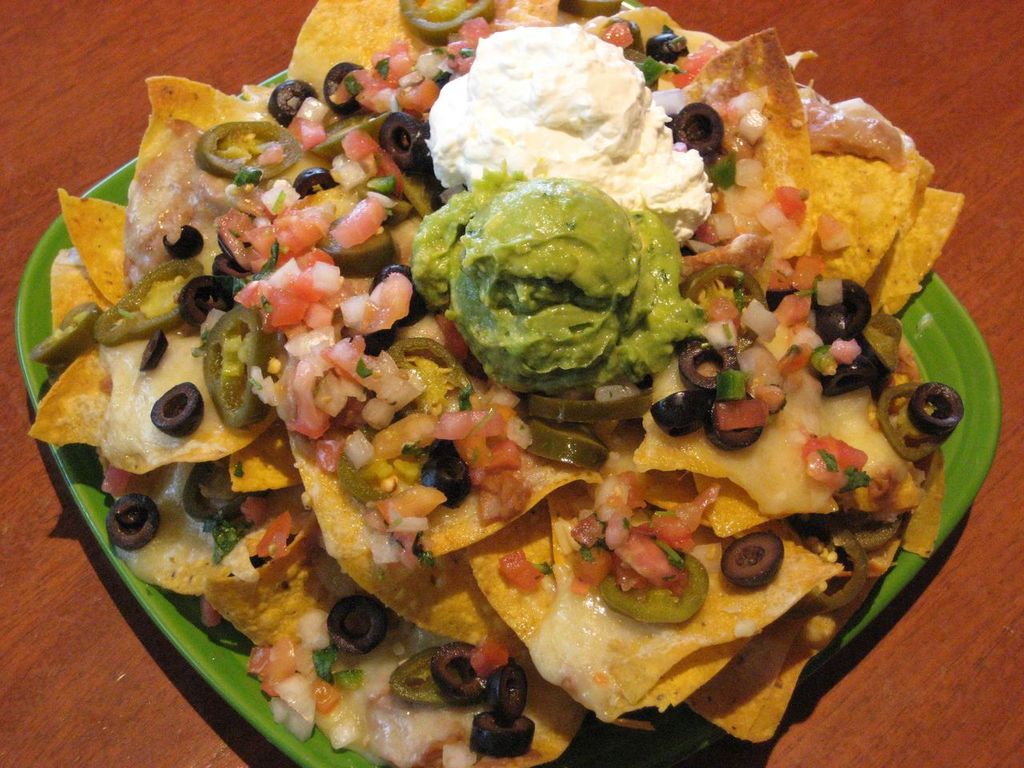
If yours was one of the many families or groups of friends that regularly patronized Racines, a classic restaurant that became one of the many COVID-related losses in 2020, someone in your clan probably swore by the Nutty Cheese Salad. It was a popular dish, if sort of weird, but weird in that way people sometimes loved, and miss: a base of romaine and field greens, shredded fontina and white cheddar, grape tomatoes, slices of banana, sunflower seeds, cashews, almonds and some crunchy puffed wheat, all under a custom, honey-mustard dressing. It was one of those things Denver diners loved…or laughed at.
“I did not love that salad,” laughs Lee Goodfriend, one of the founders of Racines, along with the also now-defunct Goodfriends and Dixons. “But my partner David Racine, he loved it. He was the one who put the bananas on it, which is something I don’t personally want on my salad. But he did, and other people did, too. We’re all different, I guess, right?”
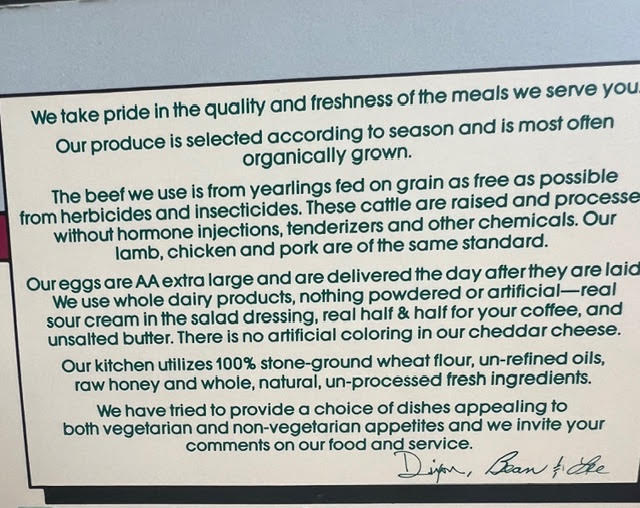
The Nutty Cheese Salad is one of the many Racines dishes that lovers of Mile High cuisine will be able to remember, courtesy of memorabilia that Goodfriend donated to the Denver Public Library: menus, drink lists, Westword Best of Denver awards, reviews and more than a few signed photos from celebrities. Goodfriend says she has more stuff, but she didn’t want to overwhelm the DPL archivists all at once.
Racines
But the DPL archivists were definitely interested in getting it, since they’ve been building a sizable collection of restaurant memorabilia, particular menus. “This donation enables us to provide interesting and valuable historical information to our researchers who visit from across the country and around the world,” says Archives Access Supervisor Laura Ruttum Senturia in letter confirming that Goodfriend’s “stuff” was now available to the public. “The collection is likely to be particularly popular with Denverites who enjoyed the restaurants over many years,” she adds.
After all, those restaurants are part of Denver lore, and represent an era during which Denver was undergoing fundamental changes, evolving from a one-horse town to one where Blucifer could welcome almost 85 million travelers to the Mile High City in 2025.
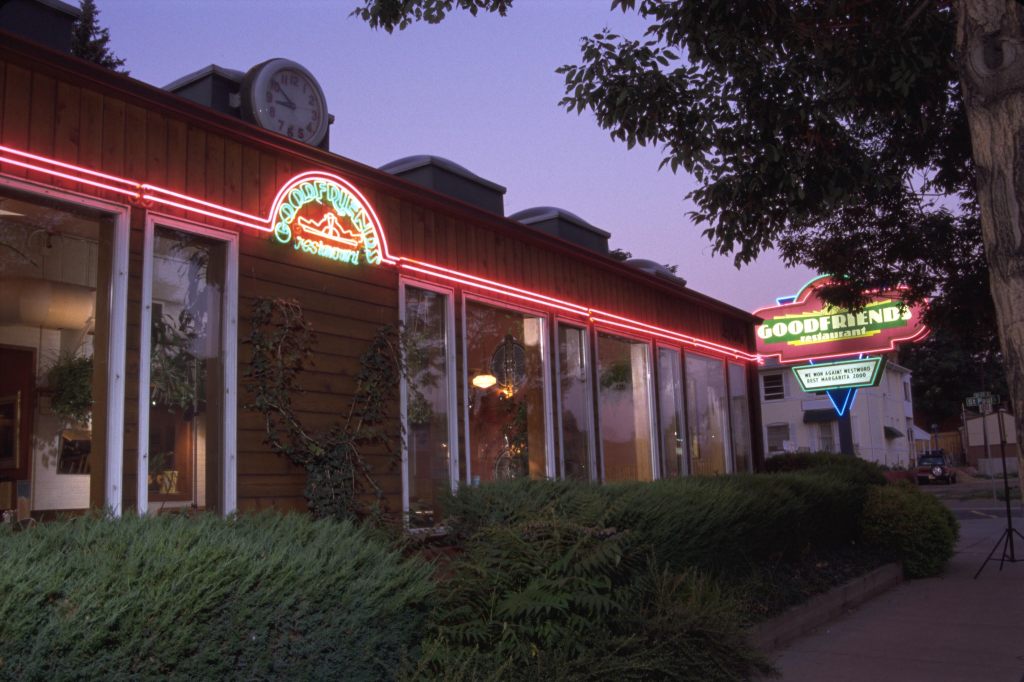
In 1979, Goodfriend and Racine were both 29 years old and working at Zach’s, Denver’s original fern bar — she was a server “back when we were called waitresses,” she says, and he was a bartender — when they decided to open Goodfriends. They “hadn’t a pot to pee in, as they say,” according to Goodfriend, but found some investors, including Dixon Staples, a chef at Apple Tree Shanty (which in 1986 would win Best Apple Pie in the third annual Westword Best of Denver), and the trio got a loan at 18 percent interest and leased a building on East Colfax Avenue for what would become Goodfriends.
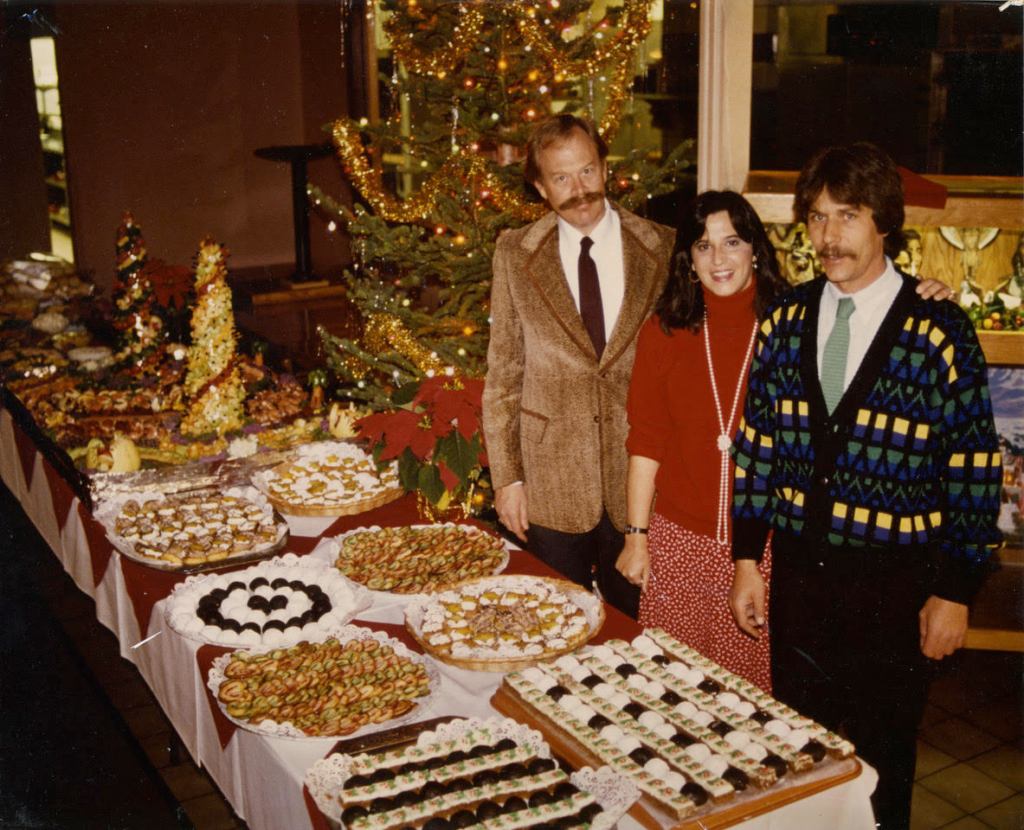
Partners Dixon Staples, Lee Goodfriend and David Racine at an early holiday party.
Courtesy Lee Goodfriend.
“It was originally the Pick-a-Rib BBQ House,” Goodfriend says, “and then it became the Band Box Lounge,” a nationally-recognized venue that hosted the likes of Charlie Venture, Gene Rains, Benny Goodman, Tommy Dorsey and more throughout the ’50s and ’60s. “Then it became a series of strip joints.”
They only came to that location because a neighborhood group had protested a restaurant going in at 12th and Madison, their initial choice. “I saw an article in the paper about them closing The Factory strip club,” recalls Goodfriend. “I called the owner, who was part of the original family that owned the Pick-a-Rib, and she leased it to us.” Some of that history adorned the walls of Goodfriends, old Rocky Mountain News clippings about the businesses that had inhabited the building in years past; they, too, have found their way to the Denver Public Library.
Goodfriend says she modeled that first restaurant on a Chicago burger joint named Hackney’s. “They were known for these half-pound hamburgers on black bread, with amazing fries and this brick of fried onion,” she says. “My family would go there often. So I thought I could do that, too, casual food from scratch. That sounds so stupid today, because everything’s like farm-to-table, but back then we were still at the tail end of a lot of industrial, crappy food, and Denver restaurants were either kind of fancy or little coffee shops. I saw the niche.” But she skipped the onion brick.
Racines
“And Denver was a lot more wide-open then,” Goodfriend adds. “Things were cheaper, getting things done was easier. It was nothing like it is today. I was so young and naive that it never occurred to me that we wouldn’t make a go of it. That wasn’t true with Racines. I was more nervous when that opened.”
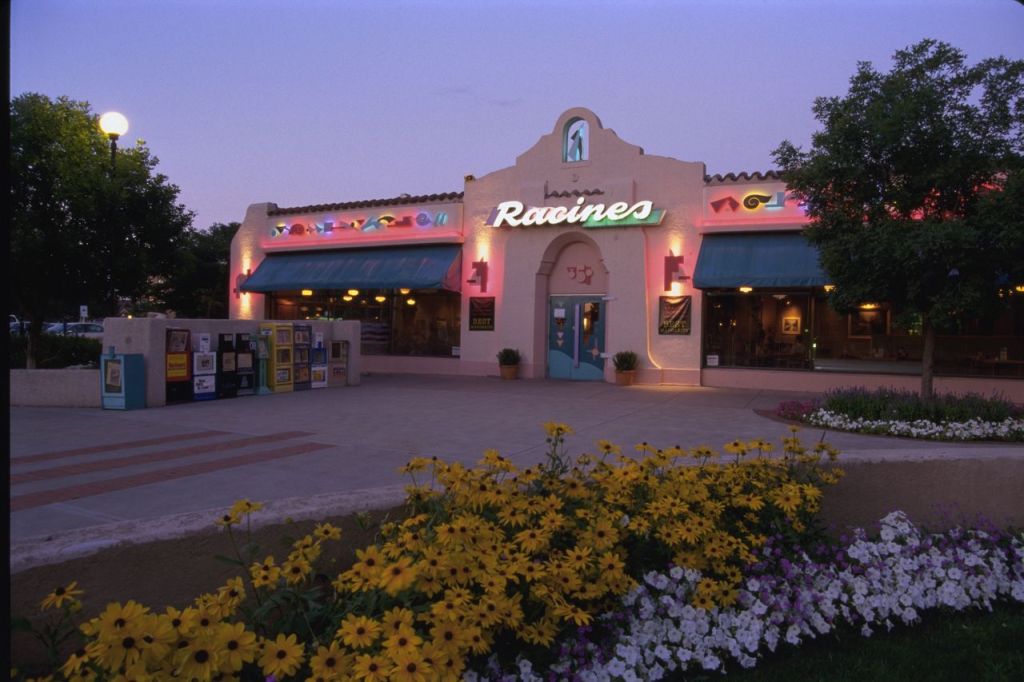
Racines opened in 1983 in an old Ford dealership in the Golden Triangle, and was busy from the start. “But as successful as it was,” Goodfriend says, “we lost a huge amount of money that first year. About $100,000, which in those days was a hell of a lot of money. We didn’t realize it in the moment, because we saw all the people coming through, and our cash flow was okay. But that was our wake-up call to pay better attention to the details. We got everything under control, but it was a good lesson in balancing the cost of food and labor with pricing and waste and all that.”
Now, Goodfriend looks back on their first restaurant as their “hippie stage,” and the second as being a little more sedate, a little more grown up, both out of necessity for financial survival as well as just the difference between the owners as people in their late twenties versus their mid-thirties. “With Goodfriends, we were more into partying and drinking after work. With Racines, not so much. You either grow up, or you can’t stay in the business.”
Racines
By 2003 Racines had more than established itself as a local favorite, and was going strong. Goodfriends was still rolling along, and the trio had added Dixons in LoDo. And then came the hitch in Racines’ giddy-up: They lost the lease on their Golden Triangle location. “The property sold, and the new lease we had to sign had a demolition clause in it,” recalls Goodfriend, “so I knew they were going to exercise that. We started looking for a new home as soon as we signed.” It was Staples who found the new location, which was only for sale because the reluctant owner of the property was a fan of Racines.
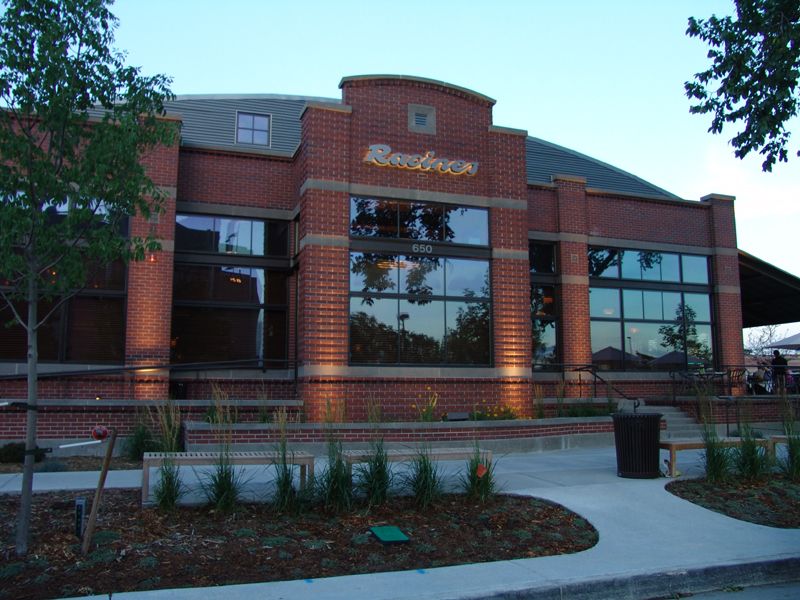
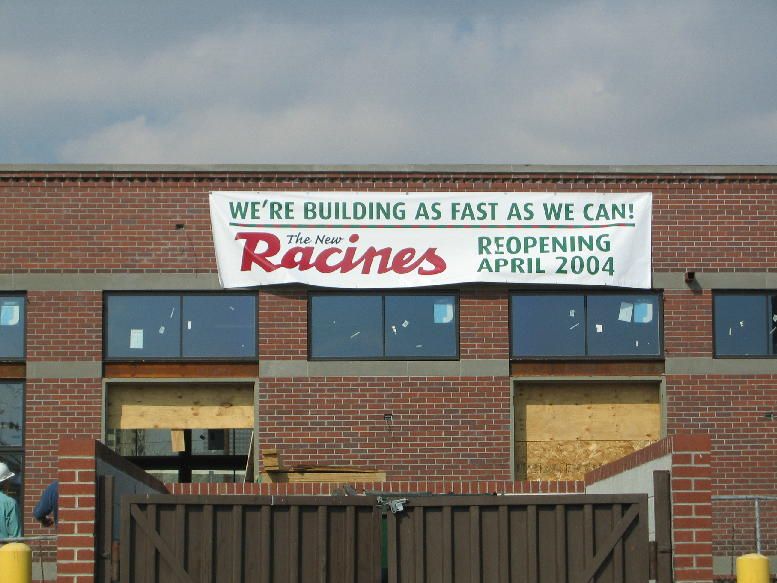
So Racines closed for the first time in twenty years, and the owners constructed new digs at 650 Sherman Street. Back in the early 2000s, Denver was hungry to see the return of one of its favorite spots, and the signage on the new build referenced the public’s impatience: “We’re building as fast as we can!” read the banner announcing the return of Racines in 2004.
“We were lucky that people in Denver continued to go to Goodfriends and Dixons and then came back to Racines when it reopened,” Goodfriend says. “It meant we could pay back those millions we were borrowing to make sure we could bring everyone back.”
And come back they did. Anyone living in Denver in 2004 can attest to the lines, the wait times, the trouble getting a table at Racines when it reopened. “Thank goodness there was no Yelp back then,” laughs Goodfriend. “People were upset with us, and they had a right to be. We were overwhelmed. Most of our staff was back, but we were all rusty. I think people knew we were trying our best. Most people.”
Racines
Sure, you have to be of a certain age to really appreciate what Racines, Goodfriends and Dixons meant to Denver diners…and why so many people still miss all three, but especially Racines. “It’s funny,” says Goodfriend. “I volunteer at Urban Peak a couple days a week. Ninety percent of people I talk to have never heard of Racines. But they’re young, all of them. Twenties or even thirties, and most of them are like — Racines? What’s that?“
By 2020, Goodfriends had been closed for a dozen years (its space first became Annie’s Cafe, and is now the Spice Room), and Dixons had also shuttered. Staples had passed away, and Racine and Goodfriend were getting ready to retire, giving Racines one last year. Then COVID hit, restaurants were ordered to close…and Racines never reopened. Today, the site where it relocated two decades ago holds a giant apartment complex.
“I miss the people,” Goodfriend admits. “Watching the families grow up. It was a really cool part of owning a restaurant. You’d see these young parents come in with these babies, and before you know it, they’re kids trying to sit still at the table, and then they’re grown up. We were around long enough to see whole generations of families grow like that. I just love the history and the community and the fabric of it all.”
The three restaurateurs who lent their names to three great restaurants were around long enough to create a forty-year-plus legacy. They fed families. They fed Denver. They fed the culture, too. And now you can get a taste of it all in the Denver Public Library archives.