Amanda Lopez

Audio By Carbonatix
Across Denver, international coffee shops are putting global flavors from coffee-growing regions of Latin America, Asia and Africa on full display. At the same time, they give minority communities the opportunity to tell stories about the cultures behind the beans.
Here’s a taste of some of the many cafes now serving up international flavor in metro Denver:
Latin American Cafecitos in Denver
“Denver has really good coffee, but rarely do you see the people from producing countries like myself that are immigrants reflected in those spaces,” says Vivi Lemus, co-founder of Convivio Café, who is from Guatemala. “It was important to us to reflect the producers and the whole supply chain.”
Convivio Café, which is located at 4935 West 38th Avenue, sources its coffee beans directly from small farms in Guatemala, where volcanic soil, high elevations and hand-picked harvests make for complex flavor profiles.
“Guatemalan coffee is very, very special,” Lemus notes.
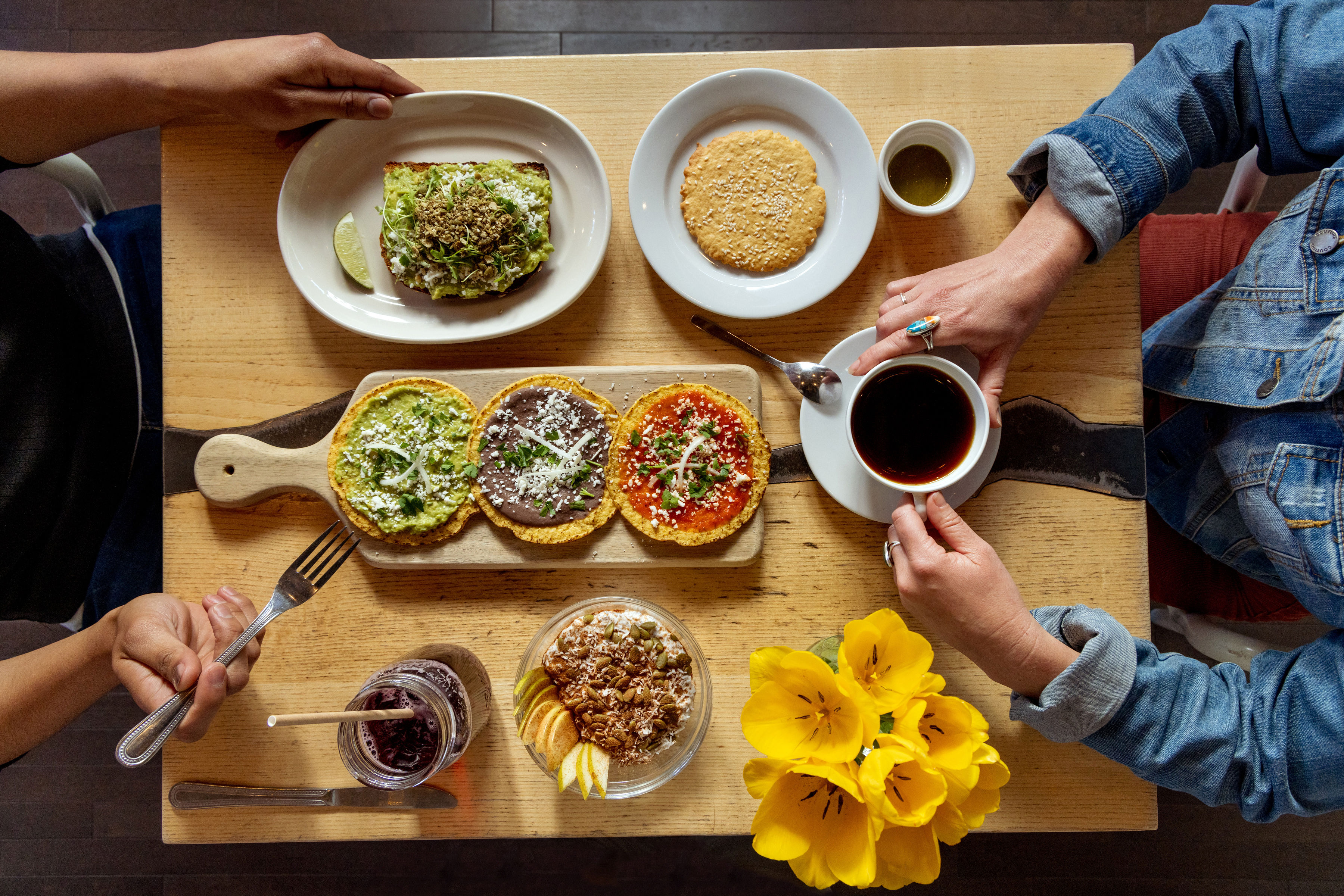
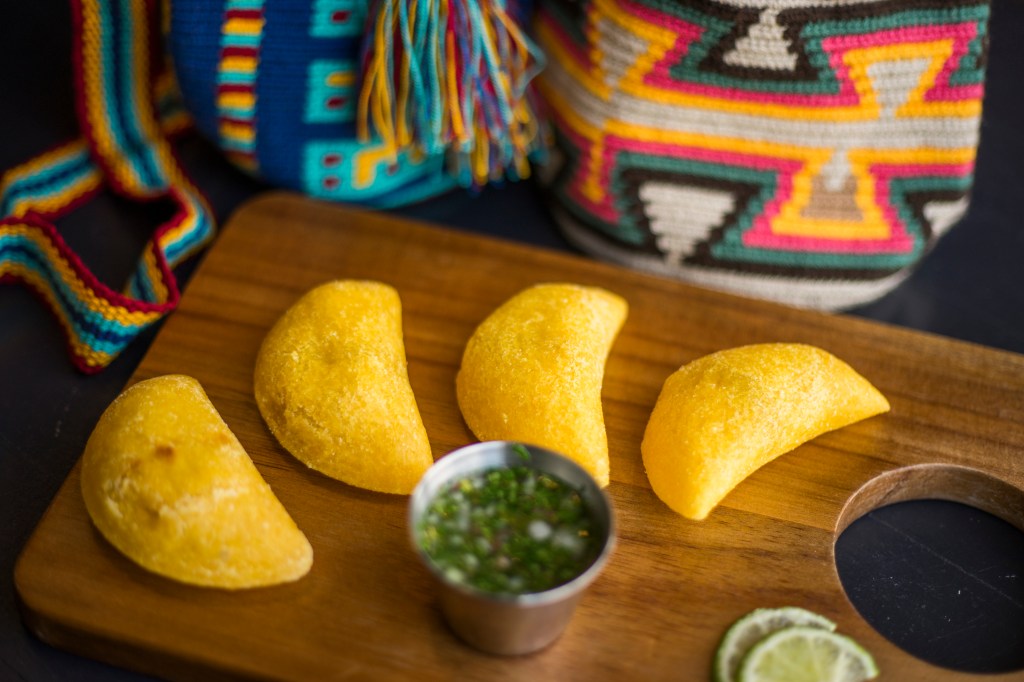
The shop’s best seller is its cardamom café con leche, inspired by childhood memories of Lemus’s grandmother giving her cardamom candy. There’s also Guatemalan-style black beans and tostadas, but the cafe’s menu extends beyond a single flag with offerings like Colombian empanadas from zenys Street Food, Dominican flan from the kitchen lead’s family recipe, and Mexican café de olla cold brew.
“In Guatemala, you say, ‘Let’s meet for cafecito,’ and that means sitting and chatting for a couple hours,” says Lemus, and that practice is reflected in the community atmosphere that she and her business partner, Kristen Lacy, have created at Convivio.
This idea of cafecito is what binds Latin American coffee cultures together.
Sara Rosenthal
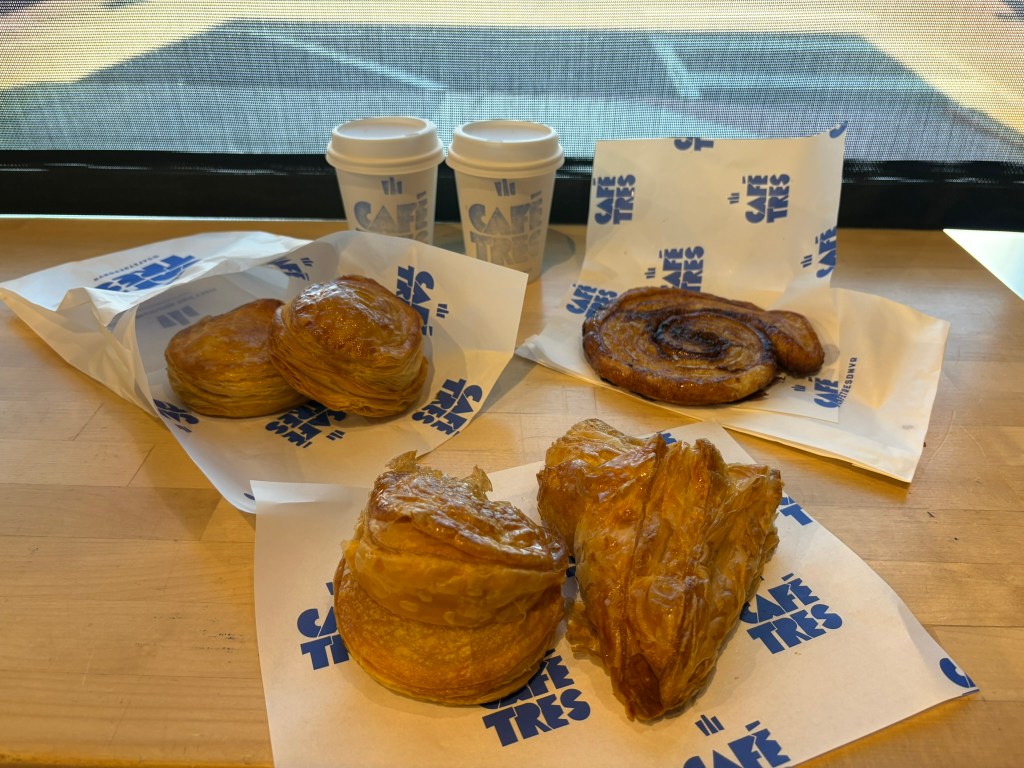
“I’m used to making cafecito on the moka pot, whipping it up and sharing with people as we talk,” says Michael Solis, owner of the recently opened Café Tres at 2960 Champa Street. His cafe continues a family legacy that began when his relatives immigrated in the 1960s and opened one of Miami’s first Cuban bakeries.
Alongside traditional drinks like cortaditos and café con leche, Solis serves flaky Cuban pastelitos made using recipes and techniques passed down through generations, laminated the traditional way with pork lard, and filled with classic flavors like guava, guava and cheese, and carne.
“It’s important to me to show that there are different parts to Latin culture and Latin foods,” Solis says.
LaTinto Cafe
The instinct to represent rather than generalize is shared by Jorge Aguirre, owner of LaTinto Café at 1417 South Broadway. Aguirre recognized the demand for Colombian coffee and baked goods when customers at his restaurant, La Chiva, began asking for them.
“I wanted to bring a little bit of our culture to the Denver metro area and expose Colombian flavors to the region,” says Aguirre.
LaTinto – named after the small, dark coffee known as tinto – serves such Colombian specialties as house-baked pandebono, almojábana and buñuelos. Like Convivio Café, it sources its beans directly from farmers, but LaTinto’s come from Colombia, where the high-altitude, nutrient-rich volcanic soil and year-round rainfall make it ideal for growing coffee.
Cafecito
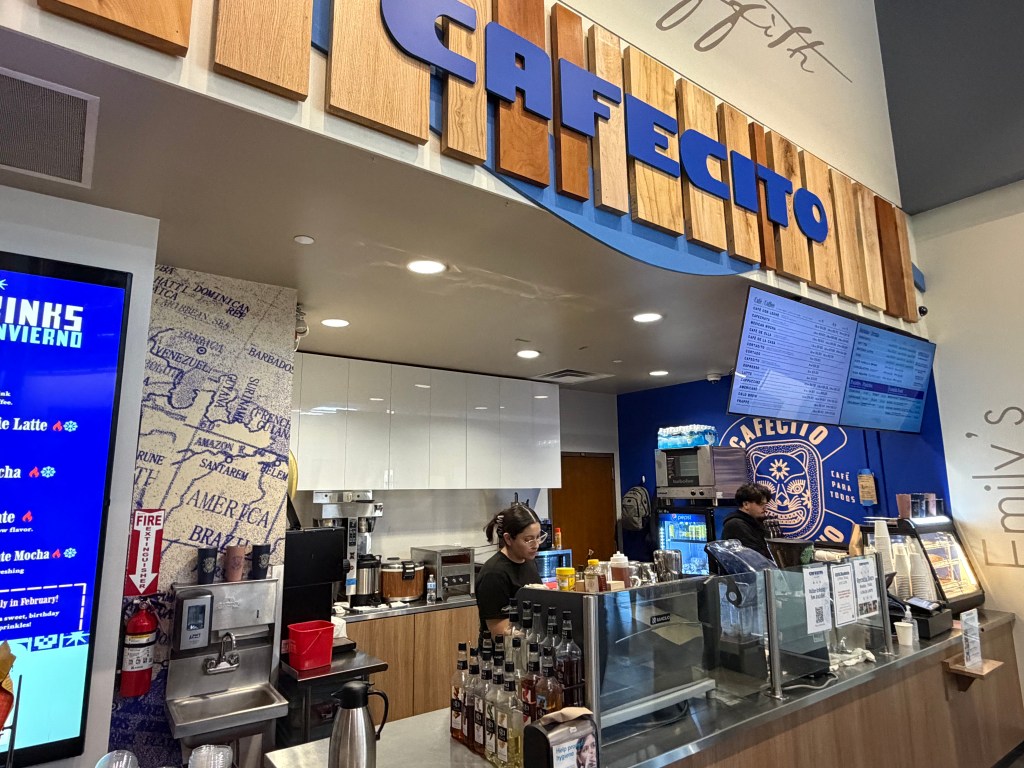
Reflecting the broader demand for Latin-rooted coffee concepts in the city, Cafecito recently debuted its second location at Emily Griffith Technical College at 1860 Lincoln Street, with a third location expected to open soon on Colfax.
The idea behind the franchise is to highlight Latin American flavors from across the diaspora with a menu that features drinks like Mexican mocha, café con leche, café de olla and cortadas, as well as food offerings like burritos, tamales, Mexican sweet bread and, soon, empanadas.
“Where we used to go and visit our family up in the little village in the jungle of Mexico, they would prepare café de olla in clay pots and throw in all the Mexican spices that you can think of, like cinnamon and clove and even some orange peel,” says Elisa Morales, who opened the Emily Griffith location with her husband, Jorge Gonzalez. “It’s important for people to not lose that knowledge and love of their culture, to truly feel pride for being Latino.”
Tí Cafe
Vietnamese and Filipino Cafes in Denver
Across Denver, Asian-owned cafes are carving out space for the flavors of their childhoods and the cultural representation they almost never experienced outside of their homes.
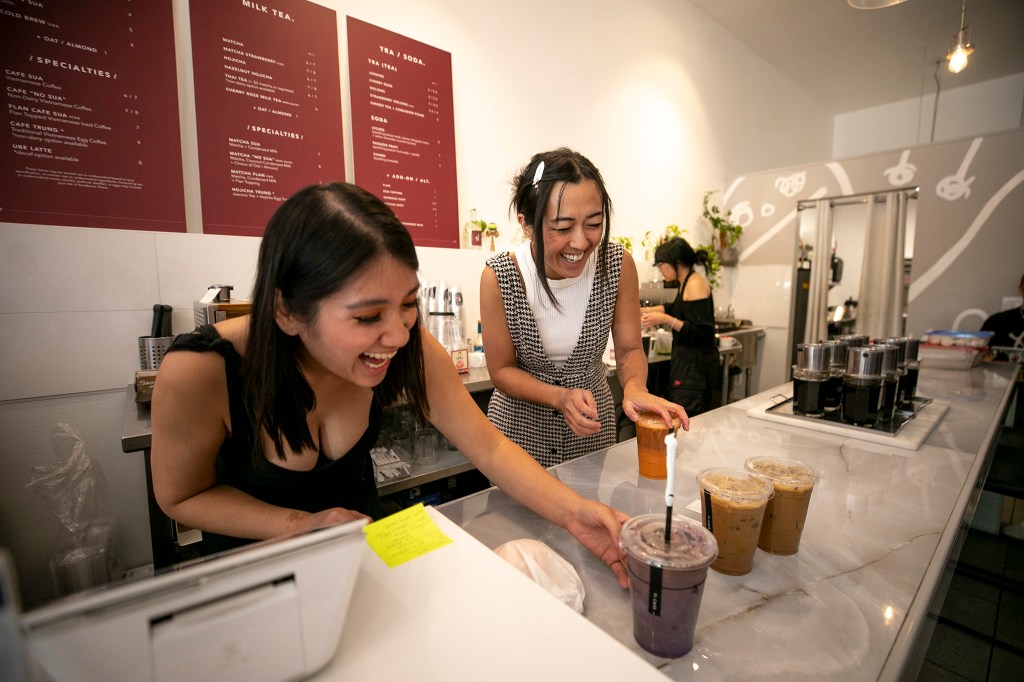
“Growing up in Denver, we rarely saw Vietnamese coffee represented outside of pho restaurants,” notes Shominic Nguyen, who owns Tí Cafe at 30 Broadway with her sisters, Sashaline and Shasitie. “Opening Tí was our way of honoring our heritage while expanding Denver’s understanding of what international coffee can look like.”
Tí Cafe’s cà phê sữa đá (Vietnamese iced coffee) starts with robusta beans imported from Vietnam, which are bolder, more caffeinated and slightly more bitter than the arabica typically used in American coffee. The beans are brewed using a phin, a traditional Vietnamese drip filter that slowly releases the coffee directly into the cup, where it can be balanced with sweetened condensed milk.
“It’s a ritual that represents patience,” Nguyen notes. “Coffee isn’t rushed in Vietnam, both the brewing and sipping process. It’s something you sit with and enjoy on sidewalks, in conversation or during long afternoons.”
As the daughters of Vietnamese immigrants, the Nguyens use flavors reflective of their childhood like pandan, black sesame and ube, while mixing in some modernity with such items as ube lattes and flan-topped Vietnamese iced coffee. Even pastries including sesame balls, pate chaud and barbecue pork buns are inspired by the snacks they ate growing up.
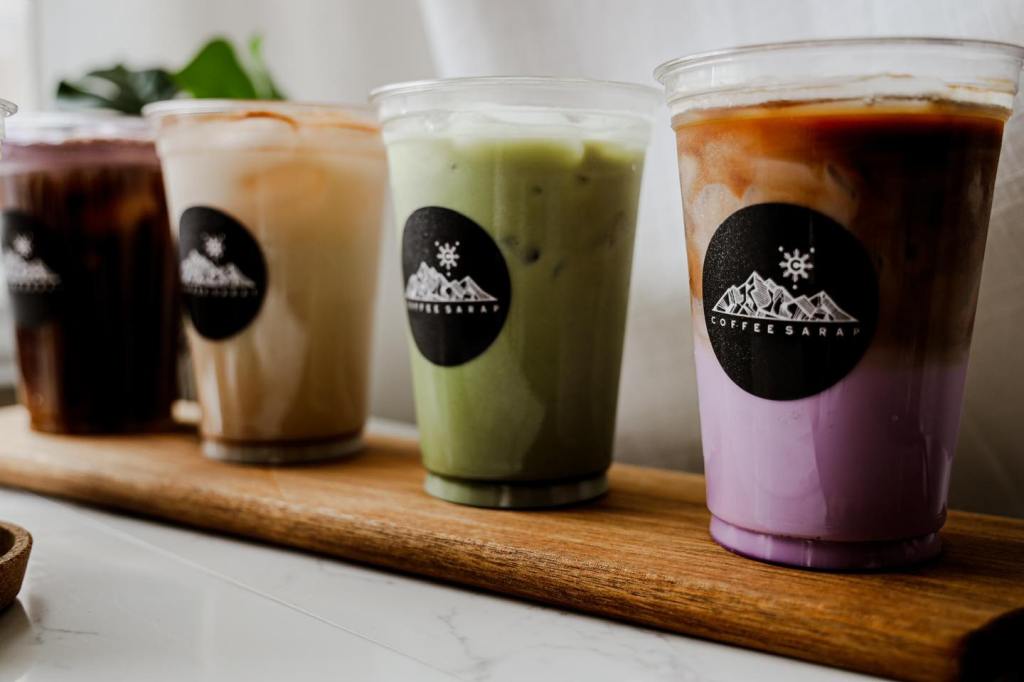
The same goes for the food at Filipino-inspired cafe Coffee Sarap, where co-owners Hannah Cambronero and Chelsey Solemsaas, both half-Filipino, created a menu inspired by traditional desserts like puto and sago using staple ingredients such as ube and pandan.
“The Mestiza is our Filipino-style horchata, but Mestiza means to be Filipino mixed with a Caucasian race, so that was a little reflection,” Cambronero says of their background. Other drinks carry family tributes, like the Lolo (which translates to grandfather) made with mango, lychee and coconut; it was inspired by Cambronero’s memories of watching her grandpa peel and eat mangos at his kitchen table.
Pastries like mamon and pandesal are sourced from Filipino-owned Cakeheads Bakery. Many menu items are named in Tagalog, including the shop’s namesake, Sarap, which means yummy or delicious, offering customers a subtle cultural lesson with each order.

Coffee Sarap
Cambronero and Solemsaas grew up in Lake Stevens, a predominantly white suburb outside Seattle. “We basically only knew of each other because we were some of the only Asian kids in town,” Cambronero recalls.
After moving to Denver, they found themselves missing the Filipino flavors that filled their families’ kitchens, so they set out to build the kind of place they had wished for growing up. They launched Coffee Sarap as a mobile cart in 2022 before opening a brick-and-mortar at 3460 Larimer Street in January 2025.
“Thinking about our past and how we grew up, it was important for us to create something for our kids to be able to see something that’s part of their heritage and who they are,” she adds.
Sara Rosenthal
Ethiopian Cafes in Denver
Ethiopia is the birthplace of the coffee trade. Many local shops pay tribute to this history and legacy.
Ethiopian coffee joint Harar Beans Coffee debuted at 12101 East Iliff Avenue in Aurora last October; it offers a variety of espresso beverages, teas, smoothies and Ethiopian baked goods.
Named after the ancient city of Harar in Ethiopia, which is widely regarded as the birthplace of the coffee trade, the cafe uses Harar beans grown in the country’s Eastern Highlands. Traditionally processed naturally, or sun-dried, the beans produce a heavy-bodied brew with bold notes of blueberry and a wine-like acidity.
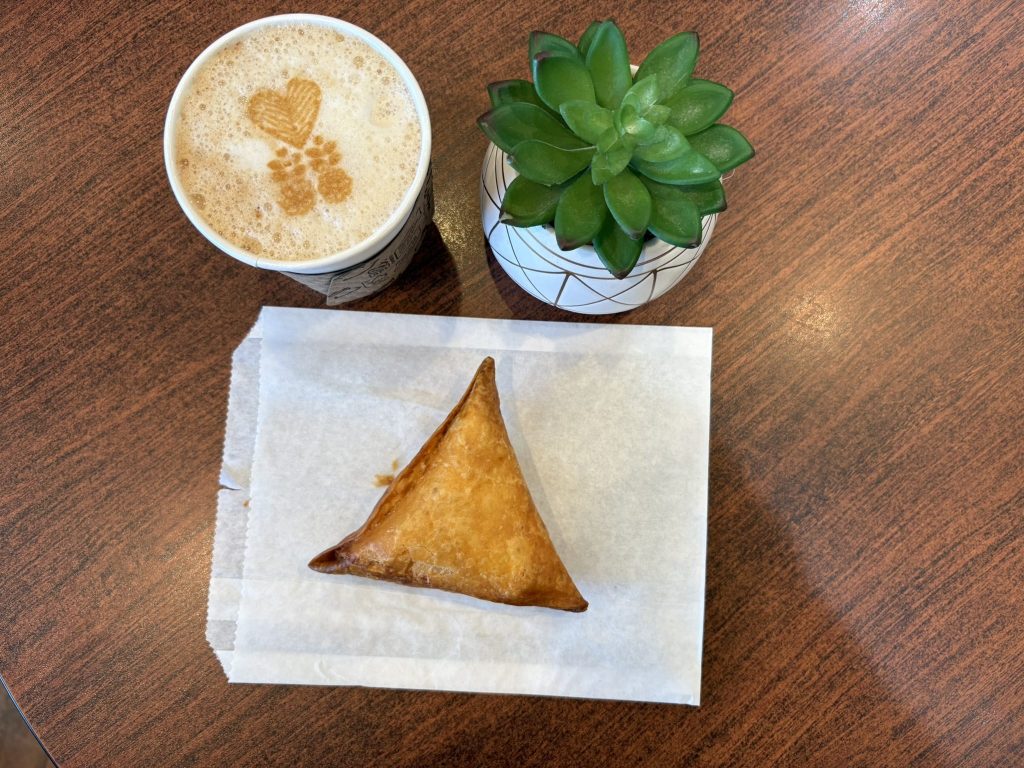
Alongside espresso drinks, the cafe incorporates traditional ingredients like honey and warming spices such as clove and cardamom. The food menu features traditional snacks made in-house using family recipes, like sambusas (crisp pastries filled with spiced lentils or beef) and pasti (a sweet fried dough).
“By sourcing and highlighting specific Harar beans, Harar aims to give credit back to the farmers and regions that produce the world’s most sought-after coffee,” says Ben Eyasu, a Harar representative. “The shop aims to educate the Aurora community on the origins of coffee while providing a home away from home for newcomers and locals alike.”