
Bennito L. Kelty

Audio By Carbonatix
Aurora landed on the national map in 2024, and Colorado’s third-largest city paid the price in 2025.
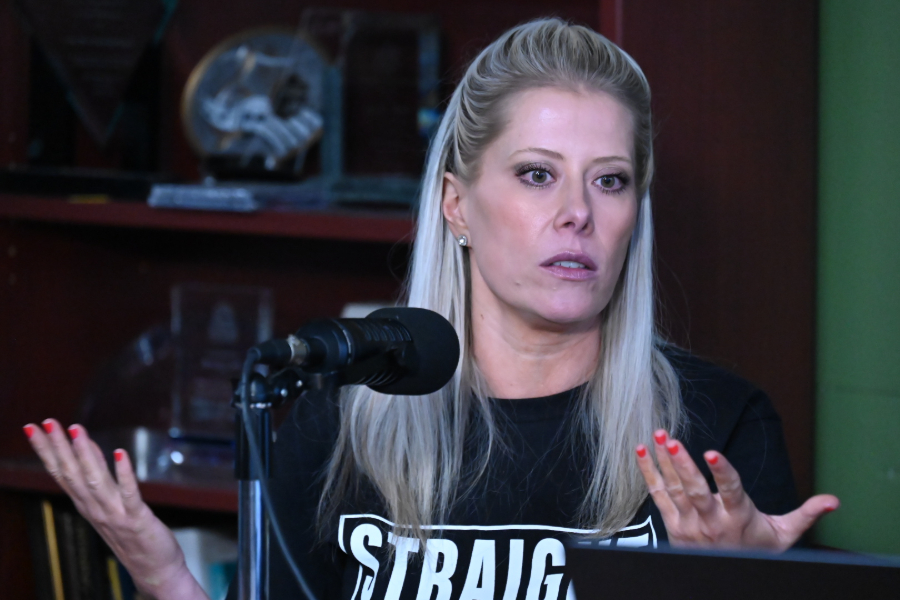
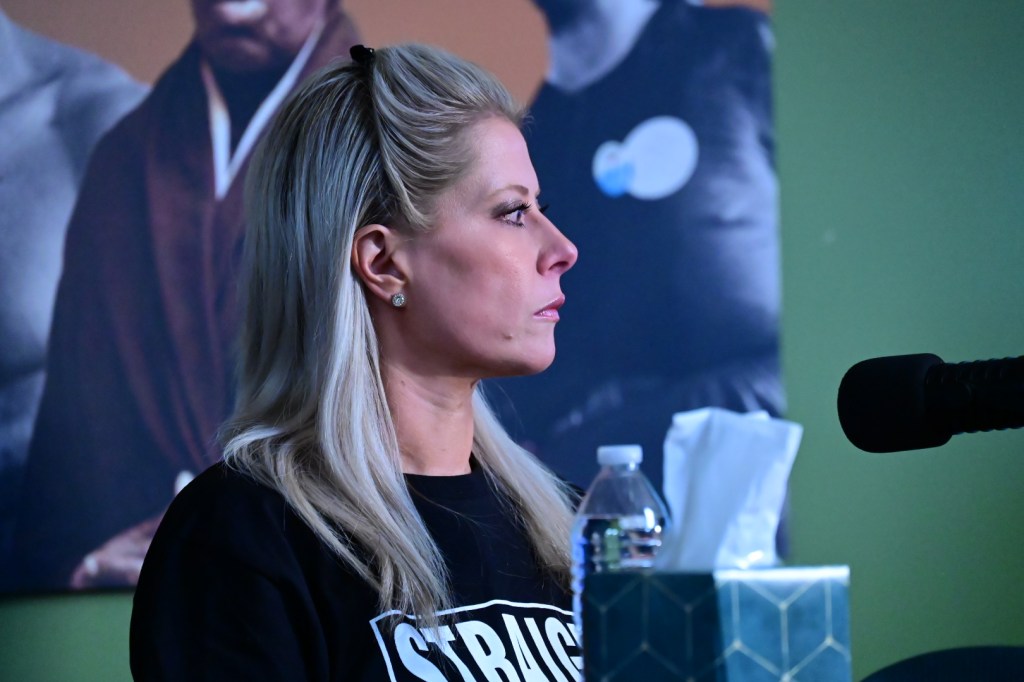
And no one paid a higher price than Danielle Jurinsky, the then-Aurora City Councilmember who put herself in the national spotlight in the fall of 2024 as she pushed the wildly exaggerated claim that Aurora had been taken over by gangs of violent Venezuelans, a byproduct of Denver welcoming up to 43,000 migrants in the preceding two years.
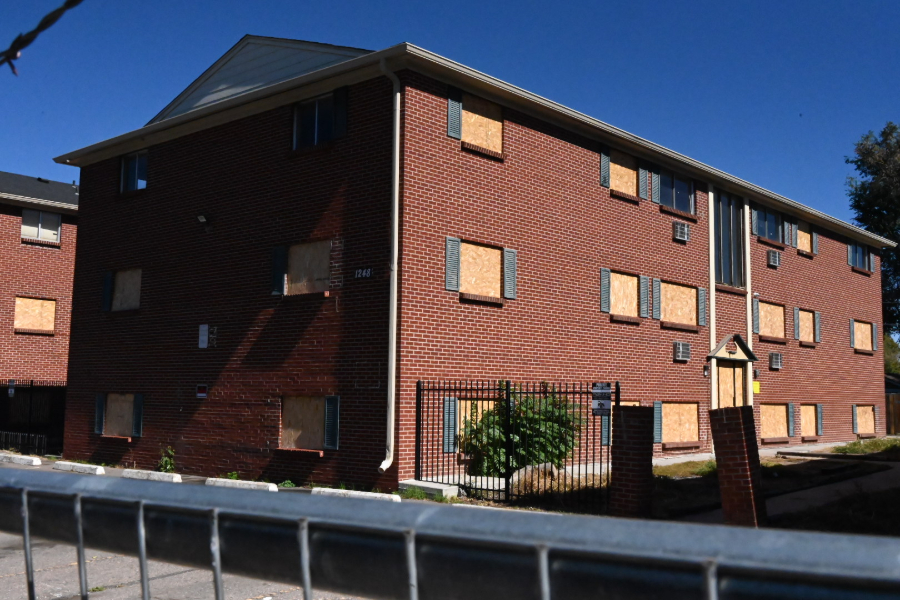
That claim originally came from a landlord who’d neglected three apartment complexes in Aurora. New York-based CBZ Management was about to see its property at 1568 Nome Street shut down by the city when one of its listed owners, Zev Baumgarten, told media that members of the Venezuelan prison gang Tren de Aragua had muscled him out of control of the apartments with violence and threats (U.S. federal prosecutors in New York indicted the leader of TdA on Thursday, December 18).
When then-candidate Donald Trump came to Aurora in October 2024, he unveiled Operation Aurora, a mass deportation plan he promised would remove Venezuelan gangs. And in 2025, Aurora got to see that namesake mass deportation plan unfold inside its borders.
The city is still trying to hold Baumgarten accountable; he’s slated for trial in unresolved criminal and civil cases. But while Aurora hasn’t yet been able to bring Baumgarten to justice, it did manage to shut down all CBZ operations in the city.
And Jurinsky got her own reckoning in November.
At the beginning of 2025, Westword chose Jurinsky for the cover of our People to Watch issue. And we weren’t the only people watching Aurora this past year…
Bennito L. Kelty
A “National Embarrassment”
In a January 5 op-ed in the Denver Gazette, Aurora Mayor Mike Coffman called the Venezuelan gang fiasco a “national embarrassment,” but he blamed Denver Mayor Mike Johnston for doing a bad job of tracking the Venezuelan migrants that the City of Denver had welcomed, housed…and then transported to its neighboring city, according to Coffman. The City of Denver has vehemently denied those allegations.
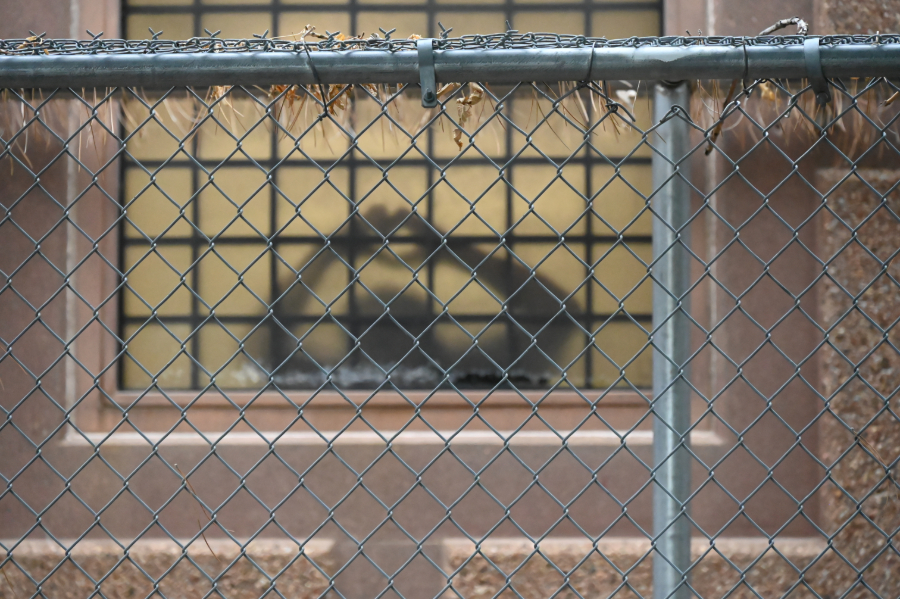
On January 13, Coffman and the Aurora City Council swore in Amsalu Kassaw, a sergeant in charge of guards at the Aurora detention facility at 3130 Oakland Street. The facility is used by the federal agency that arrests and deports immigrants, Immigration and Customs Enforcement.
When Trump took office (again) on January 20, the Aurora ICE detention facility was already preparing for an influx of immigrant detentions. GEO Group, the private prison company that owns and operates the facility, was investing $70 million to add “housing, transportation and security,” GEO told Westword in January.
On January 22, an Aurora municipal judge approved an emergency order to shut down the Edge of Lowry, a property owned by CBZ. A video of five armed Venezuelan men in the Edge in the summer of 2024 had sparked those fears of a gang takeover of Aurora.
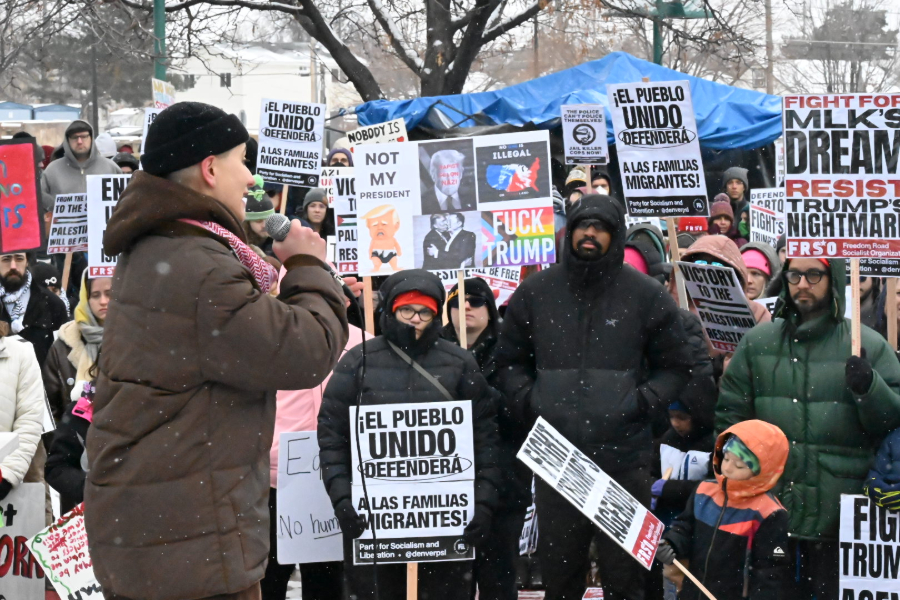
Aurora residents soon demonstrated that not everyone in the city was on board with deportations and Trump’s return: After Inauguration Day, the first large anti-Trump protest in the metro area was in Aurora on January 25. Hundreds gathered at Fletcher Plaza to denounce Trump’s anti-immigrant rhetoric and Operation Aurora. Dozens of additional anti-Trump protests took place throughout the year, with the majority at the Colorado State Capitol.
Bennito L. Kelty
Raids and Trials
On February 5, ICE carried out raids at apartment complexes in Denver and Aurora, including at the Edge of Lowry, using flash and smoke grenades as they entered homes and arresting people who were showing asylum paperwork. About thirty immigrants were sent to the Aurora ICE facility.
On March 14, an Aurora judge issued an arrest warrant for Zev Baumgarten, even as his brother Shmaryahu turned up in the Caribbean breaking ground on a $200 million luxury resort. If Baumgarten is ever caught and found guilty, he could face six months in jail — but the criminal trial won’t move forward until he’s in an Aurora courtroom, according to the city.
On March 17, activist Jeanette Vizguerra, who’d landed on the cover of Time after she avoided deportation by taking sanctuary in a Denver church back in 2017, was seized by ICE agents outside a Target where she worked. She, too, was sent to the Aurora ICE facility.
The next day, two detainees escaped the facility during a power outage. One was caught three days later, while the other stayed on the lam. The incident inspired a spat between the Aurora Police Department and ICE, which tried to shift the blame to local law enforcement.
Meanwhile, the Aurora nonprofits that had led the city’s response to an influx of migrants in 2024 were losing money as Trump cut federal spending. The Village Exchange Center and Aurora Community Connection were among the nonprofits that struggled to provide free food, health care and education to Aurora’s immigrants.
On April, 1, ICE and U.S. Marshals arrested Geilond-Vido Romero, the other escapee from the Aurora ICE facility, on an RTD bus.
A few days later, Baumgarten made a move to squash his civil case in Aurora. His lawyer, Stan Garnett, filed a motion to dismiss the case because of alleged anti-Semitic discrimination. Garnett claimed that Aurora code enforcers had targeted the landlord because of his Orthodox Jewish faith.
Bennito L. Kelty
Sending a Message
On April 7, Aurora City Council approved looking into the creation of a Downtown Development Authority. Members said they believed a DDA would help chip away at the negative reputation Aurora had acquired in 2024.
On May 15, Congressman Jason Crow said that upwards of 1,400 people were being kept in the detention center, up from only about 300 before Trump took office. Crow said he was “very troubled” by what he was seeing there. That same day Vizguerra won the RFK Human Rights Award; she was still behind bars. Three weeks later, Vizguerra spoke to her supporters outside of the facility through a video call. A “new fight for civil rights” in the U.S. had started, she told them.
On June 12, an Aurora judge dismissed Baumgarten’s discrimination claim, ruling that his defense provided “no evidence.” Baumgarten would have to face a jury trial in November to resolve his civil case, which would primarily require paying outstanding fines…if Aurora could find him.
On July 30, Crow announced that he was suing the Trump administration for denying him access to the Aurora ICE facility. Crow had spearheaded the passage of a law in 2019 that required immigration detention facilities to allow members of Congress access with just 24 hours’ notice.
Bennito L. Kelty
Promising Victories
On August 11, ICE agents told members of Colorado’s congressional delegation, including Representatives Brittany Peterson and Joe Neguese, that the agency planned to open a second detention facility in the town of Hudson. On August 15, the Washington Post reported plans by ICE to open new detention facilities in Walsenberg and Ignacio as well. On September 23, the ACLU of Colorado filed a lawsuit to obtain more details on ICE’s plans.
On November 4, the City of Aurora revealed that it had delayed Baumgarten’s civil trial to January 27. According to Baumgarten’s lawyer, the prosecution said it “needed more time to get ready” — despite having filed the lawsuit in November 2024. Aurora has yet to respond to that claim. Meanwhile, the Lakewood-based Aspire Property Management Incorporated had renovated two of Baumgarten’s former properties, the Edge and Whispering Pines, Helena Street, after acquiring them through a court-appointed receiver in August. By November, both were reopened and welcoming new tenants.
On November 5, voters ousted Jurinsky and every conservative Aurora City Council rep up for lection that day. Jurinsky, Amsalu Kassaw (who worked at the ICE detention facility) and Steve Sundberg, who was known for racist rants and anti-panhandling campaigns, were all shown the door. They were replaced by progressives Rob Andrews, Alli Jackson, Amy Wiles and Gianina Horton (who won a seat given up by progressive Crystal Murillo after she chose not to run for reelection).
Bennito L. Kelty
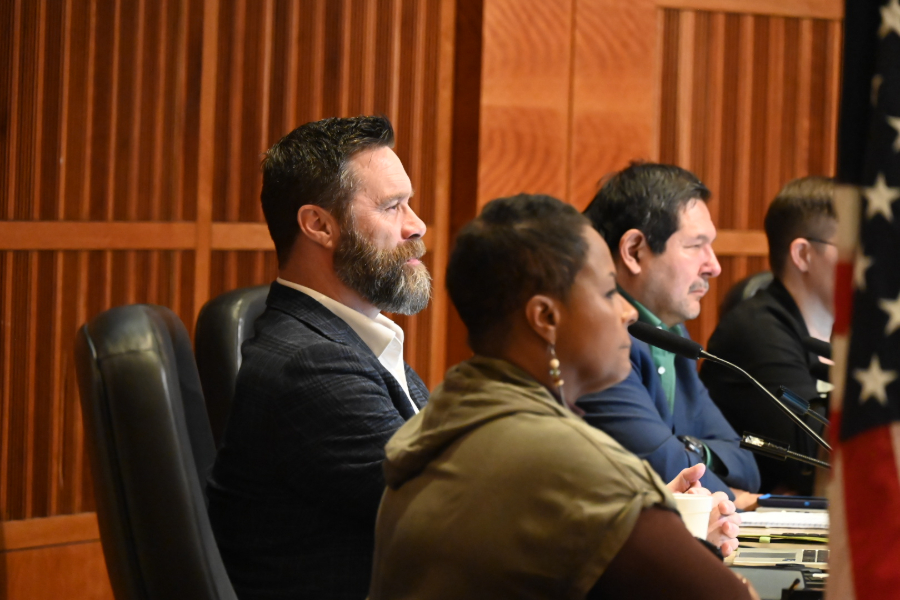
More than a dozen Aurora residents came to the first council meeting after the election to rip into the outgoing reps and the remaining conservatives on the dais, including Stephanie Hancock and Coffman, who will be up for election in 2027. Voters told Sundberg his “beard sucks” and referred to Hancock’s “bald-headed ass.” They probably would have words for Jurinsky, too, but she was a no-show.
On December 1, the new members were sworn in, giving Aurora City Council a 6-5 progressive majority. Two weeks later, residents were back at the next council meeting for a more civil discussion. Still, they had plenty of suggestions for this progressive council, including increasing affordable housing in Aurora and firing APD police chief Todd Chamberlain.
On December 17, a federal judge ruled in favor of Crow’s lawsuit against the feds for denying him access to the Aurora ICE facility; the decision blocked a Trump policy requiring seven days’ notice for a visit. Crow called it a “critical victory.”
That same day, a federal judge ordered ICE to give Vizguerra a bond hearing, which led to her release from the Aurora detention facility right before Christmas. She has another ICE hearing slated for January.
A new day is dawning in Aurora.