
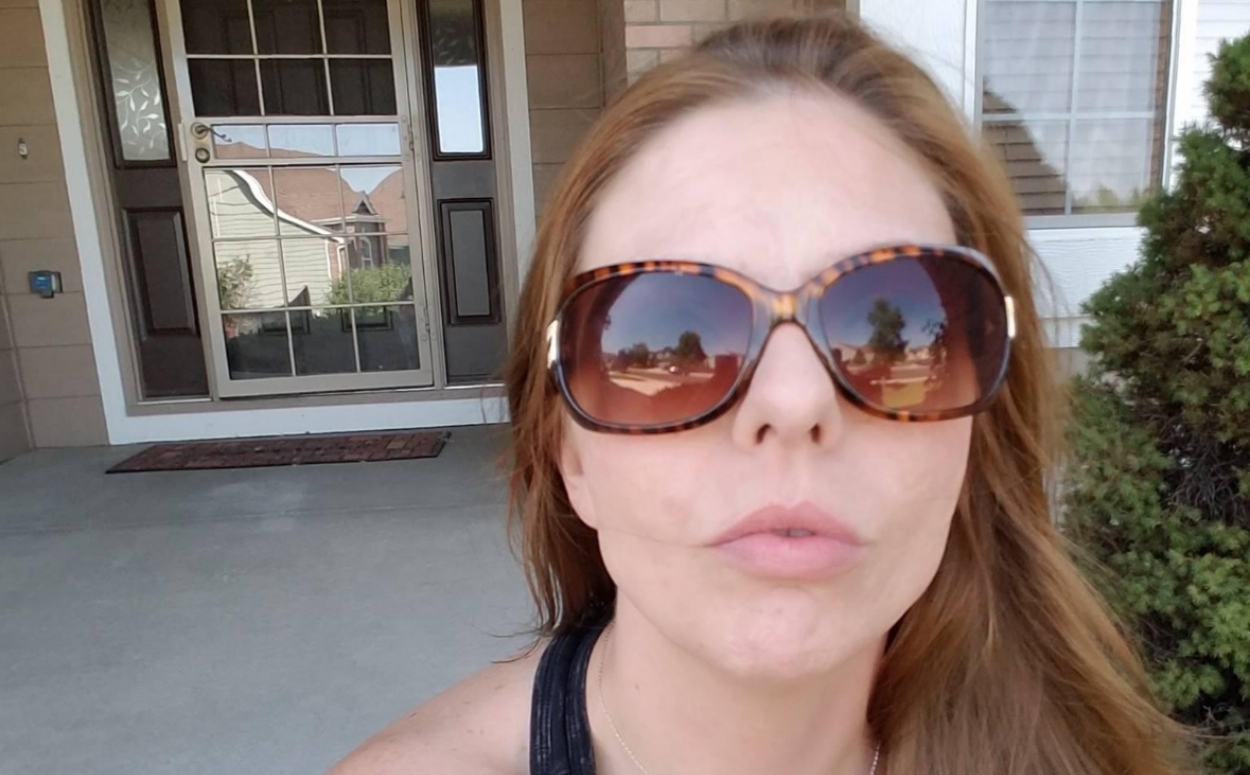
Courtesy of Springsteenlawfirm.com

Audio By Carbonatix
On March 29, 2024, Courtney Tinker died while in custody at the Jefferson County Detention Facility from conditions associated with Lupus, a chronic autoimmune disease that can cause pain and inflammation in any part of a sufferer’s body.
According to a wrongful death lawsuit filed on March 28 in the United States District Court for the District of Colorado, Tinker’s condition was known to her jailers, as well as staffers affiliated with Kansas-based VitalCore Health Strategies, which contracts with Jefferson County to care for inmates at the jail. The forty-year-old’s health conditions were also known to HealthONE Southwest ER at HealthONE Swedish, which examined her before she was booked, according to the lawsuit. However, these assorted healthcare professionals allegedly did little or nothing to address what developed into a crisis despite Tinker’s increasingly desperate pleas for help. As a result, the complaint maintains, she grew sicker and sicker over a four-day period before she was found unconscious on the floor of her cell and could not be revived.
A September 2024 decision letter penned by Jefferson County District Attorney Alexis King doesn’t blame officials or employees for this unfortunate outcome. The three-page document concludes that, “Ms. Tinker’s death was not caused by any criminal actions taken by law enforcement.” But attorney Anita Springsteen of Denver’s Springsteen Law Firm, LLC, who represents Tinker’s estate via Denise Tinker, her mother, believes that with proper medical care, Courtney would have survived.
Tinker “was having a terrible flare of Lupus that should have been so outwardly obvious that she never should have been released to the jail in the first place,” Springsteen says. “But instead, they medically cleared her, and she was placed in a cell alone, where they let her deteriorate and die.”
The Tinker lawsuit cites as defendants the Jefferson County Board of County Commissioners, the Jefferson County Sheriff’s Office and Sheriff Reggie Marinelli in his official capacity, VitalCore, HealthOne, five named deputies and twenty “John and Jane Does.
It’s hardly the first to level charges of extraordinarily insufficient medical care at the Jefferson County jail.
In 2014, for example, former Jeffco inmate Ken McGill was awarded $11 million after he had a stroke while incarcerated. Two years later, in 2016, the county agreed to pay $2.5 million over Jennifer Lobato’s death from opiate withdrawal. Lobato, a mother of seven, died at age 37.
Additionally, Springsteen sued Jeffco last December regarding the 2023 detention-facility death of Ashley Jo Raisbeck under circumstances she sees as shockingly negligent. “Not only were they giving Ashley antibiotics she was allergic to, and that they knew she was allergic to,” she maintains, “but when they couldn’t get a blood-pressure reading, they walked away from her for an hour.”
More Jeffco jail cases with a medical theme are on the way, Springsteen reveals. She has several others that she expects to file in the near future, because this string of tragedies doesn’t feel coincidental to her.
“Ken McGill’s stroke happened in 2012, almost fifteen years ago — and, as far as I can tell, they’ve made absolutely no progress in providing better medical care and treatment and preventing these deaths,” Springsteen says. “If anything, I think it’s gotten worse.”
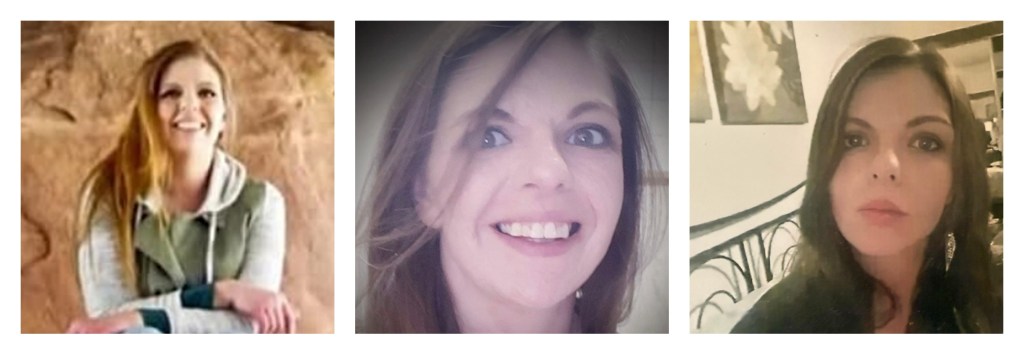
Courtesy of Springsteenlawfirm.com
Still, Springsteen argues that Jefferson County has gotten better at one thing: blocking lawyers trying to get more information about suspicious deaths. Both the Raisbeck and Tinker cases have been sealed, she says, thereby preventing her from accessing video footage and a wide range of evidence that could shed more light on precisely what happened.
An August 12, 2025, note from Jefferson County Assistant District City Attorney Rebecca Klymkowsky in response to a Springsteen inquiry about the latter reads: “Ms. Tinker’s criminal case and related documents have been sealed by the courts. As a result, we cannot release any further records to you unless and until you petition the court to allow their release. As a result, we are closing this request. Should you petition the court for relief, you can re-request these records….”
Since these records remained off-limits prior to the filing of the suit, the narrative of events is told broadly. The complaint notes that authorities picked up Tinker on outstanding warrants. But Springsteen believes that because Tinker had a history of drug-related arrests, the folks at the HealthOne ER — which is not a Level 1 trauma center but more like “an urgent-care facility,” Springsteen says — concluded that Tinker’s symptoms had been caused by narcotics and put her on an anti-opiate protocol rather than properly addressing her Lupus spike.
The situation went downhill from there. A key excerpt from the complaint: “Ms. Tinker complained for many days to JCDF staff and deputies that she was continuing to experience the same symptoms as when she was originally detained — including shortness of breath and heart pain. Her condition visibly deteriorated, including worsening physical condition and observable distress.
Despite these signs, Defendants failed to obtain appropriate medical evaluation, to properly monitor Ms. Tinker’s condition, or to provide timely escalation of care despite repeated indications of a serious and worsening medical condition.”
At around 5:30 a.m. on March 29, Tinker was discovered lying on a mat in her cell “with her eyes open, fixed and staring at the ceiling. Ms. Tinker’s mouth was agape.” CPR was administered and she was rushed to St. Anthony’s Hospital, where she was declared dead at 6:17 a.m.
Afterward, an autopsy by forensic Dr. Dawn B. Holmes concluded Tinker’s cause of death was “due to hypertensive cardiovascular disease. Chronic obstructive pulmonary disease; systemic lupus erythematosus; chronic alcoholism; and COVID-19 viral infection are significant contributing factors.”
“The manner of death is natural,” Holmes added. “The decedent’s long-term history of prescription drug abuse (opioids) and presumed high tolerance is considered in the interpretation of the toxicology results. There is no evidence of significant acute/recent trauma at autopsy.”
In other words, Springsteen points out, “this was about Lupus, not drugs, and any medical professional would know that’s a very serious condition that can shut down your organs and requires a lot of observation and care. But everybody there just ignored it, which is really horrible. And I also think it’s horrible that she died alone in her cell. She apparently told a lot of people that was one of her biggest fears. I think it’s so sad that’s what happened.”
As for why Jefferson County hasn’t made it a priority to improve the medical care provided to inmates, Springsteen speculates that it all comes down to dollars and cents.
“I think they’ve done the calculations and have decided it’s cheaper to pay out for an occasional successful case and fight like hell against the cases that come at them than it is to treat them like human beings and give them reasonable medical care that they’re entitled to under the 14th Amendment,” she says. “To me, that’s a very cynical way for leaders to run a county. I don’t know what it’s going to take to get their attention so that it stops this killing machine — but maybe if there are enough lawsuits, their calculations will change.”
Representatives of Jefferson County, HealthOne and VitalCore have not responded to requests for comment.