
Denver Zoo

Audio By Carbonatix
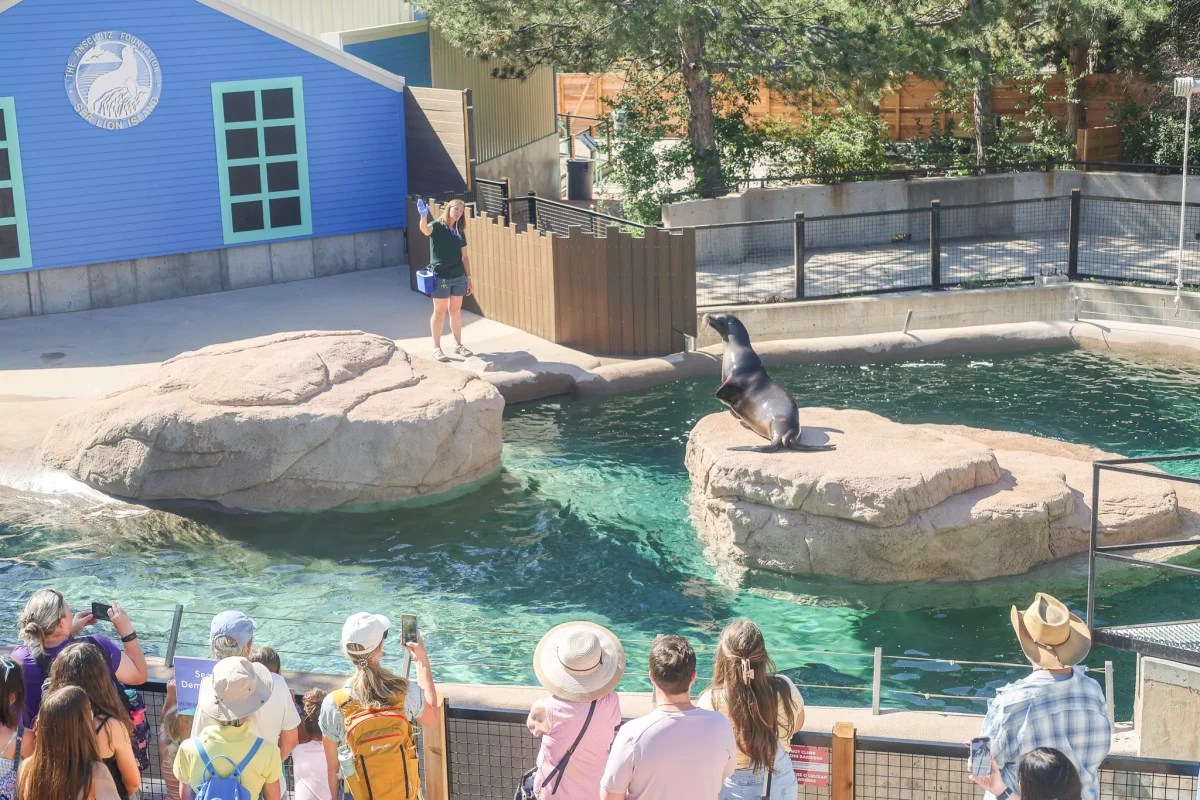
The Denver Zoo Conservation Alliance made a splash last May with a “brand-new, state-of-the-art habitat” for sea lions, including a sixteen-foot viewing window, salt water pools and advanced filtration system.
Less than one year later, that same exhibit has dealt with multiple leaks and cracked areas, rusty cages and hardware, and peeling paint in the animal food preparation areas, according to a lawsuit filed in Denver District Court by the Denver Zoological Foundation, the nonprofit organization that operates the Denver Zoo.
The $19 million renovation took almost two years to complete, with the five sea lions transferred to zoos across the country in the meantime. But that process was delayed and made more expensive by design and construction failures throughout the process, according to the Denver Zoo’s lawsuit against the designer, BRS Architecture, and Vertix Builders, which led the exhibit’s construction.
According to the zoo, the sea lions are safe and healthy under current conditions at the exhibit, which is still open to the public; it says the lawsuit was filed to ensure the exhibit’s future for years to come.
In the suit, the zoo claims design and specification failures by BRS Architecture led to rusty caging and hardware, a reduced pool size for the animals, inaccurate water levels and higher construction costs. Designers also failed to provide appropriate specs for pool barriers, sump pumps and water purification, according to the zoo’s attorneys with the Kutack Rock law firm.
“BRS failed to perform its services with the requisite professional skill and care and otherwise breached its obligations under the Design Contract,” the lawsuit claims. It goes on to say that BRS did not correct or resolve the issues, and would not reimburse the zoo “for the construction costs caused by its negligent errors and omissions, including but not limited to costs already incurred as a result of BRS’s failure to design the pool water level to original specifications.”
The project didn’t go much smoother when Vertix Builders stepped in as master contractor, according to the suit, which claims Vertix also “failed to perform its work in an efficient, good, and workmanlike manner and otherwise breached its obligations.”

Denver Zoo
Staffers have reported “active water seeping through cracks” of a basement wall underneath the sea lion exhibit,” according to the zoo. Its suit also cites cracking in the main and lower beaches where demonstrations and performances take place, loose fiberglass polymer trim, exposed concrete, “leaking” from multiple pools, pipe failures and leakage, and salt water leaching in the moat area.
The poor construction has resulted in paint peeling in the sea lion food preparation area, as well as rusty doors and hardware, the suit claims.
Zoo officials say they alerted BRS and Vertix of the design and construction errors, but neither firm promptly corrected the defects. According to the lawsuit, agreements with both firms had stipulations in place for such repairs deemed necessary by the zoo.
In a statement to Westword, the Denver Zoo Conservation Alliance says it is “committed to resolving this matter as efficiently as possible, and to ensuring the habitat stands the test of time and meets the agreed-upon intent to provide our animals with a high-quality environment.”
“Some of the design and construction issues in the complaint remain, and some have been corrected. It’s important to note that there are no immediate health or safety concerns for the animals,” the zoo’s statement adds. “Our goal is to resolve these issues as efficiently as possible to ensure the long-term sustainability of the facility.”
The Denver Zoo is seeking damages from both companies, with the amount to be determined at trial.
Vertix and BRS have not respond to requests for comment.