
Uber

Audio By Carbonatix
More than 19,000 people reported being sexually assaulted during Uber and Lyft rides between 2017 and 2022. Last year, Colorado survivors took a stand.
State Representative Jenny Willford sponsored a bill to bolster safety mandates for rideshare companies, including requiring more frequent background checks for drivers, cracking down on unauthorized driver account sharing, and speeding up the timeline for companies to respond to law enforcement investigations and user reports of assault. The bill was inspired by Willford’s own harrowing experience, as she was allegedly sexually assaulted by her Lyft driver in 2024.
The bill passed the Colorado Legislature with bipartisan support from a supermajority of legislators. Other survivors of rideshare sexual assaults emerged to publicly join the call for change, including ten victims of a single Denver rideshare driver who wrote a letter to Governor Jared Polis, urging him to sign the bill into law.
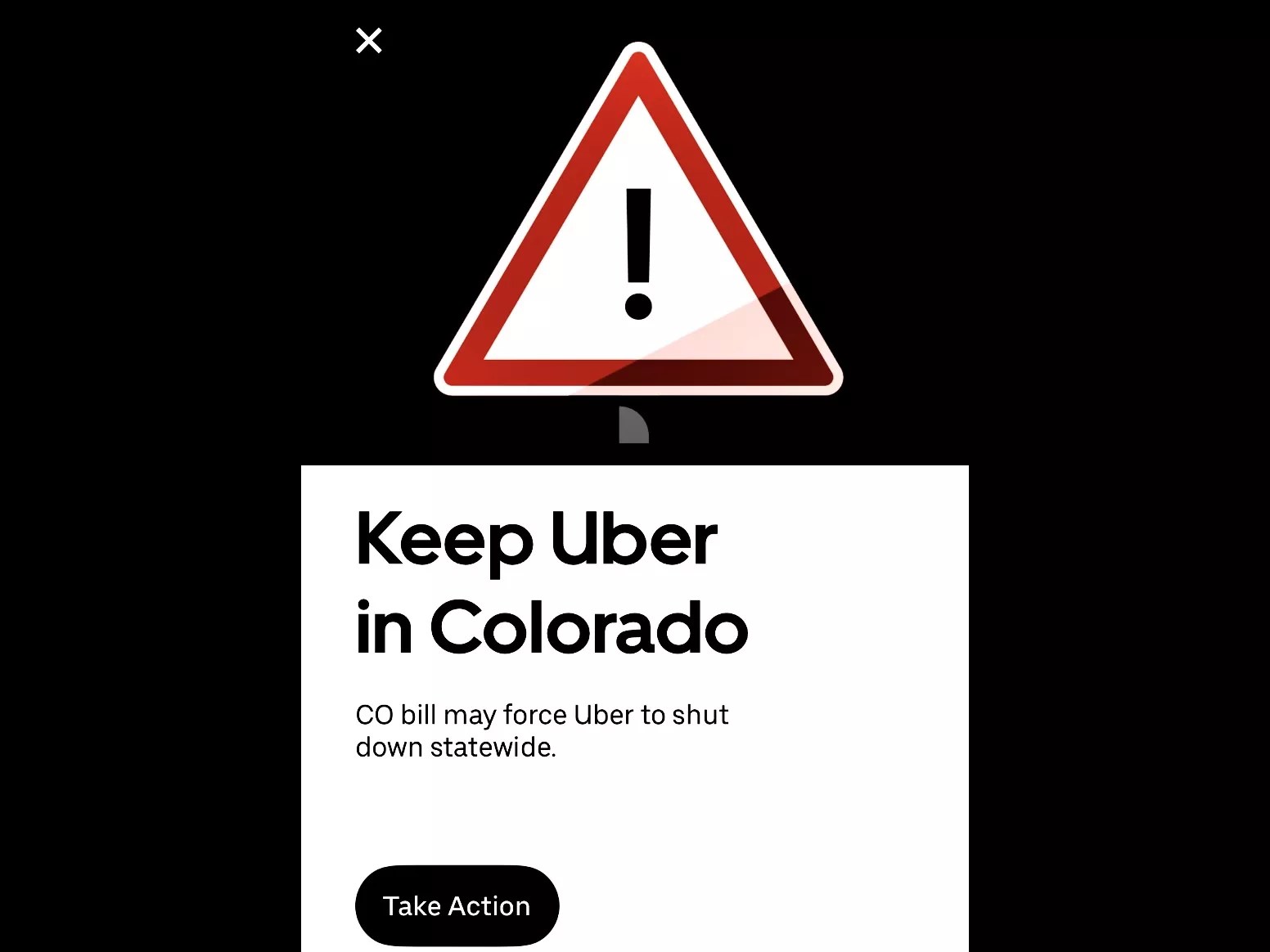
But Uber said no.
The company threatened to cease operations in Colorado if Polis signed the bill, arguing that it was technologically and financially burdensome and that Uber’s internal safety features were already adequate.
Uber has wielded the same ultimatum against numerous cities, states and countries that dared to impose regulations the company disagreed with, such as requiring fingerprint background checks or letting drivers unionize. In Colorado’s case, the threat worked. Polis vetoed the bill, stating that he “want[s] to make sure that Uber, Lyft, and others will be able to continue to operate in Colorado.” (Lyft did not threaten to leave the state, though it did request a veto.)
Now, nine months after stomping out the survivor-led effort to improve rideshare safety, Uber is trying to brand itself as a champion for survivors of domestic violence.
Uber is partnering with two domestic violence centers in the Denver metro area. The company announced the collaborations in October, but over the past month, it has shared a series of online advertisements about its work with SafeHouse Denver and PorchLight Family Justice Center in Lakewood.
“Uber can get you to a safe place,” says an ad posted by Uber on January 14, “and PorchLight gives you the chance to begin healing.”
The local partnerships are part of the national Hope Rides program from Uber and Alliance for HOPE International. Through the initiative, Uber provides free rides to eighteen Family Justice Centers, including the two in Colorado, to help transport their clients.
In announcing Hope Rides, Uber specifically highlighted the centers’ support for sexual assault survivors, noting that “this partnership builds on Uber’s ongoing commitment to advancing safety.”
The recent advertisement push comes amid a high-profile legal battle between Uber and an Arizona woman who was raped by her Uber driver in 2023 at nineteen years old. Last week, a federal jury found Uber legally responsible in the sexual assault case, ordering the company to pay the woman $8.5 million. The ruling sets the stage for over 3,000 pending lawsuits that accuse the company of systemic safety failures.
Colorado Safety Initiatives
When asked about partnering with Uber, leadership at SafeHouse and PorchLight emphasized that both nonprofits are facing a decrease in federal funding.
“The microgrant we received from Uber in September has helped us provide vital transportation support,” says Jill Petersen, board chair at SafeHouse Denver. “Transportation is often a form of control for abusers, and many survivors of intimate partner abuse come to us without any means to get to doctor visits, court appointments, job interviews and more. These are critical parts of our support in helping them heal and move forward.”
SafeHouse received $7,500 in Uber rides, according to Petersen. PorchLight was granted $10,000 in rides, the organization reports.
Petersen says SafeHouse’s advocates book Uber rides on behalf of their clients and track the rides in the app to ensure they reach their destinations.
“The safety of survivors is always our top priority,” Petersen says.
SafeHouse and PorchLight both note that users have access to Uber’s in-app safety features, such as the app’s emergency help button and a new option that lets female riders request female drivers.
“PorchLight acknowledges the valid concerns for rider safety and experiences of those who have come forward to report assaults by rideshare drivers,” says Brandon Bowles, PorchLight communications manager. “PorchLight stands with survivors of sexual violence. While no service can completely eliminate risk, the Hope Rides program has been intentional about making improvements for the safety of riders.”
Amid the drop in federal funds, PorchLight experienced a 10 percent increase in total visits in 2025 compared to the prior year, according to Bowles. He says Uber “provided PorchLight with a critical resource” for their clients.
“We allow survivors to make the choices that feel best for them, understanding that they are the experts in their own situation,” Bowles says, “and if taking a rideshare does not feel like a safe option for them, our advocates will work with each individual to create a plan that respects their choices and needs.”
Neither Petersen nor Bowles responded to questions regarding whether their organizations were aware of Uber’s actions to shut down Colorado’s rideshare safety bill.