MSU Denver

Audio By Carbonatix
The conversation around Colorado’s behavioral health workforce often centers on numbers: how many therapists we have, how many we’re losing, and how many we still need. The projections are stark. In 2026, Colorado is expected to face a shortage of more than 4,400 behavioral health professionals, according to the Colorado Rural Health Center.
But what communities are telling us — and what we see every day in neighborhoods across Denver — is that the issue runs deeper than numbers alone. People are seeking a workforce where they feel safe, trusted and respected with their life experiences. They are looking for providers who reflect their identities, speak their language and understand the communities they come from.
This isn’t just about increasing the number of providers; it’s about the right fit.
A reflective, trauma-informed workforce matters because it builds trust. It reduces stigma. It helps people engage earlier and stay connected to care longer. Research shows that when trained providers share similar cultural backgrounds or lived experiences with the people they serve, the outcomes are stronger.
The Colorado Health Access Survey reports that fewer Coloradans say their mental health is poor, a hopeful sign that awareness is growing, stigma is easing, and people are finding care. But as more people feel comfortable seeking help, demand for clinicians rises, waitlists lengthen, and pressure builds across all systems.
Behavioral health does not scale quickly, and training licensed clinicians takes years. Retaining them takes even more intentional support. Burnout, low wages, persistence in their education, perceived educational costs, administrative load,and barriers to licensure continue to push talented professionals out of the field — especially those from historically marginalized backgrounds. As a result, the shortage is most deeply felt in communities that need access the most.
On one hand, we see an increase in the number of professionals leaving the field; on the other, we see the strain placed on community organizations as demand increases and clinical capacity lags. Additionally, we see students who want to enter behavioral health careers — many from Denver neighborhoods — who face barriers that make it difficult to stay in the field without the right support.
This is what brought Caring for Denver Foundation and Metropolitan State University of Denver together.
Together, we created the Building Denver’s Mental Health Workforce program, designed not just to train social work and addictions counseling graduate students but also to retain them in the field and root them in their communities.
The program offers a two-semester pathway that combines academic learning with hands-on clinical internships, financial stipends, one-on-one support from a health career navigator, and professional development. Participants commit to working in Denver after graduation for at least one year. Investing at the beginning of their journey strengthens the whole system, not just their individual path.
The cohort model is designed to give them a career of impact and a sense of purpose and community, while addressing their individual needs. Early results are promising.
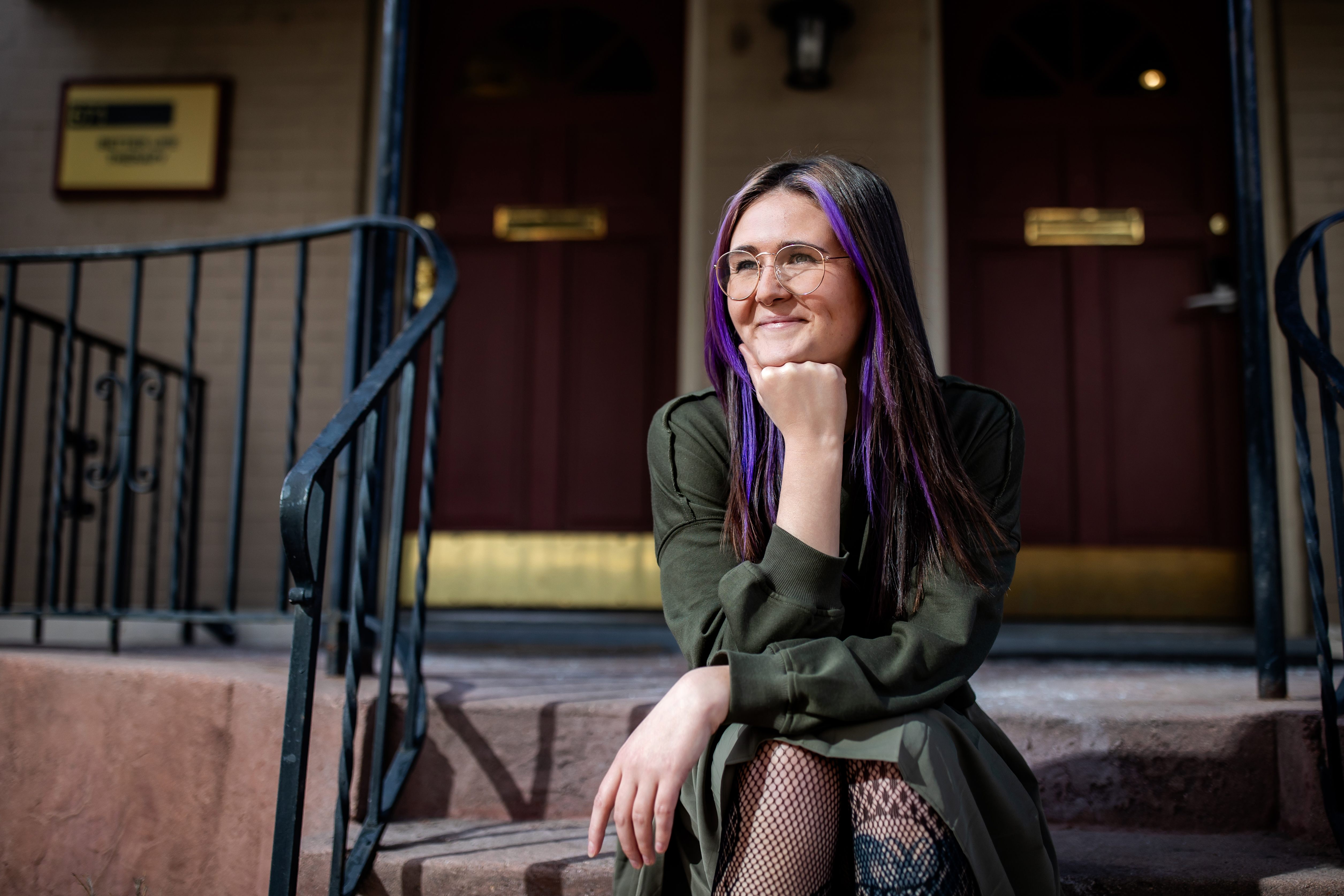
In just one semester, six Health Scholars served 242 clients and provided 1,858 hours of care, including support for 130 BIPOC clients. All participants were offered employment upon graduation, most at their internship sites. The cohort reflects the diversity present across many Denver communities — bilingual students, first-generation college students, LGBTQIA+ students and students of color — and many describe the program as a “game changer” that made it possible to stay in school and support themselves. We estimate that after graduation, the Health Scholars from just two years of programming will serve over 7,100 clients annually.
This program is one solution, not the solution.
Building the right workforce takes time, sustained encouragement, and community backing. And as long as the clinical workforce remains constrained, non-clinical supports become even more critical. Denver’s population needs multiple access points of support, including peer specialists, school-based services, crisis care, health educators, and community advocates. These roles are most effective when they work in tandem with a growing clinical pipeline.
As a city and state, we have invested resources (like the Caring for Denver Foundation), elevated mental health as a priority, and built new structures to support care. But direct services workforce development requires ongoing commitment. It requires investing in people, not just programs.
If we want a healthier Denver and a stronger Colorado, we must continue to listen to the communities we are serving and show up for the workforce behind behavioral health in all its forms. We all must pay attention to what is happening at the state and local level around mental health and substance misuse and stay engaged with the conversation.
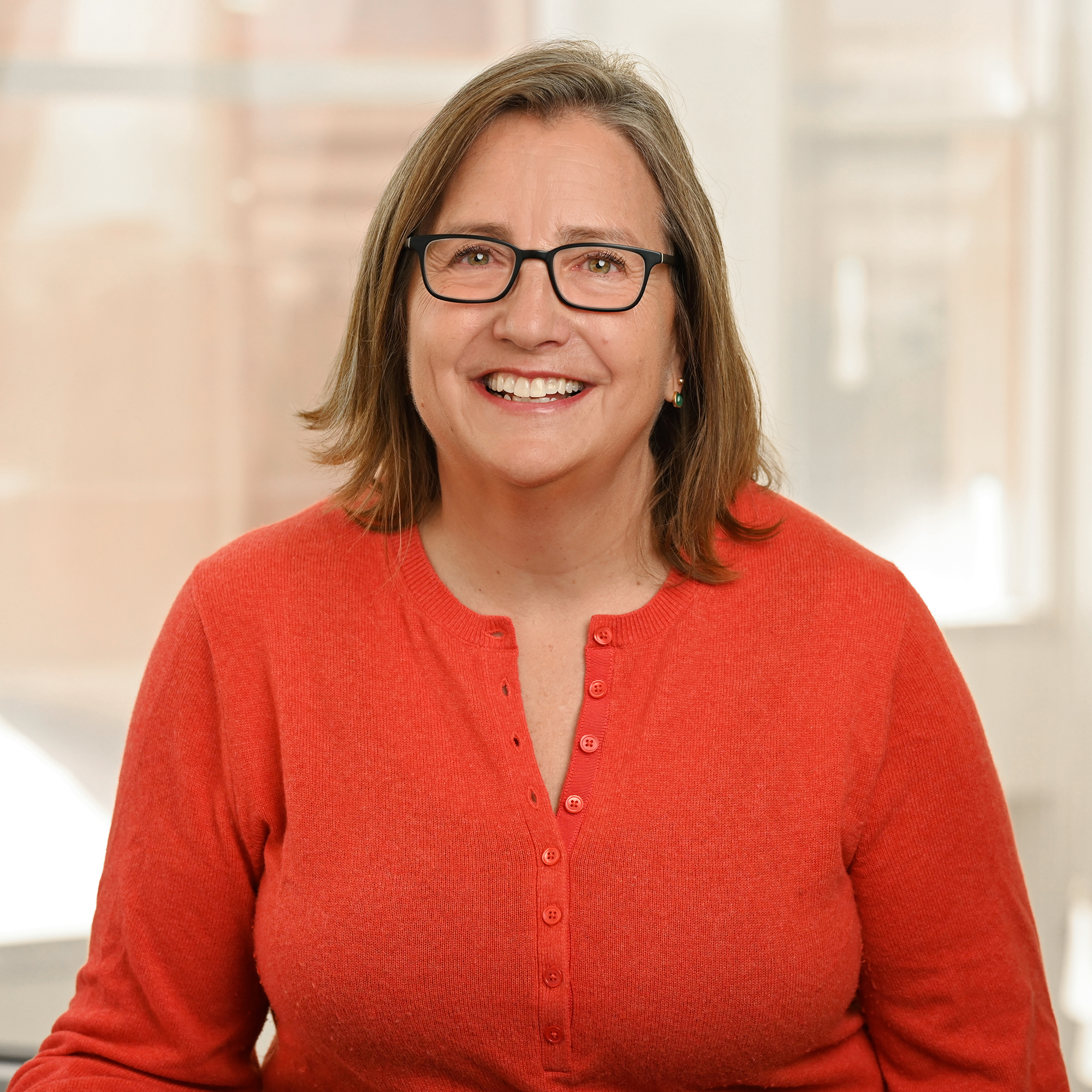
Lorez Meinhold is the executive director of Caring for Denver Foundation, and Dr. Jo Daugherty Bailey is the associate dean at the College of Health and Human Sciences at Metropolitan State University of Denver and the principal for the Building Denver’s Mental Health Workforce program. Learn more about who Caring for Denver Foundation funds at www.caring4denver.org.
On weekends, westword.com publishes opinions and commentaries on matters of interest to the Denver community. Have one you’d like to submit? Send it to editorial@westword.com, where you can also comment on this piece.