
Shin Arunrugstichai

Audio By Carbonatix
Colorado is a beautiful place to live, work and farm. From Boulder’s city gardens to the open fields of the Eastern Plains, we care about clean water and healthy soil. But there’s a pesticide practice happening in our fields that many people, even those who care about the land, don’t know about.
Most agriculture seed in Colorado is sold already coated with systemic insecticides, even though there’s little proof that this helps. In fact, nearly all corn, soybean, and wheat seeds planted in Colorado each year come pretreated with these chemicals, regardless of whether pest levels justify it. That’s why I support the SEED Act, a law that would base seed treatment decisions on actual pest risk instead of default packaging.
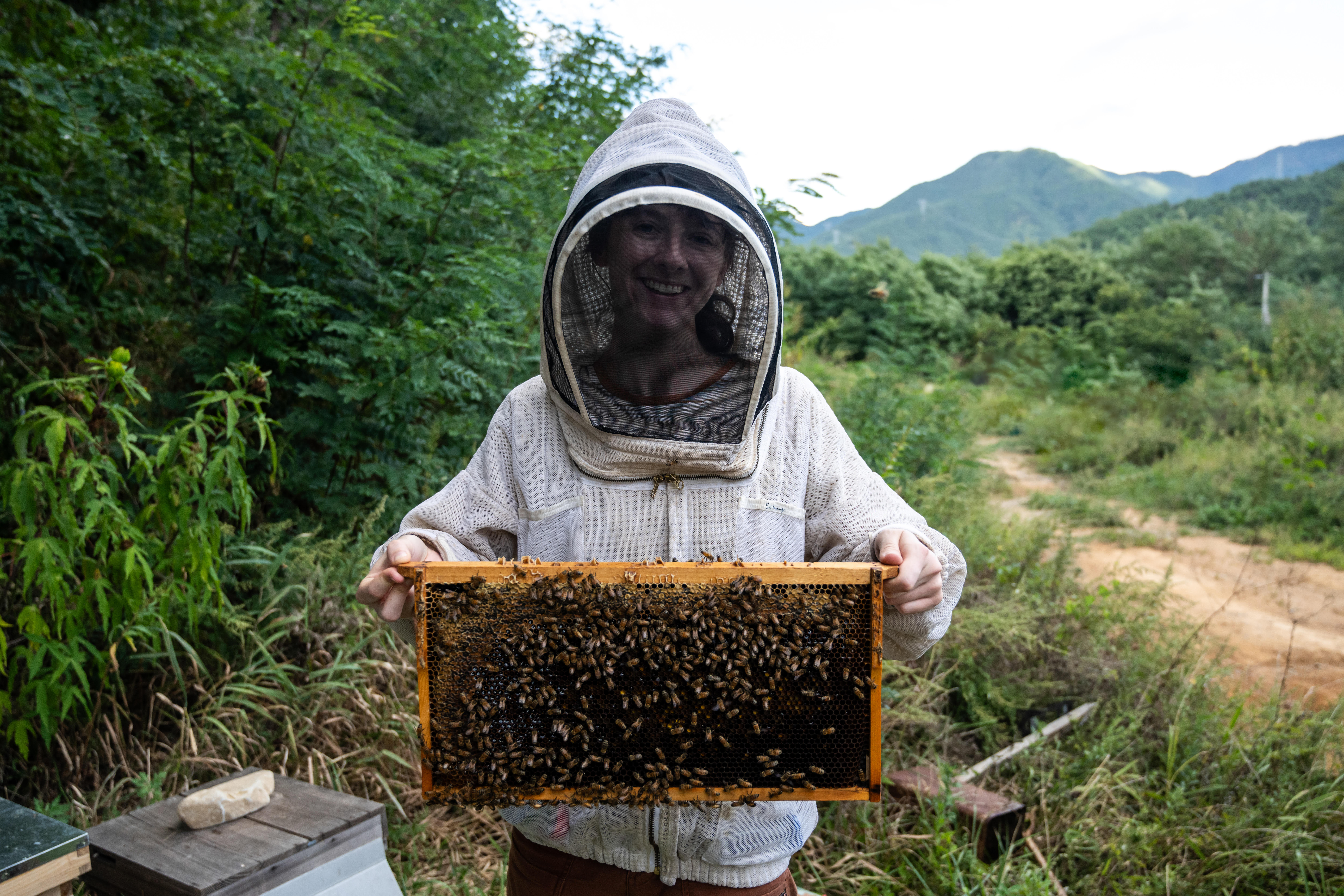
I have a Ph.D. in entomology. I spent three years at the Boulder Bee Lab studying honey bees, and now I work at the Xerces Society, which focuses on protecting invertebrates and their ecosystems. I’ve seen what unnecessary pesticide exposure does to bees and other important pollinators.
Farmers usually have to buy seeds that are already treated with neonicotinoid insecticides. These chemicals move through the plant’s tissues, including the fruit, pollen and nectar. This means people and insects are exposed to these chemicals even if nothing is sprayed on the field.
Since these treatments happen before planting, they aren’t always tracked or checked like other pesticide uses. This means a seed can quietly add toxic chemicals to the environment even when it isn’t needed.
Pesticide companies often say treated seeds protect crops and increase yields. But research shows that for many common crops, especially when there aren’t many pests, these treatments don’t really help yields. For example, a large study by the EPA found that neonicotinoid seed treatments provided “no significant overall yield benefit” in most cases for soybeans when pest pressure was low. So farmers pay more for something that doesn’t improve their profits, and the chemicals still end up in the environment.
This doesn’t make sense financially, and it isn’t good for the land.
Many people think of pesticides as sprays, but seed coatings work differently. Although the chemical is distributed throughout the plant as it grows, most of it washes into the soil and water, or is carried away in dust during planting. The Front Range, including Boulder County, gets water from mountain snow and rivers that pass through farmland. So these chemicals can travel.
Pollinators like native bees and butterflies, which are important for local gardens and landscapes, are especially at risk. Flies, beetles and aquatic insects, which are key for food webs in Boulder’s creeks and reservoirs, are also affected. These insects help keep our ecosystems healthy.
The SEED Act is a proposed law currently pending in the Colorado Legislature. It would ensure seed treatments are used only when there’s a real, proven need, based on pest problems and expert advice. It would let farmers choose untreated seed when treatment isn’t needed. It would also reduce unnecessary pesticide use in Colorado. If you want to help, you can contact your state lawmakers and urge them to support the SEED Act. This is how we take care of our health and our environment.
Farmers should have tools that really solve problems. They also deserve a system that doesn’t push them into using chemicals they didn’t choose or need. Everyone in Colorado deserves to know how pesticides are getting into our environment.
In Boulder County, we value sustainability, pollinator gardens, saving water and local food. But these are values shared by people across Colorado, from mountain towns to the plains and our cities. Supporting the SEED Act fits these statewide values. It would make pesticide use more targeted and evidence-based.
Colorado can set an example for other states that use neonicotinoid-coated seeds. Pesticide use should be a careful choice, not the standard practice.
Let’s make sure our seeds grow healthy food and ecosystems, not add unnecessary chemicals.