
WaterCourse Foods

Audio By Carbonatix
Metro Denver restaurateurs face numerous challenges, including high rent, high wages and high prices for critical ingredients. Now the Colorado Legislature could take a bite out of one more cost: charges for credit-card use, the focus of the Swipe Fee Relief Act.
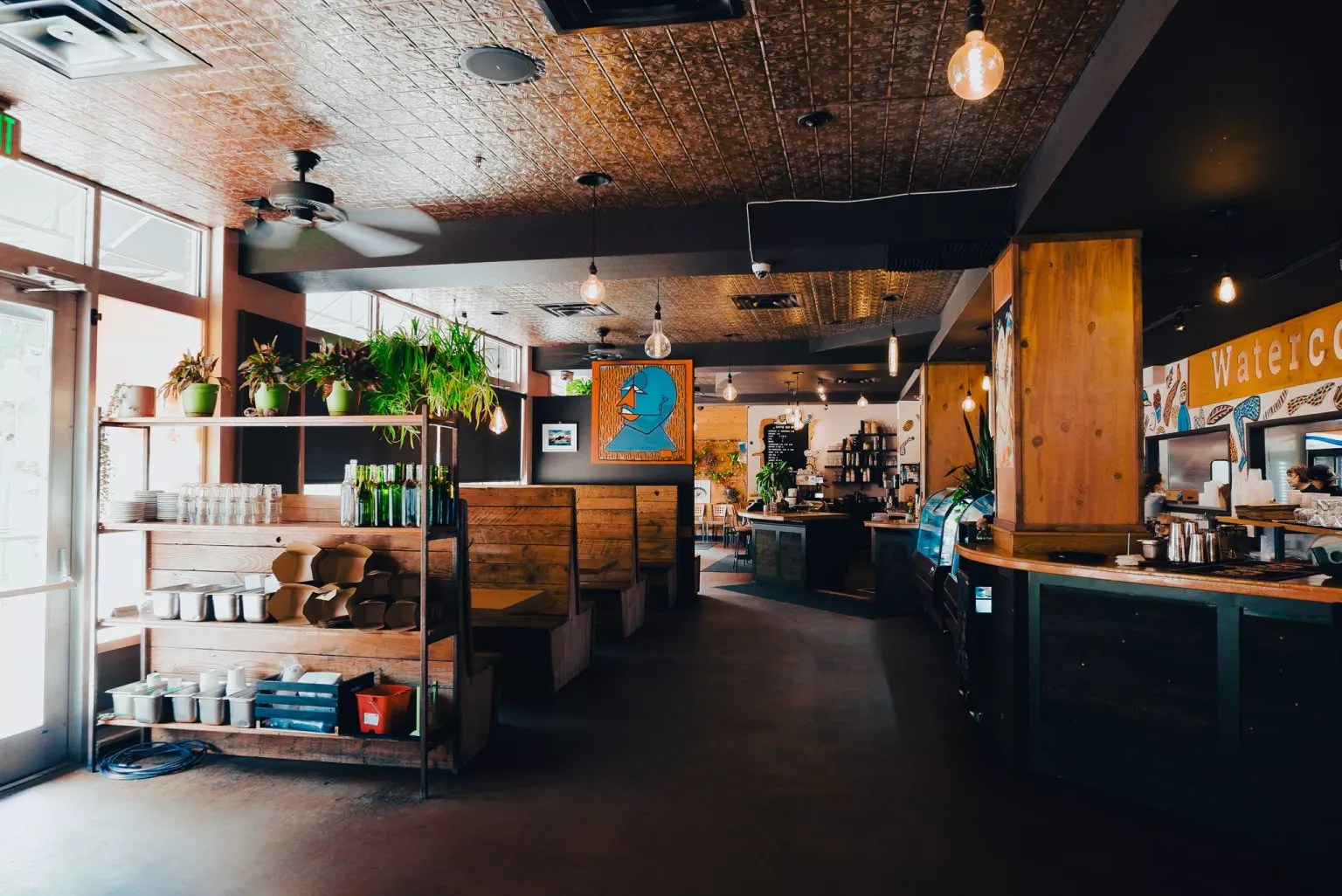
In an argument for the proposal, Lauren Roberts, co-owner of WaterCourse Foods and City, O’ City, writes: “One major expense that’s quietly draining local businesses is credit-card swipe fees, the charges that Visa and Mastercard take from every transaction made at my restaurants. Over time, these fees have grown into one of our largest operating costs, after payroll and rent. My businesses pay around $137,000 annually just on those fees, and unlike other expenses, we have no ability to negotiate them. The rates are set by massive financial corporations, and small businesses like mine are forced to absorb them.”
Senate Bill 26-134 made it out of committee this week. “Credit card companies don’t need this money,” Roberts concludes. “Independent restaurants, local retailers and Colorado workers do.” In their comments on the Westword Facebook post of her piece, though, readers make it clear that the fight has just begun. Says Jeremy:
Fees and overhead. Until you own a place and pay thousands a year for processing it’s hard to understand.
Adds Jason:
The cash service from the banks and breakage associated with cash was probably always bigger than 3 percent but now that almost no one uses cash, the credit card fees are the obvious target.
Comments Christian:
It’s a cost of doing business; price it into the cost of items and services. It’s obviously not going away. I can’t remember the last time I paid for anything with cash. I certainly understand if something is going to cost more because of a credit card fee. There are restaurants that break it off badly, though, and start charging a 5 percent fee. That’s ridiculous.
Responds Alan:
Cost of doing business, not my problem. Try to pass it along to me and I won’t be back.
Adds Sarah:
Just pass it on to the consumer! That seems to be the answer to everything these days.
Wonders Amber:
We tried to use cash but were taught not all places accept cash anymore, so we’d been taught to only use credit cards?
Replies Kate:
It’s hard because consumers are also suffering and an upside to credit cards are miles and points.
Offers Kat:
I can tell you we’re not eating out as much because of the extra fees tacked onto restaurant bills. There’s a great grilled cheese place near our home, and for two of us to get counter service with two sandwiches, an order of tots, and two canned cokes with tip is $65. That’s not even with a waiter or waitress. The end result is I googled how to make a grilled cheese sandwich, and we now eat at home.
The restaurant has a tip screen that starts at 22 percent, and there’s no easy way to bypass it. We’re exhausted by tipping, and it’s affecting how much we eat out. And we are generous tippers…it’s just gotten out of hand.
Concludes Nick:
This is a performative and useless virtue signal that doesn’t solve the main problem. Permitting, Energize Denver mandates, sky high minimum wages, lack of downtown safety and taxes are destroying the restaurant industry. Other cities have bounced back post pandemic and Denver hasn’t. This is a policy issue, not a credit card fee issue.
What do you think of the proposal regarding swipe fees? Are added fees and surcharges keeping you from restaurants? Post a comment or share your thoughts at editorial@westword.com.