
The Studio Iowa

Audio By Carbonatix
It is time we move past comfortable conversations and have a direct, urgent discussion on impaired driving and the root of the issue: personal responsibility, especially for those of us who live and drive right here in Colorado.
As we focus on December’s National Impaired Driving Prevention Month, we all have a role to play, now and always.
As an expert in personal-safety technology, I know that even the most effective tools, from public service campaigns to advanced monitoring devices, are only as effective as the commitment we give to them. Awareness campaigns like Drive Sober or Get Pulled Over are vital for public consciousness, but the ultimate decision is up to us to own it.
Own what, exactly? The unavoidable responsibility of getting behind the wheel.
The crisis hits home with an unacceptable cost to Denver and Colorado. The statistics from 2023 should serve as a wake-up call. Across Colorado, we tragically lost 218 lives to impaired driving crashes, a figure that represents a shocking 30 percent of all traffic deaths in the state. Denver County alone had 21 fatalities involving an impaired driver in 2023, a total that placed us among the top counties in the state for this horrific indicator.
We cannot accept this level of preventable loss on our roads as a cost of living.
The problem is particularly severe among our youth: 240 young drivers were involved in DUI crashes across Colorado just during the summer months of 2023, shattering futures and tearing apart our families. Furthermore, impaired driving is compounded by polydrug use. Analysis of local cases found that 75 percent of individuals who tested positive for THC also had another substance present, with alcohol being the most common co-occurring drug. Additionally, combining cannabis and alcohol can increase the risk of a fatal crash by up to forty times.
Serving as a tragic reminder of this crisis, the devastating consequences of impaired driving by high schoolers have recently made headlines right here in our community.
In the Denver area, a teen was sentenced to work release for a deadly DUI crash that occurred on prom night, resulting in the deaths of a Lyft driver and a passenger. This case prompted the Boulder District Attorney’s office to investigate and prosecute adults involved in facilitating the underage drinking.
Historically, we have relied on the presence of law enforcement as a critical deterrent. We believe the slogan “Drive Sober or Get Pulled Over.” But we must acknowledge that we cannot arrest our way out of this problem. According to the CDC, the average drunk driver has made eighty trips before their first arrest.
The reality is that arrest volume is down in many jurisdictions due to ongoing staffing crises, including the lack of sworn officers, massive difficulties in recruitment, training gaps for the complex detection and processing of DUIs, and financial strains from underfunding.
Consequently, law enforcement is often forced into a posture of reactive policing; it is primarily able to respond to high-priority calls and emergencies, rather than conducting proactive traffic and impaired driving enforcement.
This harsh truth makes personal responsibility not just advisable, but absolutely critical. We must accept that if the dedication of patrol resources cannot solely be counted on to stop a bad choice, the decision to drive sober must be a deeply ingrained, non-negotiable personal standard made long before getting behind the wheel.
Taking ownership in Colorado means a call to action for our local communities. I’m talking to the parent, the guardian, the caretaker, the partner, the coach, the family advisor and to every other person who influences a loved one. While the work of local authorities is vital, what matters is that we shift our current thinking around this life-or-death issue toward proactive accountability.
It’s up to us to set our own zero-tolerance standards in our homes.
Have honest, consequence-focused discussions with loved ones about the risks. Participation in community programs is another vital step; for instance, you can join MADD’s Tie One On for Safety by tying a red ribbon on your vehicle as a daily reminder to drive sober.
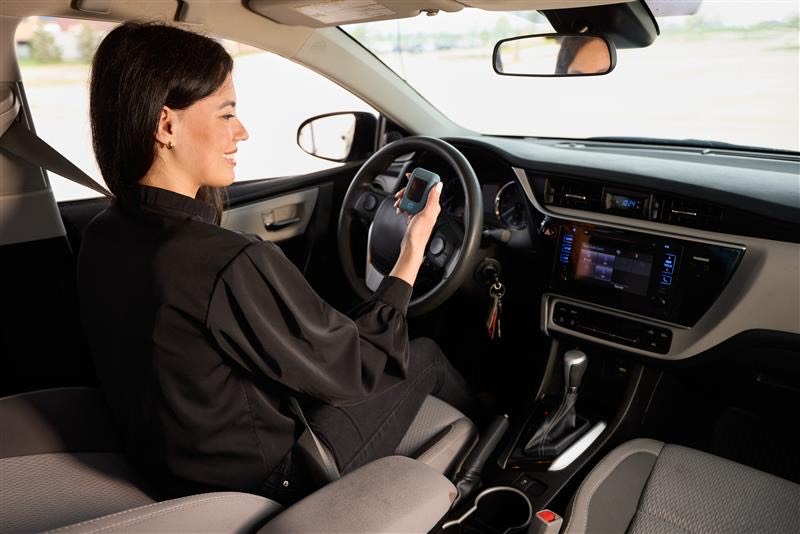
You can also take decisive action and adopt cutting-edge technology and tools to bring data, metrics and physical barriers to this issue. One critical example is Keeper Drive, which pairs with a breathalyzer. These devices are no longer just for mandated offenders; they are proactive accountability tools.
These tools allow Colorado families to ultimately take responsibility into their own hands: for themselves, for their teens or for their family by ensuring they make smart, safe choices behind the wheel.
The increased number of holiday parties heightens the risk of impaired driving, which remains a leading cause of traffic fatalities, killing 34 people daily in the U.S. Our community’s safety depends on responsible family decisions.
It’s time to own it.