
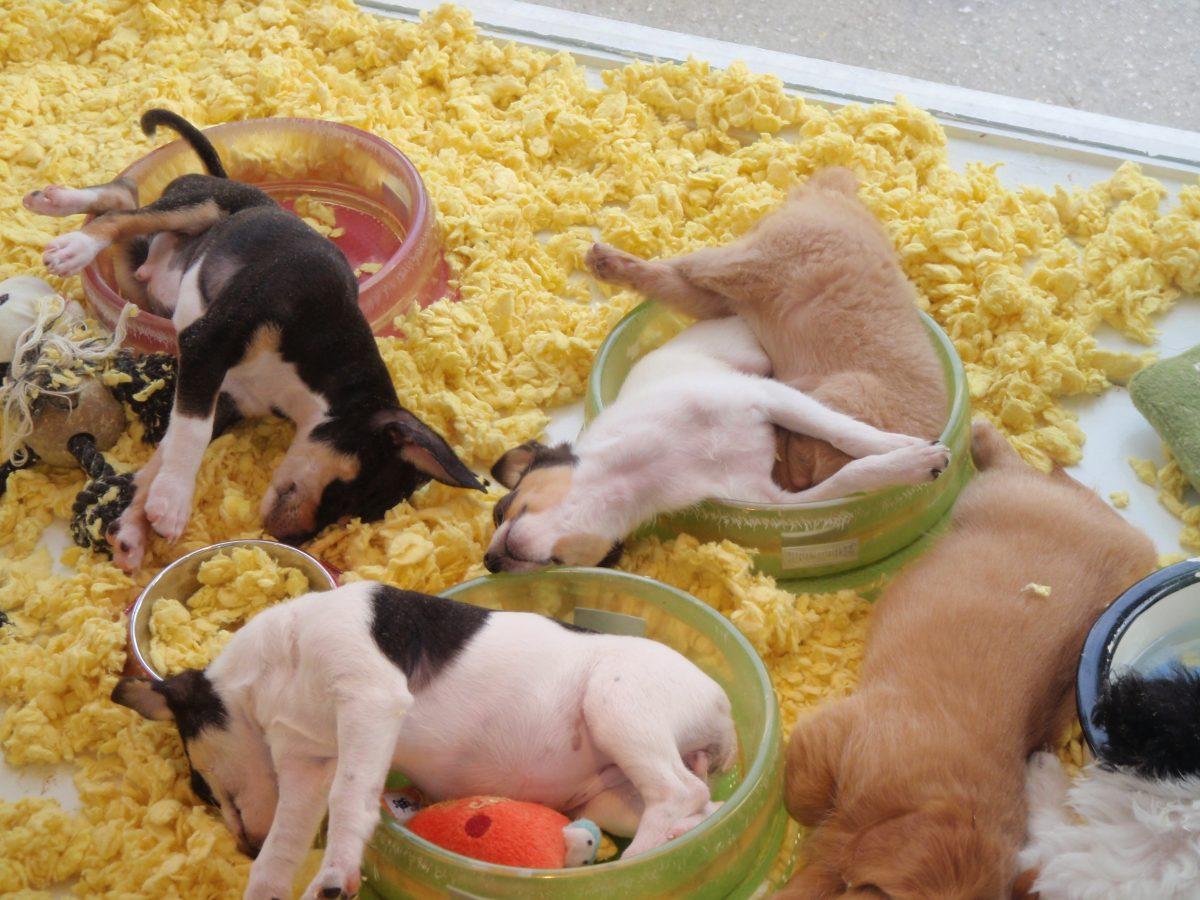
jessiesgirl614/Flickr

Audio By Carbonatix
Advertising Can't Do It Alone
The challenges facing local news organizations are very real. That's why reader support matters more than ever. If you believe independent journalism matters, make a contribution today and help us reach our summer fundraising goal of $25,000 by August 9.
It’s about to get ruff for pet retailers in Colorado.
A bill to prohibit pet stores from selling dogs and cats cleared its last major vote on Monday, March 30, passing the Senate 19-16. The proposal will now return to the House of Representatives for approval of an amendment that pushes back the bill’s implementation date by one year. If approved, the measure will then go to Governor Jared Polis for final consideration, and take effect on January 1, 2028, if Polis signs it into law.
The proposed ban comes as animal shelters across Colorado are experiencing overcrowding and record rates of owner surrenders. More than 2,800 pets were left at the Denver Animal Shelter by their owners last year — a 236 percent increase from just five years ago, and a 278 percent increase from the record low in 2016.
“This bill is about trying to make sure that the dogs and cats in our state have homes,” state Senator Dylan Roberts, a sponsor of House Bill 26-1011, said during the Senate debate. “One of the reasons why we have an overpopulation issue is because of the direct sale of puppies at retail stores. Those puppies are primarily sourced from what you would know to be a puppy mill.”
Pet stores typically receive animals from high-volume commercial breeders. This system can be exploited by inhumane breeding mills, which use the stores as middlemen to sell animals without having to reveal their poor living conditions to customers. Supporters of HB 1011 argue that banning dog and cat sales in pet stores would cut off demand for these breeding mills in Colorado.
Seven other states have passed similar statewide prohibitions on retail pet sales, as have over two dozen Colorado cities, including Aurora, Fort Collins and, most recently, Denver.
“As a veterinarian, I’ve been a direct witness to the consequences of the puppy mill supply of dogs across multiple states,” state Representative Karen McCormick, another sponsor, told Westword in January. “Too often, these dogs deal with physical and behavioral health issues due to the poor and inhumane breeding practices of puppy mills. The unsuspecting people who purchase these dogs then carry an unfair financial burden of treating these issues.”
Last July, more than 250 dogs and cats were rescued from an alleged breeding mill in western Colorado. Many of the animals allegedly required critical medical treatment and had painfully matted coats. In September, a Commerce City dog breeder was charged with animal cruelty after 31 dogs and puppies were found living in “deplorable” conditions, and at least one dog was killed during an unlicensed veterinary procedure by the breeder.
When Denver City Council banned pet stores from selling dogs and cats in September, city officials said they were inspired by the news that Petland, a controversial national pet-store chain, is considering opening a shop in Colorado and has already purchased a domain name for the location. The chain has been accused of selling sick animals and having ties to puppy mills.

meddygarnet/Flickr
The enactment of HB 1011 would all but shut operations like Petland out of the state. But the prohibition would also affect smaller, local pet shops.
Owners, employees and customers of those local shops testified against the bill during a committee hearing on March 24. According to state legislators, only six or seven pet stores in Colorado currently sell dogs or cats.
“This bill will deeply and unfairly impact our business and the dedicated employees who rely on us for their livelihoods,” said Margaret Richards, owner of Pet Paradise, which has operated in Pueblo since 1974. “You do not survive five decades in this industry by doing things the wrong way. …If we sold sick animals, we would not have been in business for 52 weeks, let alone 52 years.”
Critics argue that banning retail pet sales would lead to a surge in black-market sales. They point to a 2024 L.A. Times investigation, which found that California’s statewide law barring pet stores from selling dogs drove “the puppy trade further underground,” replacing pet stores with a “network of resellers — including ex-cons and schemers.”
Within the legislature, some opponents contended that pet stores shouldn’t be held responsible for the actions of puppy mills.
“If we can go after a legitimate business that has done everything correctly, even if it has to do with pet stores, what kind of business is going to be next?” asked Senator Larry Liston during the Senate debate. “They’re going to say, ‘Well, gosh, we did it with pet stores, so we can now do it with — geez, what a coincidence — we can now do it with firearms dealers. That’s really the ultimate aim of some of this legislation.”
Proponents argued that sourcing animals from puppy mills is not a victimless crime. Fort Collins resident Cara Thorsen testified that she turned to animal activism after buying a dog from a pet store that turned out to be sick.
“I started looking into this issue after seeing families share the same story,” Thorsen said. “What I found wasn’t just a few bad experiences, it was a clear and consistent pattern of consumer fraud. Customers were told their puppies were healthy and came from local breeders, but after purchase, many were diagnosed with serious illnesses. Families faced emergency vet visits and, in some cases, losing a pet.”
Duped pet buyers joined independent dog breeders, animal rescue operators and pet store owners who don’t sell animals in backing the bill.
The proposed ban would not impact the operations of animal rescues, shelters, or breeders that sell directly to customers. Pet owners would still be able to sell their dog or cat to a new owner, but they could not sell a pet more than three times per year, according to the bill. The ban also contains exemptions for the sale of law enforcement animals, service animals and hunting dogs.
Once the bill is sent to Polis, the governor will have ten days to sign, veto or let the policy become law.