Catie Cheshire

Audio By Carbonatix
Denver park rangers issued 686 tickets for off-leash dogs from January through October 2025, making it the most common citation in the city’s parks behind parking violations. That number only tells part of the story. According to the Insurance Information Institute, U.S. insurers paid out $1.86 billion in dog-related injury claims in 2025, with the number of claims rising more than 25 percent in one year. Nationally, the cost of dog bite injuries has climbed nearly 97 percent over the past decade.
As off-leash culture becomes more common across Colorado’s parks and trails, the broader picture becomes harder to ignore: more dogs are running loose, and more people are getting hurt. Most dog owners involved are well-meaning people who believe their pet won’t cause harm. And often, they’re right. But when they’re wrong, the consequences can be severe, and often the people on the receiving end don’t know their rights or where to turn.
Colorado’s Leash Laws Are More Local Than Most People Realize
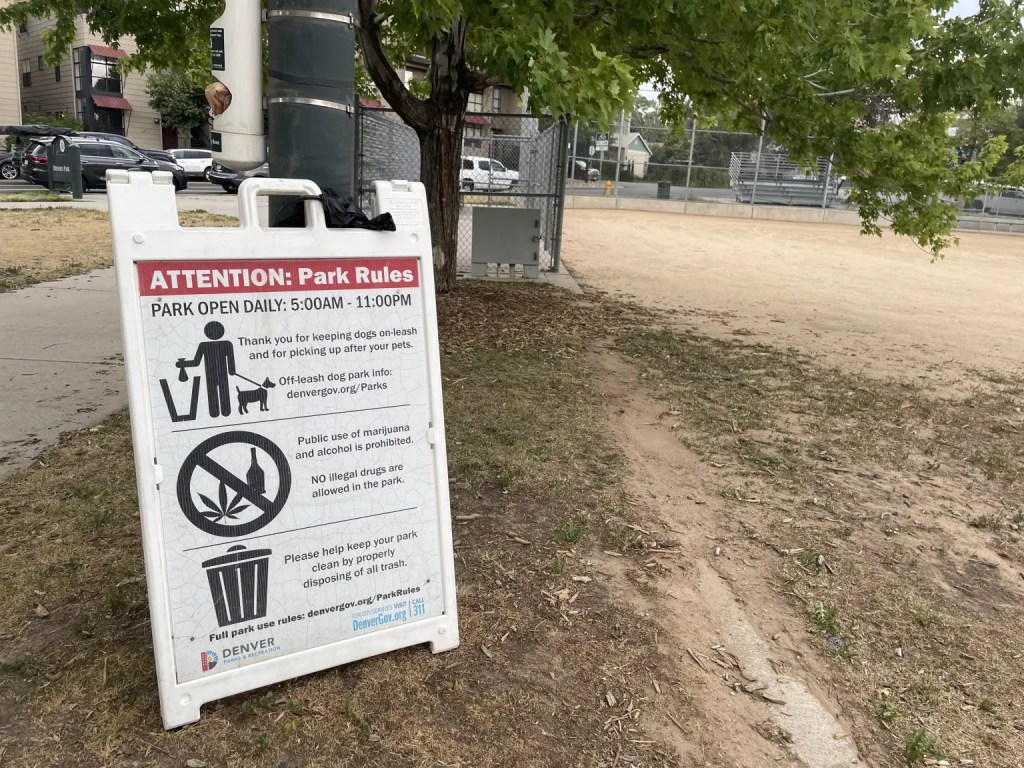
Unlike some states, Colorado doesn’t have a universal leash law. Regulations are set by each city, which can be confusing for both residents and visitors. In Denver, the municipal code prohibits dogs from running at large and requires them to be leashed in public spaces. Off-leash access is permitted only in fenced dog parks, and owners must leash their dogs when entering or exiting those areas. Fines for violations can range from $100 to $999 for repeat offenses.
Because of the patchwork nature of these laws, a dog owner in one area may have a different understanding of the rules than someone a few miles away.
When an Injury Happens, Colorado Law Is Clear
Under Colorado’s dog bite statute, owners are strictly liable for serious bite injuries. This standard applies even if the dog has no history of aggression and the owner had no reason to expect the bite. If the injury involves broken bones, permanent disfigurement, organ damage, or poses a risk of death, the owner is legally responsible.
For less severe incidents, victims may still have a case under general negligence principles, particularly if the owner was violating a leash law at the time. While exceptions do exist – provocation and trespassing being the most common – they’re rare and can be difficult for owners to establish.
A dog breed may also affect how these cases unfold. For example, bites from larger, more powerful breeds tend to result in more serious injuries, which will affect medical costs, recovery timelines, and insurers’ responses to claims.
Catie Cheshire
What Can Happen in Off-Leash Spaces
Even in designated off-leash areas, the rules do not disappear. Denver requires dogs in these areas to be vaccinated and spayed or neutered, that owners maintain control at all times, and that owners take responsibility for any injury or damage.
Off-leash advocates make reasonable points about the benefits of letting dogs run freely and socialize. Groups like Freedom for Fidos have pushed for expanded off-leash hours in public parks, and there’s still support for those ideas. The question, however, isn’t really whether dogs should have space to run. Rather, it’s about creating a space that doesn’t shift risk onto people who didn’t choose to be part of the equation.
Each community has its own approach. Boulder’s Voice and Sight Control program permits off-leash access in certain areas for dogs that reliably respond to voice commands. Other cities use time-based models, designating early-morning or late-evening windows for off-leash use. These models acknowledge both sides of the conversation without ignoring the safety concerns.
The Cost of a Dog Bite
Dog bites carry consequences beyond the initial injury. Emergency care, possible surgeries, lasting anxiety, and insurance are all part of the larger costs victims face. Children and older adults are among the most vulnerable: children because of their size and unpredictable movements, older adults because a knock-down alone, even without a bite, can result in a serious injury.
Also, many off-leash incidents go unreported for several reasons. A victim may feel uncertain about what actually happened, unsure how to track down the owners, or hesitant to make something of it. That reluctance is understandable, but it also means that people sometimes walk away from injuries they had every right to pursue.
If you’ve been injured by a dog, on or off leash, Colorado law may entitle you to compensation. Documenting what happened, obtaining the owner’s contact information (if possible), seeking medical attention, and reporting through Denver’s 311 system are all steps that matter early on.
A Balance That Works for Everyone
Denver and other communities in Colorado have room to explore approaches that work best for either side. Pilot programs testing off-leash zones, clearer signage, continued investment in fenced dog parks, and community education around existing laws are all reasonable places to start. Enforcement paired with education tends to go further than either alone.
The goal isn’t to make parks less dog-friendly. It’s to ensure that shared spaces stay shared and that people who are injured know they have options.
Westword.com frequently publishes commentaries and opinion pieces on matters of interest to the Denver community. Have one you’d like to submit? Send it to editorial@westword.com, where you can also comment on this article.