Denon Moore, Colfax Ave BID

Audio By Carbonatix
Independent Journalism in Denver Needs You
We need to raise $25,000 by August 9 to support the reporting our community depends on. Reader support keeps us independent and is playing a larger role in funding local journalism and shaping what comes next. If you believe independent local journalism matters, make a contribution today.
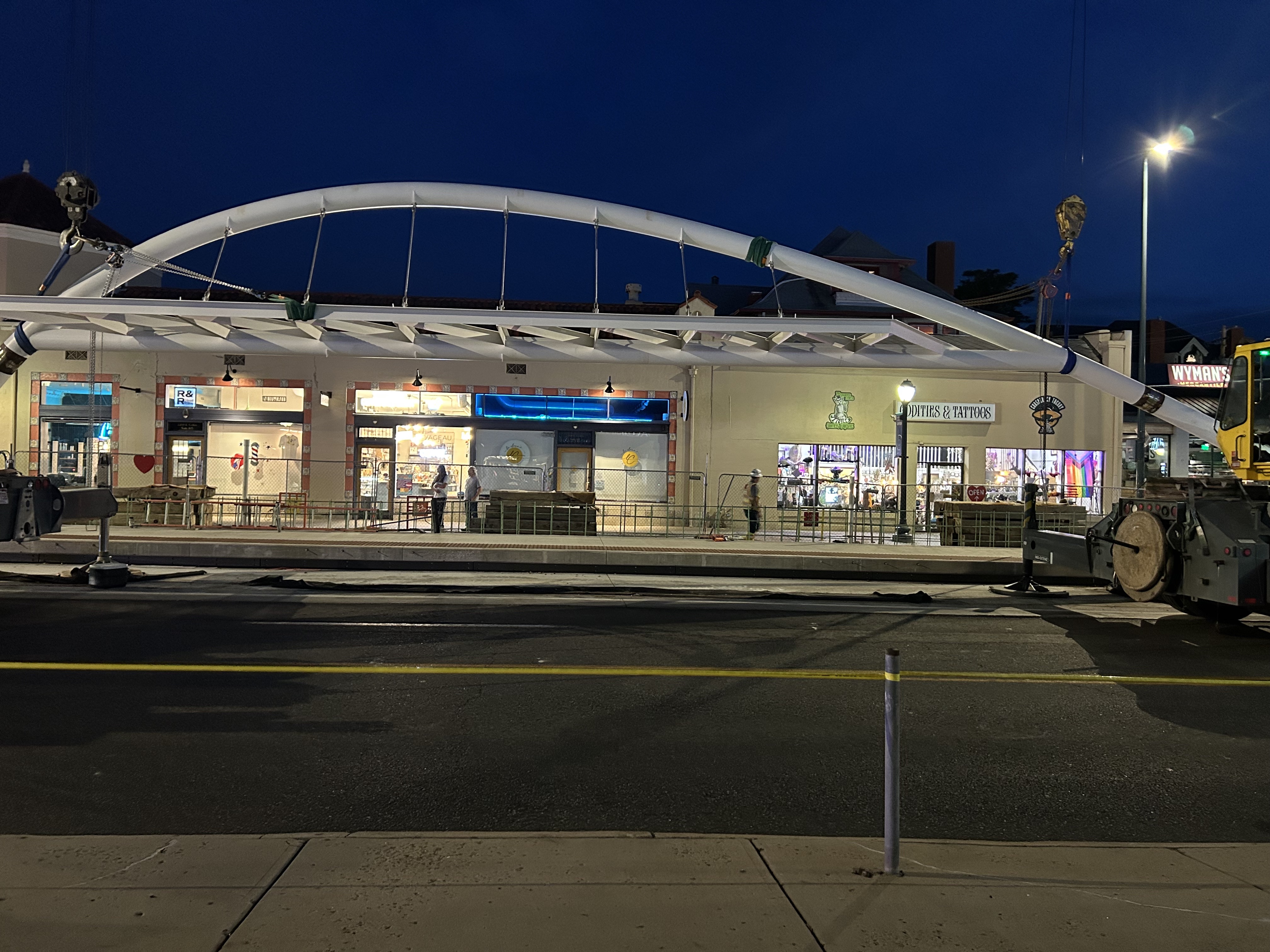
Anytime the topic of Colfax Bus Rapid Transit (BRT) comes up in Denver, inevitably someone laments the “devastating” impact on local businesses. While construction impacts are a fair concern, misinformation on this topic abounds, and is causing real harm.
Major public works projects can cause significant, temporary disruption to nearby businesses, whether we’re upgrading transit, replacing utilities or expanding roads. In fact, the U.S. has a long history of displacing both businesses and homes in pursuit of continually expanding our nation’s highway network. Just recently, the Colorado Department of Transportation demolished 17 businesses and 56 homes, mostly in Denver’s Elyria-Swansea neighborhood, in order to widen I-70 from 6 to 10 lanes.
By contrast, no businesses or homes were bulldozed to make way for the Colfax BRT project. And while some businesses have reported revenue drops of 20 percent or more during construction, the broader picture tells a different story. Along the 1.5-mile stretch of Colfax from Grant Street to Josephine Street, storefront occupancy was 81 percent before construction began in October 2024. By April 2026, it had risen to 84 percent. You read that right: More spaces are filled now than before construction started.
Even more telling, several of the new businesses were opened by owners already located on Colfax. That’s not retreat, that’s reinvestment that reflects a faith in the future of Colfax. At least one new business chose the corridor specifically because BRT will make it easier for employees to get to work. The narrative of collapse doesn’t match what’s actually happening on the ground.
And the long-term economic outlook is even stronger. Transit improvements increase foot traffic, expand access to customers and workers, and attract new housing and commercial investment. Studies of BRT systems show they spur development, support higher-wage jobs, and help corridors recover more quickly from economic downturns. Streetscape improvements that are also part of the Colfax BRT, including safer crossings, better sidewalks and more inviting public spaces, are also proven drivers of retail success. Put simply: Construction is temporary, the benefits are durable.
Those benefits extend well beyond individual businesses. Projects like the Colfax BRT reduce air pollution and greenhouse gas emissions, lower household transportation costs, and improve safety by cutting traffic deaths and serious injuries. They also expand access to jobs and services, especially for people who can’t or don’t drive, while allowing Denver to grow without adding more traffic.
That’s why it’s shortsighted to let temporary construction impacts stall future transit projects, including planned BRT corridors on Federal and Colorado boulevards. These investments are most powerful when they connect into a network — giving people real, reliable alternatives to driving and multiplying the economic benefits across the city.
Concern for small businesses during construction is valid, and solvable. Denver already has a model: the 1% for Public Art program, which dedicates a portion of major capital project budgets to public art. Since 1991, the program has funded hundreds of art installations that enhance community identity, support artists, and contribute to Denver’s economic vitality. We should apply that same idea to business support.
A small set-aside from major infrastructure budgets could fund grants, low-interest loans, tax relief, and targeted marketing to help businesses weather construction. This wouldn’t just help individual businesses survive, it would build broader support for the infrastructure projects Denver needs to stay competitive and livable. If we can consistently invest in art to enrich our public spaces, we can invest in the small businesses that give those spaces life.
The choice isn’t between supporting businesses and building better transit. We can, and should, do both. What Denver needs now isn’t hesitation. We need leadership that acknowledges short-term challenges, addresses them directly, and keeps our city moving forward, not stagnating.
Westword.com frequently publishes opinion pieces and commentaries on matters of interest to the Denver community; the opinions presented belong solely to the authors, not Westword. Have one you’d like to submit? Send it to editorial@westword.com, where you can also comment on this.
