Semiprecious

Audio By Carbonatix
Tomatoes. Sour cream and onion. Borscht. These are not typically seen as cocktail ingredients.
But in many of the more innovative bars across Denver, these and other savory items are creeping onto drink menus, as bartenders push the boundaries of flavor and science to transform the traditional notion of what a cocktail can be.
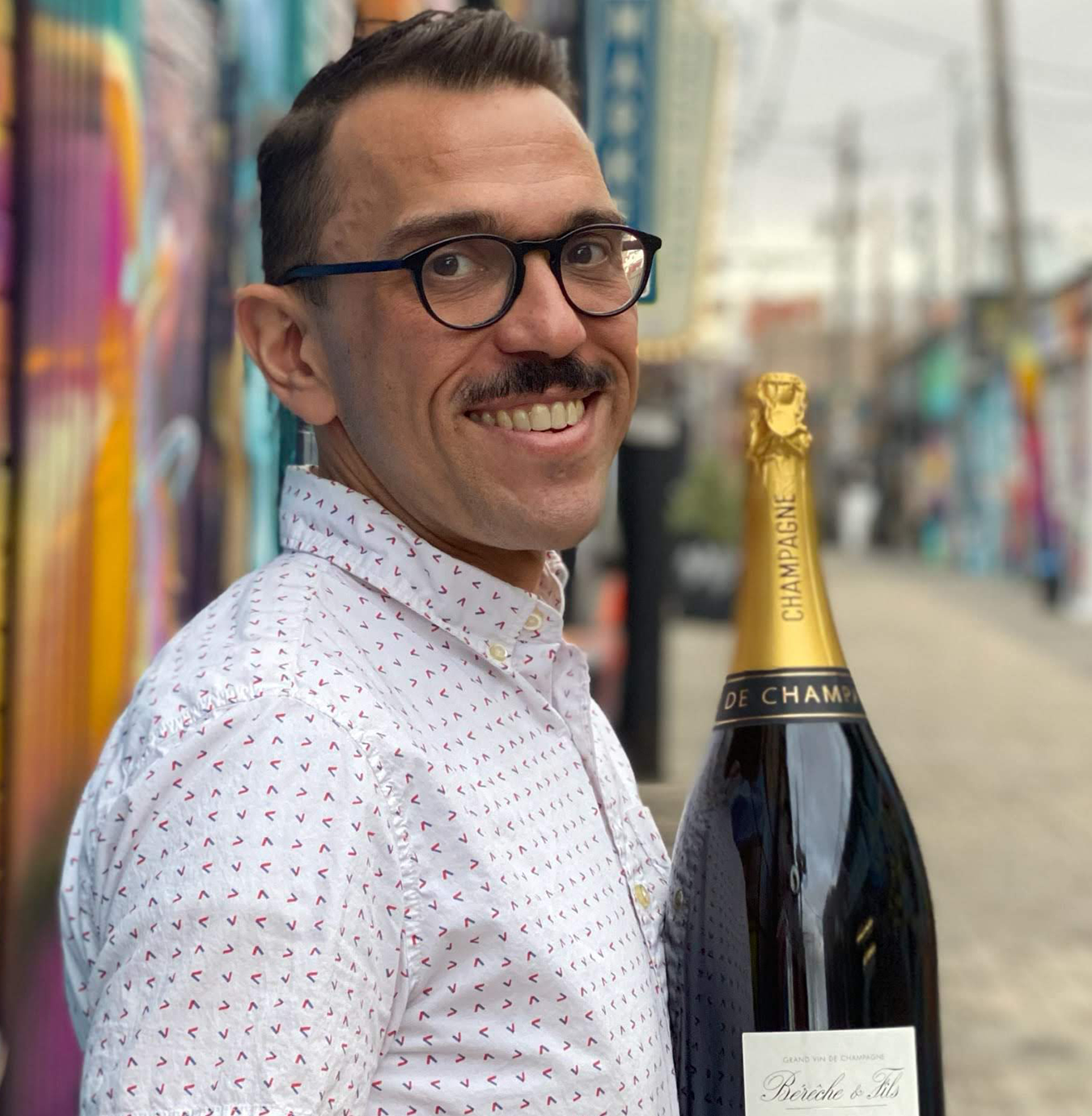
“I think at a fundamental level, people love salt,” says Nik Sparks, general manager at Semiprecious, the Sunnyside cocktail haven that offers a long list of savory cocktails. “People love salinity. They love a savory profile.”
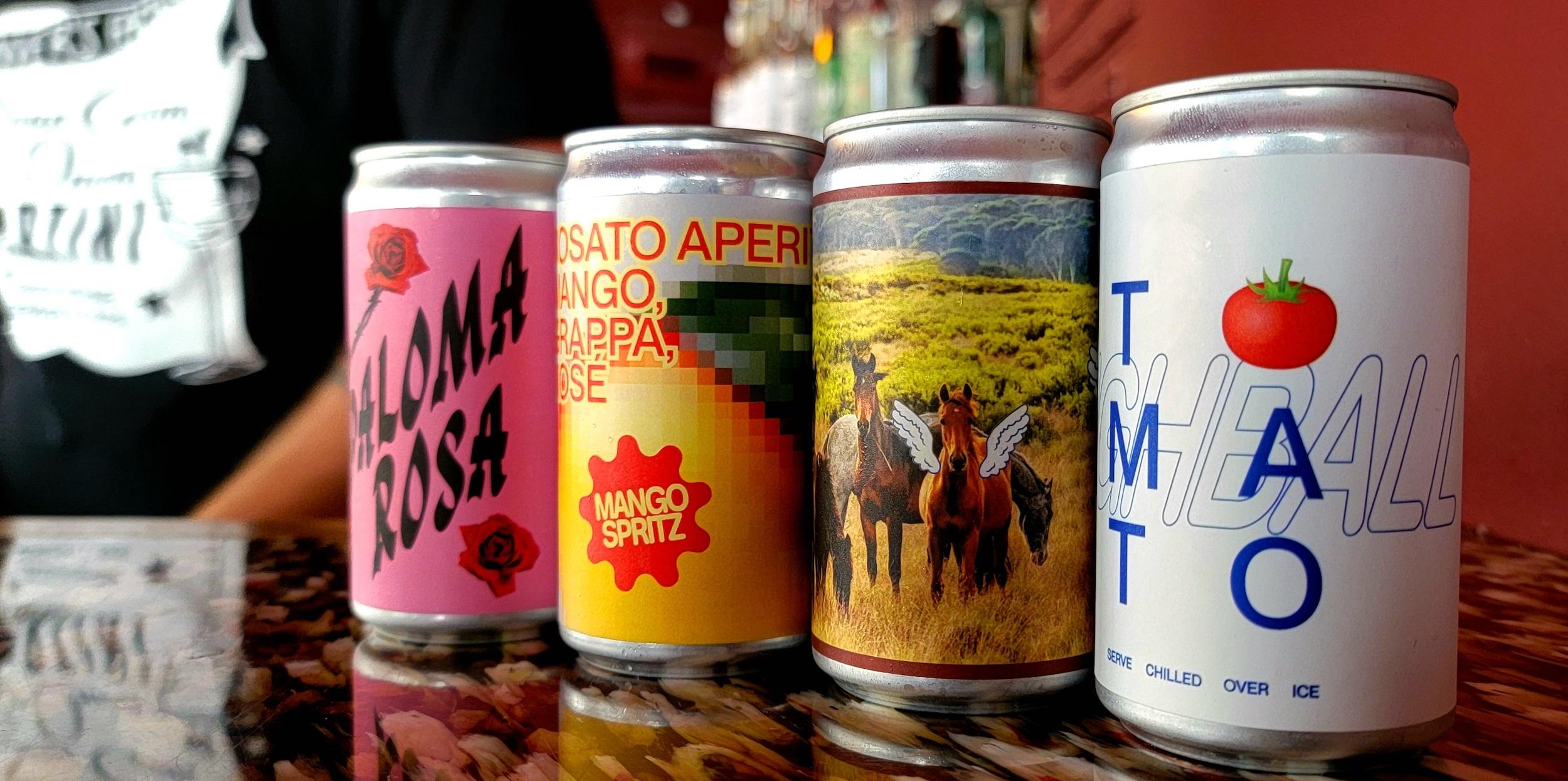
The bar’s Tomato Highball is a perfect example. Its assertive umami, spicy heat and citric zing collect on the center of the palate and provide a savory, almost protein-y sensation. Every sip is a bit different: more intense black pepper with one, then a lemony, briny swig with another.
The standard bartenders’ playbook is not focused on drinks like this. Some of the most popular cocktails as we have known them — the Manhattan, Old Fashioned and Negroni, for instance — are typically built around some type of sweetness, with sugar added to mask and balance the aggressive bitterness of the toxins collectively called booze.
Ironically, salt can do the same thing. Salty and umami flavors can not only suppress the perception of bitterness but increase flavor intensity. Using these in drinks is not exactly a new concept. Ever heard of a dirty martini? Bloody Mary? Those have become accepted norms. But a Radish & Butter Martini?
“People are genuinely surprised when they like it,” says Sparks. “They’ll order it on a dare or out of curiosity, and then come back for it the next week. That’s become one of our best signals. The ones that shock people at first are often the ones that become regulars’ drinks.”
Cocktails that employ these salty, savory components with intention and precision are showing up on local menus, forming new choreographies in the dance between toxins and tipsiness. Semiprecious, for instance, serves several savory martinis, such as a Sour Cream and Onion Martini, and that Radish & Butter version that uses “fancy radish butter,” along with French vermouths and salt.
Shawn Campbell
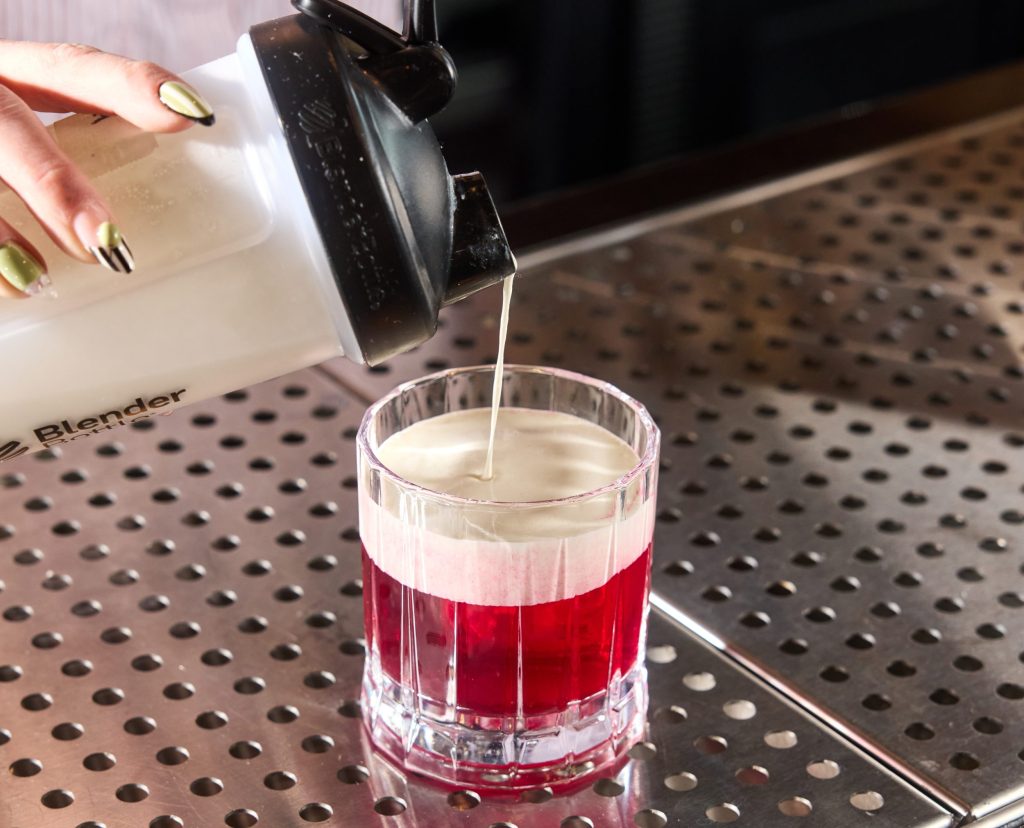
Over at the Peach Crease Club, bartenders are serving a Borscht cocktail made with beets, horseradish cream, yogurt and dill. There’s also a Fattoush drink, named after the Lebanese bread salad, made in part with tomato, cucumber, red onion brine, labneh, za’atar and olive oil. If Western salads are more your thing, the Waldorf Salad cocktail might be worth a try.
Molotov Kitschen + Cocktails’ Trophy Wife mixes mirepoix, garlic, vinegar and salt with a peppercorn-infused vodka. Fin & Tonic uses an anchovy, onion and olive brine in its signature Ship-faced Martini. Yacht Club, winner of the 2024 Spirited Awards Best U.S. Cocktail Bar, has a rotating program of veggie-forward creations, including the Laughing Bones featuring curry leaf and celery.
Champagne Tiger once served a “Mallardhattan” with duck-fat washed whiskey. Fat washing — the process of mixing fat with alcohol, freezing it and skimming off the solidified fat, retaining the fat’s flavor without all of its texture and color — went from being a unique one-off success to a standard bartending method. Saline solutions used to be something of a secret bartender trick to enhance flavor in drinks, and now they’re advertised on the cocktail menu to entice interested drinkers.
“Everybody has so much more access to information now,” says Peach Crease Club co-owner Stuart Jensen. “It used to be really hard to figure out how to do a lot of these things. But now with social media, you can see what other bars are doing and share back and forth. And everybody is really happy to share the methods they’re using.”

Antony Bruno
Make-Ahead Mixology
Most bars shake and stir drinks with ice to both cool and dilute cocktails to their intended level of alcohol. But using liquids with savory flavor profiles yields a richer, layered cocktail. According to Sparks, crafting these drinks requires rigorous attention to temperature control, packaging and consistency.
“Because we control the temperature of every drink we make,” Sparks says, “we are able to use different types of dilution as opposed to water.”
Many of these dilutions take the form of infusions or extractions prepared hours or even days in advance to retain the cocktail’s flavor and balance. Prep has always been important in bars, but for a customer base with maturing tastes, many of the cocktails served are the result of days of extracting, infusing, filtering, carbonating and cooling.
That Semiprecious Tomato Highball is served in a glass. But the drink itself is the result of 36 hours of work, often done days in advance; then it’s canned in-house and retrieved from the cooler for service. Canning the individual servings allows the drink to be precisely carbonated and served quickly.
“People think they’ve gotten one up on you when they figure out your program is batched,” says Sparks. “Like, ‘Oh, you batched that martini?’ Yeah … it takes 36 hours to make!”
This ability to let flavor and technique develop over time, rather than in a showy arm-waving flurry of bartending flair, is one of the reasons why Semiprecious can offer drinks that are beautiful, nuanced examples of balance and flavor generosity.
Whitney Sixx
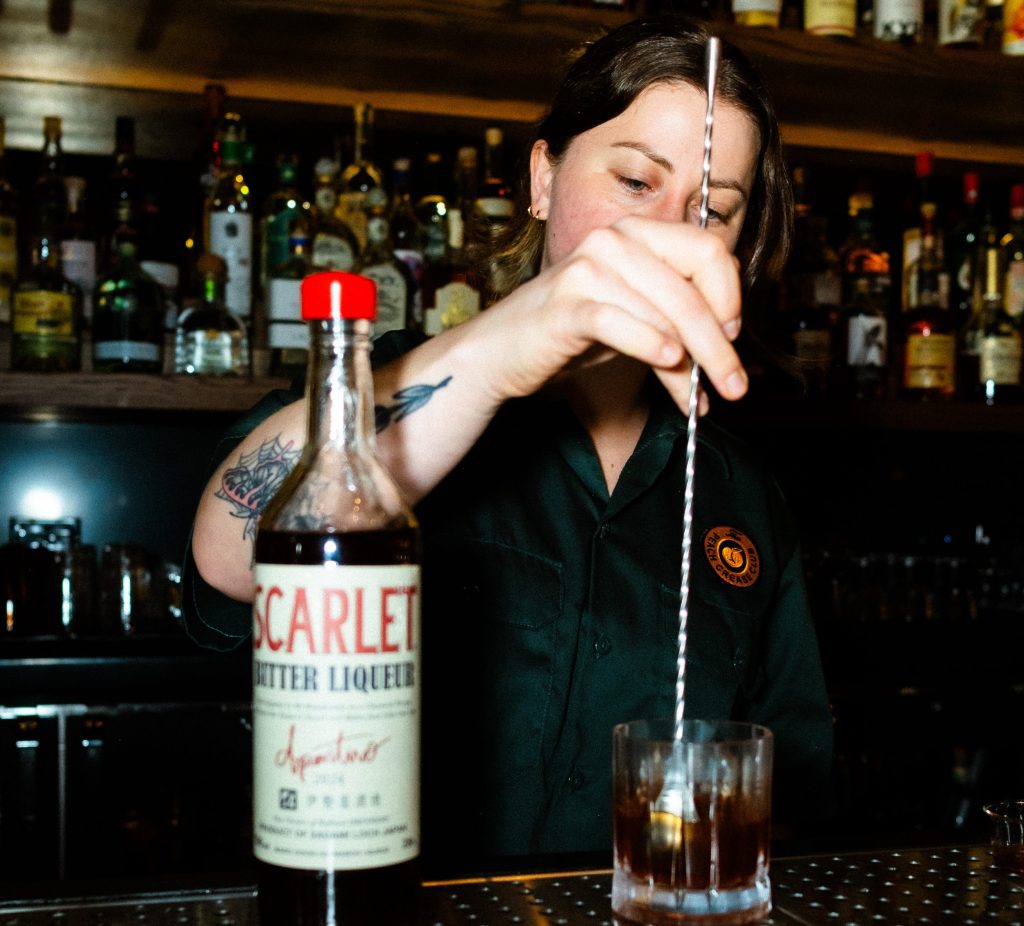
To make the Borscht cocktail, for example, Peach Crease begins prep a full week before the drink is served at the bar. During those seven days, horseradish-infused vodka is mixed with heavy cream, while a dill-flavored simple syrup and Greek yogurt milk punch are processed and left to blend. By the time you order one, it’s essentially only a three-ingredient cocktail assembled in a couple of minutes.
“It has a really positive effect on the service experience,” says Jensen, “because you’re not sweating back there making these five-touch cocktails. Freeing up that time for bartenders to have an interaction with guests was a really big part of that decision.”
Savory cocktails are no passing fad, but rather the latest evidence that Denver’s bar scene has quietly matured into one of the most adventurous in the country; this is a city where a bartender can spend a week building a beet-and-horseradish cocktail and trust that the person ordering it will meet them halfway.
The Bloody Mary was once a novelty, too. So was the dirty martini. What’s happening at Semiprecious, Peach Crease and bars across the city isn’t a departure from cocktail tradition, but the natural conclusion of a 20-year education in flavor and the flow of information between bartenders worldwide.
Order the weird thing. Sometimes it takes an entire village to make a single drink.