
REcolorado via Zillow

Audio By Carbonatix
Reader support matters more than ever
We're in the final stretch of our summer campaign. Our goal is to raise $25,000 by August 9 to support the journalism our community relies on. Reader support is helping shape the future of local news.
Bow Mar’s plan to gate off public streets between Denver and Littleton to prevent cut-through traffic reflects a larger breakdown in problem-solving and regional community cooperation. The big question is whether our public goods, like roads, are still public.
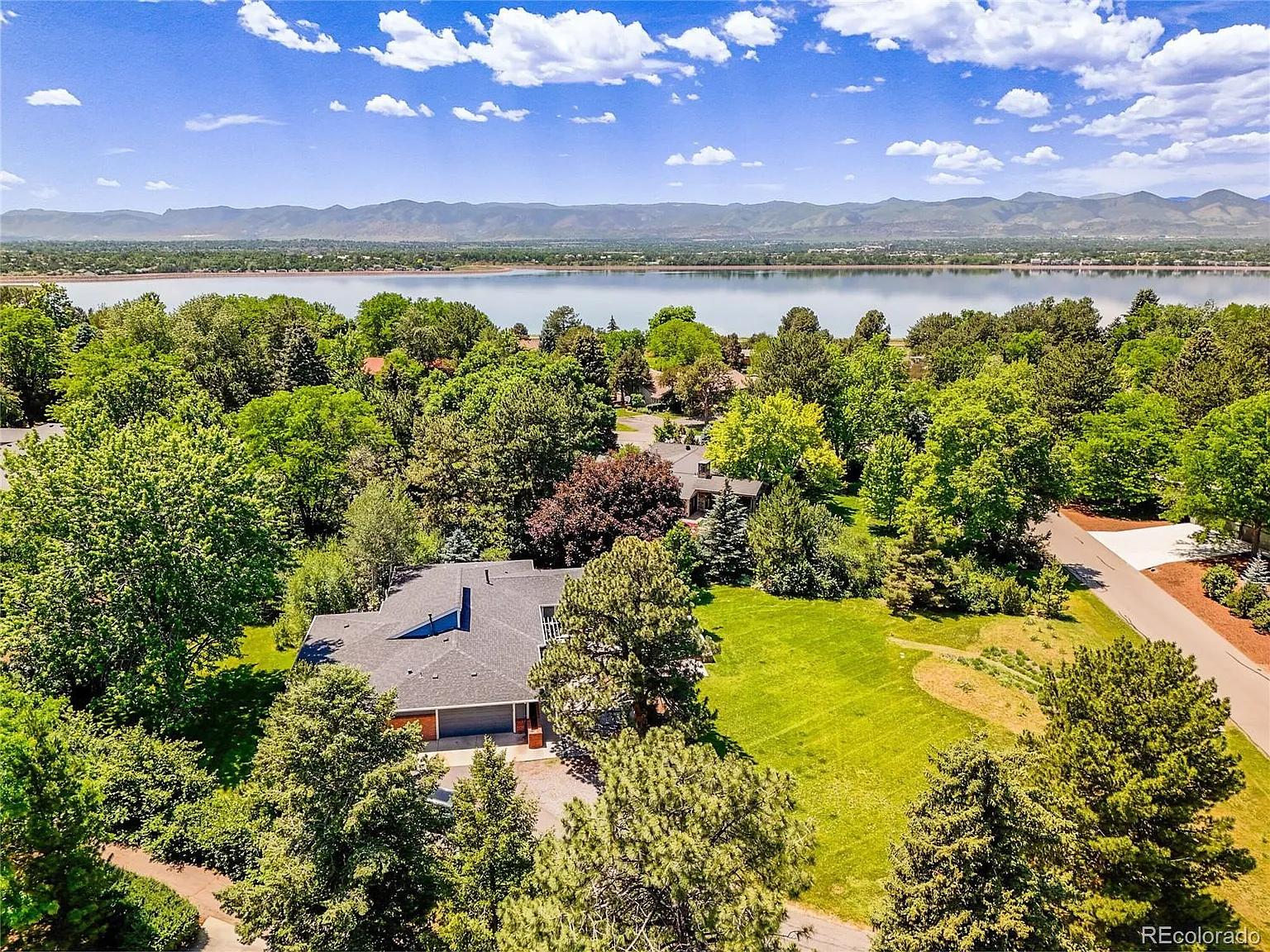
According to recent reporting, Bow Mar has approved gates on public streets to reduce cut-through traffic through the town. Denver and Littleton have objected, warning that if Bow Mar proceeds, they will escalate the situation with barriers on their side of the road. The result could be a strange and unnecessary standoff between neighboring governments, with public streets treated less like shared infrastructure and more like bargaining chips.
At the same time, Bow Mar’s concerns should not be outright dismissed. Residential streets should not become high-speed shortcuts. Families deserve safe streets. Drivers should not be able to turn quiet neighborhoods into bypass routes simply because a navigation app tells them it saves a few minutes on a commute. Cut-through traffic is a real problem in many parts of the metro area, including within the City of Denver.
The wrong response would be to privatize public streets by building barriers. The real solution is to intentionally design streets that are both efficient and safe.
Public roads are funded, maintained, connected, plowed, patrolled and protected as a part of a regional transportation system. Residents of one locality use roads in neighboring communities. Denver residents use Littleton streets, Littleton residents use Denver streets, Bow Mar residents use both. That is how a metro area functions. No community should be able to enjoy the benefits of regional access while unilaterally cutting off access to everyone else.
The Bow Mar dispute should force a larger conversation about how we maintain, manage and design the roads and bridges that we rely on. Maintaining this infrastructure should be more proactive. A bridge gets attention when its condition becomes urgent. A residential street gets attention after years of speeding complaints and potholes. A dangerous intersection gets attention after crashes. A neighborhood demands barriers because traffic has become intolerable. The better question is to ask why conditions have deteriorated, and then to fix the problem.
Denver already has plenty of signs of stress in its transportation infrastructure. Recent city transportation reporting showed a meaningful share of Denver’s pavement and bridges are in poor condition. Statewide, Colorado has more than a thousand bridges in need of repair, with estimated repair costs reaching into the billions. These problems result in vehicle damage, slow emergency response and increased long-term maintenance costs, and make streets less safe for people walking, biking, driving or taking transit.
A smarter road strategy is to get back to the basics of fixing the assets we already own and designing new assets strategically. Denver and the larger region should treat road and bridge maintenance as core public infrastructure. That means publishing clear condition data, ranking projects by safety risk, condition, traffic function and economic importance, and showing residents where their street, bridge, sidewalk and crosswalks sit in the queue.
Maintenance and planning are not enough to rebuild trust with the public. We also need better street design.
When drivers are speeding through residential streets, we shouldn’t have to wait for fatal car crashes to take the problem seriously. We also shouldn’t gate off public roads. We should invest in evidence-based traffic-calming measures. Speed cushions are one practical example. Unlike traditional speed bumps, speed cushions use raised sections with a wheel cutout design to slow most vehicles while allowing many emergency vehicles and bicycles to pass through more easily. Other tools that should be used much more frequently include raised crosswalks, curb extensions, roundabouts, narrowed lanes, better lighting, turn restrictions and safer crossings.
In this context, the Bow Mar proposal matters beyond the obvious. If one town can gate public streets because it dislikes cut-through traffic, what’s to stop every municipality or neighborhood from doing the same thing? The metro region cannot function effectively across municipal lines through fragmented street closures. We also cannot accept the status quo of deteriorating traffic safety and a lack of order on our roads as acceptable.
The answer to this very real problem for residents is to invest in safer, calmer transportation infrastructure and to collaborate as a region on making the Denver metro a better place to live. I view this confrontation as an opportunity to reevaluate how we coordinate as a region to produce better solutions to our biggest challenges.
Westword.com frequently publishes opinion pieces and commentaries on matters of interest to the Denver community; the opinions presented belong solely to the authors, not Westword. Have one you’d like to submit? Send it to editorial@westword.com, where you can also comment on this.