

Audio By Carbonatix
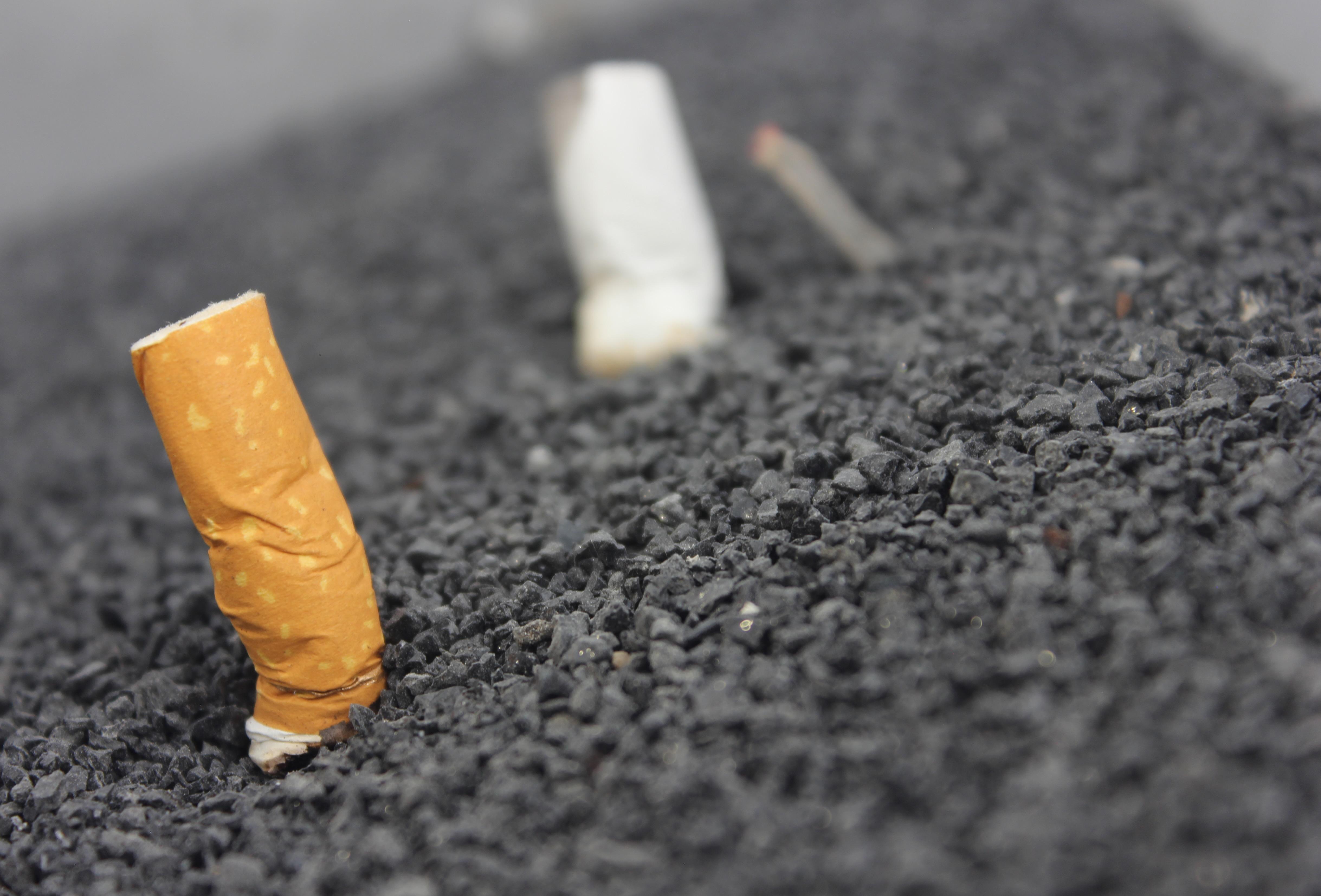
Cigarette butts are the most commonly littered item on Earth, with around 4.5 trillion discarded cigarette filters polluting sidewalks, soil, beaches, rivers and oceans every year, according to the World Health Organization.
Denver wants tobacco companies to start footing the bill for the cleanup.
The City and County of Denver sued nine major tobacco manufacturers and one distributor in state court on Friday, Aug. 7, targeting companies behind the nation’s biggest cigarette brands, including Marlboro, Newport and Camel.
The lawsuit seeks financial compensation for the damage that non-biodegradable plastic cigarette filters cause to “municipal property, infrastructure, stormwater systems, waterways, public resources and governmental operations.” It also demands that the companies assume responsibility for the “continuing harms” caused by their products’ design and distribution.
“It’s past time Big Tobacco cleaned up the big mess it’s created,” Mayor Mike Johnston says. “The tobacco industry has known for decades that cigarettes pollute streets and clog drains, but still refuses to make basic changes to protect our environment and waterways. If common decency won’t compel them to do so, then maybe a court order will.”
Dozens of states and municipalities have sued tobacco companies to recoup health care costs from smoking. Mass litigation resulted in the 1998 Master Settlement Agreement, in which major tobacco companies agreed to pay over $200 billion to 46 states, five U.S. territories and Washington, D.C., to compensate for costs arising from the health problems caused by the use of their products.
However, only a handful of lawsuits have targeted the tobacco industry for environmental impacts. The first lawsuit of its kind came from Baltimore, Maryland in 2022, according to the Public Health Law Center. That pioneering case is still ongoing. Fresno and Sacramento County in California followed suit last month.
While fighting the Baltimore lawsuit, tobacco companies have argued that individual smokers are responsible for the impacts of littering cigarette butts, not the companies that manufacture the cigarettes. But Denver’s lawsuit calls littering a “predictable” and “inherent” consequence of their products.
“The widespread deposition of discarded cigarette filters is neither accidental nor an unforeseeable misuse of Defendants’ products,” the lawsuit reads. “Rather, it is the statistically dominant post-consumption disposal pathway associated with filtered cigarettes and an inherent consequence of the manner in which Defendants designed, manufactured, marketed, and distributed those products.”
Despite the widespread littering of cigarette butts across the globe, the tobacco companies have refused to make their filters biodegradable, implement meaningful product stewardship measures or otherwise assume responsibility for the environmental harm their products cause, the lawsuit claims.
The litter reflects “deliberate business decisions made after decades of scientific research, engineering evaluations, environmental investigations, consumer studies, and strategic planning,” the lawsuit alleges, referencing internal industry research and documents.
“Denver taxpayers should not be left paying to address pollution that the manufacturers allegedly knew was a foreseeable result of the way these products were designed and sold,” the City Attorney’s Office says. “The complaint speaks for itself, and we look forward to presenting the evidence in court.”
The 72-page complaint names Philip Morris USA, Altria Group, R.J. Reynolds Tobacco Company, Reynolds American, Santa Fe Natural Tobacco Company, British American Tobacco, ITG Brands, Liggett Group, Liggett Vector Brands and Peerless Products as defendants.
None of the companies immediately responded to requests for comment.
The city’s claims include violations of public nuisance, trespass, negligence, product liability, unjust enrichment and consumer protection laws. It requests compensation for all past and future costs for cleaning and addressing the impacts of littered cigarette butts.