
R and R Vision

Audio By Carbonatix
Jaleesa McIntosh can still recall one of her earliest memories of the Colorado Black Arts Festival: The sound of the drumming, the dancing and the feeling of meeting a larger African diaspora in real time.
“I have been going to the Black Arts Festival since I was young, I would say probably seven or eight,” McIntosh says. “My mom took me and my cousin there every year, and I loved it.”
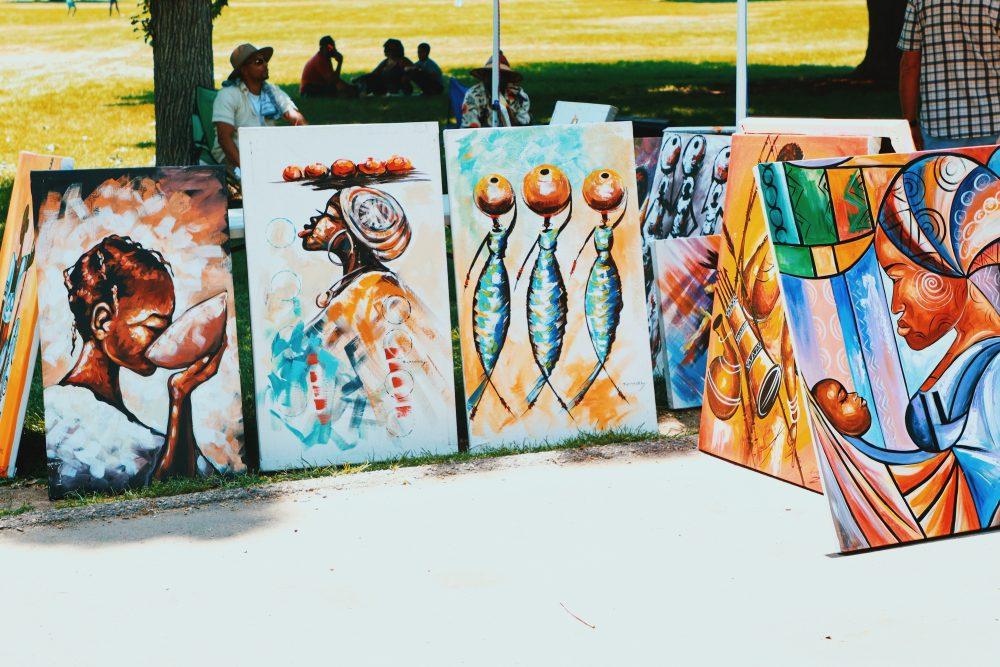
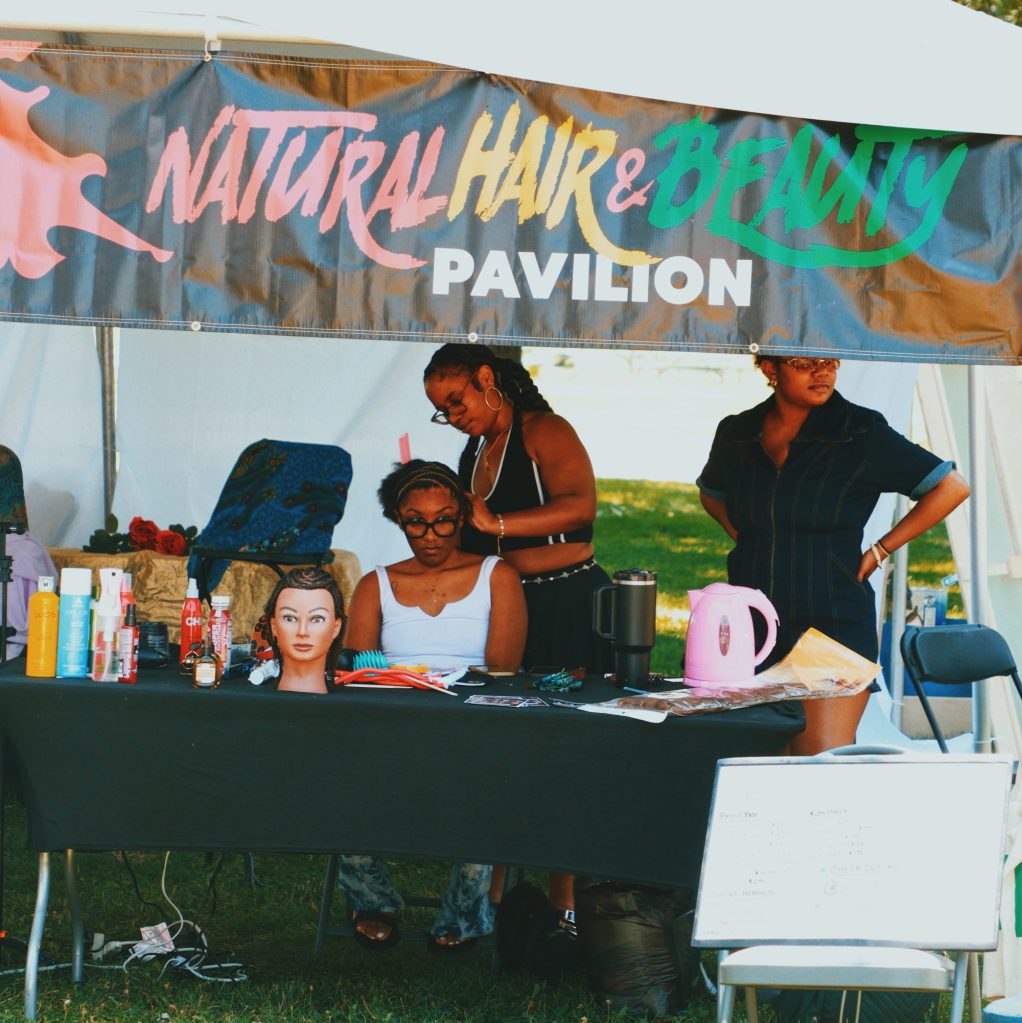
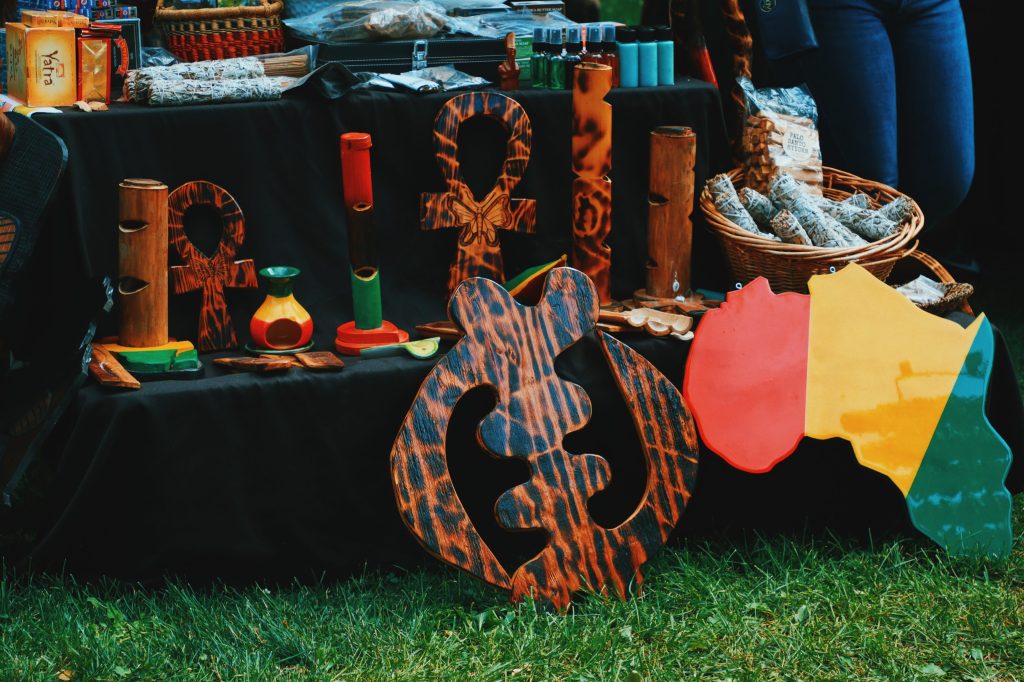
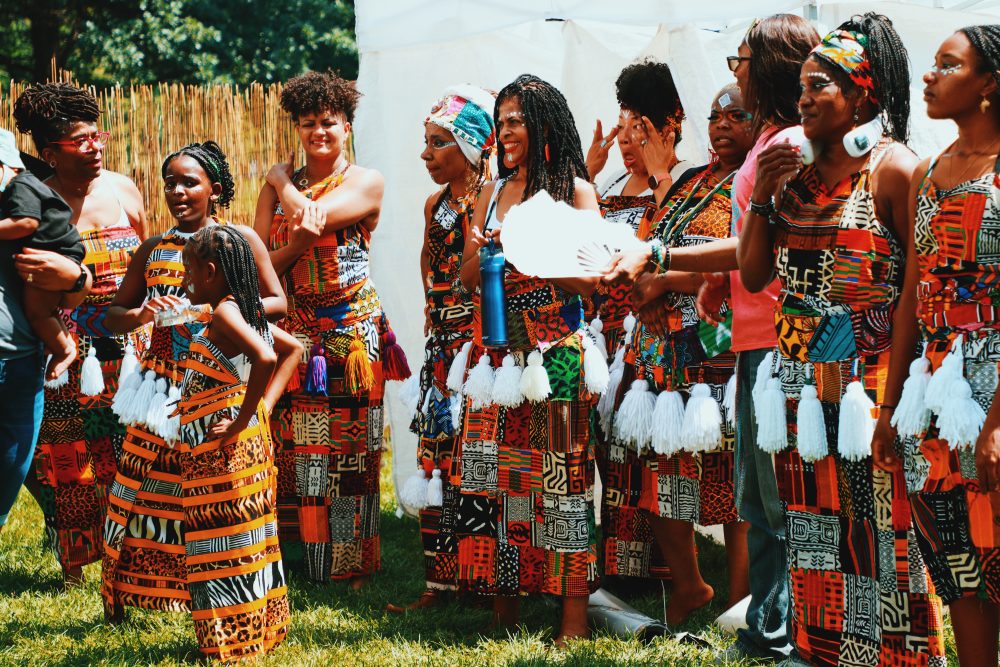
That childhood tradition has since become part of her adult work. The executive director of the Colorado Black Arts Festival, McIntosh is helping lead the event into its 40th annual celebration July 10-12 in Denver’s City Park. The free, three-day festival will fill the park with live music, visual art, cultural storytelling, food, a marketplace featuring more than 80 artists, creatives and Black-owned businesses, a Children’s Pavilion, an Art Garden and the returning Boogaloo Celebration Parade.
“It’s an exciting milestone,” McIntosh says. “The fact that we’re reaching 40 years, and knowing that this is a generational legacy that we’re seeing, means so much to many of us.”
R and R Vision
The festival began in 1986, when Black artists in Denver had fewer opportunities to show their work in established arts spaces. McIntosh said that history still shapes the festival’s purpose. Many artists of color have built names for themselves, she said, but the work of expanding access is not finished.
“I still think that we have a ways to go when it comes to artists of color being able to authentically showcase their work through their lens and their identity and showcasing their work year-round and not just at a moment where it’s celebratory for African American culture,” she says.
That tension — between celebration and continued advocacy — is central to the festival. The weekend is meant to be joyful, but it is also built around preservation, visibility and access. Admission remains free because organizers see accessibility as part of the mission.
“As an arts and cultural organization, accessibility, especially for our community, is very important,” McIntosh says.
The festival survives on grants, sponsorships, donations, volunteer labor and community loyalty. Planning takes most of the year. McIntosh said about 15 key coordinators meet monthly before the festival expands to a volunteer force of roughly 150 people for setup, the three-day event and takedown.
McIntosh first became involved around 2013, while she was working in City Park as an event facilitator. The festival needed help at a gate, and she volunteered to step in. While she stood there, she began talking with the executive director at the time about logistics and what could be improved.
“I’ve been sucked in ever since,” she says. “Happily sucked in.”
That operational eye has helped shape the modern festival experience. Last year, she said, about 20,000 people attended over three days. Her favorite moment still comes at the beginning.
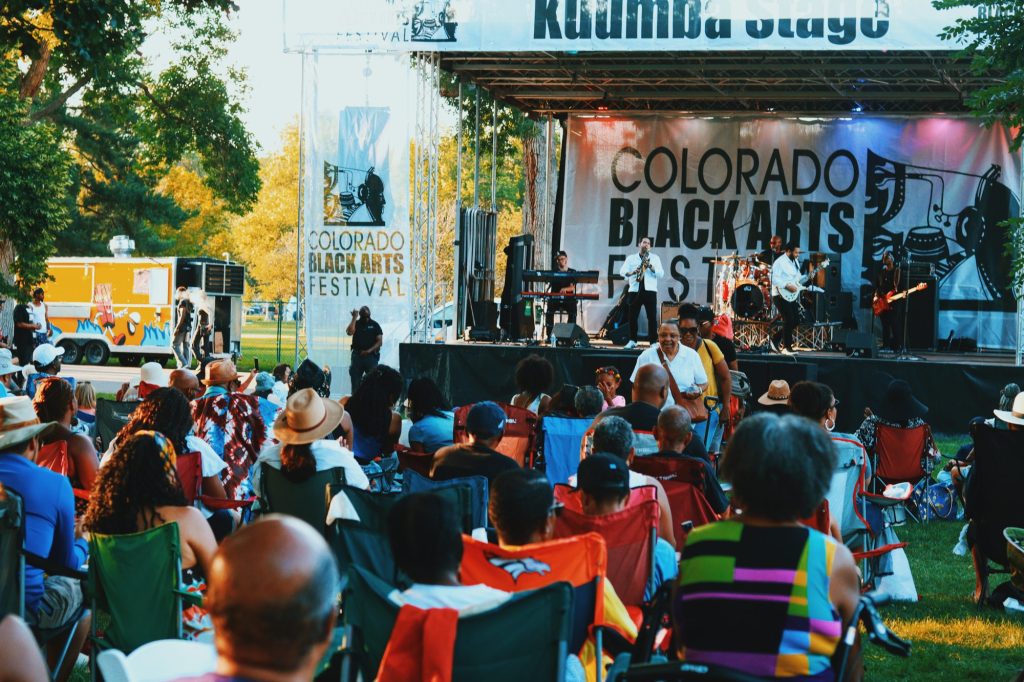
“My favorite part is when those gates open, and all of a sudden this rush of people starts coming in,” McIntosh says. “They’re enthusiastic; they have their lawn chairs ready to sit down and plop in front of a stage or go to different stages. That’s the best feeling.”
R and R Vision
This year’s festival will feature entertainment across three stages, including jazz, hip-hop, R&B, gospel and traditional African drumming and dance. Kofi B., a three-time Emmy-nominated pianist, will perform on the Kuumba Stage at 7 p.m. on Saturday, July 11. Stephanie Summers, the Season 10 winner of BET’s Sunday Best, will perform on the F. Cosmo Harris Gospel Stage at 6 p.m. on Sunday, July 12.
The Joda Village Stage also remains central to the festival’s mission. McIntosh said she did not have much direct exposure to African drumming and dance as a child until she saw it at the Black Arts Festival.
“I have the vision of me first seeing the drums and hearing them and watching the dancers and the drummers,” McIntosh says. “Though we celebrate the Black experience, we also still have a duty to recognize the African diaspora as well and where we came from and our roots.”
The returning Boogaloo Celebration Parade will honor another part of the festival’s history. McIntosh said the parade was a favorite of founder M. Perry Ayers because it gave the community room to be inventive and expressive.
“We brought it back this year as kind of an ode to Perry,” McIntosh says. “What people can look forward to for the parade this year is lots of dancing.
Festivalgoers can expect community dance teams, drumming, line dancing, Miss Black Colorado representatives, a car club and other participating groups. The Art Garden will again serve as a major draw, with visual artists, large sculptures, bottle trees and muralists throughout the grounds. McIntosh said most visual artists who apply are able to participate, though organizers are mindful that the festival is family-friendly.
R and R Vision
“We are inspiring the next generation of artists, so that does matter for us,” she says. “For the most part, with visual artists, most of them do get into the festival to showcase their work, even some of the newer ones. We’re all about, again, accessibility and artists being able to showcase their work, but yeah, we do like to see what people are bringing, just to make sure it’s appropriate for the festival.”
McIntosh said Fridays tend to be calmer, making them a good option for older adults, people with disabilities and visitors who prefer to avoid the larger Saturday and Sunday crowds. For first-time attendees, her advice is simple: arrive open, curious and ready to participate.
“This event is not only in celebration and preserving and amplifying Black culture in the African diaspora, but it’s also one of cultural exchange,” McIntosh says. “So, anyone that’s willing to come in, have a positive spirit, learn and share in this cultural experience and be open-minded, we totally welcome that.”
Looking beyond the 40th anniversary, McIntosh said the board is discussing how to grow the organization into more than one annual weekend. The festival may eventually support year-round work around youth education, artist development, entrepreneurship, culinary arts and health and wellness.
“I would say you’ll see maybe one to two other events this year,” she says. “As the executive director and with the board, we are enjoying our discussions about expanding the organization. Right now, we are focused on the Black Arts Festival, but we are also considering expanding into year-round programming in the hopes of making the festival our annual fundraiser and event so that we can then use the funds raised at the festival to support more direct community impact events that support education and learning for our youth.”
R and R Vision
But, before they add more, the Colorado Black Arts Festival is wrapping up preparations for this year’s event in City Park, where generations of families, artists, vendors, performers and first-timers will gather to celebrate its 40th anniversary.
“What I’m personally looking forward to is the people,” McIntosh says. “It’s reaffirming that even after so many years of producing this festival through ups and downs, political changes, and socioeconomic challenges, people still find it within themselves to participate in such an event. I’m shocked that there are that many people that come through those gates in droves, and it’s such a good feeling to know that the hard work was not done for nothing.”
The Colorado Black Arts Festival is Friday, July 10, from 11 a.m. to 7 p.m., Saturday, July 11, from 10 a.m. to 8 p.m. and Sunday, July 12, from 11 a.m. to 7 p.m. in Denver City Park, 1700 City Park Esplanade. Free. Learn more at colbaf.org.