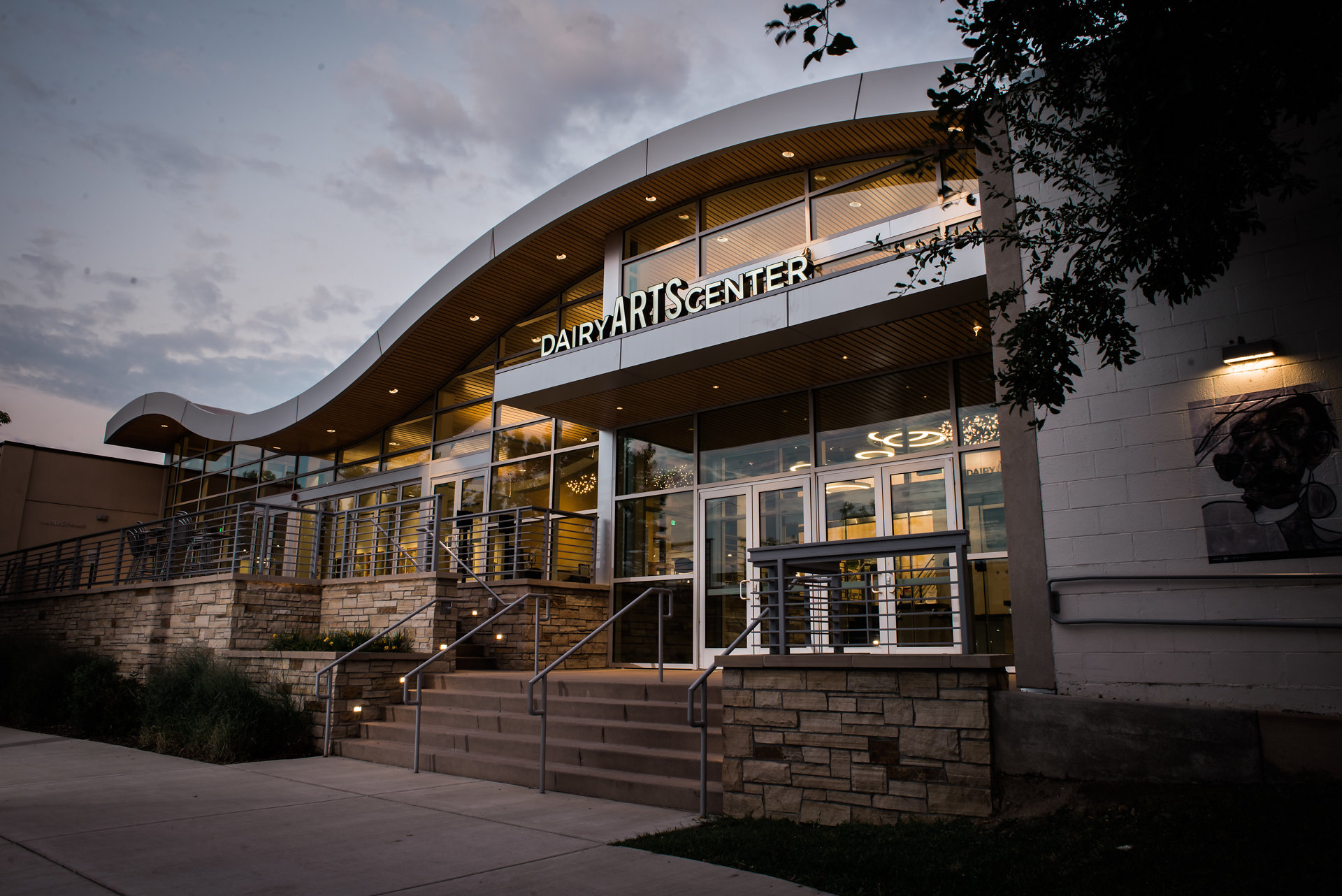
Courtesy of the Dairy Arts Center

Audio By Carbonatix
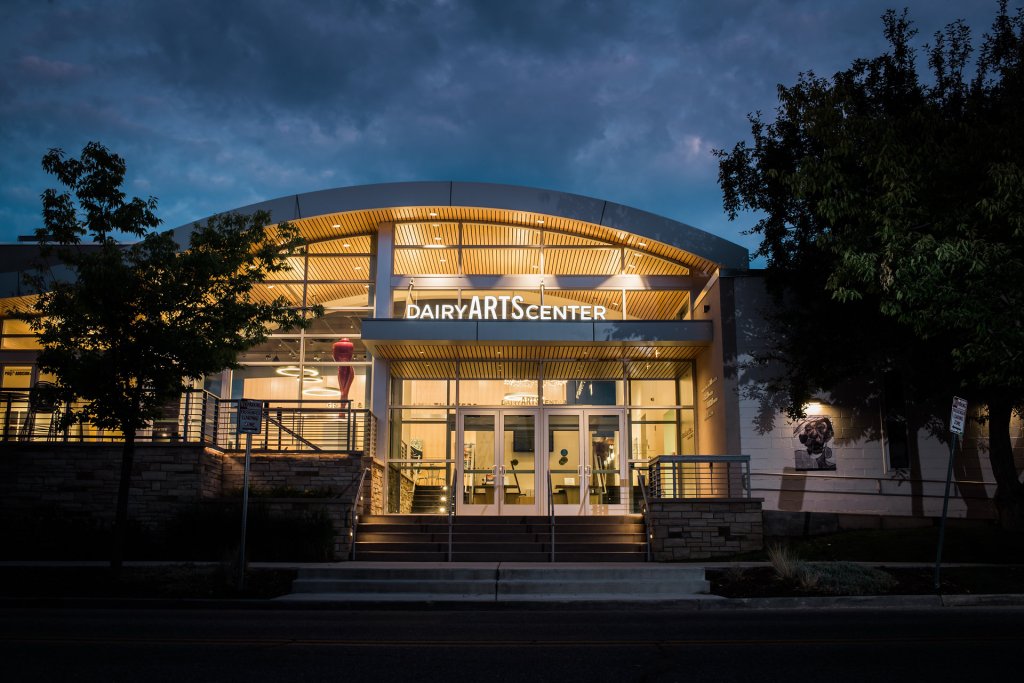
The Dairy Arts Center has officially purchased its longtime home at 2590 Walnut Street from the City of Boulder, a decision approved by City Council on August 7 that allows the city manager to transfer ownership of the building to the nonprofit organization that runs the Dairy. The decision returns full ownership of the multi-venue arts facility to the organization that has driven it for decades and marks a significant turning point in the Dairy’s history.
“This moment represents both a homecoming and a new beginning,” says Melissa Fathman, executive director of the Dairy Arts Center. “The Dairy was founded by artists who envisioned a space where creativity could flourish across all disciplines. To once again own our building is to reclaim that founding vision in the fullest sense.”
Constructed in 1970 as the Watts-Hardy Dairy, the industrial plant once processed milk for thousands of Boulder households. When the dairy closed in the 1980s, the vacant structure might have been lost to redevelopment.
Instead, a group of local artists, led by filmmaker Russ Wiltse, saw possibility in the empty shell. Through community fundraising and grassroots organizing, they began converting the former processing plant into a multipurpose arts space in the early 1990s, founding the Dairy Center for the Arts in 1992 and giving Boulder a centralized home for theater, dance, film, music and visual art.
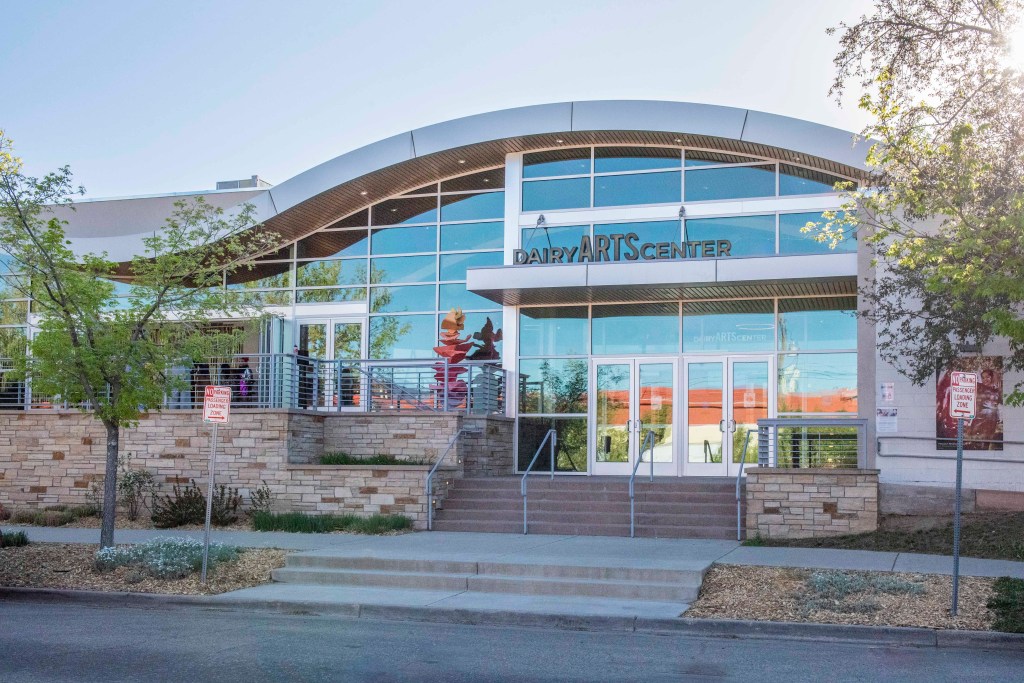
Courtesy of Zack Weinstein Photography
That transformation came with a heavy financial lift. Removing massive industrial equipment and miles of chrome piping, building theaters and a parking lot and staffing a growing organization strained the Dairy’s resources. By the late 1990s, the organization struggled to meet its mortgage obligations.
“In order to understand some of the key terms of the agreement, it’s important to know that the Dairy Arts Center was the original owner and that the transfer of ownership from the Dairy to the City in 2000 was an unusual sort of agreement, born out of the tragic possibility of losing the Dairy altogether,” Fathman says. “The City Council members at the time all wanted the Dairy to succeed; however, there was no granting mechanism in place like there is today, which would have given them a mechanism to disburse funding to the organization to offset costs.”
To stabilize the institution, the City of Boulder paid off the remaining mortgage and assumed ownership of the building in 2000, leasing it back to the Dairy so it could continue operating. Although the city owned the property for the next 25 years, the arrangement was always intended to be temporary. During that time, the Dairy continued to invest in the space by fundraising for and completing significant capital improvements, which became a central part of negotiations to return the building to nonprofit ownership.
The August 7 City Council approval followed a multiyear process to unwind that original agreement. Under the terms outlined in the council memo, the total transaction value was set at $11.69 million, reflecting past capital investments made by the Dairy and credits from the city for immediate future improvements such as roof and HVAC replacement. The Dairy paid $1.5 million in cash at closing, made possible in part by two transformational estate gifts received after the organization’s recovery from pandemic-era closures.
“Not much will change in terms of the day-to-day responsibilities,” Fathman says, noting that the Dairy was already responsible for most building maintenance under its prior lease. “But it is a significant accomplishment for the Dairy, and a mile-marker in our history, to regain full ownership of the building, and in that way, it is a new beginning.”
Ownership allows the organization to plan further ahead, particularly when it comes to major capital upgrades. Fathman said donors are more likely to invest when they know their contributions support a building that will permanently remain dedicated to the arts.
“Ownership establishes a solid foundation and longevity of mission for the building,” Fathman says. “It means that supporters who are considering investing in capital upgrades or building upkeep will know that they are investing in a building that will always be used for the arts and for the community.”
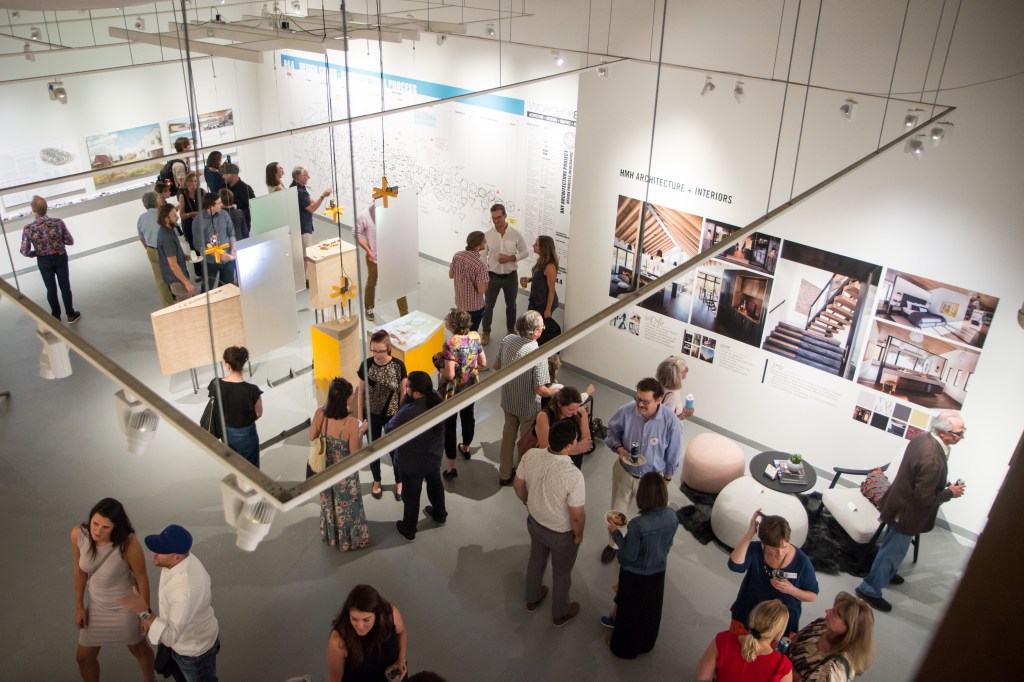
Courtesy of the Dairy Arts Center
From the city’s standpoint, the sale reflects both fiscal strategy and cultural policy. Lauren Click, manager of the City of Boulder’s Office of Arts and Culture, says the decision followed years of demonstrated stability by the Dairy.
“Over the years, the organization has demonstrated steady financial improvement, thoughtful governance, and reliable capacity to manage the facility,” Click says, noting that the Dairy has also received consistent support through the city’s Cultural Grants Program. “In partnership with the Dairy Arts Center, the city determined that the center is in a financial position to take ownership and stewardship of the building while reducing the overall municipal building portfolio, a key recommendation from the City’s Facilities Plan.”
Click added that this move was also consistent with the city’s Arts Blueprint and the Boulder Valley Comprehensive Plan.
“It strengthens Boulder’s cultural infrastructure by placing stewardship of a major creative facility with the organization that already operates it successfully, which allows decisions about programming, maintenance and capital improvements to be made quickly and strategically,” Click says. “Ownership also enables the Dairy to build equity in the facility as it invests in its long-term care. This transition reflects an ideal use of public investment: partnering with an organization through a transition and ultimately returning it to the organization, where it will continue to grow and thrive.”
As for what this move demonstrates about the City’s role in preserving creative spaces, “this transition signals that the city views arts organizations as long-term partners in preserving and operating creative spaces,” Click says. “It demonstrates that when organizations build strong governance, financial stability, and a track record of community impact, the city is willing to explore models that increase their autonomy and ownership.”
Today, the Dairy Arts Center serves as a cornerstone of Boulder’s creative ecosystem, supporting more than 100 local arts organizations each year and welcoming more than 200,000 visitors annually. Its theaters, galleries, studios and the Boedecker Cinema provide rehearsal, exhibition and performance space for artists working across disciplines, from theater and dance to film, music and visual art. For many smaller and emerging groups, the Dairy has long functioned as both a launching pad and a home base.
Ownership of the building strengthens the organization’s ability to continue that work. In recent years, the Dairy has expanded equity-based initiatives designed to reduce barriers for independent artists and under-resourced organizations, including a co-production program that offers free venue use and stipends, as well as a tiered rental model that scales costs based on financial capacity. With full control of the facility, the organization can plan ahead, strategically addressing accessibility upgrades, deferred maintenance and long-term capital needs while remaining committed to its mission of community support.
Courtesy of the Dairy Arts Center
As Boulder continues to grow and attract larger, nationally recognized institutions, Fathman sees the Dairy’s role as safeguarding the grassroots creative culture that helped define the city in the first place.
“I firmly believe that the establishment of the Dairy Arts Center, back in the early 90s, helped to fuel further growth and inspired the creation of many of the wonderful arts organizations that collectively, over the years, have made Boulder the fabulous, vibrant arts city that it is today,” Fathman says. “With the continued growth we see today and anticipate in the future, we see our role as protectors and nurturers of our current artistic ecosystem. From the moment it was formed, the Dairy was established ‘by the people, for the people.’ We have every intention of remaining true to the founders’ original intentions.”