
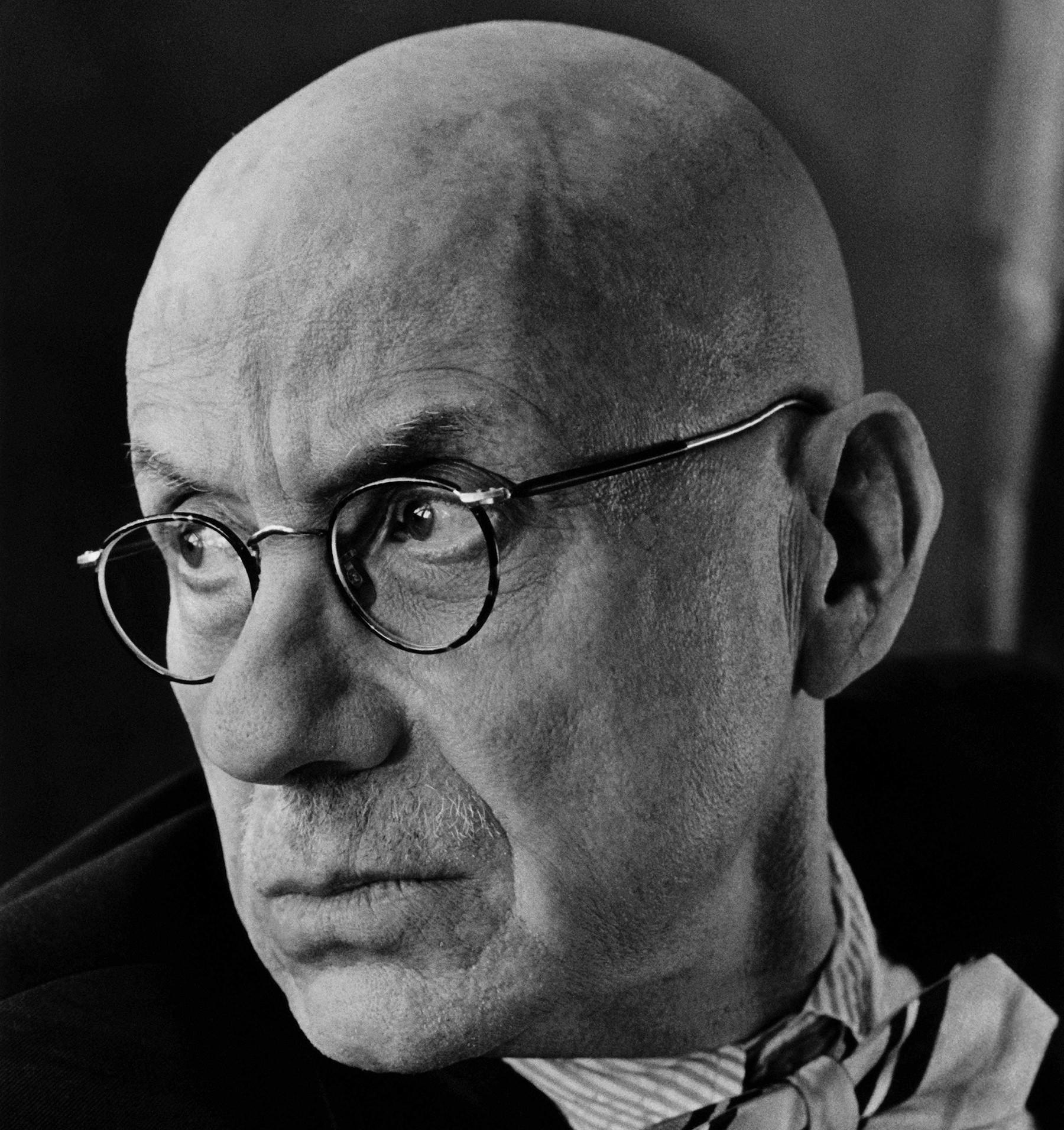
Photo by Marion Ettlinger

Audio By Carbonatix
It’s not everyday that a reader opens a book to the first page, only to be taken by the throat. But that’s exactly what fans of author James Ellroy expect. “Party, party,” reads the opening line of Ellroy’s newest novel, “Red Sheet.” “Fuckhead Jack and Bobby Kennedy saved the world.” And we’re off to the races, set in the rough end of 1960s Los Angeles and painted in deep shades of communist vermilion.
Ellroy is one of the most intriguing old-school writer personas literature has left. Some have called him the “Demon Dog of American Crime Fiction,” which must please him, since he came up with the moniker himself early in his career to draw attention to his gritty, snarling, aggressive work. But that caught on because it was accurate, and like much of Ellroy’s work, engaging in a rough-hands sort of way, charm masking a depth of violent potential. Barely restrained.
To say that Ellroy’s style is hard-boiled is to undersell it. His prose is insistent and raucous. Always has been, from his first breakthrough novel in 1987, “The Black Dahlia,” to his book-become-film hit, the not-necessarily-faithful-to-the-source-material “L.A. Confidential.” The word “relentless” is an overused superlative in literary reviews, but not here. Ellroy’s work — including “Red Sheet” —always earns it. Ellroy himself has called the book “our recent past, madly reconstructed.”
Ellroy has been a Denver resident for over a decade now, having relocated here in 2015. “I still don’t know my way around very well,” he admits. “All the diagonal streets, the numbered streets, the avenues, you know. Okay, so you can sight in on the mountains, and know that’s west. But thank god for Speer, because that can get you anywhere.”
Ellroy has some favorite haunts in Denver, but not ones you might expect. When he lists the places he frequents, there’s not a dive bar in sight. The first thing he mentions is the church that he and his ex-wife but current partner, Helen Knode, attend in Cherry Hills Village. “There’s a good Mexican restaurant on Columbine called Sol, if you like spicy food,” he adds. “And then sometimes I go to the 801 Chophouse. I used to go to Elway’s, but they tore it down. It’s in rubble, over there on 1st Avenue.”
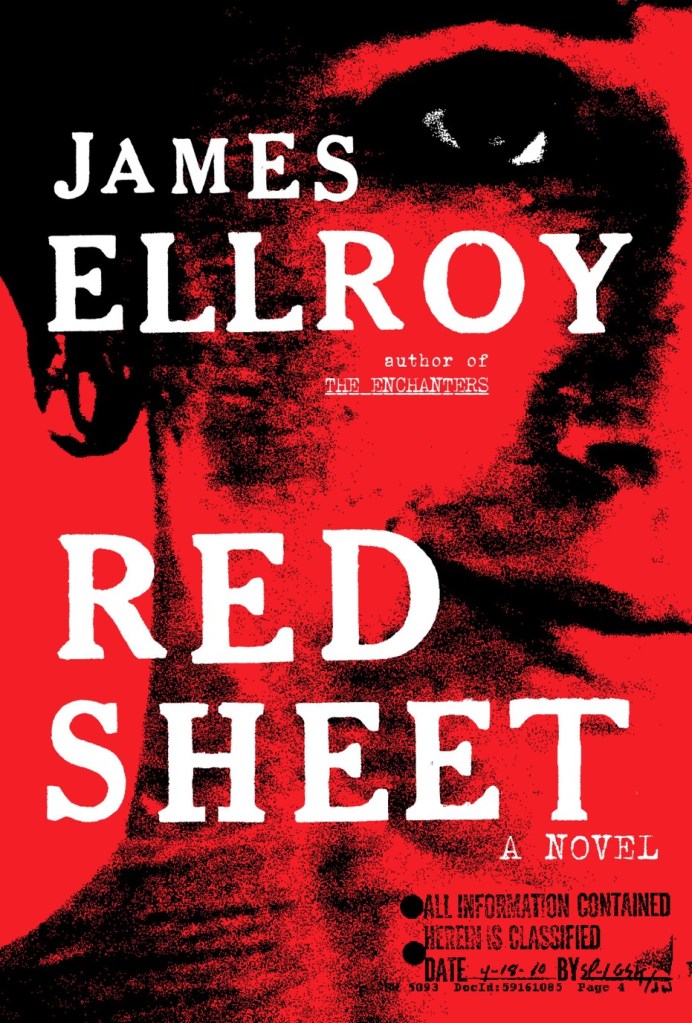
Penguin/Random House
Despite being a local for over a decade, Ellroy’s answer to whether or not he’s considered setting a novel here is quick and to the point: “No,” he says, and then laughs. “Fuck that. No. I’m from L.A. I was born there in 1948, in the epicenter of the film noir form and at the height of the film noir era. It’s no wonder the books I write.
“I got lucky,” he continues. “Geography is destiny. My old man was a Hollywood bottom-feeder. We had a good time. Rock Hudson became a boy-banger when I was in junior high school. That’s how jaded I was as a kid. It was a good place to grow up, though. Wasn’t overcrowded. Wasn’t over-polluted the way it is now. I remember it when there weren’t so many cars. It was a city that grew horizontally instead of vertically, and that appealed to me.”
In terms of his writing, Ellroy remains a stubborn and confirmed luddite. “I write everything by hand,” he says. “Never owned a computer, don’t have a cell phone, never been on the internet. It’s white paper, college-ruled, with a black ballpoint pen. Then I edit in red ballpoint pen. Done it that way for 47 years. Then I hire people to type it.”
Despite the historicity of his many novels — including “Red Sheet” — Ellroy says he doesn’t do research. “Nah,” he says. “I don’t give a rat’s fucking ass about factual accuracy. It’s one of the questions I never answer about my books — what’s real, and what’s not? I don’t care. I’m out to distort reality, slander the dead. And I do a doozy on some people.”
Some of those doozies come in the pages of “Red Sheet,” which Ellroy calls “an anti-communist novel” written “foursquare in the tainted tradition of Ayn Rand and Mickey Spillane,” according to his website, which lists his targets: the “mock-martyred Hollywood Ten,” including Dalton Trumbo, and “the twisted and oddly tender soul of Richard M. Nixon.” The book “lionizes name-naming kingpin Whittaker Chambers and bestows kudos on ratfinks Elia Kazan and Budd Schulberg.” And so much more.
“The community party was monstrous,” Ellroy says. “HUAC [House Un-American Activities Committee] was unpleasant for them. Trumbo, all these shitheads, everyone boo-hoos, boo-hoos, boo-hoos. But nobody boo-hoos, or even knows, about the International Brigade — full of commies — and the Catholic churches they torched, the priests they murdered, and the legions of nuns they raped during the Spanish Civil War.”
Of famed director Kazan, who named names in 1952 and was later famously snubbed by some when receiving his Lifetime Achievement Award at the Academy Awards in 1999, Ellroy snarls “a bunch of people sat down and a bunch of people stood up. So much for Christian forgiveness, huh? Everybody goes right to the Hollywood Ten because it’s a myth that’s stayed in the news. It’s about Hollywood, and propagated by Hollywood, and Hollywood people are fucked up.”
It’s a complicated moment in American political and cultural history, which is exactly the sort of thing that Ellroy embraces, on nearly every level of narrative: character, plot, scene, theme. But it’s really the politics of the book — and what they suggest — that clearly animates Ellroy.
“The aggregate horror of world Communism makes Hitler’s 13-year run as the führer of Germany look like child’s play,” he says. “That’s what people should be talking about. Not these Hollywood dinks that yelled and screamed and whoever yelled and screamed the loudest and makes the stupidest argument wins.”
James Ellroy’s “Red Sheet” is on shelves now.