Leigh Chavez Bush

Audio By Carbonatix
On the heels of distillery closures in 2024, including Golden Moon and Colorado Springs’ Lee Spirits, Colorado’s craft spirits industry continues to face headwinds.
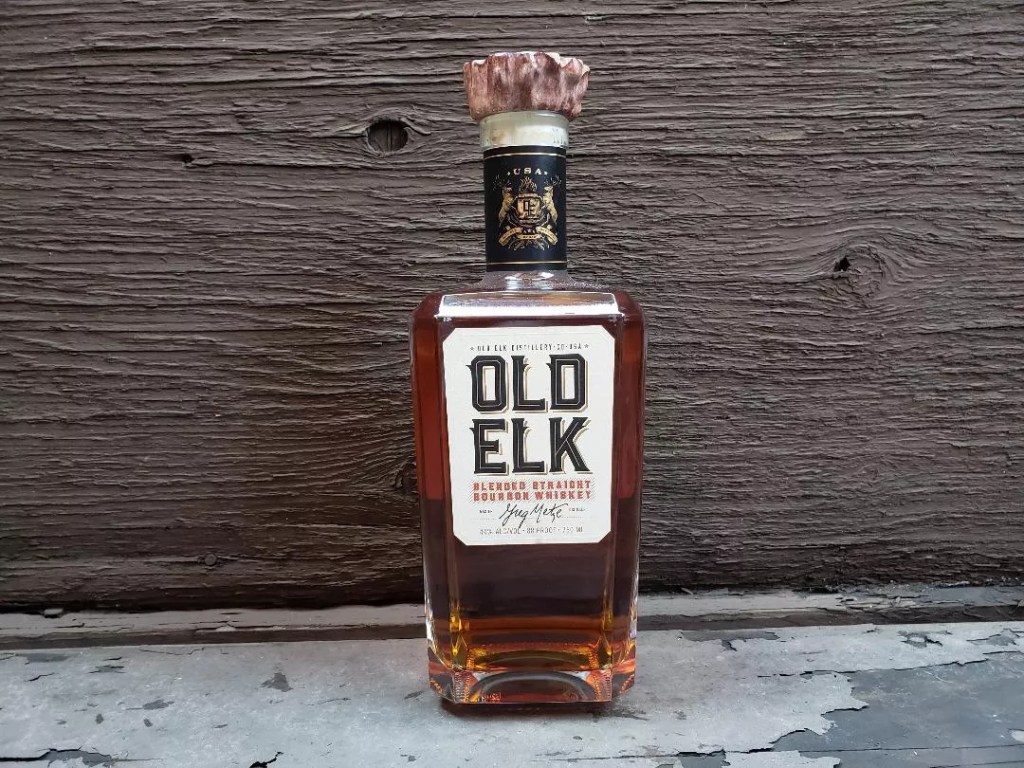
In 2025, the state has seen the closures of 52 Eighty Distilling in Littleton, CopperMuse in Fort Collins and 1350 in Colorado Springs, as well as Old Elk’s bar and tasting room in Fort Collins, which shuttered when the brand was sold to an Ohio distillery. However, some of the numbers being noted regarding industry woes don’t fully represent the reality.
The annual Craft Spirits Data Project, released by the American Craft Spirits Association and Park Street, notes steep declines in its tally of craft distillers. The 2024 CSDP counted 3,069 craft producers nationwide and 119 in the state as of August 2024. The 2025 numbers decreased to 2,282 nationwide and 82 in Colorado.
Linnea Covington
These declines — about a quarter nationally and a third in-state — have been reported elsewhere and would be catastrophic for the industry, if not for the asterisk that notes a change in methodology at ACSA. For 2025, ACSA staff went line-by-line through the roughly 3,000 licenses, removing distilleries that have licenses for multiple locations; distilleries that were counted in the past but have grown too large or have been acquired by an outside interest and no longer qualify under ACSA’s definition of “craft” (such as Stranahan’s and Breckenridge Distillery); distilleries that are still in planning or under construction; and those that have closed but haven’t relinquished their license yet.
To compare numbers, Lee Wood, board president at the Colorado Distillers Guild, pulled a similar list. After removing duplicate licenses, known closures, and large non-craft producers, his count was whittled down from 123 to 98 Colorado distilleries. He acknowledges including businesses that have a federal license but haven’t opened to the public yet, and potentially some that have closed.
“Maybe I take a little more generous of an approach to it than they do,” Wood says. “Unless I could find something that said these people are absolutely closed, I went ahead and left them on the list. If you’re a distillery and you’re trying to get a product going, then I think you ought to count. Maybe they’re producing, maybe they aren’t, or maybe they’re in the process of developing product.”
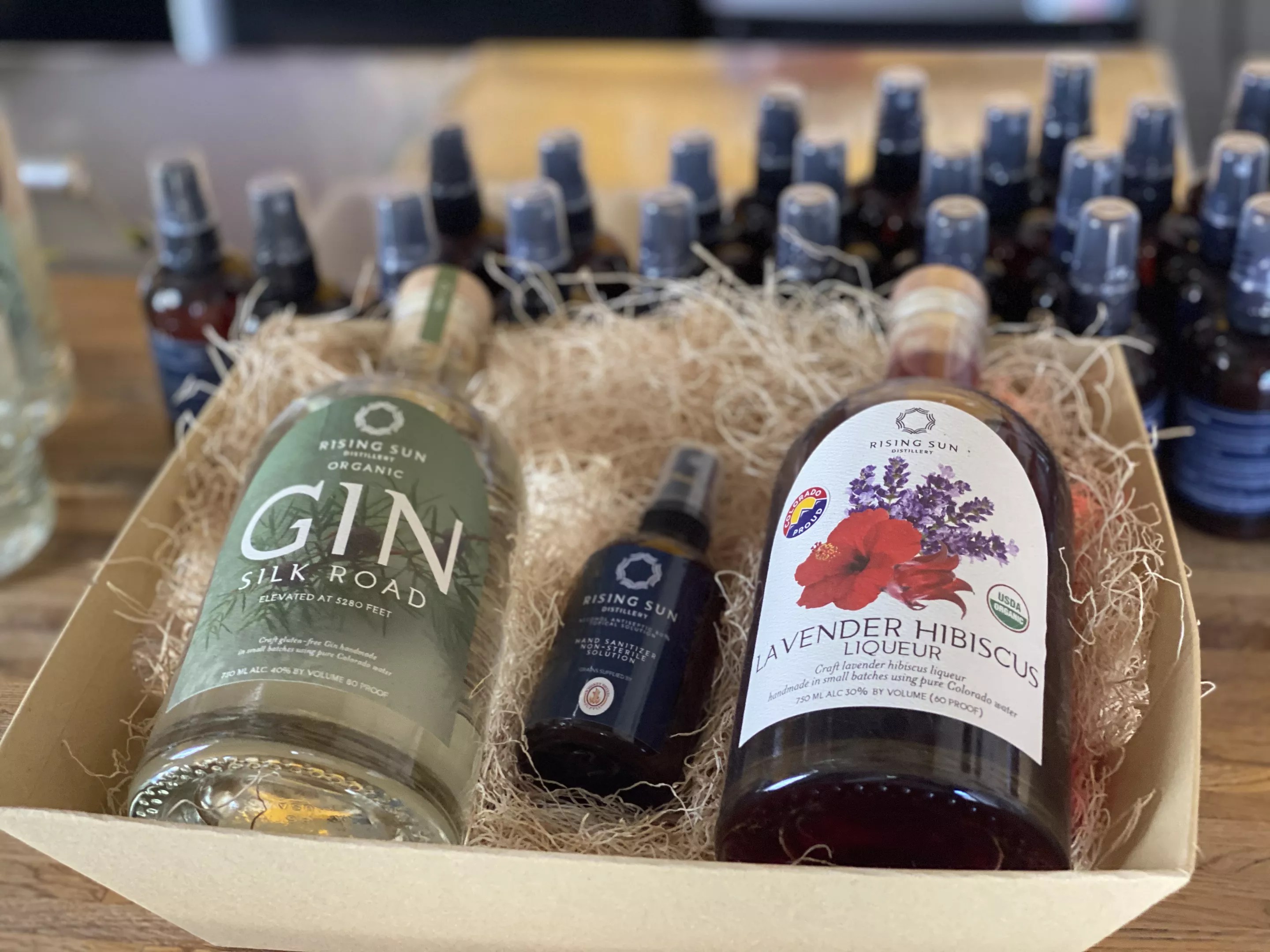
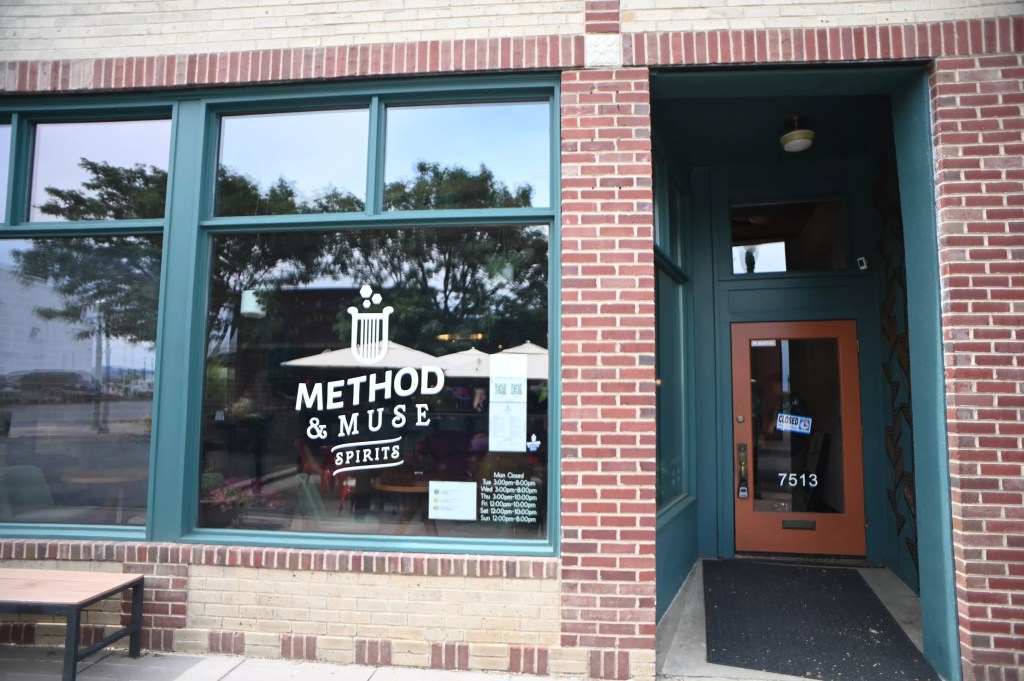
He notes that there are also new distilleries, such as Onyx and Amber in the former Rising Sun space, and Method & Muse in Olde Town Arvada, which offset some of the closures.
Gabe Toth
While the sky might not exactly be falling, distillers are seeing a notable contraction in the market. While state-level data are not available, craft spirits sales decreased by more than 6 percent in volume and by more than 3 percent in value year-over-year. Craft losses mirrored declines in the broader spirits industry, as craft maintained a 7.5 percent share of the market by value and nudged down from 4.6 percent to 4.5 percent of the market by volume.
As distillers transition away from the expectation of growth they held during the COVID era and immediately after, Wood says many producers are now hunkering down and refining their business models by asking questions like, “Who’s our target audience? Who’s buying our stuff? Where can we go narrow and deep, instead of shallow and wide? And really just figure out where this industry is going.”
With sales down, Wood says many distillers are conserving cash and relying on extra stock that they’d put up in recent years. “I think everyone’s feeling the pinch,” he notes. “There are a lot of distilleries that either just aren’t producing at all right now or have really ratcheted back their rate of production.”
What still remains to be seen is whether this downturn represents a long-term change in consumer behavior due to the sustained impact of social, economic, political, and demographic factors, or if this more closely resembles the craft beer bust of the late 1990s, which was followed by many more years of growth and the eventual maturation of the craft beer market.
“It’s been interesting watching the industry evolve, and I think people sort of figured there would be a shakeout at some point. But all of us optimists out there didn’t really anticipate the sort of industry downturn or systemic changes that we’re up against,” Wood concludes. “I think the landscape will look quite a bit different in the next few years than it looks right now.”