
Molly Martin

Audio By Carbonatix
In August, the Denver wine scene mourned the closure of one of the city’s most well-known and most respected wine bars, Noble Riot. Among the many reactions of those grieving its loss was a sort of self-loathing lamentation that the wine scene in Denver — and the opportunities for wine bars in particular — is forever stuck in the lasting shadow of the city’s world-renowned craft beer culture.
Viewed through that lens, wine bars in Denver are a curiosity. An anomaly. A square peg in the round hole of a city that’s been called the “Napa Valley of Beer.”
But Noble Riot’s former owner, Troy Bowen, isn’t having any of it. “I just don’t buy it,” he says. “It’s an easy out for someone to be dismissive and say we’re not a wine town.”
In fact, despite his personal disappointment in Noble Riot’s fate — which he blames more on the same market forces that have impacted far too many Denver area restaurants, shops and even breweries — he remains bullish that Denver’s wine culture is only poised to grow.
“At this point, everyone walks into a brewery and knows exactly what kind of beers are there,” Bowen notes. “But there’s a ton of curiosity about wine. Whereas beer, no pun intended, is kind of tapped out.”
Antony Bruno
Is Denver’s Craft Beer Bubble Bursting?
That’s a bold statement, but there’s an argument for it. Since the pandemic, Denver’s beer dominance has shown signs of cracking. Earlier this year, TRVE Brewing Company called it quits; Call to Arms Brewing will pour its last pints in December. Those closures are part of a concerning trend that saw more breweries shut down in Colorado last year (31) than open (25). Around 140 have shuttered in the state since the pandemic, says the Colorado Beverage Coalition.
Of course, wine’s not doing much better. According to the International Organization of Vine and Wine, global wine consumption fell 3.3 percent last year, to a six-decade low, and U.S. wine sales for the first half of this year are down 5 percent, according to a report by Terrain.
Both reflect sharp declines, particularly from members of Gen Z, who cite health and price as their top two reasons for cutting back on alcohol. But numbers can tell many stories. One argument is that although people are drinking less overall, they’re still drinking, perhaps trading frequency and volume for higher quality, pricier and, in some cases, healthier options. All three can tilt in favor of wine bars.
Courtesy of Society 303
Denver’s Natural Wine Revolution
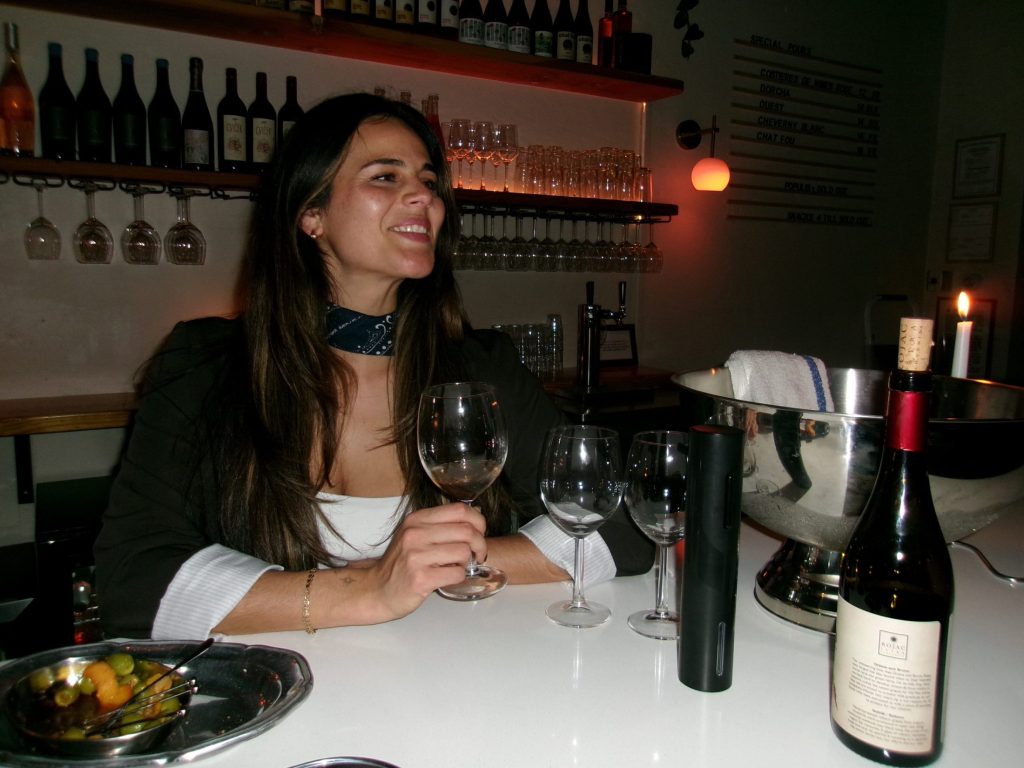
At least that’s what many wine bar newcomers are counting on. In September, before the echoes of Noble Riot’s closed doors had faded, Society 303 opened at 9600 East Colfax Avenue with a wine list featuring exclusively natural and low-intervention wines, and even some non-alcoholic options.
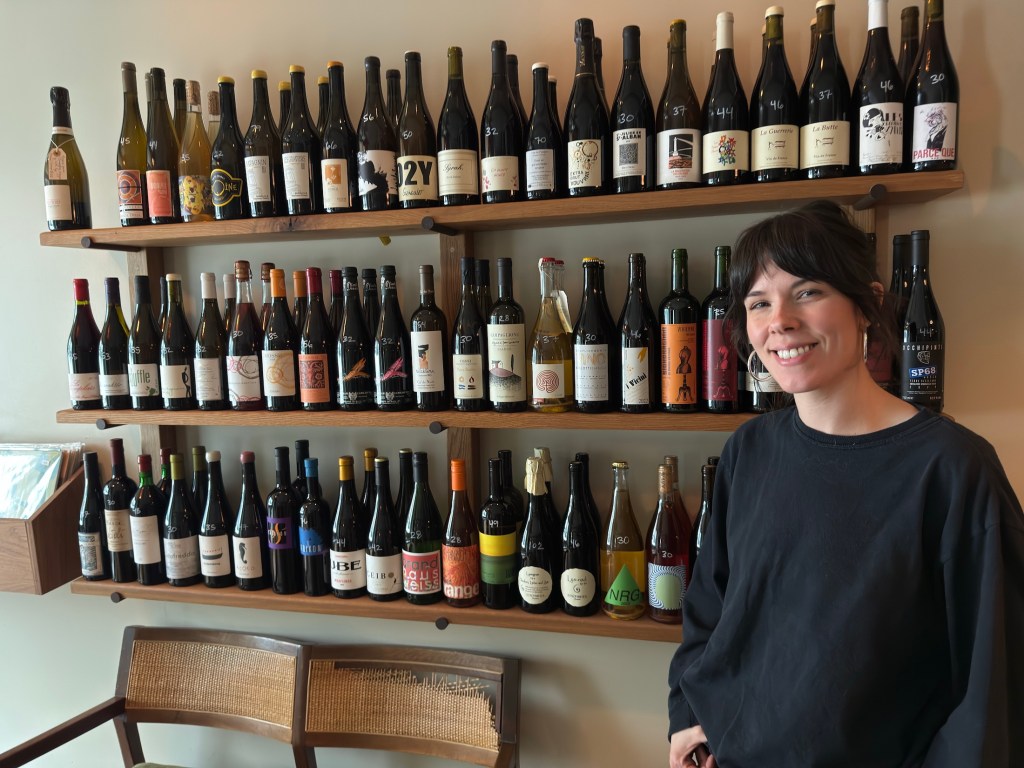
These so-called “natty” wines are broadly defined as those using no added sugar, yeast or chemicals, as well as organic ingredients. The category speaks to drinkers seeking what they feel are healthier wines that are better for the environment, and it’s one of the few sectors in the wine industry showing signs of growth.
“I’ve had a lot of people here who have moved to Denver from California, or Oregon, or New York who are so happy that there’s a natural wine bar in the area, because there aren’t many,” says Society 303 owner Natasha Sztevanovity, who moved to Denver in 2018 after growing up in the New York restaurant world. “So they’re kind of creeping out of the corners. There’s definitely a wine culture here. I just think that there’s not a whole lot of places where people can go and find what they’re looking for.”
Antony Bruno
Craft Wine for a Craft Town
Another element sought by many Denver drinkers that helped propel microbreweries to popularity is the sense of artisanal connection that comes with knowing not just the brand, but the location, ingredients and producer of the drink they’re enjoying. While most Denver wine bars can’t feature wines made on-site the way microbreweries (or wine-country tasting rooms) do, they can offer a highly curated selection designed to create a more personal experience.
“If I were to categorize Denver, it would not be a beer town, not a wine town, but a craft town,” says Aiyana Thoma, wine director at ESP HiFi, a vinyl listening wine bar at 1029 Santa Fe Drive. “People are curious about what they’re consuming, and people are beginning to get curious about wine in the same ways that they used to talk about hops and microbreweries. So I think there’s definitely space for ‘craft wine’ here.”
Restaurants like Hop Alley and MakFam offer wine lists leaning heavily to both natural wines and the trending orange wines that have gained popularity with younger drinkers (orange wines being white wines allowed to ferment for a time with their skins for added color and flavor). That’s a far cry from the dusty old wine lists promoted by jacket-and-tie sommeliers, and is a critical component of changing the perception of wine bars from bastions of stuffy pretension to young, hip and exciting spaces to gather.
“The whole orange wine thing has opened up a doorway for young folks in the same way that craft sours did with beer,” Thoma says.
Antony Bruno
Denver’s Best Neighborhood Wine Bars
The city’s wine bars are actually highly localized establishments designed to serve and reflect the neighborhood they inhabit, more like coffee shops than bars in aesthetics, environment and clientele.
Visit five different wine bars in Denver and you’ll get five different vibes. Denver is big. Neighborhoods are small. What works on Santa Fe won’t necessarily work in Uptown or Congress Park. The key to a wine bar’s survival is not the strength of the bottles served, but the space in which they’re consumed.
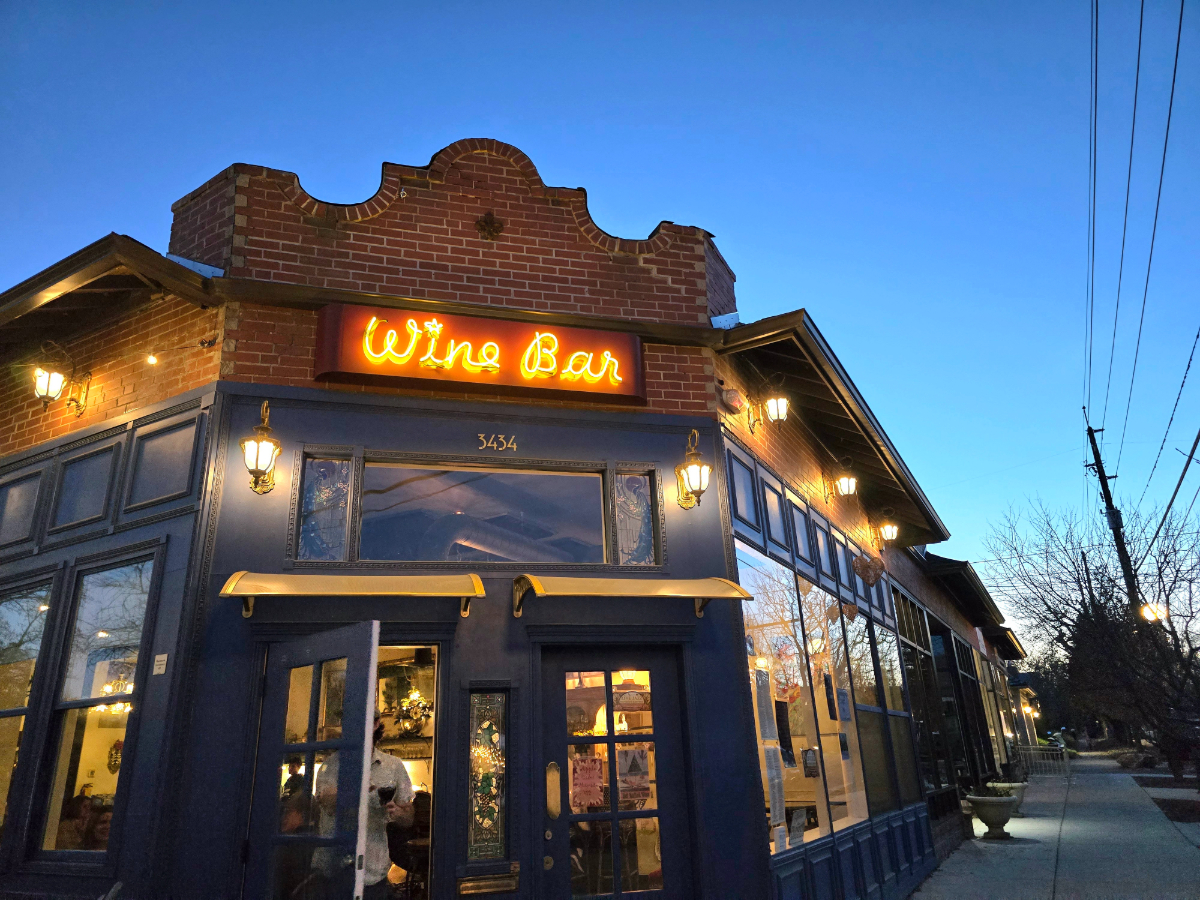
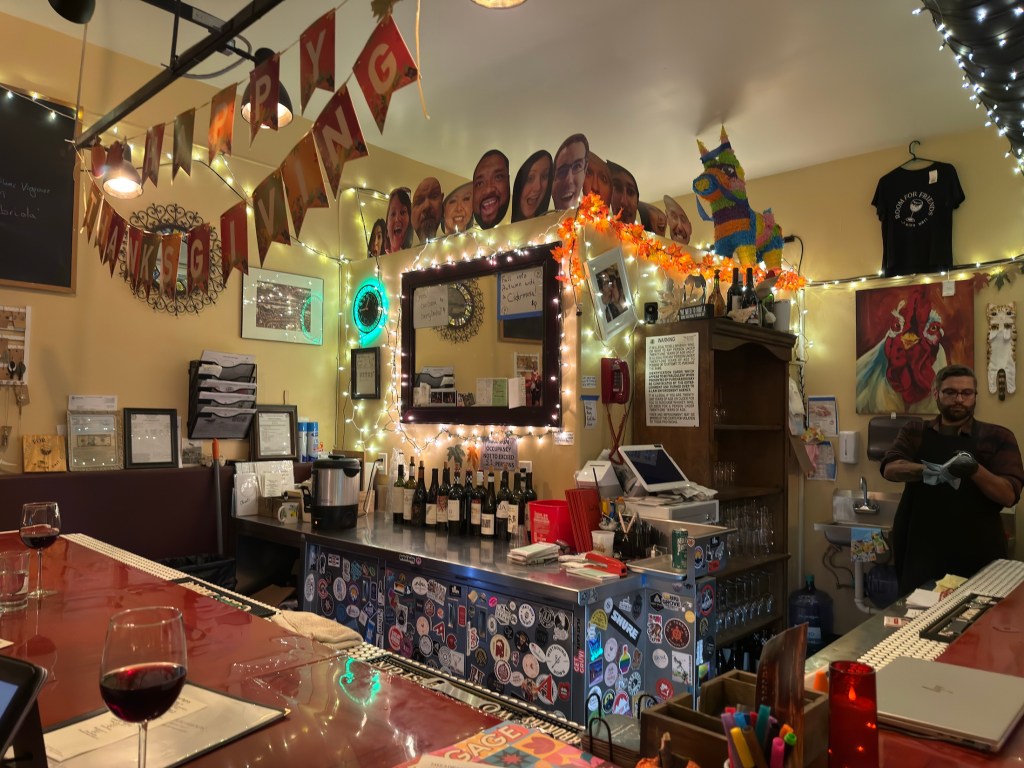
At Sienna Wine Bar in Congress Park, you’re transported to New Orleans, with flea-market velvet chairs, faux-golden framed mirrors, and artwork bought directly from Jackson Square. Head north to La Bouche in Uptown and you’re in France. Visit Vin Rouge in Berkeley and you’ll be reminded of a Santa Barbara home, passing living room couches and a dining room table on the way to the kitchen bar. ESP HiFi draws as many patrons for its vinyl-powered sound experience modeled after Japanese “kissa” listening rooms as it does with its highly curated natural wine list. Cross the street to Room for Friends, and it feels like you’re in a Midwestern dive bar.
Wine is about joy, after all. So to say that Denver isn’t a wine bar town is like saying it’s a joyless town, which it’s not. Wine bars may not fit into the stereotypical Denver archetype, but that’s changing as longtime residents travel and bring back elements of their discoveries, while newer transplants bring with them the trappings of home.
Sure, beer will always be central to Denver culture — but there’s room for something new. Just look at our dining scene: While Denver has plenty of steakhouses, the city can no longer be called merely a steak-and-potatoes town. Simple supply and demand alone suggest that our city can far better accommodate a new wine bar or two than yet another microbrewery in a town saturated with them. Even Noble Riot’s space at 1330 27th Street will become champagne bar La Vie en Rose next spring.
“It would be really wonderful to see more wine bars and little businesses like this pop up in the area, because I do think that people want that,” Sztevanovity concludes. “I just don’t think it’s talked about enough. People that come in say Denver’s like, five years behind on a lot of things. But it has all the potential.”