Sarah Woodson

Audio By Carbonatix
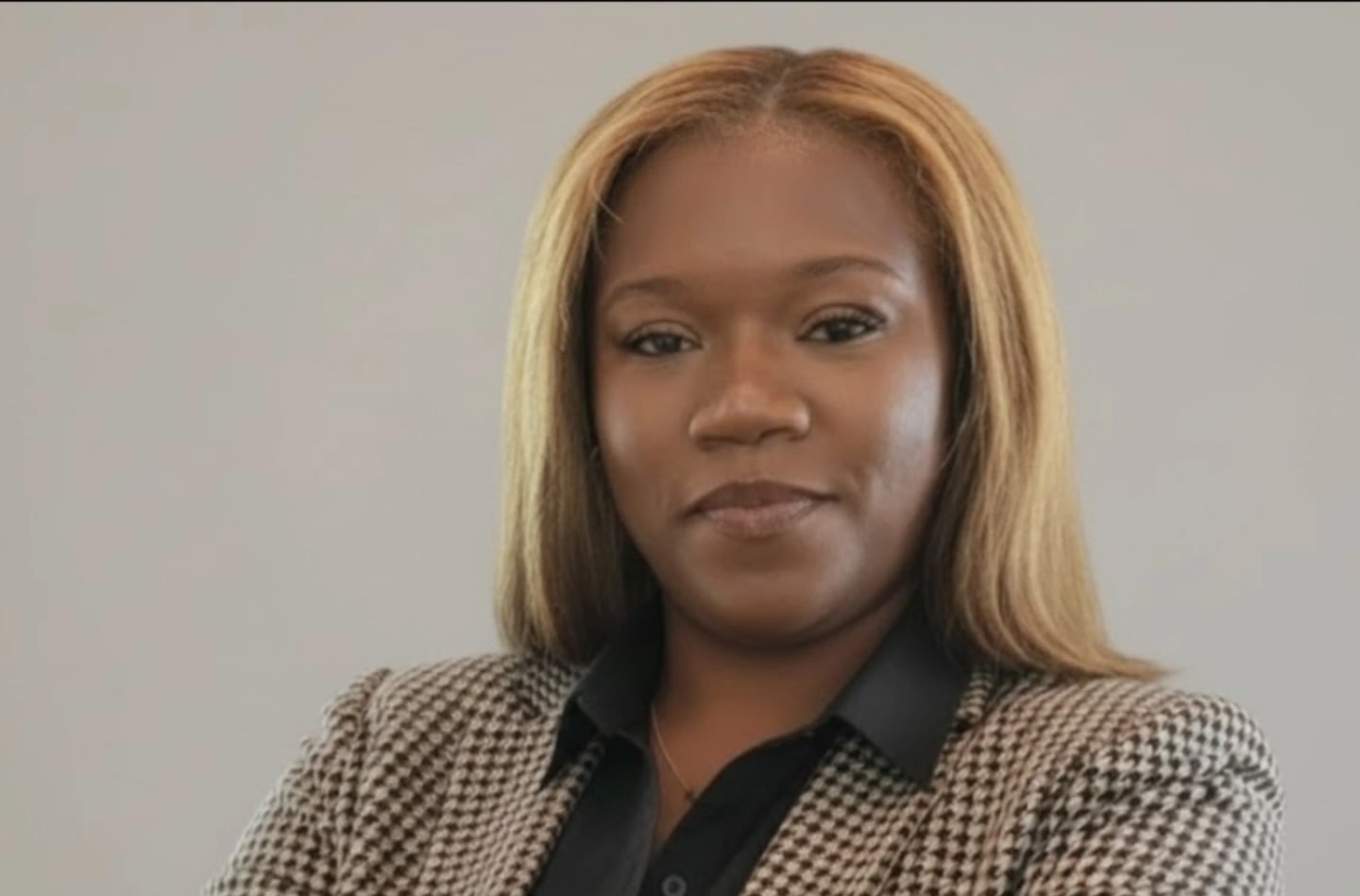
Sarah Woodson has never held public office before, but she has spent plenty of time at the Colorado State Capitol.
Trying to change cannabis laws tends to require that.
Woodson, 42, owns Denver’s first licensed mobile cannabis lounge, the Cannabis Experience, which offers pot-friendly tours and activities around town. She’s been pushing for diversity and equity provisions in the Colorado cannabis industry for the better part of a decade now, working with lawmakers in the state legislature and City of Denver to establish definitions and benefits for social equity business owners. She’s had wins and losses on the legislative front, and she’s seen the ebbs and flows of executing new laws over the last few years, too. But she’s ready to move on, and into a bigger House.
“After seeing how tough it was to make any change in that industry, I know I can make more change in this district,” Woodson says of her battles over pot policy. “I was hoping that we could do so much more, and then I looked around my House district.”
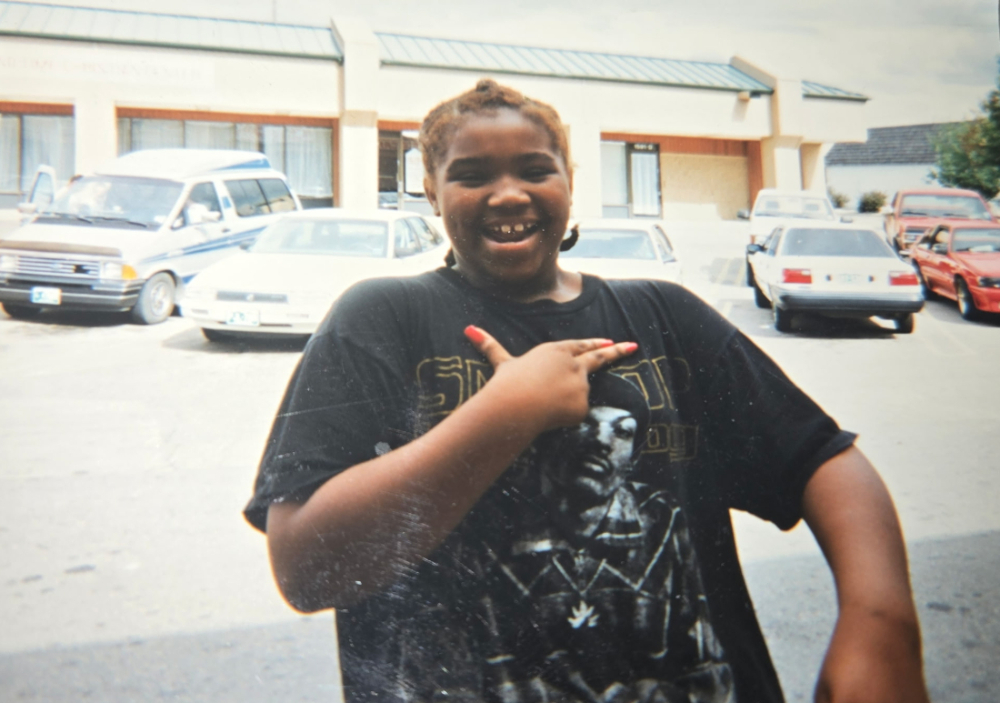
Woodson’s House District 42 is in north Aurora, where she went to elementary and middle school. Her mother owned a hair salon on East Colfax Avenue and Chambers Road for several years, and Woodson spent her formative years in Del Mar Park before moving to the southwest part of town in high school. But she continued coming back to see friends and work at places like Skate City and 707 Beauty Supply (neither of which are still there) as well as the Aurora mall.
After working in the cannabis and social equity arenas, Woodson believes she’s ready to represent District 42 in the Colorado House of Representatives, where she wants to tackle topics like public education, artificial intelligence and local business revitalization. Since joining the race in December, she’s been campaigning to unseat incumbent Democrat Mandy Lindsay, facing a crowded field of other Democratic challengers.
“I already have constituent-led bills, things people have brought to my attention, that I want to focus on for the first two years,” Woodson says. “As I slowly transition out of cannabis, equity work is no longer supported the way it used to be in Colorado. We had very good intentions, and it pains me to say that our program was not successful.”
Sarah Woodson
Woodson was part of a coalition of activists and lobbyists that pushed for a definition of social equity business owners in the legal cannabis space, intended to provide more affordable business licenses to people from communities most impacted by the War on Drugs. She’s also run various business incubation programs through her advocacy organization, the Color of Cannabis, and has successfully pushed for technical assistance, grants and loans for social equity entrepreneurs in the cannabis space. The state’s social equity definition has been criticized for being too susceptible to licensees connected to corporations or cannabis chains, however, while smaller entrepreneurs have struggled to get their businesses off the ground. Some of this can be attributed to a struggling cannabis market across the board in Colorado, but Woodson says it had other challenges.
“One thing I’ve learned is that you have a demographic of Democrats who do not support small businesses. They might support corporate business, but not small business. I’ve learned how to navigate those types of folks and form partnerships within them,” Woodson says. “People don’t always understand that change is incremental, but then you’re also working with people who don’t have the funding or financial runway to hang in there for four or five years as you try to get policies passed. That spirit of wanting change starts to die down, and that’s what they want. They want you to feel like you don’t have the ability to make change.”
After a trip to Washington, D.C., in 2025, Woodson says she was inspired to enter public office. If elected, she hopes to keep a close eye on the Aurora Downtown Development Authority, a local effort approved by voters to revitalize downtown Aurora.
“That’s being led by the city, but you need a strong state partner to secure more funding and protect local businesses,” Woodson says.
Social and emotional learning in public schools and hiring more teachers that match north Aurora’s student demographics are also priorities for Woodson, who says that “most of our kids in the district are Hispanic, but the teachers are not.” She would also like to see more programs in place for teenagers that encourage employment, entrepreneurship and activism.
“There has been a lot of work at the Capitol acknowledging the disparity in student-teacher ratios compared to the ethnicities of their student bodies. I’d like requirements in place to show us reports and actual stats that show how you are making sure your teacher population reflects your student population. That is important for my district and others where people have a diverse student population,” Woodson says. “They need to have some time and financial stability to prevent them from committing crimes. Poverty and crime go hand in hand.”
Woodson knows the state is facing a budget crisis, and is hopeful she can get fiscally creative with new studies and programs that could help support certain causes when more state funding becomes available. But she doesn’t plan on introducing any cannabis legislation if she gets into office.
“It’s not that I want to stay away from it, but I think I can do so much more. It’s just not enjoyable anymore,” she says. “So I’m talking to as many people as I can right now, learning their needs and ways I can help them.”
Woodson will find out if she makes the primary ballot next week, with the Arapahoe County Democratic Caucus on March 3 and in-person Assembly on March 7.