
Phil Roeder/flickr

Audio By Carbonatix
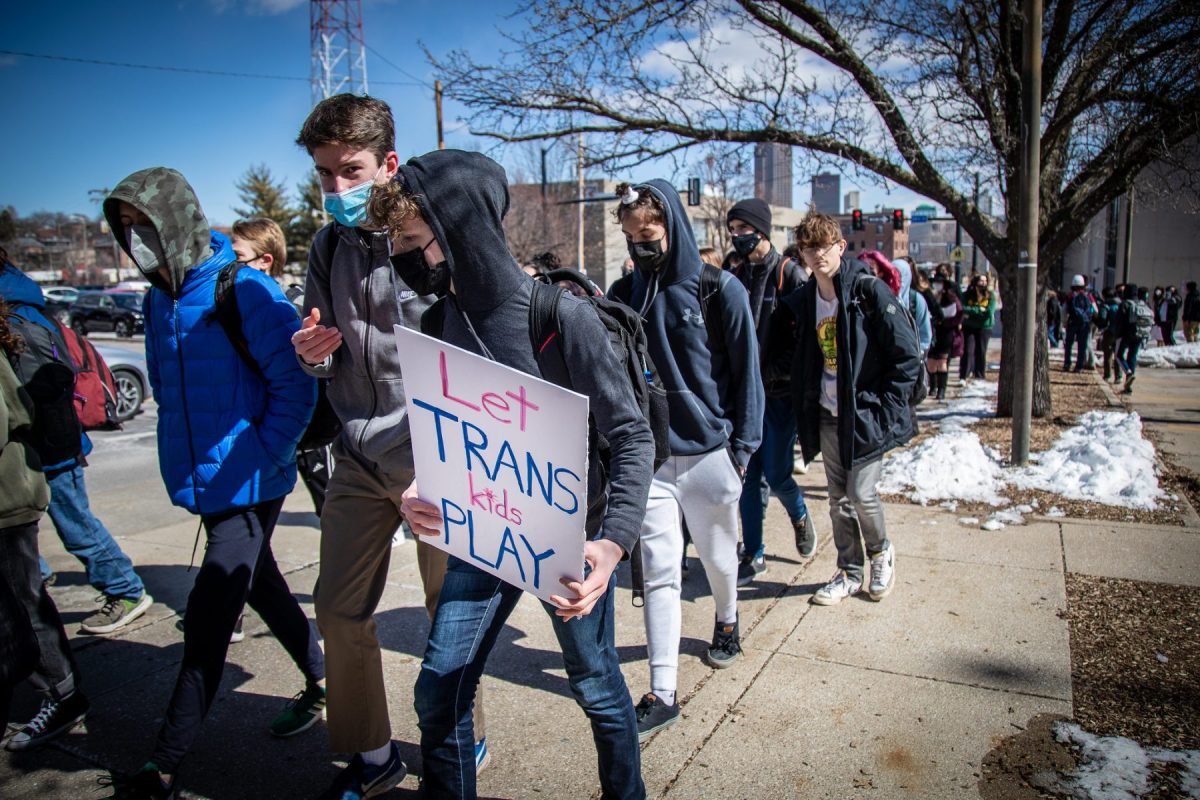
The future of Colorado’s transgender youth will be in the hands of voters this November.
An initiative to prohibit transgender students from playing on K-12 and college sports teams that don’t align with their sex assigned at birth qualified for the statewide ballot on Monday, March 16. Proponents submitted over 168,000 signatures in support of the measure, exceeding the required 124,238 signatures, according to the Colorado Secretary of State’s Office.
The proposal comes from anti-transgender activists Erin Lee of Wellington and Michele Austin of Englewood — and it’s not the pair’s only ballot bid. They’re leading another initiative proposal that would restrict gender-affirming medical care for minors, prohibiting “any surgery” to alter “biological sex characteristics.” Petition signatures for that initiative were submitted on February 20 and are currently awaiting certification from the Secretary of State’s Office.
“The fight is ON — and we’re just getting started,” Lee shared in an online statement. “The legislature won’t protect our daughters. DC isn’t stepping up. So the PEOPLE of Colorado are taking charge.”
This comes as Colorado was recently targeted by the federal government over its handling of transgender student athletes. On March 13, the U.S. Department of Education ordered Jefferson County Public Schools to reverse policies allowing transgender students to access sports teams, bathrooms, locker rooms and other accommodations. The U.S. Supreme Court is currently weighing whether to uphold state bans on transgender athletes participating in girls’ sports teams.
The local attacks have inspired outrage among Colorado LGBTQ+ groups.
“We will work tirelessly between now and November to make sure voters understand exactly what this effort is about. It’s about bullying little kids and taking opportunities away from a handful of people,” says Mardi Moore, CEO of Rocky Mountain Equality. “This is an attack on Colorado families modeled after national extremist efforts. Coloradans believe in fairness, freedom, and the right of every person to live their lives.”
The Colorado ballot measures contribute to a national trend of anti-transgender policies this year. Ballot proposals involving trans athlete bans, gender-affirming care restrictions and name changes have also been proposed in Arizona, Maine, Missouri, Nevada and Washington, according to the Ballot Initiative Strategy Center.
“These politically motivated attacks endanger transgender youth and their families while wasting tax dollars and undermining community well-being,” says Andrea Hong Marra, CEO for Advocates for Trans Equality. “Transgender voters are our neighbors, coworkers, friends, and family members, and like everyone else, we deserve safety, dignity, and equality.”
Colorado is one of 24 states that allow citizen-initiated measures, letting residents bypass the legislature and petition to bring policy proposals directly to voters.
Here’s how the rest of the state’s citizen-initiated ballot proposals are panning out:
Other Measures Voters Will Consider
Three additional measures have already qualified for the ballot. Unless sponsors pull the initiatives, Coloradans will vote on the following proposals in November.
Penalties for Fentanyl Crimes
Initiative 85 would increase the felony classifications for drug-related crimes for the distribution, manufacturing, dispensing, sale or possession of fentanyl and certain synthetic opioids. It would also narrow or eliminate sentencing exemptions and create mandatory treatment requirements for certain drug felony violations. The initiative comes from Michael Fields, president of the conservative advocacy group Advance Colorado.
Proponents submitted nearly 188,000 petition signatures on November 20. The Colorado Secretary of State’s Office announced that the signatures are valid on December 15, officially earning the initiative a place on the ballot.
Law Enforcement Reporting Requirements to Federal Authorities
Initiative 95 would require Colorado law enforcement agencies to notify the U.S. Department of Homeland Security when a person who is not lawfully present in the country is charged with a violent crime, or charged with any crime if the person has a prior felony conviction. Current law prohibits state, county and local employees from disclosing personal identifying information to assist with federal immigration enforcement. The measure, which also comes from Fields, would require an amendment to the state constitution, so it must earn 55 percent of votes to pass.
Proponents submitted nearly 200,000 signatures on December 26. The Secretary of State’s Office certified the signatures on January 23.
Penalties for Human Trafficking of a Minor
Initiative 108 would make the human trafficking of a minor for sexual servitude a class 1 felony instead of class 2, making the offense punishable by life imprisonment. Like the anti-transgender measures, this proposal also comes from Lee and Austin.
Proponents submitted nearly 170,000 petition signatures on February 17. The Secretary of State’s Office certified the signatures on March 5.
Ongoing Proposals
Three proposals are currently approved to circulate petitions. Proponents need to collect 124,238 signatures from registered voters to get their initiative on the ballot, and they only have six months after the bill title is set to do so.
State Revenue Supporting Road Transportation
Initiative 175 would require that state taxes on motor vehicles and gas be used to fund the construction, repairs and maintenance of roads and bridges. The proposal comes from Michael Andre Hancock of Aurora and Donna Kim Wade of Littleton. The petition is due on May 27.
Right to Natural Gas
Initiative 177 would enshrine in the Colorado Constitution the right to purchase and sell natural gas for cooking or heating in homes or businesses. The proposal comes from Fields and Steven Ward of Advance Colorado. The petition is due on June 25.
Graduated Income Tax
Initiative 195 would enact a graduated income tax rate, increasing taxes on individuals and businesses earning more than $500,000 in annual taxable income, and lowering taxes on those earning less. The proposal comes from former state representative Chris deGruy Kennedy and Kiyana Newell of New Era Colorado. The petition is due on August 3.
Fifteen proposals were approved by the title board but are not yet petitioning; another fifteen are awaiting consideration by the title board, and two are awaiting decisions from the Colorado Supreme Court before they can move forward. An additional 91 proposals have expired, been withdrawn or were rejected by the title board.
The final deadline to file an initiative petition for the 2026 election is August 3. Election Day is Tuesday, November 3.