
Karollyne Videira Hubert/Unsplash

Audio By Carbonatix
Keep Westword Free
We’re aiming to raise $20,000 by April 26. Your support ensures Westword can continue watching out for you and our community. No paywall. Always accessible. Daily online and weekly in print.
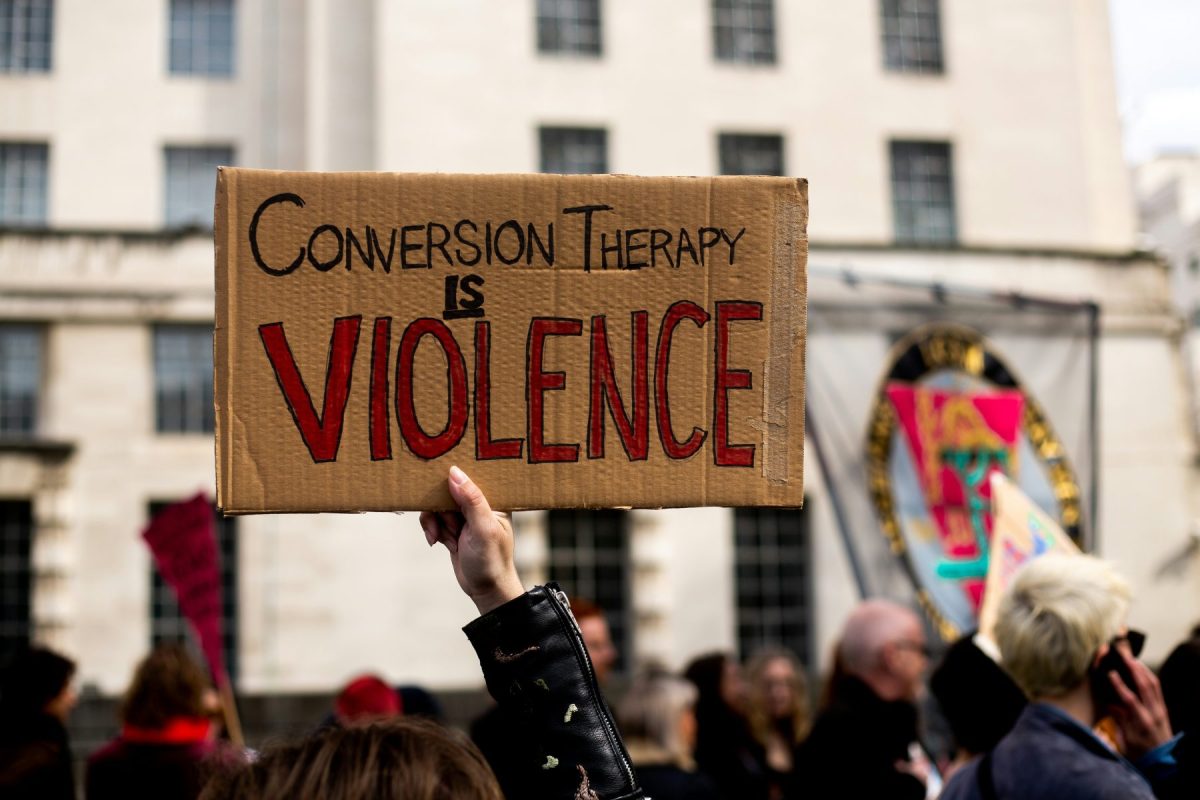
As the U.S. Supreme Court considers whether Colorado’s conversion therapy ban is unconstitutional, state legislators will consider whether to double down on their opposition to the discredited practice.
A new state bill, House Bill 26-1322, would establish a cause of action for patients harmed by conversion therapy to sue the mental health professionals who subjected them to it. Conversion therapy is a treatment used to try to change a person’s sexual orientation or gender identity. The practice has been denounced as harmful and ineffective by every major medical organization in the country, including the American Medical Association, American Psychological Association and American Counseling Association.
“Conversion therapy doesn’t fix anything because nothing is broken,” says Democratic Representative Alex Valdez, a lead sponsor of House Bill 1322 and a member of the legislature’s LGBTQ+ caucus. “The harms are well documented in literature, film and professional analysis. …Colorado is making a statement that we will not make it easy to cause harm, we will continue working towards a world where LGBTQ people are treated as equals not in need of ‘conversion.'”
Colorado legislators prohibited conversion therapy for people under eighteen in 2019. But that ban could soon be overturned.
Kaley Chiles, an Evangelical Christian therapist out of Colorado Springs, has challenged the ban in court, arguing that it violates her free speech rights. The Tenth Circuit Court of Appeals ruled against Chiles in September 2024, upholding the state’s conversion therapy ban. But the case has since advanced to the conservative-leaning Supreme Court, which is reportedly leaning in Chiles’s favor.
The Supreme Court is expected to issue a decision by the summer. If passed into law, House Bill 1322 would take effect at around the same time, on July 1.
Under the bill, a person who suffered “psychological injury or illness” from efforts to change their sexual orientation or gender identity could bring a lawsuit against the licensed mental health professional and/or their employer. The victim could be awarded economic, non-economic and exemplary damages.
The bill would allow civil action to be commenced at any time, without being subject to typical statutes of limitations. As explained by the bill text, “the psychological harm caused by sexual orientation or gender identity change efforts often do not manifest until years or decades after the efforts occurred. Survivors frequently fail to recognize such treatment as harmful and fail to connect their psychological injuries to the treatment until much later in life or are deterred from coming forward by shame instilled by the treatment itself.”

Karollyne Videira Hubert/Unsplash
House Bill 1322 has already received support from the Colorado Center on Law and Policy, Mental Health Colorado and the Colorado Consumer Health Initiative, Vivent Health, as well as the LGBTQ+ nonprofits One Colorado and Rocky Mountain Equality.
“Decades of research have made it clear that conversion therapy is harmful and unethical,” says Jax Gonzalez, political director of One Colorado. “Survivors often carry the effects of these practices for years, including depression, anxiety, and deep feelings of shame. When licensed mental health practitioners inflict that kind of harm, survivors deserve the chance to hold them accountable. This bill helps ensure that people who were subjected to these practices are not denied justice simply because it can take time to understand and process the trauma they experienced. It is about giving survivors the opportunity to seek accountability and helping prevent others from being harmed in the future.”
No organizations have registered in opposition to the bill as of Wednesday, March 18, according to the Colorado Secretary of State’s Office.
House Bill 1322 was introduced to the Colorado Legislature on March 4 and assigned to the House Judiciary Committee. It has not yet been scheduled for its first committee hearing.