Monika Swiderski

Audio By Carbonatix
Step inside a Colorado dispensary today, and you’ll see more options than ever before: vapes and pre-rolls of all shapes and sizes, every flavor of THC gummy you can imagine, jars full of hash, bottles of infused drinks and lotions. But actual weed? That sticky, icky stuff you break apart and smoke?
It used to be stickier, ickier and produced with more passion — and less mold remediation. Just ask the people who grow it, sell it and smoke it.
Past the Peak
Few people in Colorado have smelled or seen more varieties of legal weed than Spencer Laster. In 2015, the year after recreational sales began in Colorado, he started working for what would become one of the state’s largest dispensary chains, LivWell Enlightened Health; he’s been budtending ever since. A consumer of cannabis since 2012, Laster now works at the Herbal Cure, a mom-and-pop dispensary in south Denver.
“Cannabis helped me be able to center and ground myself. I also like to make music and tie-dye, and it’s been a great use for that creatively,” says the longtime pot purveyor. “I would say I care greatly about the quality: how it’s grown, how it’s cured.”
Laster isn’t looking for the most expensive weed, just something with personality, from a grower he can trust. While he’s proud of the Herbal Cure’s selection and in-house cultivation, Laster doesn’t have the same confidence in the majority of Colorado’s stores and growers.
“Everybody is in a race to the bottom. It’s all cured the same and meant to be super-affordable, but it all looks and smells the same. It doesn’t feel like people are growing what they actually like to grow anymore,” he says. “It just seems like everybody is in competition to sell something even cheaper, which drives less quality…then you have pesticides, regulations and everyone growing the same thing.”
Laster’s not saying this out of bitterness or generational superiority, and Colorado is not without talented and honest cannabis growers and dispensary owners. But commercialization, economic trends and the inevitable burst of Colorado’s once-unique bubble have turned the state’s cannabis industry into a scene filled with single-use vapes and strains that sound more like candy and ice cream flavors, from Animal Cookies to Zkittlez.
Denver dispensaries used to be stocked with strains that had diverse flavor profiles and told stories of regional pride, like Colorado Cough (a Fort Collins specialty) and Ghost Train Haze, which won Denver grower Scott Reach a High Times Cannabis Cup in the 2010s…back when it still meant something.
Flickr/Furvert 101
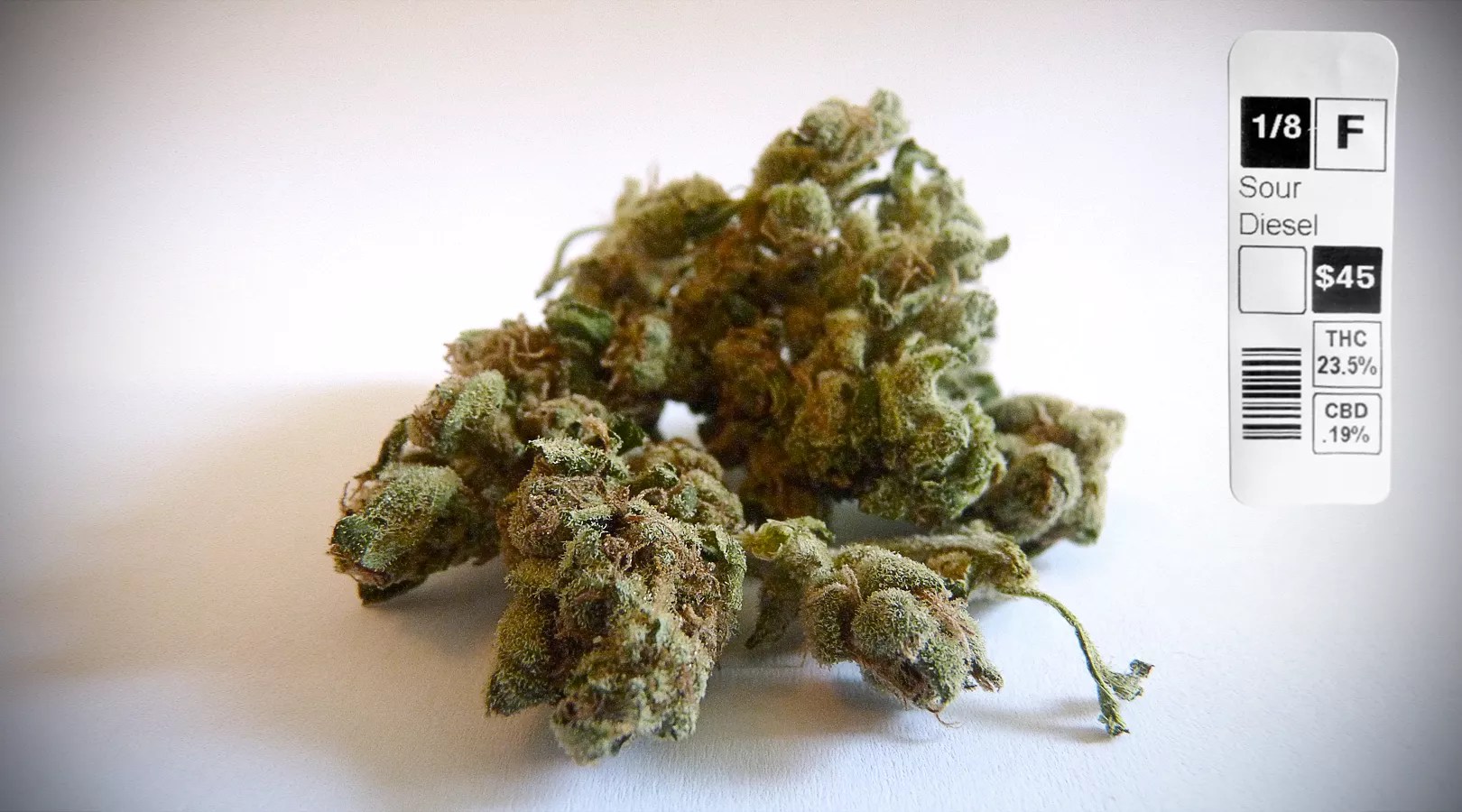
But both strains are true sativas, which often take ten to twelve weeks to fully mature before harvest. Business owners soon realized that keeping strains to eight weeks was more profitable, and dumped the time-intensive Coughs and Hazes. Even Sour Diesel and OG Kush, once the standard bearers of American cannabis, are difficult to find in Colorado nowadays, because they take a few weeks longer to grow and don’t produce the large yields of newer varieties bred for commercial production; growers who do keep those genetics alive will harvest a few weeks early to keep production on schedule.
If you do come across a true representation of Colorado Cough, Nick Johnson would love to document it. He’s been a full-time photographer of Colorado cannabis since 2019, and spent years as a medical marijuana caregiver and grower before that. Like Laster, he finds dispensary flower lacking innovation and gusto.
“There always seems to be something with Cookies or Gelato in the name. Some of those Chem and OG strains from the earlier years, stuff that was not easy to grow from a production standpoint, it’s hard to find those now. The true expressions of those strains really don’t come out until the last few weeks,” he says. “There is a lot of low and mid-tier cannabis, and very little top-shelf making it into dispensaries right now.”
The decline isn’t just anecdotal. A handful of recent studies and reports have quantified just how questionable Colorado cannabis can be.
What’s On My Weed?
A 2025 Colorado Public Radio report showcased test results for fifteen dispensary products; four of them contained levels of yeast and mold that would have failed state testing limits. The tests also found chemical components of pesticides and other forms of bacteria, according to CPR.
Earlier this year, a joint project between Pro Publica and the Denver Gazette offered evidence that THC extracted from hemp, which is banned in Colorado and not part of the licensed market, had been used in the manufacture of vape products sold in dispensaries. At least three Colorado cannabis businesses were suspended or ceased operation after Colorado Marijuana Enforcement Division (MED) officials found evidence of hemp-derived THC in their products, the project reported.
Studies from the University of Colorado Boulder have shown that many THC potency percentages given for retail cannabis products are inflated or misstated. In 2025, Colorado cannabis testing facility RM3 Labs was fined $200,000 and lost its license after MED and state Department of Public Health & Environment (CDPHE) investigators concluded the lab was inflating potency data, among other violations.
“A large majority of companies are after price point and potency. I hear it from the cultivators, too: No matter how good the strain smells, if they can’t get it above 20 percent THC, then it’s not going to sell. Dispensaries won’t even buy it,” Johnson complains.
The MED, which is responsible for regulating Colorado’s cannabis industry, has issued a series of testing requirements for pesticides, heavy metals, mold, yeast and aspergillus (a specific but common type of mold), as well as several other contaminants. The MED has established a quarantine and recall system for cannabis products that fail post-processing testing, instituted a “best by” date label for dispensary product packaging, and is working with the CDPHE to conduct a field study largely centered on dispensary product inspection.
The rate of recalls hasn’t slowed as more testing requirements are added, however, and the MED’s processes are being audited at the request of state legislators.
“Despite Colorado’s reputation as a leader in cannabis regulation, these findings indicate a serious breakdown in enforcement, necessitating immediate legislative attention to protect consumers from unsafe products and misleading claims,” reads a 2025 letter from state senators Byron and Ron Pelton, who referenced the CPR report.
But business owners argue that Colorado’s testing regulations are too strict, and a large reason why so much cannabis seems lackluster. Westword recently interviewed over a dozen licensed cannabis business owners and employees; they all note that a significant amount of cannabis sold in Colorado is treated by ozone machines, large-scale microwaves, forms of X-rays or other kinds of remediation — perfectly legal under state rules since 2021.
Remediation methods must be approved by the MED, and the companies behind them claim to kill upwards of 99 percent of microbial presence in cannabis. But the jury is still out on the long-term effects of consuming remediated flower, and surveys have registered consumer hesitation regarding remediated flower and a preference for labeling to indicate when cannabis has been remediated. For example, ozone machines, a popular technology used by real estate agents to rid homes of nicotine and other odors left by former occupants, remove most aromatic compounds as they kill off contaminants.
According to growers interviewed by Westword, it’s common to subject cannabis to remediation before it’s submitted for testing, out of fear of failing and having to pay lab fees twice. These precautionary post-harvest tactics are used by good and sketchy players alike, says Phil Jenkins, owner and operator of Fremont’s Finest extraction.
Courtesy of Malek Noueiry
“Some of these businesses are paying people the bare minimum now to run their grows. They don’t care about powdery mildew or the growers, and it’s all going to go through remediation, and they can sell it for $60 an ounce,” explains Jenkins, who worked on cultivation staffs in Denver before starting his own business. “There are companies that mark their flower as pesticide-free, but they just remediate everything.”
Femont’s Finest makes hash rosin for the medical marijuana sector, and sources its cannabis from an outdoor grow owned by Jenkins. Keeping things relatively small and outdoors has allowed Jenkins to keep a close eye on his starting material while also maintaining affordability in Colorado’s rosin market. But if someone is looking for the best flower in Colorado, he’s not certain it will be found at a dispensary.
“When you look on the black market, people are paying $300 to $400 an ounce, and it is more flavorful and it doesn’t have some ozone-y hum that a lot of shit on dispensary shelves has nowadays,” Jenkins says. “There are a lot of glass jars in dispensaries with a bunch of that dry kief-crumble-trim mixture at the bottom, because it just all gets thrown around [after harvesting]. It sucks for the growers and producers, and we’ve definitely gotten walked on a lot.”
Jenkins agrees that inspections and contaminant testing are a necessary part of legalization, but he and other growers believe the MED’s testing rules are too harsh and question how effective they really are in keeping cannabis safe for consumption.
It’s not like most cannabis growers want to grow mediocre or uninspiring weed. Depending on who they work for, some claim they don’t have much of a choice. Another common argument: The majority of dispensary shoppers don’t care as long as prices are low and THC percentages high.
“I think we’ve been oversaturated for a while. There has been a lot of overproduction, which has led to, for lack of a better term, ‘price wars,’ and people focusing on survival first,” explains Malek Noueiry, the owner of Malek’s Premium Cannabis, an award-winning, Denver-based growing and extraction operation. “And during price wars, a lot of corners are cut, and quality is one of the first things that goes.”
After over a half-decade, this war has growing a body count.
Red Market
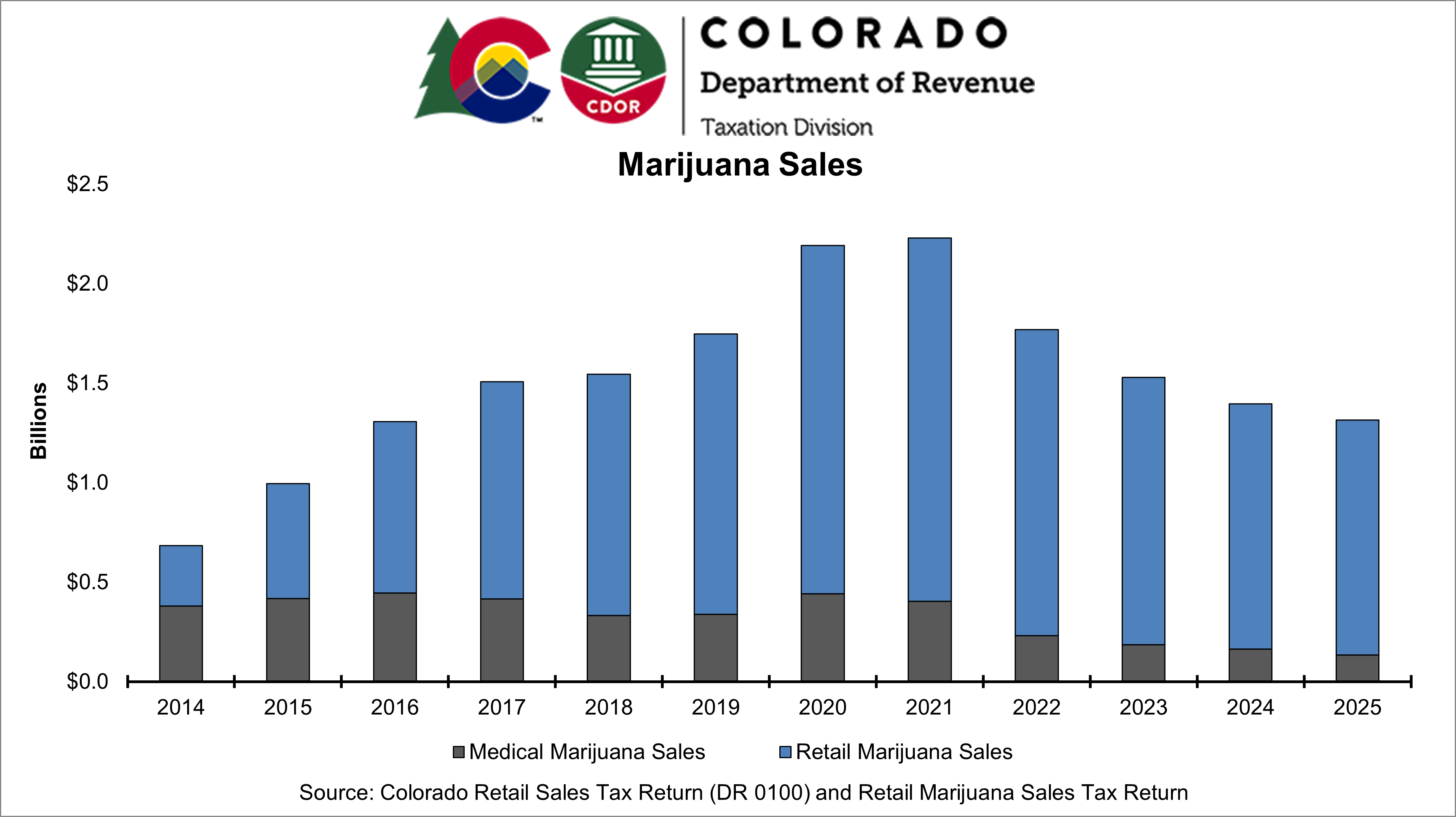
The money coming to Colorado’s cannabis industry has been plummeting for about five years. Since the state Department of Revenue began keeping track in 2014, wholesale prices have never been lower, with desperate growers and major operations trying to liquidate thousands of pounds at once. The dropping prices have been mirrored by tanking dispensary sales, which decreased by over 40 percent from 2021 to 2025, to around $1.3 billion at the end of last year, state records show.
Growing operations have been hit hardest by the pot recession. The number of registered cultivations in Colorado has dropped by over 44 percent since January of 2021, from 1,179 to 659 (this includes both medical and recreational licenses). Over that same period, dispensary licenses have dropped by just under 9 percent, according to the DOR.
Colorado Department of Revenue
Noueiry’s days as a licensed grower date back to the 2010s with MMJ America, one of many defunct Colorado dispensary chains “that tried to grow too big, too fast,” he says. The Texas native launched his own grow in 2020, and Malek’s has found critical acclaim while slowly expanding the product line, from flower to eventually hash rosin and pre-rolled joints.
But growth and acclaim haven’t filled Noueiry’s bank account, he says, and each reinvestment in his business feels risky.
“When I bought this license in 2019, the people who sold it to me didn’t sell it to me because they thought the market was in a good place. They thought it was dipping and would continue to dip – and for the most part, they were right,” he says. “How could they have seen COVID happening?”
Wholesale prices and dispensary revenue indicated that Colorado cannabis was headed for an industry dip in 2020, but then the pandemic hit. Months of intermittent stay-home orders breathed life back into dispensaries — too much life, perhaps. Growers expanded their plant counts and new licensees continued to open across the state as dispensary sales rocketed from $1.75 billion in 2019 to almost $2.2 billion in 2021.
Then the bottom dropped out. “The market just fell off so fast, right around September of 2021,” Noueiry recalls.
Although the number of growers has decreased significantly since 2021 and sales keep falling, dispensary licenses have dropped at a rate less than a quarter of that, disrupting the cycle between stores and vendors. But there are cracks at the retail level, too.
Over the last two months, Colorado’s largest dispensary chains have shown signs of serious financial strain. In March, PharmaCann Inc., the Chicago-based corporation that now owns LivWell Enlightened Health, announced it would lay off 132 employees as it closes a major Denver cultivation and processing facility. Minneapolis-based Vireo Growth had agreed to buy LivWell’s Colorado assets last December, but only seventeen of its 21 stores and zero cultivation facilities were included in that deal.
LivWell is currently tied with Native Roots for the most storefronts in Colorado, at 21 locations each. However, Native Roots announced in March that it, too, would be sold to a cannabis capital investment firm, which agreed to buy seventeen of Native Roots’s 21 locations — and none of its major grow facilities.
Weeks before the top two dispensary chains announced major shakeups, Colorado’s third-largest weed retailer, the Cannabist Company, owner of the Green Solution and Medicine Man dispensaries, was sued by a vendor over an alleged non-payment of almost $400,000 across seventeen locations. Since purchasing the Green Solution in 2020, the Cannabist has closed six of its locations.
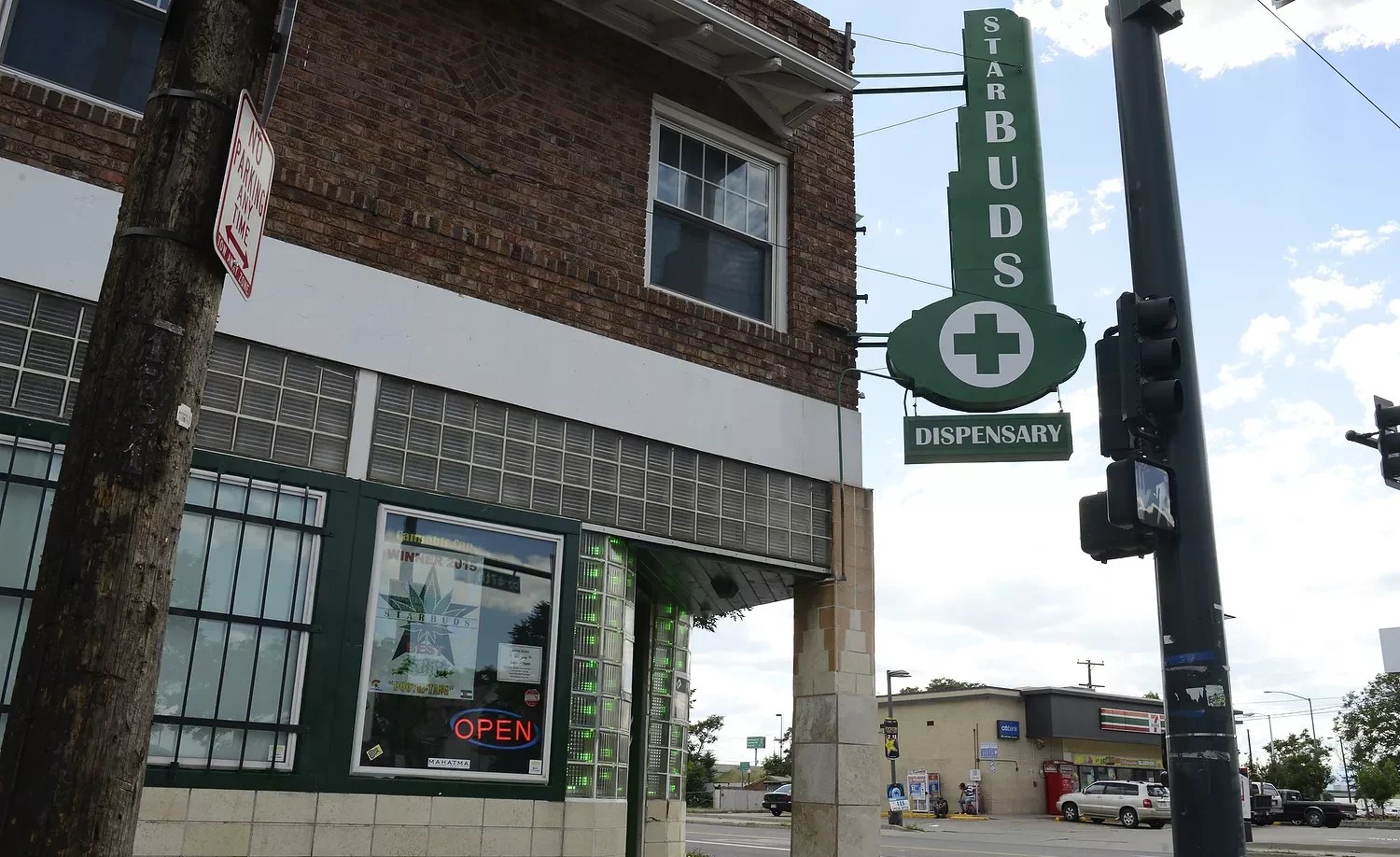
Schwazze — a publicly traded cannabis operator based in Colorado that owned 24 dispensaries under the Emerald Fields, Every Day Weed, Lightshade, Standing Akimbo and Starbuds banners, as well as stores in New Mexico — was officially sold to Vireo in March after defaulting on creditors. Both the LivWell and Schwazze deals were reportedly worth tens of millions of dollars, but that was largely based on Vireo stock shares and debt acquisition, not actual cash.
“The big chains try to push their weight around a lot. They think they have the buying power of a Walmart or Costco, but the truth is they don’t have the cash to pay like Costco pays. They might say they can sell your product in X amount of stores, which is more than the next guy, but chains also typically want special treatment, pricing or special delivery terms — and then, after all that, many of them don’t pay on time,” Noueiry says. “It deters most people from wanting to continue in the industry, or they get caught in this cycle of trying to pay their bills, do whatever sells, or selling bulk weed for the lowest dollar.”
Chris Kaiser was facing that fork in the road last year. He chose the exit path.
The founder of Bubba’s Kush, a wholesale cultivation that quickly gained fans for his cuts of Georgia Pie, the Soap and Roadkill Skunk, went from winning Westword’s Best New Grower in 2023 to closing his grow last November. According to Kaiser, he got sick of paying the MED’s fees and waiting on a long list of IOUs from dispensaries.
Almost six months after surrendering his grow licenses, Kaiser says he’s still owed over $50,000 by two store accounts, but he’s stopped paying legal counsel to pursue them. He wants state regulators to punish dispensaries that don’t pay their vendor bills by withholding licensing renewals or issuing disciplinary orders.
Scott Lentz
The MED says it doesn’t have legal authority to impose enforcement on unpaid invoices between cannabis licensees, “which is a private contract matter between parties,” according to a statement from the division. “However, the MED has advised licensees on this subject.”
That advisement was an industry bulletin in 2023, reminding business owners that cannabis-related business contracts are enforceable under state law.
“If a transaction or failure to make payment leads to indications of non-compliance with Colorado Marijuana laws or Marijuana Rules, the matter will be investigated by MED staff, and alleged violations may be pursued in an administrative action,” the memo added. Examples of such non-compliance included failure to pay taxes or a landlord that results in losing access to one’s business, according to the MED.
There’s more than enough blame to go around, as Kaiser sees it. Although he says he respects many of his peers, he calls the legal cannabis scene “a scumbag business where the good people are few and far between.”
“They’re not passionate about consumers. We have these huge companies growing mass amounts of product, and then they dump it for super cheap at the end of the year. I’d like to buy something that was grown in a clean environment and tastes good, but most places are not giving me that right now,” he says. “The consumer mentality has changed to being focused on the cheapest stuff.”
Inevitable Change
Despite the demand for quality, there will always be a bigger market for the cheapest available product. According to Laster, prioritizing out-of-state customers after recreational sales began in 2014 was unsustainable. With more states legalizing and $100 ounces becoming common on dispensary menus around 2017, the budtender says he knew Colorado’s high times were about to end.
“Most people who come in, they want the most affordable thing they can get. Very rarely do people come in asking for the best quality, or what’s inside that vape cart,” Laster says.
According to Chuck Smith, CEO of Colorado cannabis trade group Colorado Leads, price pressure and compression are “a normal course of business” in many respects, especially for a first adopter like Colorado, but that doesn’t make it any easier to watch business partners struggle to stay open.
“We’ve said for quite a while that we thought we were at the bottom, but then it keeps feeling like we haven’t hit bottom yet,” says Smith, who co-founded the edibles brand Dixie Elixirs. “The price of the product is dropping, we don’t really benefit from being the tourism capital of cannabis anymore, so we kind of have to rely on the market here. We’re also still subjected to pretty heavy taxes.”
The proliferation of intoxicating hemp products, quasi-legal across much of the country because of a loophole in the 2018 Farm Bill, has also hurt Colorado’s licensed cannabis market, Smith adds. An upcoming Congressional ban on intoxicating hemp should help soothe pain, he says.
Smith is even more keen on the federal reclassification of cannabis from a Schedule I to Schedule III substance, which should remove financial blockades and tax burdens faced by cannabis business owners, who are still technically committing federal crimes — something the IRS loves to point out when tax season comes — but the longtime cannabis executive has learned not to hold his breath for federal reform.
Market retraction in Colorado was inevitable, Smith says, but he would like to see more sympathy from state lawmakers and ways to “reduce regulations without impacting public safety.”
“I don’t think that some of that consolidation is unhealthy, but I think we’ve just been subjected to constant pressure of high [operating] costs, high taxes. It just makes it hard. I still think the industry will stay here, and I hope that better days are ahead. But it’s a tough spot right now, for sure,” Smith admits.
Truman Bradley used to be in a similar spot. The former executive director of Marijuana Industry Group, a Colorado cannabis trade organization that shuttered in 2025, Bradley still works in businesses that are ancillary to cannabis. He also helped found what would eventually become the Kaya Cannabis and Seed & Smith dispensaries in Denver.
Colorado cannabis rules are “in dire need of a major overhaul,” according to Bradley.
“Not a small regulatory efficiency bill or something like that, but actually rebuilding the entire program, from testing, to track and trace, to really looking at the industry now and not just playing around the edge. That’s not meant as a knock on anybody. I have a lot of respect for the people involved and building those rules,” he says.
In that journey, he’ll have an ally in Kaiser.
“The rules have been tailored for multi-licensed businesses and were infected from the get-go,” Kaiser says. “If the end result is to just remediate all of your weed because you don’t want any problems, then the people who are attracted to this market are not going to be trustworthy.”
In response to an inquiry about the state’s current cannabis standards, the MED says that rulemaking behind testing regulations invites “significant collaboration with diverse stakeholders to inform any recommendations on rules,” including growers.
“On testing regulations, specifically, the division consults with the public health department for their recommendations,” the MED says, pointing to a web document produced by the CDPHE with supporting scientific information behind required cannabis testing, including mold and aspergillus testing. According to that document, combusting and inhaling aspergillus can cause an infection known as aspergillosis, pointing to research on two pulmonary patients at the United Kingdom’s National Aspergillosis Center.
“People with structural lung damage, lung disease (especially asthma), cystic fibrosis, and in an immunocompromised state are at risk,” the CDPHE document explains, adding that aspergillus is “known to cause a variety of immune lung disorders, ranging from asthma, allergic bronchopulmonary aspergillosis, and hypersensitivity pneumonitis to invasive and life-threatening systemic fungal infections in immunocompromised hosts.”
According to 2025 figures from the Centers for Disease Control and Prevention, symptomatic aspergillosis largely occurs in immunocompromised persons at a rate of one to two people per 100,000 each year.
The MED argues that business owners need to accept greater responsibility across all quality control areas, including contamination testing. In an industry-wide memo released earlier this week on April 13, the MED said it was aware of commercial cannabis compliance issues that “present serious risks to public safety, market integrity and the tax revenue framework that supports Colorado’s regulated marijuana industry.”
These compliance issues include falsifying product transfer and production yield records, inaccurate bills of sale, sneaking in unlicensed hemp and cannabis extract into the regulated system, and a lack of required video surveillance at cannabis facilities, according to the MED memo. As part of its “mission to protect public health and safety,” the MED could adopt new or amended regulations and issue more industry bulletins “to promote compliance in the regulated market and ensure clarity on the consequences of violations.”
It’s Still a Blessing
According to Bradley, edibles and other packaged goods have never been better in Colorado, and good weed can still be found by those who look for it.
“I think, unquestionably, there are higher-quality products now on the [consumer packaged goods] side than there were back then. People were literally dipping Nerds in THC oil and selling them, or spraying aerosol THC on some candies they were buying at the store,” Bradley says. “It’s almost impossible as a business to cater only to the heads. The cannasseurs are driving the industry, but you can’t just make it on that. …It is harder to find true Grade A flower, but it is absolutely out there.”
And, as Laster, Johnson and many other long-time cannabis consumers point out, Colorado is full of Grade A rosin, a form of solventless hash that has been steadily rising in popularity.
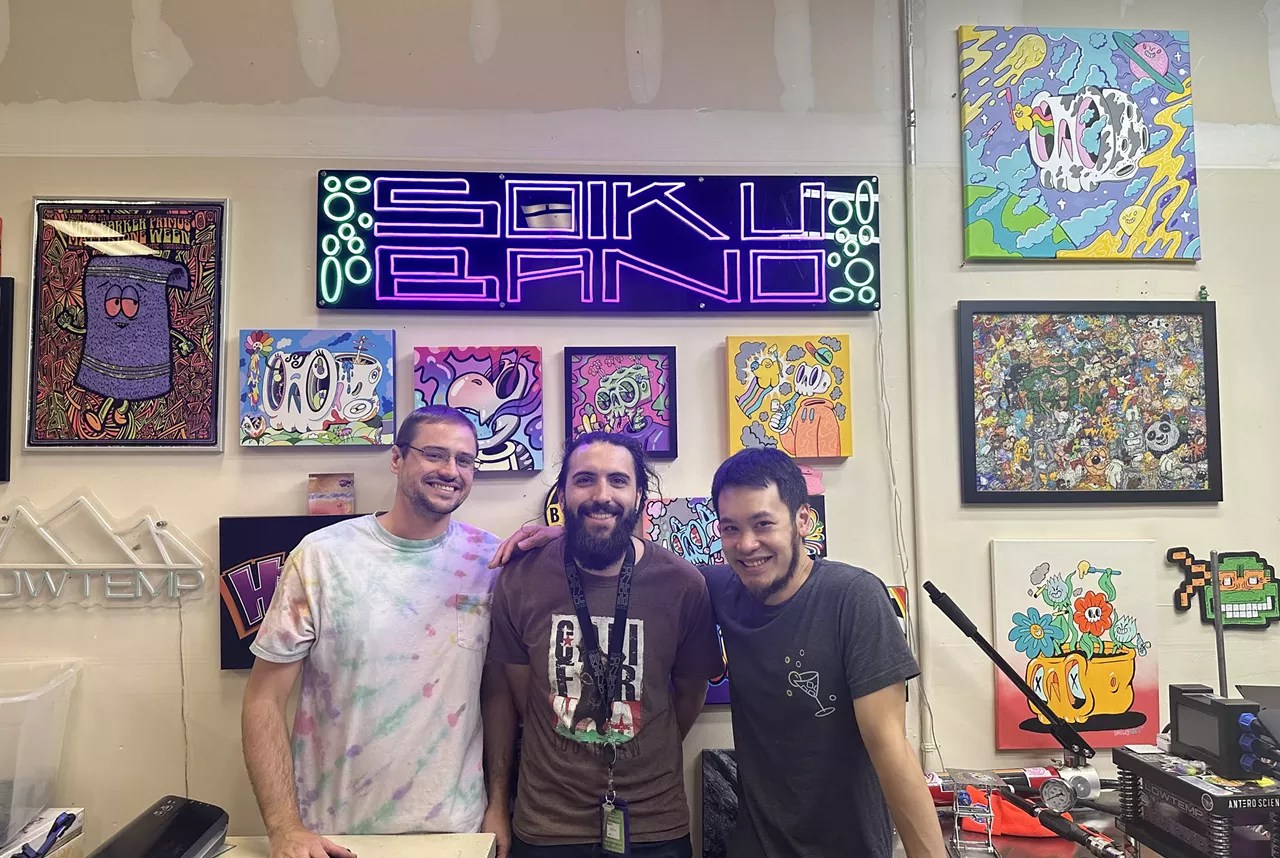
Cannabis extraction technology and technique improvements have skyrocketed in the wake of legalization, and Colorado is on the forefront of dabbable and vaporiazable rosin. Tim Du is partly responsible for Colorado’s hash wave, first as an extractor for Dablogic (another esteemed Colorado cannabis brand that recently closed) and now as lab director at Soiku Bano, a hash rosin manufacturer that’s widely considered one of the state’s top rosin brands.
Like Malek’s, Soiku Bano is one of the few cannabis brands to expand during this market recession while maintaining its reputation among consumers. Because he has to partner with growers to secure fresh-frozen cannabis for rosin extraction, Du understands how easy it is for good momentum to go away in the cannabis industry, whether it’s a bad harvest or unpredictable problems with your building, utilities or landlord.
Thomas Mitchell
“When we first started in 2020, there were a lot more licenses that were cultivating, a lot more options,” Du says. “Some of our favorite grows have gone out of business. When we look back and see that, we’ve lost a bunch of good partners. We’ve picked up a few recently, but it’s always a battle.”
According to Du, Colorado “has the pickiest customer base” for hash, and the demand and knowledge in that arena is increasing. Soiku Bano only partners with only 10 to 15 percent of the growers it prospects, he says, so that leads to a lot of test runs with potential suppliers and conversations with peers.
“There are a lot of growers who don’t really care what price they get for it. They just try to get it out there. You hear the phrase ‘race to the bottom,’ which is way more applicable today,” Du explains. “One of our competitors just dropped their menu, and it looks just like Bakery Four’s. It’s all candy, fruits and baked goods.”
Market trends and consumer preferences may not always agree with the cannabis-laden dreams that people like Du, Jenkins and Noueiry are chasing, but they’re all making it happen in different ways. Jenkins and Noueiry are grateful to support themselves through their passions and be their own bosses. Du moved from New Jersey to Colorado with an associate’s degree in horticulture, and now crafts some of the state’s most sought-after cannabis products.
There are dozens, if not hundreds, more of those stories across Colorado.
“Whenever I see people still out there trying hard to make it happen, I’m just proud of them doing their thing, you know?” Du says. “Circumstances may have changed, but it’s still a blessing to be doing your thing.”
And it could be worse. Laster, who spent a year working in Missouri dispensaries before moving back to Colorado, says the weed out there is “much worse than Colorado’s, and pretty overpriced.” There are also dispensaries on the East Coast popularizing “spray packs,” essentially stale cannabis sprayed with synthetic terpenes or other flavors — because there is always someone out there with new ideas for old weed, and there will always be people hard on cash willing to try it.
“And those people will still find a way to complain about the prices,” Laster says.