Thomas Mitchell

Audio By Carbonatix
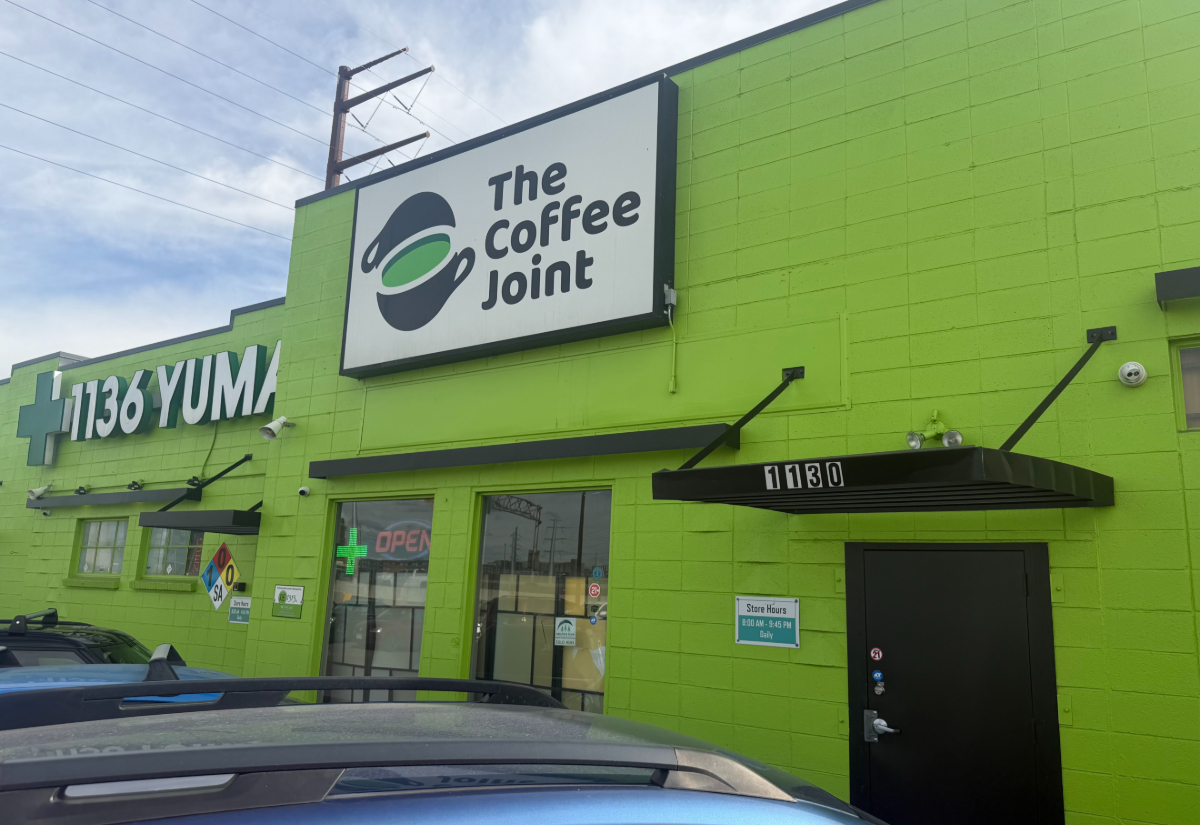
The Coffee Joint made history in 2018 when it became the country’s first licensed cannabis lounge, but the Denver venue took its last sip on February 25.
Now, it’s on to mushrooms.
Colorado state law bans a location or address from holding both a cannabis business license and psilocybin license at the same time. According to co-owner Rita Tsalyuk, she and her partners have surrendered the Coffee Joint’s cannabis consumption license in order to become a psilocybin mushroom healing center.
Tsalyuk says the building, located at 1130 Yuma Court, is nearing approval with the state Natural Medicine Division for a healing center permit. She hopes to get the green light from the state this week and have her new place running within the month, “after I get some other ducks in a row.”
The Coffee Joint will soon become AlmaDose, a non-clinical healing center that focuses “mostly on microdosing and events,” Tsalyuk says.
Upon booking a session, guests ages 21-and-up would be able to choose from a variety of psilocybin microdose options, likely ranging from 0.1 to 0.5 grams, Tslayuk says. Clients could also choose a “major dose” at one gram, but anything larger probably won’t be allowed.
“We’ll offer major doses and microdoses, but we won’t go heroic,” she says. “I still need to talk to my facilitators more, but we won’t do more than a gram.”
Guests partaking in microdosing would have to stay at AlmaDose for at least one hour. Tsalyuk plans on “giving them something to do” during their time at the venue, including activities such as yoga, painting classes, educational chats about natural medicine and more. Tickets for these events will be anywhere from $50 to $100 and include a microdose, she says.
Colorado’s legal psilocybin space has not taken off at lightning speed, as retail cannabis did…but nor was it intended to. Almost three and a half years after voters approved the legalizing of therapeutic psilocybin and the decriminalization of several natural psychedelics, Colorado now has around thirty psilocybin healing centers operating across the state, including six in Denver. However, healing center owners have said the majority of their patients are older demographics looking for treatment and mental health support, with Colorado’s personal use space largely catering to recreational consumption of psilocybin.
AlmaDose could be the first licensed healing center and event-forward venue in Colorado, but there are other event organizers holding microdosing gatherings in the personal use space, from educational chats and mushroom exchanges to speed dating on psilocybin. Somewhere in between the clinical arena and unlicensed space, Tslayuk sees “a huge gap in the psilocybin marketplace,” especially in marketing.
“It’s not like people are against it. They’re not even considering it,” she says. “Let’s say people are coming to Colorado to visit, and maybe they sign up to one of our events. I know a lot of people like to go into the black market or gray market for this, but there are many people who wouldn’t, and this is for people who want to do it legally, who are cautious and wouldn’t want to do it otherwise — and we want our events to be fun.”
AlmaDose is not applying for a clinical healing center license, which requires more oversight and medically licensed staff to treat acute mental illnesses. Instead, it’s going for the non-clinical route, which is a more holistic approach toward wellness and life quality.
According to Denver Department of Licensing and Consumer Protection communications manager Eric Escudero, non-clinical healing centers must be licensed by the state and pass local building inspections, but they don’t require a needs-and-desires hearings, like liquor or cannabis sales licensees. As of Friday, February 26, AlmaDose still needed to pass an inspection with the city’s Building and Planning Department.
“As soon as they pass that, they’ll be issued a natural medicine license,” Escudero says.
Tsalyuk co-owns ten cannabis retailers in Colorado under the Gardens Dispensary brand, including Yuma dispensary, which is located next door to AlmaDose and supplied many Coffee Joint guests over the years. But the Coffee Joint had been trending toward mushrooms for months now, she says, hosting podcast recordings, group meetings and educational talks about psilocybin and Colorado’s other decriminalized psychedelics: DMT, ibogaine and mescaline.
It was a quiet end for the Coffee Joint, which never really got off the ground or became a cultural gathering spot despite being first to market and staying open for eight years. The venue opened under Denver’s first set of cannabis hospitality laws that banned indoor smoking and cannabis sales, so only vaping, electronic dabbing and edibles were ever allowed. When the city updated its cannabis hospitality rules in 2021 to allow for indoor smoking and retail pot sales, the Coffee Joint declined to add those aspect to the business, citing the length it takes for licensing approval and costs required to upgrade the ventilation system.
The Coffee Joint, and now AlmaDose, was located in Lincoln Park, an industrial part of town lacking foot traffic. But the area is also filled with various grappling gyms and workout spaces, as well as the JunkYard, a popular live music venue.
Tsalyuk says the Coffee Joint was never intended to be a big moneymaker or a mecca for marijuana users, but she enjoyed playing around with the space and hosting unique events over the years, like cannabis-friendly Shakespeare plays, 4/20 parties and painting classes.
“People need to find a reason other than cannabis consumption to open. That alone won’t make it profitable,” she told Westword in 2025. “But if they figure out a reason to get people in there, then maybe it can be profitable.”