Brandon Marshall

Audio By Carbonatix
Keep Westword Free
We’re aiming to raise $20,000 by April 26. Your support ensures Westword can continue watching out for you and our community. No paywall. Always accessible. Daily online and weekly in print.
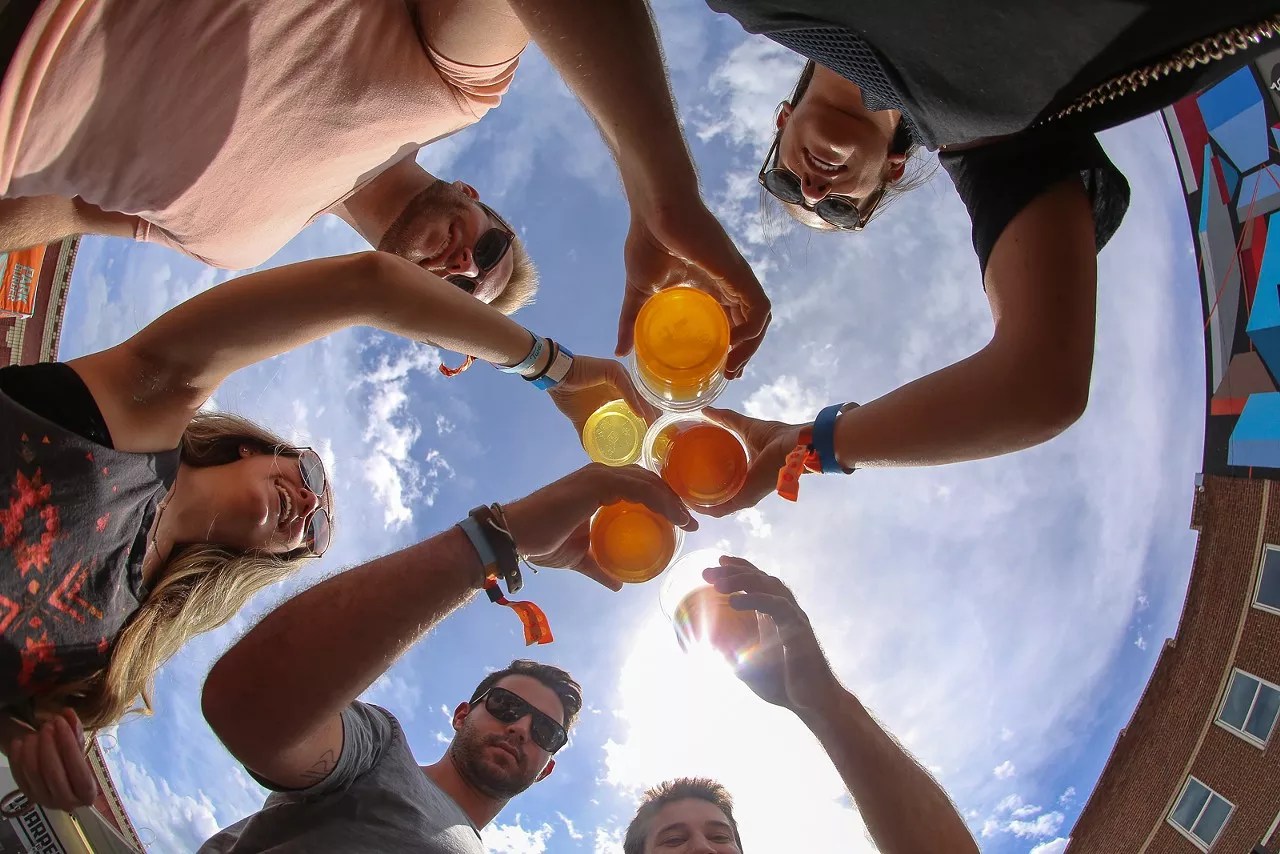
Colorado booze businesses successfully fought off two proposals to increase alcohol taxes and fees this week.
Members of the House Health & Human Services Committee voted down both House Bill 26-1271 — which would have imposed new fees on beer, wine and spirits to fund addiction prevention and treatment — and House Bill 26-1301, which would have referred a ballot measure seeking to increase excise taxes on alcohol and increase sales and excise taxes on marijuana to fund a new state mental health hospital.
The votes came after hours of testimony from local breweries, distilleries, wineries and retailers, who claimed the added costs would doom them.
“Colorado breweries and distilleries are at a tipping point right now,” said Jason Senior, owner of Shelter Distilling in Montrose, during the hearing for HB 1271 on Tuesday, March 17. “Any increase in costs will put a lot of small, local businesses out of business. …That means waiters, waitresses, support staff, cooks, cleaners, a whole array of people lose their jobs.”
Lee Wood, founder of Wood’s High Mountain Distillery in Salida, added, “We’re currently experiencing increases in costs of raw materials, rents, insurance and many other expenses, while consumer demand is flat or decreasing and…exports of our products — which many distillers in Colorado do — have completely fallen off a cliff, compliments of tariff policy.”
Their concerns fell on sympathetic ears. Committee members rejected HB 1271 in a 5-8 vote on Tuesday, and turned down HB 1301 in a 6-7 vote on Wednesday. Both proposals were sponsored by Democrats and received bipartisan opposition.
“I heard so much from my small local businesses that this is not sustainable for them,” state Representative Katie Stewart, a Democrat who voted against both bills, said on Wednesday. “The outcry from them was, quite honestly, overwhelming for me.”
Mental Health Funding
Mental health advocates, who are struggling to fund services amid the state’s $850 million budget deficit, had hoped the bills would fund major projects.
State rep Bob Marshall, sponsor of HB 1301, has been pushing for additional mental health hospital beds since he first ran for office. In the 1970s, there were more than 1,600 state hospital beds for adults with severe mental illness in Colorado. By 2023, that number had shrunk to fewer than 500 beds, despite the state’s population growing by nearly four million.
Instead of hospitals, people in need now often end up on the streets or in jails, Marshall argues.
“This is something that needs to be done. And if we don’t do it now, the problem is just going to get worse and worse and worse,” Marshall said on Wednesday. “This mental health issue is a core duty of the state. It is like law enforcement. It is something that you should be more than willing to pay taxes for. …We had to decide where we were going to get the money, because nothing is free.”
Proposed Increases
As drafted, HB 1301 would have asked voters for permission to increase the excise tax on alcohol by $0.0733 per gallon for malt liquors and hard cider; $0.08 per liter on all vinous liquors except hard cider; and $0.6026 per liter on all spirituous liquors.
The measure would have increased the state sales and excise taxes on retail marijuana by 0.42 percentage points each, as well. Currently facing record-low wholesale prices and five straight years of declining retail sales, Colorado’s marijuana industry also opposed the bill.
“Marijuana in Colorado is already subject to substantially higher taxes than other consumer products, and neither the businesses nor consumers can afford another increase,” Mason Tvert of marijuana trade association Colorado Leads told Westword earlier this month. “Colorado’s cannabis industry is already pulling more than its fair share of the state’s tax burden. We encourage lawmakers to focus on stabilizing and supporting this vital sector — not taxing it further.”
House Bill 1271 would have imposed a fee of 5 cents per gallon of beer or cider, 35 cents per liter of spirits, and 7 cents per liter of wine on Colorado manufacturers and distributors.
Though the proposed cost increases stacked on one another at an inopportune time, the bill sponsors pointed out that Colorado currently has among the lowest alcohol taxes in the country — and among the highest alcohol consumption rates.
“Colorado is facing a public health crisis when it comes to alcohol use and misuse. And right now, the costs of that crisis are not being borne by the industry,” state rep Jamie Jackson, sponsor of HB1271, said on Tuesday. “They’re being borne by our communities, our health care system and, ultimately, by taxpayers.”
Amendments Not Enough
Mental health professionals, law enforcement officials and victims of crime, drunk driving and addiction spoke in support of the bills during the committee hearings.
“Every one of us sees the impacts of substance use and nobody wants that,” said former state rep Debbie Stafford, legislative director of Aurora Mental Health & Recovery, speaking in support of HB 1301 on Wednesday. “I get it, a lot of our members here are being pressured by your business owners. But at the end of the day, we have to do the right thing.”
Organizations that supported one or both of the bills included Advocates for Recovery Colorado, the Colorado Behavioral Healthcare Council, Colorado Medical Society, County Sheriffs of Colorado, Denver Health and Mental Health Colorado, according to the Colorado Secretary of State’s Office. The opposition to the proposals included the Colorado Brewers Guild, Colorado Distillers Guild, Colorado Independent Liquor Stores United, Coors, the Distilled Spirits Council and the Wine Institute.
Both bills underwent edits to address some critics’ concerns. House Bill 1271 was amended to exempt small breweries and distilleries from the new fees. House Bill 1301 was amended to lower the excise tax increase on alcohol to $0.0533 per gallon for malt liquors and hard cider; $0.0489 per liter on all vinous liquors except hard cider; and $0.4016 per liter on all spirituous liquors.
The changes were not enough to sway a majority of committee members.
“I heard from victims, I heard from DAs, I heard from sheriffs — but I also heard from small businesses,” state rep Brandi Bradley, a Republican who voted against both bills, said on Wednesday. “They’re trying to keep their businesses afloat. …We have to listen to everyone.”