
Denver Animal Shelter

Audio By Carbonatix
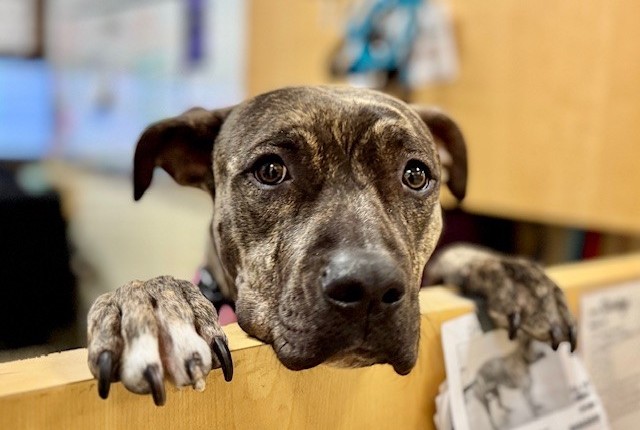
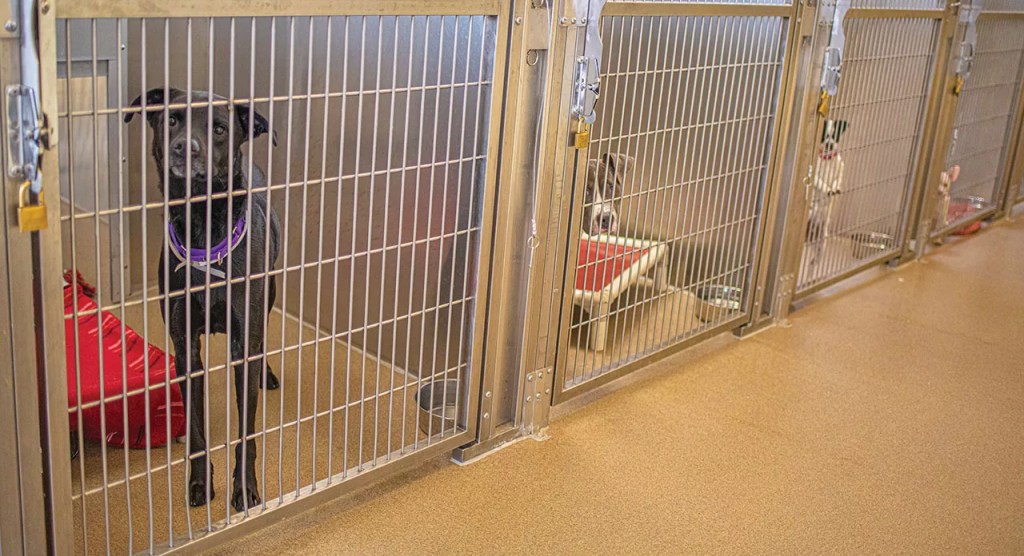
Employees at Denver Animal Protection turned to housing some shelter dogs and cats inside their offices this year. While the furry friends are welcome roommates, their new living arrangements are a matter of necessity, not fun.
“We have more animals than we can fit,” explains Aidan McMorrow, DAP’s community engagement administrator. “I like to have an office cat in here, but the reason we’re doing this is because we just don’t have room.”
The Denver Animal Shelter received an unprecedented number of pets given up by their owners in 2025. There were 2,810 animals surrendered to the shelter between January 1 and December 15, according to data from the Denver Department of Public Health & Environment.
That’s more than eight pets left at the one shelter every day of the year — the most annual surrenders since DAP started keeping track in 2005.
Beginning in 2008, annual pet surrenders at the shelter were on a steady decline, reaching a record low of 743 in 2016. However, since 2020, the number has increased by hundreds every year, according to DDPHE data.
This year’s 2,810 surrenders reflect a 236 percent increase from just five years ago, and a 278 percent increase from the record low in 2016.
“We need to see some serious changes,” McMorrow says.
Why Is This Happening?
DAP Director Melanie Sobel has attributed the rise in pet surrenders to several contributing factors, some of which date back to the start of the COVID-19 pandemic.
Nearly one in five American households adopted a pet during the pandemic, according to the American Society for the Prevention of Cruelty to Animals. The wave in demand resulted in breeders producing more cats and dogs, many of which were not spayed or neutered. At the same time, pandemic restrictions limited service at veterinary clinics, further reducing access to spay and neuter care for these new pets, Sobel explains.
Kittens and puppies soon flooded shelters. Some were accidental litters from the new, intact animals adopted by Coloradans, and others left over from breeders who couldn’t unload them after the COVID-boom died down. In many instances, though, the original pandemic pet is the one left at the pound.
“A lot of people were working from home during the pandemic when they got animals,” Sobel told Westword in May. “When they had to go back to work [in person], dogs started having behavioral problems because they weren’t properly socialized, they weren’t properly trained. We had surrenders because people didn’t want the animal anymore, we had an influx of adolescent young adult dogs.”
Evan Semón
But the surrenders haven’t slowed with the pandemic nearly five years in the rearview. According to McMorrow, recent surrenders are largely a result of veterinary care being too expensive.
Colorado and the nation at large have suffered from a shortage of veterinarians in recent years, aggravating the lack of access to spay and neuter care. Beyond that, the shortage means all vet care is harder to access and more expensive, financially straining pet owners during an already increasingly challenging economic climate.
“By and large, the average person wants to do right by their pet,” McMorrow says. “When they haven’t fed them enough or they haven’t addressed a medical concern, more often than not, it’s not malicious. It’s just a lack of resources. The relinquishments that we’re seeing, a lot of that can be tied to the increased price of veterinary care.”
The Denver Animal Shelter is particularly impacted by this because it is the only open-admission shelter in the area, McMorrow says. That means they take every animal that comes to their door, while other shelters may turn away, waitlist or charge fees for owners surrendering animals.
Some owners give up sick pets to the shelter to receive veterinary care, or to be euthanized if their condition is beyond treatment.
DAP is working to intervene in these tragic situations before owners get to the point of surrendering their pets.
Keeping Pets With Their People
DAP offers many programs intended to help support pet owners who are struggling.
Every Tuesday and Thursday morning, the shelter hosts low-cost community vaccine clinics for local pet owners. It also connects with residents to provide free spay/neuter services, which come with vaccines, microchipping and routine veterinary checks for cats and dogs. Such services can typically cost $500 to $1,000 or more, McMorrow says.
“When we are able to connect people with that and let them know that it’s free, that can be something that really changes the decision about relinquishment,” McMorrow says. “If we’re able to support people, they’re less likely to relinquish in the first place.”
Denver Animal Shelter
This year, the shelter held a special donor-funded Pay to Spay program, during which it spayed and neutered 120 pit bulls and gave each owner a $100 grocery gift card to incentivize participation. During its normal public spay/neuter program, it treated 260 dogs and cats.
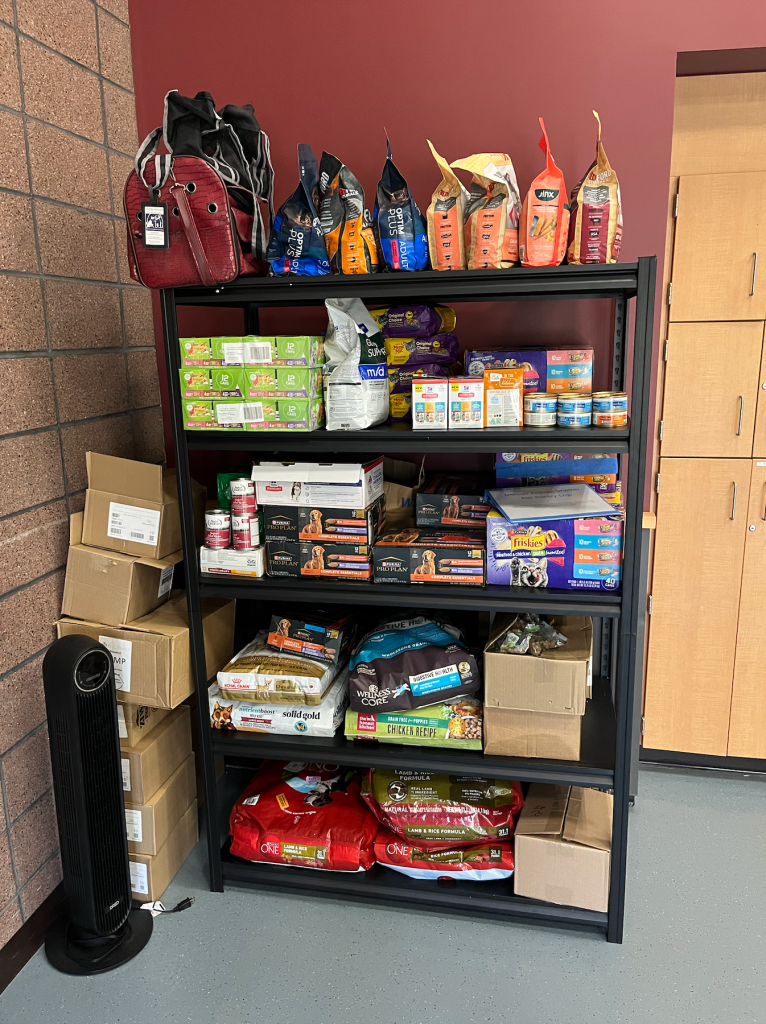
DAP also expanded its pet food pantry this year, giving free pet food and cat litter to those in need. The effort is community-driven, McMorrow says, with the supplies donated by local residents. When owners come in to get the free food, employees can also help connect them with internal programs or partner clinics for free or low-cost veterinary care, dentistry and even grooming.
In particularly dire circumstances, DAP offers a temporary housing program, which provides free pet care for owners experiencing crises like hospitalization, domestic violence or a house fire.
“I’m really happy to say that despite our overpopulation, those efforts have been incredibly successful and will continue to be rolled out and offered to the larger Denver community,” McMorrow says.
“Obviously, nobody makes the decision [to surrender a pet] lightly,” he adds. “We are here for you if that’s a decision that you need to make. That being said, an animal shelter is not a long-term place for a pet to stay. …If there’s anything that we can do that would make you reconsider that decision, we’re more than happy to be part of that conversation and to support you.”
To request veterinary care, pet food or other support, Denver pet owners can contact DAP at dap.outreach@denvergov.org. Services are offered in English and Spanish. There is no income threshold to receive assistance.
To help the shelter deal with its overpopulation of surrendered pets, residents can donate or sign up to volunteer online at denvergov.org.