
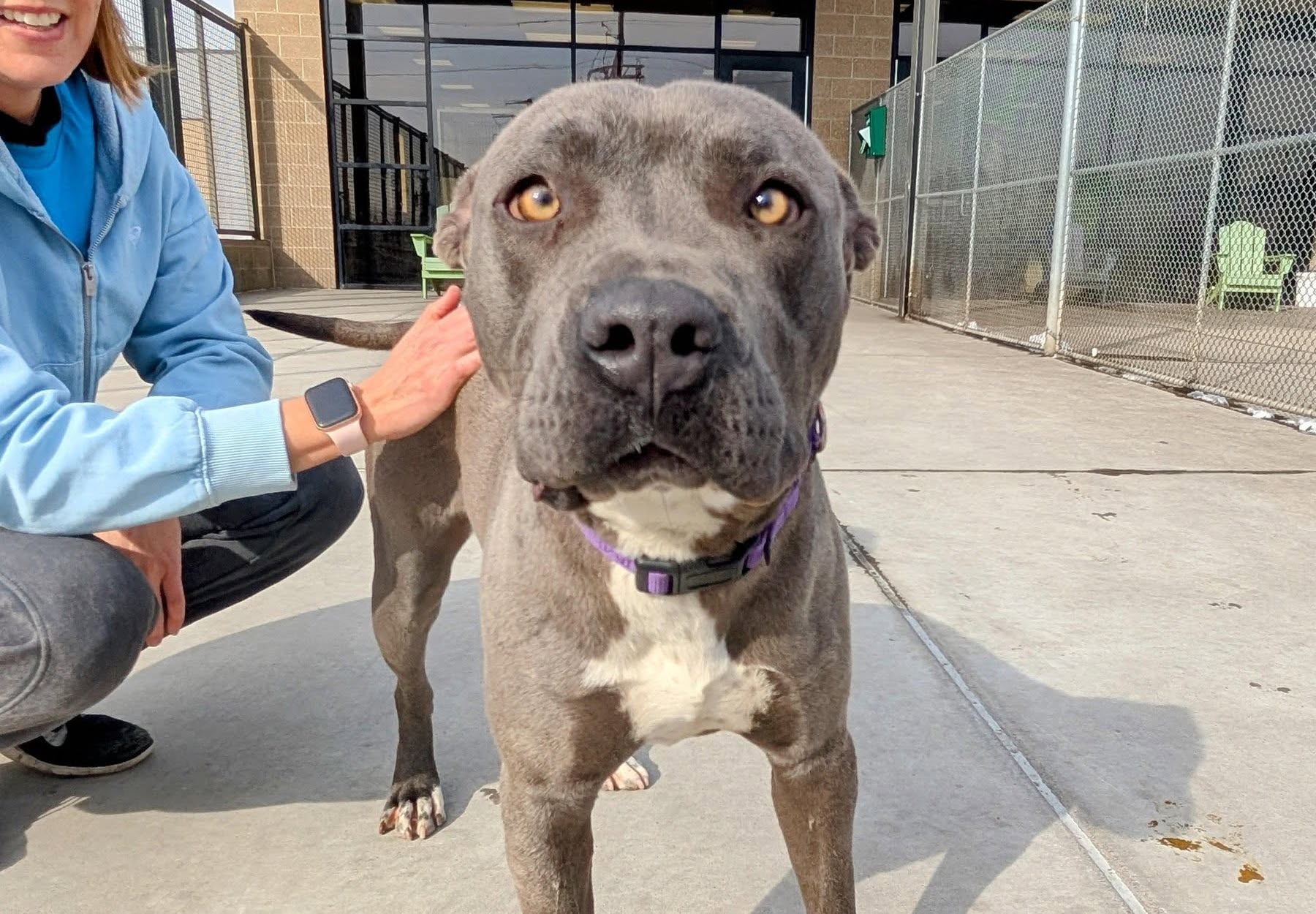
Denver Animal Shelter

Audio By Carbonatix
Keep Westword Free
We’re aiming to raise $20,000 by April 26. Your support ensures Westword can continue watching out for you and our community. No paywall. Always accessible. Daily online and weekly in print.
More than 2,800 pets were left at the Denver Animal Shelter by their owners last year, setting an unfortunate record for the pound.
This year, Denver City Councilman Chris Hinds wants to help keep more pets in their homes, so he launched a pilot program last week that will pay pet deposits for 100 renters in Denver’s District 10.
“Denver is becoming increasingly unaffordable, but that shouldn’t mean we have to choose between a home and the loved ones we share it with,” Hinds says. “Through this program, we aim to understand whether pet deposit requirements are influencing people’s decisions about housing and pet ownership — and to make Denver a place where everyone, two-legged and four-legged alike, can feel at home.”
The pilot will cover up to $30,000 in pet deposits, with a limit of $300 per recipient. Any pet owner renting housing within the district is eligible, spanning the Congress Park, City Park, Cheesman Park, Capitol Hill, Civic Center, Central Business District and Union Station neighborhoods.
Denver’s annual pet surrenders have increased each year since 2020, following more than a decade of steady declines, according to city data. The 2,810 surrenders in 2025 reflect a 236 percent increase from just five years ago, and a 278 percent increase from the record low in 2016.
Denver Animal Protection Director Melanie Sobel has attributed the surge to several factors, including rising veterinary costs and fewer pets being spayed and neutered beginning during the COVID-19 pandemic. In cities like Denver, housing instability exacerbates the issue.
“Here in Denver, it’s very hard for people to find housing where they can have pets, particularly larger dogs,” Sobel told Westword in May. “Landlords charge large pet deposits, they charge a pet fee for every month. …We get a lot of people who had to move [into an apartment] because they can’t afford their mortgage, and then they can’t afford to bring their animal with them.”
DAP is partnering with the pilot program to provide free spay/neuter services, vaccinations and microchipping to the 100 recipients.
Hinds funded the program with his discretionary council budget. In addition to the $30,000 in pet deposits, it will cover up to $2,500 in pet registration fees, according to Hinds’s office. Distribution of the funds will be handled by the Community Economic Defense Project.
“No one should have to choose between a safe place to live and their beloved pet,” says Christina Garcia, chief program officer at the Community Economic Defense Project. “By covering pet deposits, this pilot removes a key cost barrier so renters can secure stable housing and keep their families together – pets included.”
This isn’t the first time local politicians have taken up the issue of pet deposits. In 2023, state lawmakers passed a bill capping pet deposits at $300 and requiring the money to be refundable. The bill also capped monthly pet rent at $35 or 1.5 percent of the tenant’s rent.
The 100 recipients of the pilot program will be selected on a first-come, first-served basis, according to Hinds’s office.