
Denver Broncos

Audio By Carbonatix
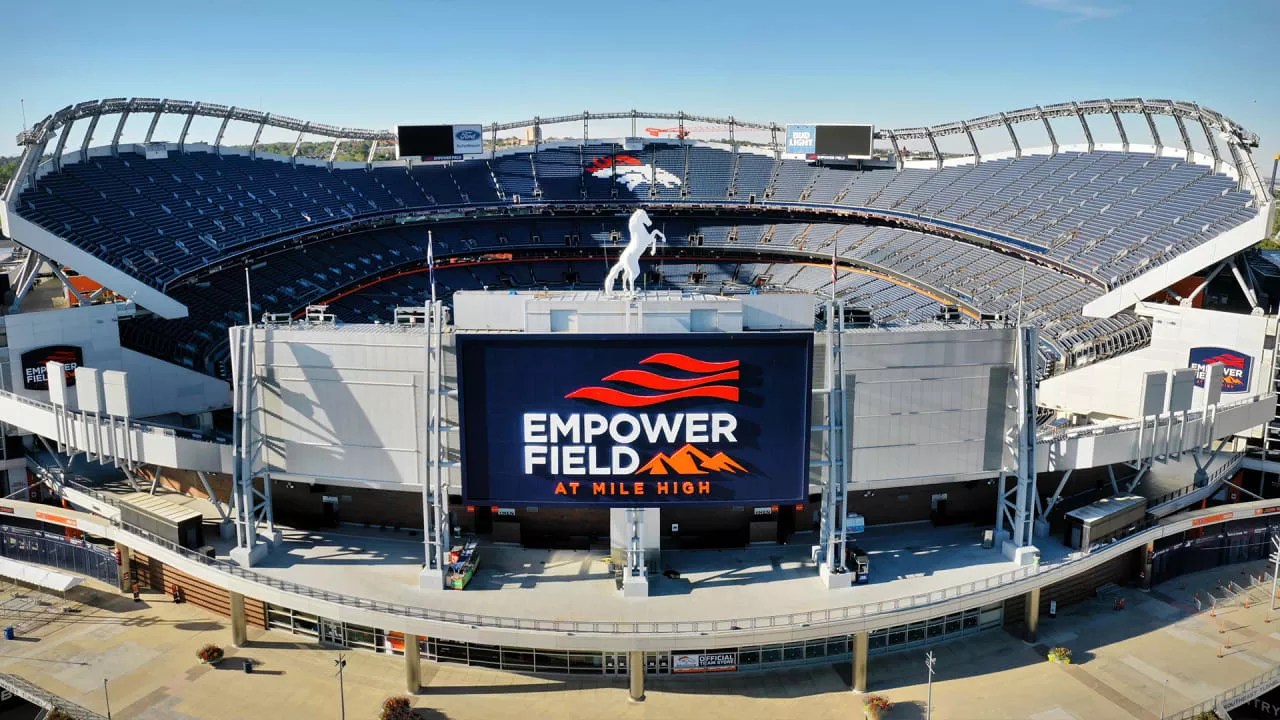
It’s the year 2025. Empower Field at Mile High, which is currently celebrating its 24th anniversary, stands as a monument to our beloved Denver Broncos. Yet as I drive past it, I don’t just see a stadium: I see a “white elephant” in waiting. To understand this building, you have to understand the history we conveniently forgot — and the cycle we are about to repeat.
In 1970, Denver won the bid for the 1976 Winter Olympics. It was a massive victory until the people of Colorado looked at the bill. In a moment of incredible fiscal backbone, citizens went to the polls in 1972 and voted to deny public funding for the Games. We became the only city in history to reject the Olympics after winning them. We chose responsibility over fleeting glory.
Fast forward fifty years. We said no to the world stage, but we said yes to a billionaire’s threat. We traded that 1972 principle for a stadium that, by 2025 standards, is already being called “obsolete.”
The “Privately Funded” Illusion
Now, the conversation has shifted to Burnham Yard. The Walton-Penner group is promising a $4 billion retractable-roof stadium that they claim will be “entirely privately funded.” It sounds like we finally won — like we finally held onto our 1972 principles.
But look closer at the $140 million “Vibrant Denver” bond approved last month. While the owners pay for the seats and the scoreboard, taxpayers are shouldering the “infrastructure.” We are paying for the $89 million demolition of the Eighth Avenue viaduct and the $50 million in “site logistics” to turn a contaminated railyard into a “stadium-ready” neighborhood. When an owner says “privately funded” in 2025, what they really mean is: I’ll pay for my house, but you have to build the neighborhood around it for free.
The Fan Is the Afterthought
The harsh reality of 2025 is that these projects aren’t built for the person in the nosebleeds; they are built as real estate engines. For the casual fan who grew up with the orange-and-blue as a birthright, the experience is becoming a luxury few can recognize.
- The “Experience” Tax: Average ticket prices in Denver have hit $146, and that’s before you factor in the $15 beer or the “dynamic pricing” for parking.
- The Displacement: Culture is being evicted to make room for luxury boxes. Investors are circling the La Alma neighborhood.
- Opportunity Cost: While we find “incentives” for stadium roads, Denver is cutting city services to address a $1.76 billion general fund crisis. The casual observer might see a new stadium, but they won’t see the improved parks or schools that the same money could have funded.
The Graveyard of “State of the Art”
We’ve seen what happens when “business” takes priority over history. Look at the Montreal Olympic Stadium. Dubbed “The Big Owe,” it became a multi-decade debt trap for Quebec. Closer to home, the 1990s and 2000s gave us “top of the line” buildings that didn’t even last thirty years:
- The Georgia Dome (1992): Imploded after just 25 years.
- St. Louis Rams Dome (1995): A hostage that left the city with $144 million in debt even after the team fled for a better “business” deal in L.A.
- Nissan Stadium (1999): The Titans are already building a $2.1 billion replacement because their 26-year-old home is “unfit” for modern revenue-sharing.
The Bargaining Chip Era
Stadiums have officially become the ultimate bargaining chips. Since the mid-’90s, we’ve watched a wave of teams move — the Seattle SuperSonics to OKC, the Vancouver Grizzlies to Memphis, the Hartford Whalers to North Carolina — all because cities wouldn’t bow to arena demands. Today, owners leverage that fear to force cities into complex tax deals that the public rarely sees the full benefit of. The irony is, these new, climate-controlled mega-structures are making our games unrecognizable. I sometimes joke that in ten years, the NFL will be renamed the NIFL: the National Indoor Football League.
The 1972 Olympic “no” was a moment of unwavering principle. The 2025 stadium “yes” is a surrender. We aren’t just paying for roads; we’re paying for a vision of Denver where the “business” matters more than the fans who live here.
On weekends, westword.com publishes commentaries on matters of interest to the Denver community. Have one you’d like considered? Send it to editorial@westword.com, where you can also comment on this piece.