

Molly Martin

Audio By Carbonatix
It’s been three years since Michelin Guide inspectors arrived in Colorado, bringing with them a new level of scrutiny and attention to the state’s rapidly evolving culinary scene — which just yesterday earned a record number of James Beard Award semifinalists.
Since 2023, there’s been no shortage of Michelin Stars and snubs, not to mention head-scratching decisions about coverage boundaries and category definitions. The Guide now includes the state’s first two-Star honor for Id Est Hospitality Group’s The Wolf’s Tailor, eight one-Star awards, ten Bib Gourmand recognitions, and 31 recommended nods.
Now that the initial three-year agreement between the Michelin Guide and the participating cities of Denver, Boulder, Aspen/Snowmass, Vail and Beaver Creek is coming to an end, active discussions are underway to determine if the relationship will be extended for another term, at what cost, and whether any new regions will be included (or removed).
That decision comes with a notable cost. After all, bringing the Michelin Guide to Colorado wasn’t cheap. According to previously published reports, each of the tourism boards of the regions covered contributed between $70,000 to $100,000 each to help cover the costs of the visiting inspectors and the marketing of the results.
Which begs a simple question…
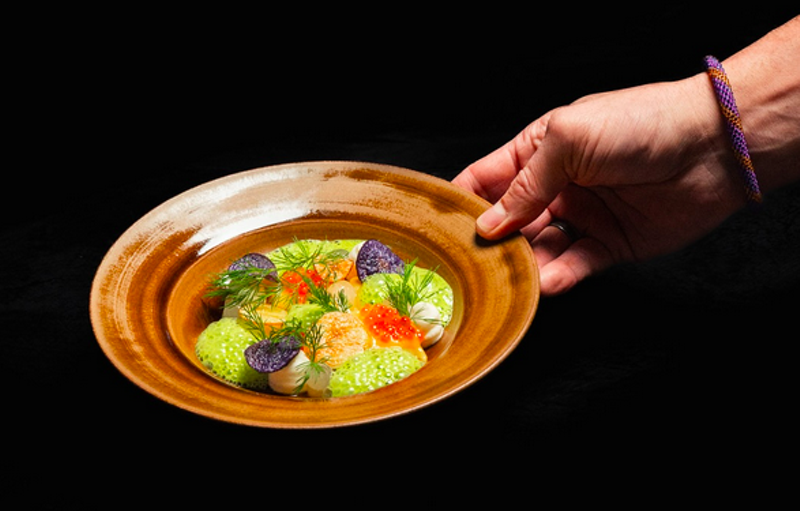
Jeff Fierberg
Do Denver Restaurants Feel the Michelin Money Was Well Spent?
“I do without any hesitation,” says Ryan Fletter, owner of Barolo Grill, which has retained its recommended status all three years; Fletter also received Michelin’s Sommelier award in 2023, and is now a 2026 James Beard Award semifinalist in the Outstanding Professional in Beverage Service category. “I feel like it has really elevated things. It’s helped validate and give another level of accreditation to the city. It feels like nothing but positive things have occurred. I just can’t think of a negative component.”
“I would say it’s been extremely positive,” notes Kenneth Wan, who owns Bib Gourmand pick MAKfam with his wife, Doris Yuen, and was also just named a James Beard semifinalist in the Best Chef: Mountain region category. “I think for a while, Denver has been kind of a punchline. I think a lot of people were saying all you get here is burgers and tacos. So I do feel Michelin putting a spotlight on some of these restaurants has really helped push past that stigma.”
“I think the Michelin Guide has done amazing things for Colorado,” says chef Johnny Curiel, another current Best Chef: Mountain semifinalist who’s earned Stars for both Alma Fonda Fina and Mezcaleria Alma, a Bib Gourmand for Boulder’s Cozobi Fonda Fina, and a recommended listing for Alteño. “I think it put Colorado on the map. Look at all the national lists now, in Bon Appétit, Food & Wine, Esquire…every year that something comes out, there’s something about Colorado in it. So I think it’s put a spotlight on Colorado, and it’s amazing.”
Neither the Colorado Tourism Office nor any of the other tourism boards that invested in bringing the Michelin Guide to their regions would offer any estimates on the financial impact of the move. Instead, they point to the national attention that Colorado’s dining scene has gained since, the likes of which were previously reserved for the state’s ski industry. That includes reservation platform OpenTable listing five Colorado restaurants in its 2025 Top 100 Restaurants list, two Colorado restaurants in the 2025 New York Times America’s 50 Best Restaurants, and fourteen James Beard Foundation nominations in 2025.
“The Michelin Guide’s continued recognition of exceptional Colorado dining experiences showcases our state to food enthusiasts across the country and the world,” says Timothy Wolfe, director of the Colorado Tourism Office. “This prestigious recognition boosts culinary tourism across the state and helps Colorado restaurants retain and attract top culinary talent.”
Most directly impacted, of course, were the individual restaurants selected for the Guide. According to a 2024 survey conducted by the Colorado Restaurant Association, more than 72 percent of the restaurants named in the Michelin Guide Colorado reported an average sales increase of 14 percent, although some reported far higher gains.
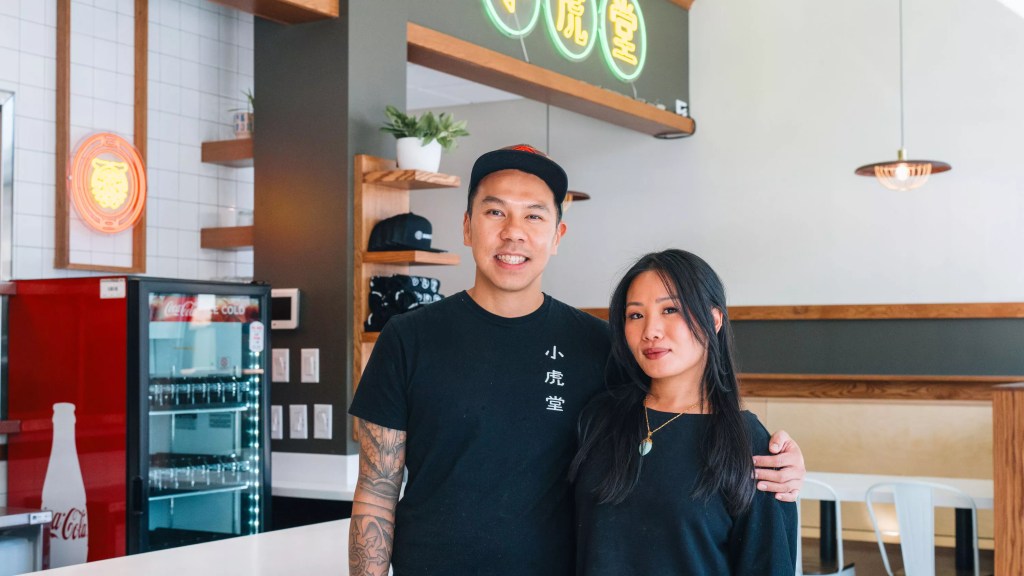
Jeff Fierberg
“The first year in which we were awarded the Bib Gourmand, we saw probably an increase of 25 to 30 percent on a daily basis,” says MAKfam’s Wan. “And the numbers have kind of stayed that way since.”
Anyone trying to score a reservation at the starred restaurants can attest that business hasn’t slowed down there either. But the impact goes well beyond sales alone. For instance, according to the CRA survey, 60 percent of restaurants say the Michelin coverage has helped with staff hiring and retention, a factor often overlooked by diners but critically important to maintaining quality service and standards in restaurants.
“I’ve gotten people applying from India, from Tokyo, from Barcelona, from all over the world,” says Curiel. “I’m not saying they did it only for the Star, but it helps.”
It also helps open doors, quite literally. When Curiel and his wife, Kasie, were looking for locations for Alma Fonda Fina, they were often dismissed and turned away by landlords who feared their youth and perceived inexperience. One even tried to sneak in a $60,000 security deposit payment at the last minute on signing day, which they walked away from.
Today, the landlords are chasing them.
“We get emails or phone calls every day from people who want to do something in Scottsdale, something in Miami, London,” Curiel says. “It’s not an egotistical thing, but now it’s like, ‘Do we want to do something?’ versus back then it was, ‘Can we do it?’ We’re in the driver’s seat now.”
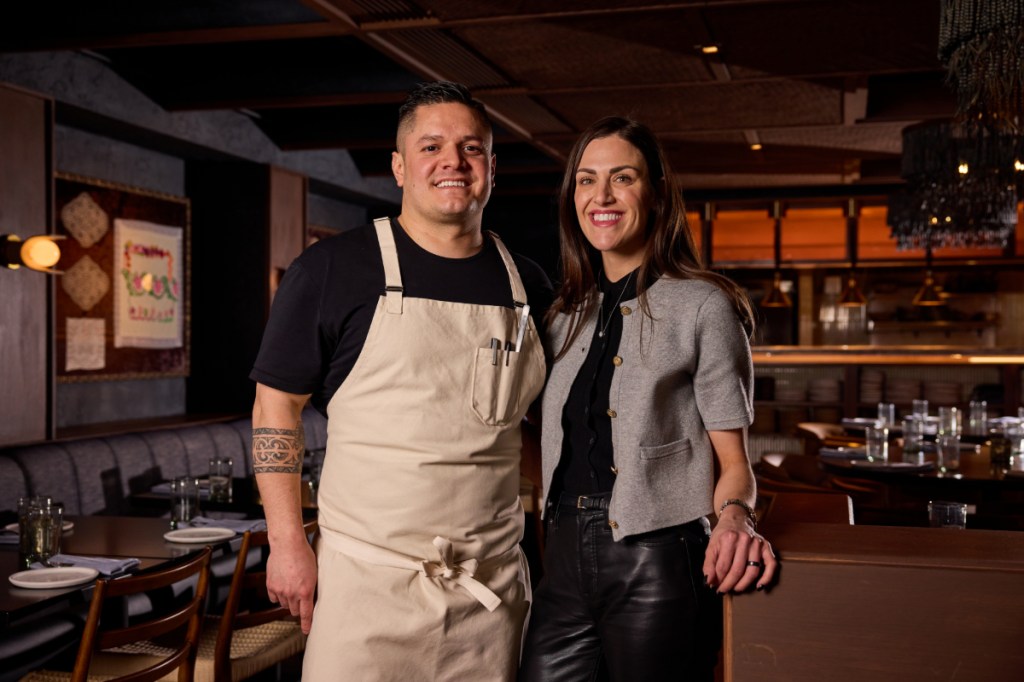
Alma Fonda Fina
Great Expectations
With that added attention, scrutiny and power comes no small degree of pressure, particularly for restaurants that gained awards so soon after opening. The onslaught of attention and expectation that comes with a Michelin Star, as you’re still trying to find your footing as a restaurant, can be like trying to control a car you’re just learning how to drive after a nitro injection.
“That’s a boost that you have to be very careful of so that you don’t put your business and your employees and your whole entity in harm’s way, because what may be an elixir could burn out your engine,” says Barolo Grill’s Fletter, who’s seen restaurants in Europe flare out shortly after receiving Stars.
Alma Fonda Fina, for instance, won its Star after only nine months. MAKfam got a Bib Gourmand before celebrating its first year. Both have noted the increased expectation from certain diners who treat the Michelin list not as opportunities to be pleased, but as excuses to be disappointed, entering with arms crossed rather than minds open.
“We do get a lot of new customers, a lot of out-of-towners who see us on the list, and they’re like, ‘Show me why I’m here, ’” says Wan, who accelerated plans to transition from counter service to full table service in response to the Michelin attention.
There’s also a set of diners pitting Denver’s starred restaurants against each other to see who “deserves” the Michelin attention most, rather than viewing the exposure as elevating the local industry as a whole.
“It’s more of a competition now,” says Curiel. “Anytime something good happens to anybody, the expectation is higher. You can’t open your doors one day and be like, ‘Today I’m going to be mediocre.’ No, you have to be as good or better than you were yesterday. And if not, they’ll let you know real fucking quick.”
The Future of Colorado’s Michelin Guide
These issues are, of course, nice problems to have, and unlikely to dissipate if the Colorado Tourism Board and Michelin decide to renew their agreement, which nearly everyone involved expects will be the case.
The bigger question is whether a second term will allow inspectors to include a wider selection of establishments off the beaten path in the areas included to date (like Marigold or Black Cat Farmstead, both located in Boulder County), or whether the regions that opted out of participating initially — like Aurora and Colorado Springs — will pony up to be included this time around.
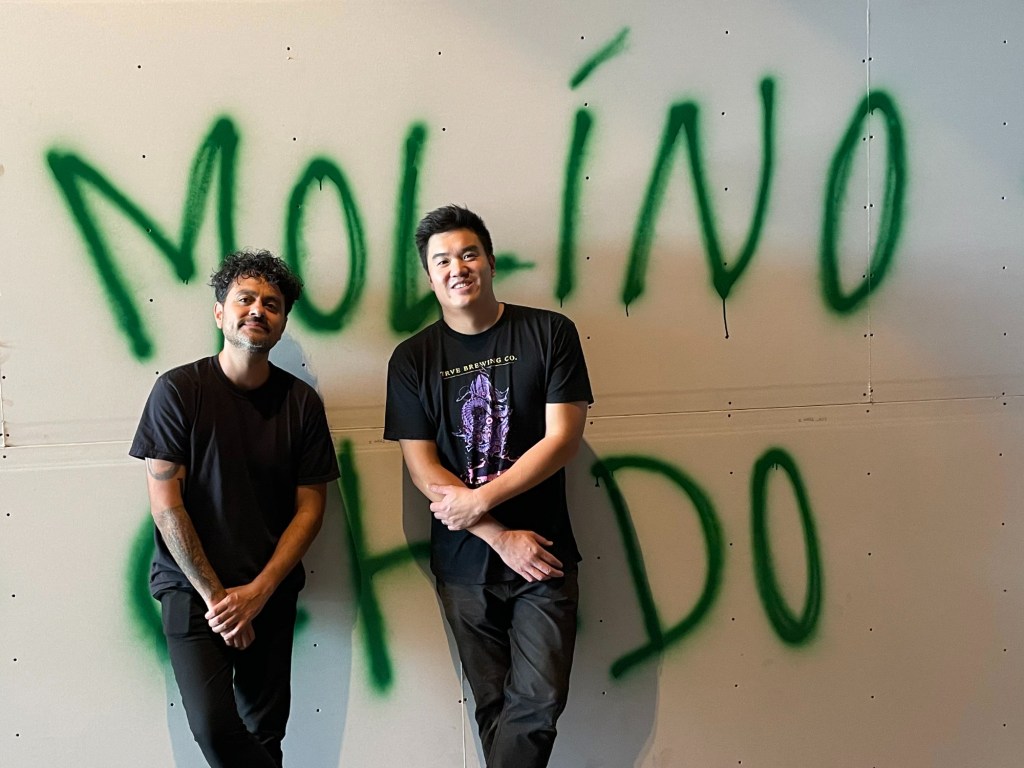
Molino Chido
“If their criteria is truly that the food is the only thing that matters and nothing else, then there are obviously places on Federal that are just as good as any restaurant in town,” says Tommy Lee, whose Hop Alley is a Bib Gormaund pick, and who recently opened Molino Chido in Aurora with Michael Diaz de Leon (the former Bruto executive chef who moved on just after it was first awarded its Star). Lee is also among this year’s James Beard semifinalists, in the Outstanding Restaurateur category for Hop Alley, Molino Chido and his first concept, ramen shop Uncle, which has two locations. “Aurora is this very diverse area that is very interesting and maybe unique to Denver,” Lee adds. “Are they really showcasing the diversity of Denver as a great dining city by not visiting these?”
The fact that we’ve gone from no Michelin coverage at all just three years ago to now highlighting the glaring areas of omission speaks volumes about how important the Michelin spotlight has become to the Colorado restaurant industry. And the halo effect of the Michelin lens is about to grow, as the guide recently added coverage for the Southwest, which comprises Arizona, Nevada, New Mexico and Utah. This will likely further elevate awareness of the broader region as a culinary destination and draw even more food tourists to Colorado as part of their Four Corners exploration.
Whether or not you agree with Michelin’s selections, business model, or practices, it’s clear that the last three years have had a profound impact on Colorado’s culinary reputation, both in and outside the state.
“We’re up there with some of the greatest food cities in the country,” says Curiel. “It shows we’re worthy of being a destination. We’re worthy of having all these things as a state, as a city. And we should be grateful for it.”