
Luke Tinker / Pexels

Audio By Carbonatix
Advertising Can't Do It Alone
The challenges facing local news organizations are very real. That's why reader support matters more than ever. If you believe independent journalism matters, make a contribution today and help us reach our summer fundraising goal of $25,000 by August 9.
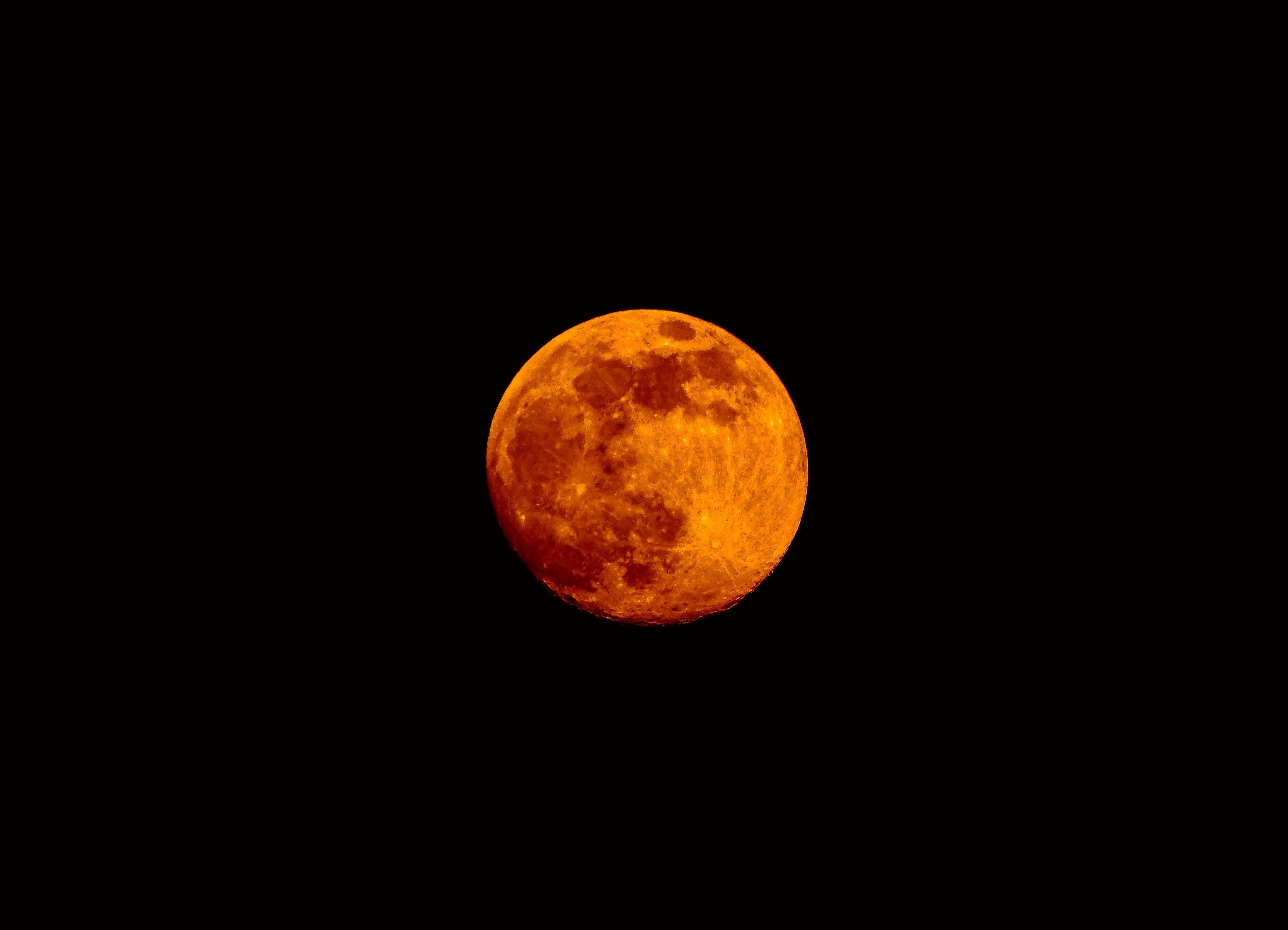
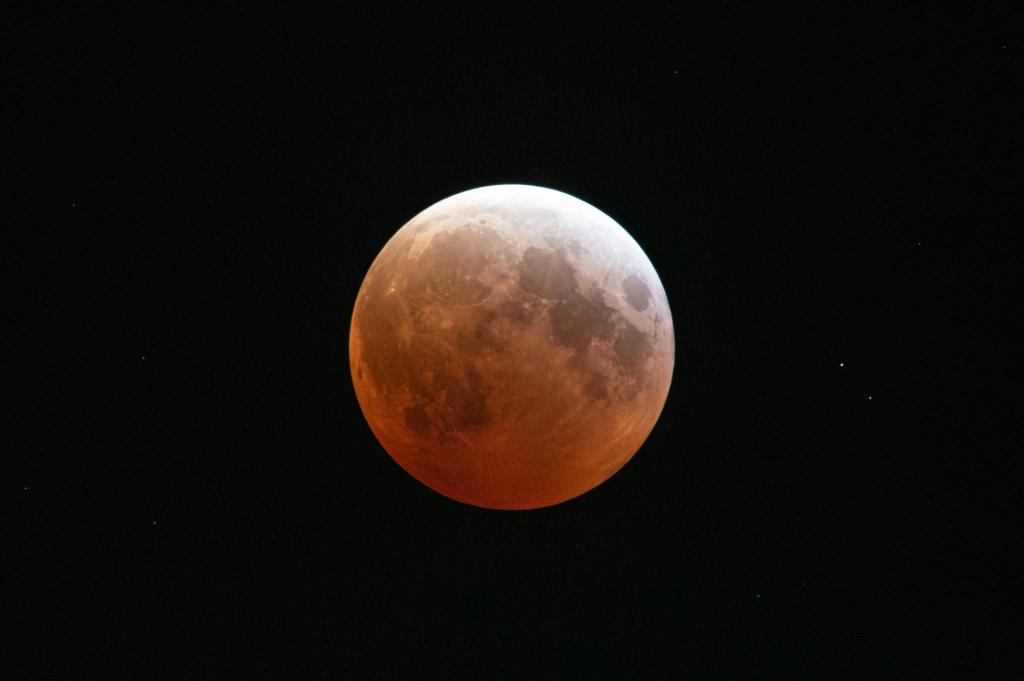
Prepare to feast your eyes on another celestial spectacle — if you’re awake. While full moons are always nice to see (and sometimes validate the chaos in our personal lives), March’s full moon, or “Blood Moon,” is extra special: It will appear in a rusty red hue thanks to a total lunar eclipse.
This total lunar eclipse is the first of 2026, and also the last. It won’t happen again until New Year’s Eve 2028.
Lunar eclipses are not to be confused with the other type of eclipse, solar eclipses. During a solar eclipse, the moon blocks the sun from view, while lunar eclipses only happen during full moon phases, when Earth is positioned precisely between the moon and sun, causing Earth’s shadow to fall on the surface of the moon, according to NASA.
Colors with shorter wavelengths, like blue and violet tones, scatter more easily than colors with longer wavelengths, like red and orange. This causes the moon to appear orange or red during a lunar eclipse.
And unlike solar eclipses (don’t look directly at the sun without special glasses, folks), lunar eclipses are totally safe to view with the naked eye. Here’s when and how to see it in Denver.
NASA/Jordan Cochran
When is the Blood Moon and Lunar Eclipse in Denver?
The total lunar eclipse and full Blood Moon will happen during the early hours of Tuesday, March 3. It won’t be visible everywhere in the world, but people in East Asia, Australia and parts of North America will be able to catch it.
Luckily for Denver residents, Colorado is in a good location for it. According to Time and Date, the total eclipse begins at 4:04 a.m. MST, reaches its peak at 4:33 a.m. and ends at 5:02 a.m.
How to See the Blood Moon and Lunar Eclipse in Denver
Any celestial event is best viewed under clear conditions, away from light pollution. At the moment, there is a 40 percent chance of precipitation early Tuesday morning in Denver, which could affect visibility. But as anyone who’s lived in Denver for more than two minutes has likely gathered, the weather switch-ups are whiplash-inducing here. So there’s still hope!
If the sky is clear, go to your lawn or a local park and bring binoculars, a telescope or a long camera lens if you have one.
Those who are really into it might want to head to one of Colorado’s certified Dark Sky Places. (There are twenty of those now!) Some recommendations include Great Sand Dunes National Park, Black Canyon of the Gunnison National Park, and Crestone.
Why Is It Called a Blood Moon?
Although “Blood Moon” sounds sinister and does appear in an equally sinister Bible verse, it’s not the sign of the end times.
Acts 2:20 reads: “The sun will be turned into darkness and the moon into blood before the day of the Lord comes, that great and terrible Day.”
The moon appears a rusty, bloodish color during a lunar eclipse because of science: Earth’s atmosphere bends and filters sunlight before it reaches the lunar surface. The exact shade varies with each eclipse, depending on conditions in the Earth’s atmosphere, like dust or smoke.
So set your alarm to have your own “great and terrible day” on Tuesday. It is the last chance to catch a glimpse of the Blood Moon for nearly three years, after all.