Hannah Metzger

Audio By Carbonatix
Independent Journalism in Denver Needs You
We need to raise $25,000 by August 9 to support the reporting our community depends on. Reader support keeps us independent and is playing a larger role in funding local journalism and shaping what comes next. If you believe independent local journalism matters, make a contribution today.
For the last 322 days, University of Colorado Regent Wanda James has been barred from committee assignments, leadership positions and attending university events on behalf of the Board of Regents.
These sanctions against James are the longest ever imposed on any regent in CU’s history, following the board’s 7-1 vote to censure James on July 2. Only one other regent has faced this kind of punishment before: Glen Gallegos, who was censured in 2022 due to his hostile and abusive behavior toward women. But the accompanying sanctions against Gallegos were lifted after 223 days, according to the university.
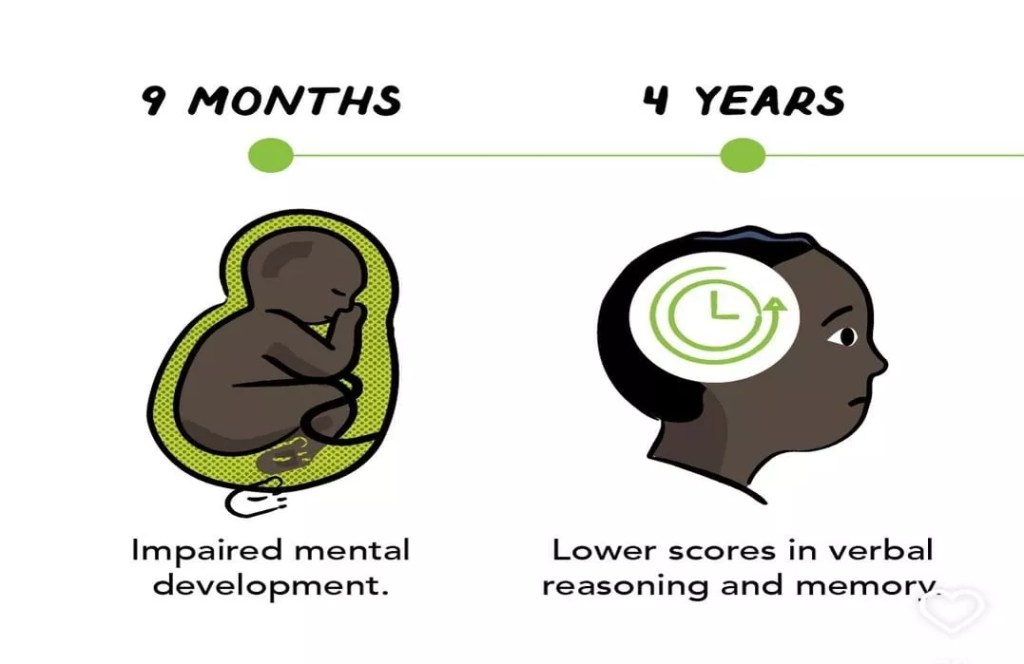
James’s censure came after she objected to a university public health campaign about the risks of marijuana use. James, a cannabis company CEO, questioned the science behind the campaign and called the illustrations depicting Black babies and teenagers racist. The illustrations were later removed and university leadership apologized. However, board members censured James for calling for the education program to be defunded.
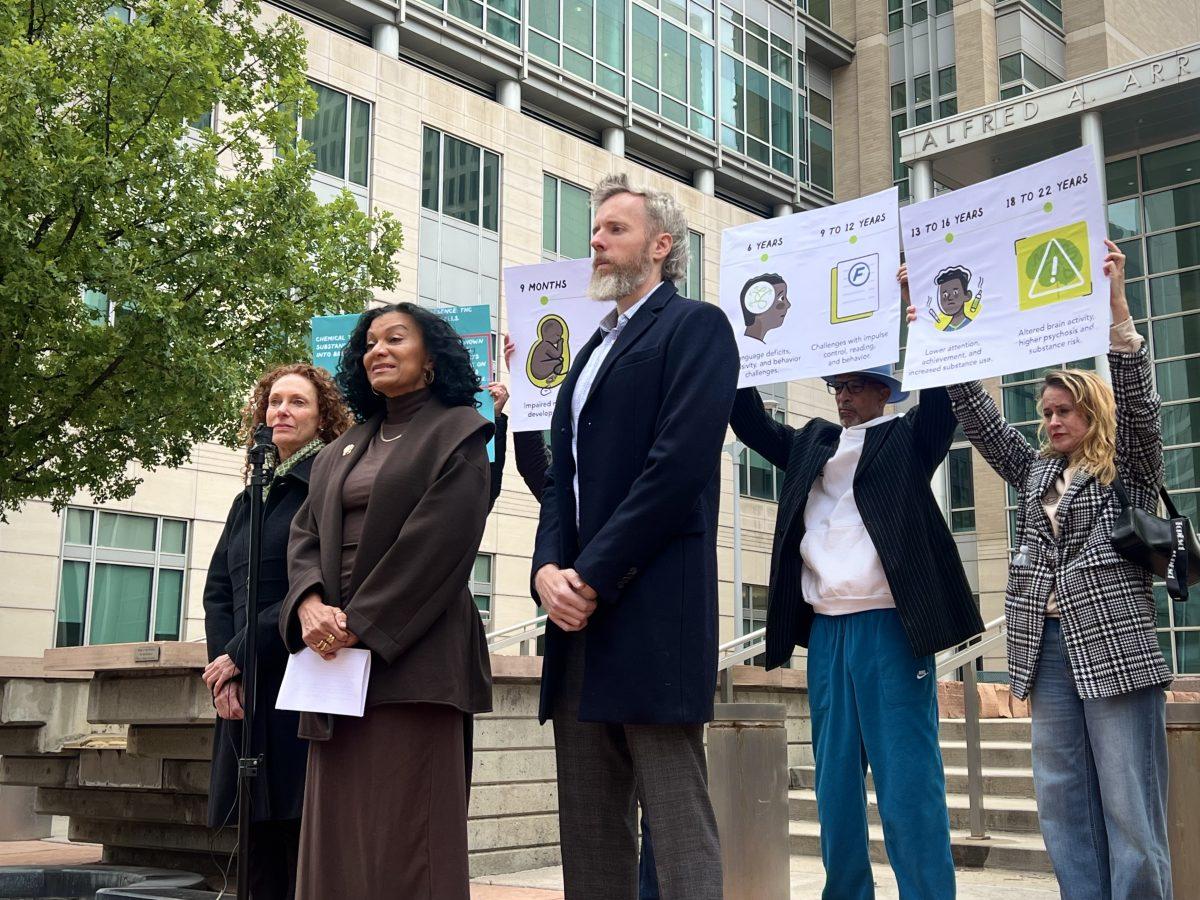
“Let that sink in. A Black woman who spoke out, who spoke truth to power, has been sanctioned for longer than anyone in the history of the University of Colorado,” said Andy McNulty, James’ attorney, during a press conference on Tuesday, May 19.
The sanctions are set to remain in effect until the end of James’ term in 2029, unless a majority of the board decides to revise or remove them. She is now looking to the courts for relief.
James filed a lawsuit against the seven regents who voted to censure her on May 18, arguing that the censure and resulting sanctions violate her First Amendment right to free speech. The lawsuit filed in U.S. District Court requests a preliminary injunction to restore James’ full rights and responsibilities as a regent. It also demands policy changes to prevent future “retaliation” and “racial discrimination” against regents.
“Today is not just about me. It is about whether an elected official can speak honestly about racism inside a public institution without being punished for it,” James said Tuesday. “The First Amendment was never designed to protect comfortable speech. It was designed to protect voices willing to challenge power.”
University of Colorado School of Public Health
The Board of Regents rejects James’ characterization of her censorship, claiming it had nothing to do with James’ accusation of racism or even her objection to the contents of the campaign.
“She has every right to have opinions about the science around high-potency THC. What she cannot do as a sitting member of the Board of Regents is actively work to try to take funding from this university,” says Michele Ames, spokesperson for the Board of Regents. “Regent James violated her fiduciary responsibility to the university by trying to get funding taken away. … That’s what’s at issue here.”
What happened?
In January 2025, James contacted Gov. Jared Polis’s office about her concerns regarding the marijuana campaign and was informed that the governor already intended to request the campaign’s state funding be cut for unrelated reasons, according to a university-funded investigation. James went on to publicly call for the funding to be revoked and instead directed toward social equity cannabis businesses.
The Joint Budget Committee ultimately denied the governor’s proposed cuts, granting the full $2 million in funding to the School of Public Health for the campaign, according to the investigation.
Polis denounced the board’s handling of the situation and investigation into James. His spokesperson told the Boulder Daily Camera in July that the governor is “mystified as to how CU could justify spending hundreds of thousands of dollars investigating a regent that was just doing her job as an elected official.” The university reported spending $462,900 on investigating James and another regent.
Attorney General Phil Weiser has also questioned the constitutionality of the censorship.
“The First Amendment protects the right to free expression. Neither a White House executive order nor a public university policy can override this fundamental right,” Wesier wrote on X in July. “I am concerned that the CU Board of Regents action sanctioning Regent Wanda James did just that. … The Board of Regents would do well to reconsider its action against her.”
James stressed that the governor independently decided to request the funding cut long before she spoke to his office. Ames argues that the timeline is not relevant; the point is that James “actively worked to try to take funding from the university.”
Ames also defends the intention behind the campaign’s illustrations of Black babies and teenagers, which James called racist. Ames notes that the campaign also included illustrations of white characters and photographs of models of various races.
She shared numerous images created for the campaign with Westword, including fifteen illustrations of people. Thirteen of the illustrations depict characters with dark brown skin. Two depict characters with white skin.
“It was always intended to be inclusive,” Ames says. “The idea behind the campaign was that everybody could see themselves in it somewhere. … Regent James took issue with a few of those images and they were removed immediately and that’s where this story should have ended, but it did not. It was the additional actions she took, which she has publicly said she took, that have created the rest of this story.”
Hannah Metzger
James is the only Black regent currently on the board, and was the first Black woman to serve as regent in over 43 years when she was elected in 2022. She is just the second Black woman and the third Black person ever elected as a CU regent.
James alleges that her censorship was not only because she criticized the marijuana campaign, but because she has long called out racism and inequality in the university system. When the board voted to censure James in July, the lone dissenting vote came from Regent Nolbert Chavez, the only other person of color on the board, James’ lawsuit notes.
“This is the accumulation of silencing me from speaking out about things that make this university uncomfortable,” James said. “This is a complete retaliation for a speech that I did for Black History Month last February, calling out the university for its failure to hire people of color at the highest levels.”
Why a lawsuit?
James’ supporters have publicly threatened to pursue legal action over her censorship since at least September, but James claimed she never intended to file a lawsuit until it became clear the matter was not going to be settled otherwise.
“I have been asking and asking this board, our general counsel, the president of the university. I have done everything humanly possible to get my rights back as a regent, and they have denied it at every turn,” James said.
In July, Regent Callie Rennison told the Daily Camera that the board held “countless” meetings to discuss resolving the issue, but James was allegedly unwilling to compromise. James called that claim “entirely untrue” during Tuesday’s press conference.
The board lifted sanctions against Gallegos in 2023 following his participation in “remedial measures,” according to a board letter from May 2023. That included Gallegos undergoing sexual harassment and misconduct training, and demonstrating a “willingness to help the university learn and grow.”
Ames says the board “has both formally and informally tried to resolve this matter” with James and “they have been open to lifting sanctions, but so far there’s been no agreement.”
Ames declined to comment further when asked about the potential conditions for lifting the sanctions and whether it was James or other regents who could not agree on the terms. According to James, she has been asking for the sanctions to be lifted for 322 days.
“We have been forced into this situation,” James said. “We’re demanding that things change.”
The filing of the lawsuit comes just over a month before the June primary election, in which James is running to represent the First Congressional District in the U.S. House of Representatives.