
Kristen Fiore

Audio By Carbonatix
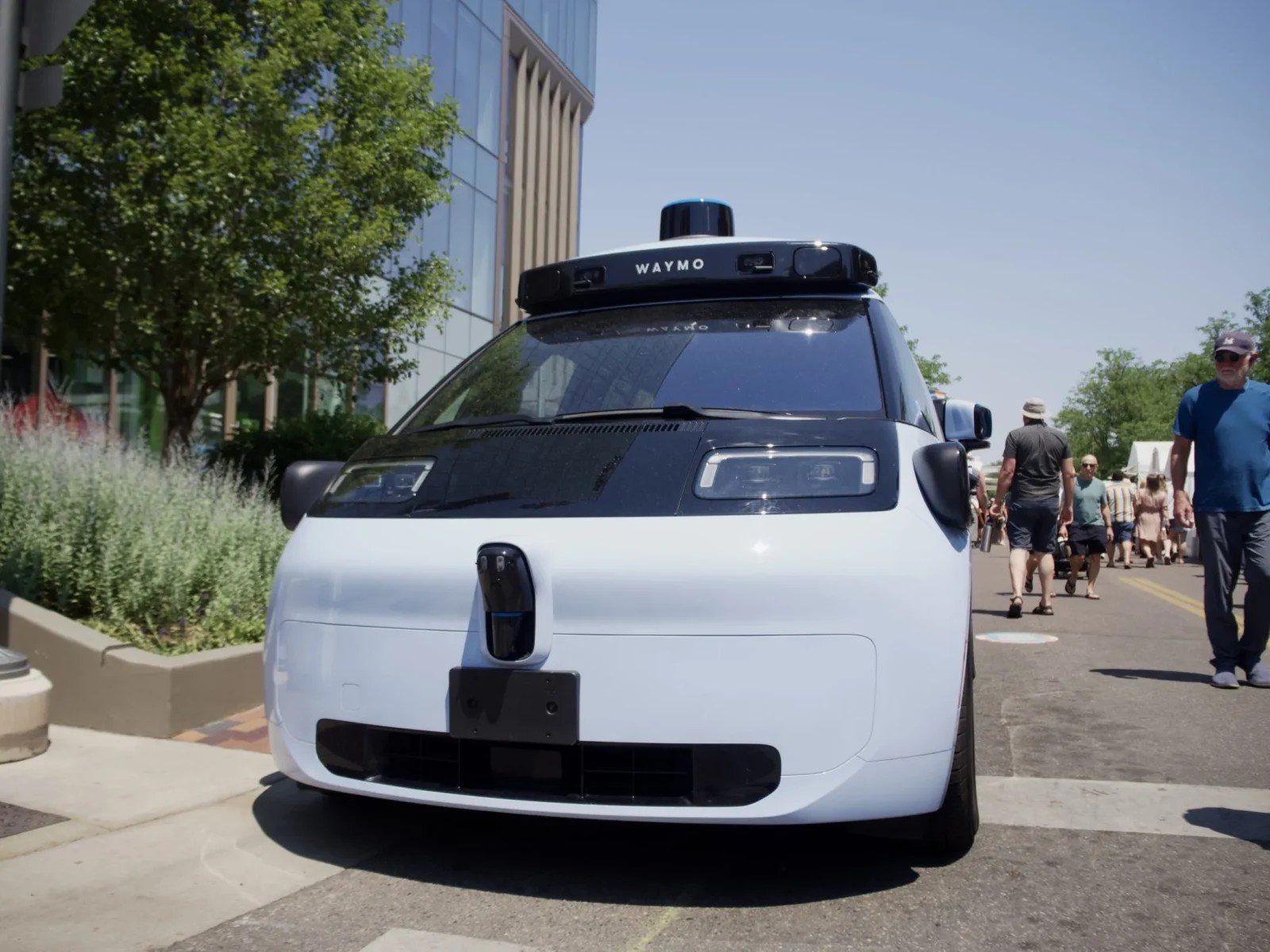
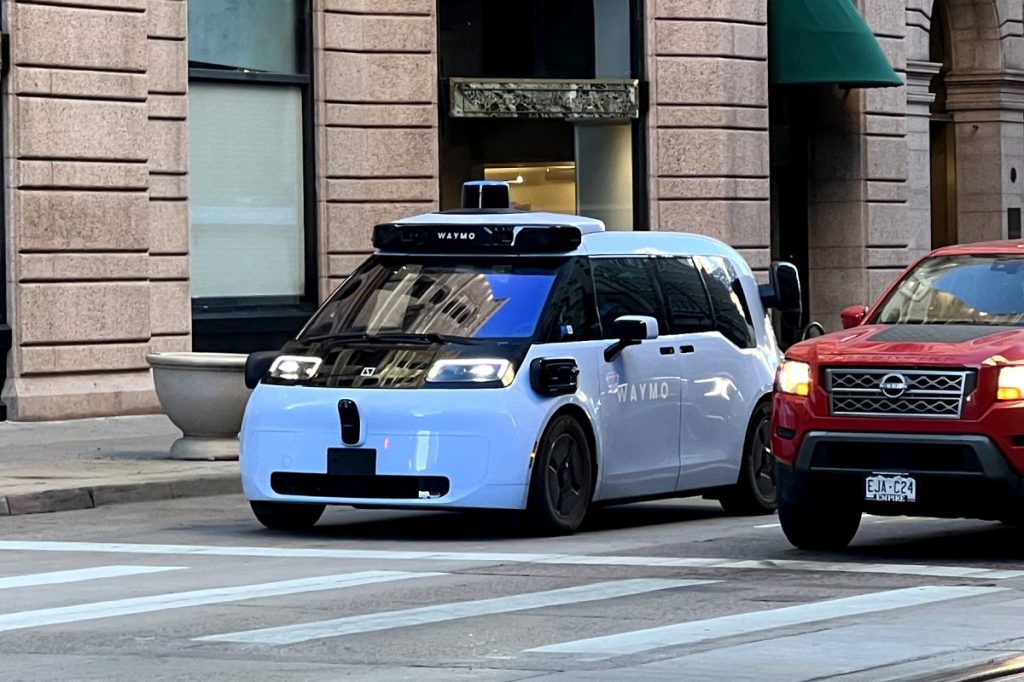
Waymo has become a familiar sight on Denver roads since the autonomous ride-hailing service launched in the city last September. But ten months later, humans are still behind the wheel.
The AI-powered self-driving vehicles are currently supervised by employees in the driver’s seat as they work to map city streets and test their winter-weather capabilities. However, those test drives will soon come to an end, the company announced on Wednesday, July 8.
Fully autonomous rides are expected to start in Denver “in a matter of weeks,” says Waymo spokesperson Sandy Karp. The autonomous rides will initially be restricted to employees only and limited to certain neighborhoods, including RiNo, Baker and Cherry Creek.
The rides will open to the public “soon” after, though an exact date is not yet available, Karp says. Users will be notified via the Waymo app when public rides begin.
“Just as we’ve taken an incremental approach to rolling out our technology, we’ll gradually expand our service and fleet, keeping safety and the needs of local communities in mind,” Karp says.
This rollout comes later than expected, as the company initially said it planned to open to the Denver public “early in 2026.”
Since that September estimate, Waymo has twice recalled around 3,800 vehicles; first in May after a self-driving vehicle entered a flooded road, and then in June after multiple vehicles drove into freeway construction zones. The company told Denver7 that the recalls would not affect Denver’s operations.
Waymo launched its fully driverless service in Phoenix in 2020. Now, the self-driving cabs also operate in Los Angeles, San Francisco, Atlanta, Austin and Nashville, with testing active in other cities.
In addition to Denver, autonomous rides will begin in San Diego, Las Vegas and Tampa in the coming weeks, according to Waymo.
Hannah Metzger
The Waymo Driver works by first mapping the city in which it will operate, including lane markers, stop signs and crosswalks. While driving, the vehicles use 360-degree cameras, radar sensors and lidar sensors to decipher their surroundings. The AI system employs this real-time information and past experience to plan its route and to anticipate and respond to the actions of drivers, cyclists and pedestrians.
It’s not a flawless system. Waymo recalled over 2,300 self-driving vehicles in 2024 and 2025 following collisions with road barriers, a utility pole and a towed pickup truck. In San Francisco, Waymo taxis received 589 parking tickets in 2024. The cyber-cabs made headlines after anti-ICE protesters set the vehicles on fire in L.A., and when dozens of confused Waymo cars disturbed residents by honking at each other in a self-induced parking-lot traffic jam.
Despite the occasional speed bumps, Waymo is seen by many as the answer to improving road safety. A peer-reviewed study by Waymo found that its self-driving cars had a significantly lower crash rate than human drivers. The company’s latest analysis reports that its vehicles are involved in 82% fewer injury-causing crashes compared to average human drivers in its operating cities.
According to Waymo, each mishap has led to software updates, teaching the Waymo Driver how to better respond in the future. The company calls its system “the world’s most experienced driver,” having traveled over 220 million fully autonomous miles on public roads.
Let’s see how it handles Colfax.