
Hannah Metzger

Audio By Carbonatix
The future is now.
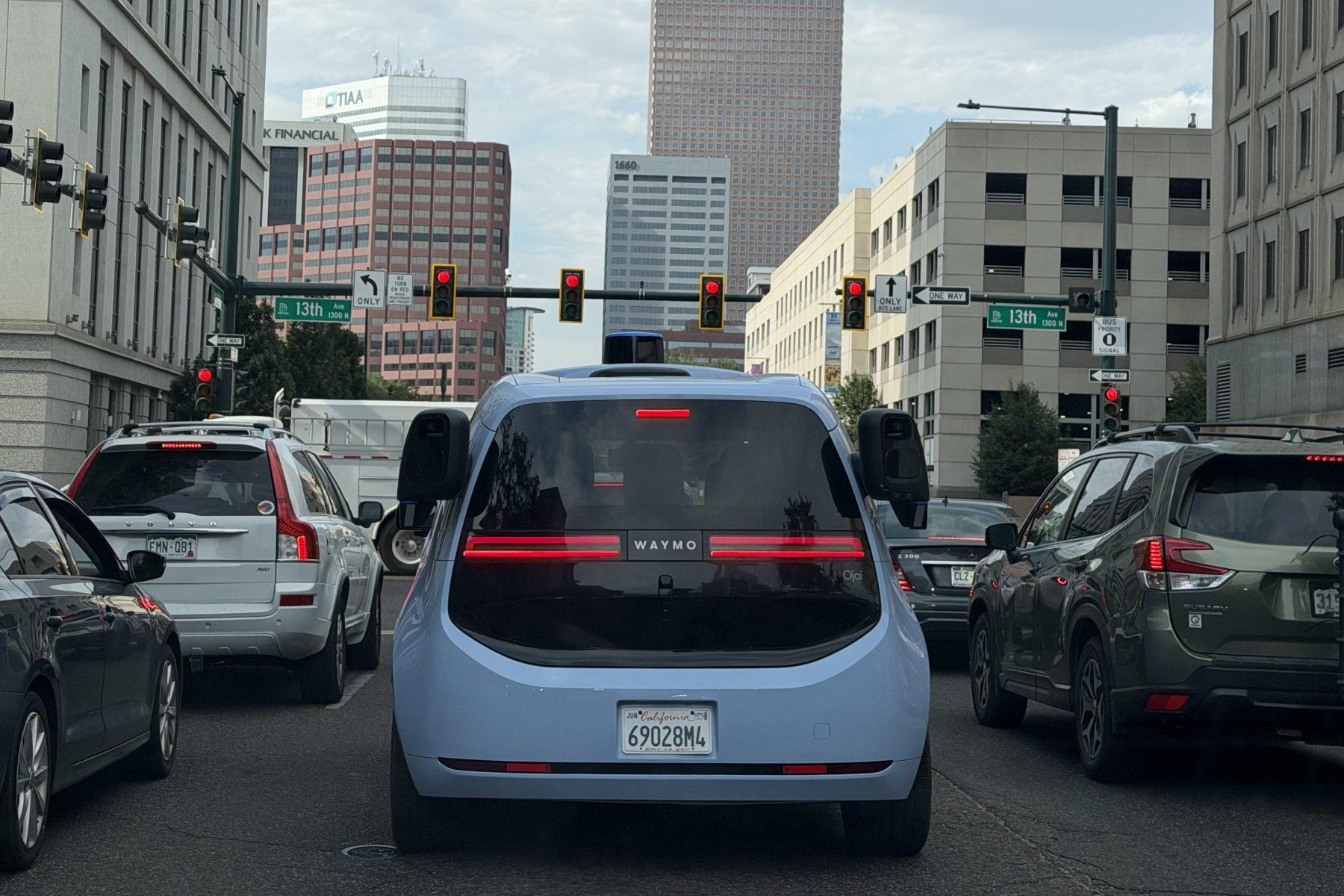
Waymo arrived in Denver last September, unleashing a fleet of AI-powered self-driving vehicles to map out the city. The operation started with human employees behind the wheel. Then they were moved to the passenger seat. Now, the powder blue electric vans roam the streets completely empty, marking the final stage of testing.
Driverless rides will soon finally open to the public. The company says Waymo will be fully operational in Denver before the end of 2026. But Westword got a sneak peek on Tuesday, Aug. 18.
Here’s what you should know about riding in an autonomous robotaxi:
How it works
Users hail a ride via the Waymo app, just as they would with Uber or Lyft.
Initially, Waymo will only drive within a 50-mile radius inside Denver city limits. The vehicles will not go on freeways or to Denver International Airport, though the company says it plans to expand service to include those options within months of the Denver launch. Waymo already provides freeway service in San Francisco, Los Angeles, Phoenix and Miami, according to the company.
Rides are available 24/7. Users can schedule a pickup up to one hour in advance.
The Waymo Driver works by first mapping a city, including lane markers, stop signs and crosswalks. While driving, the vehicles use 360-degree cameras, radar sensors and lidar sensors to decipher their surroundings. The AI system employs this real-time information and past experience to plan its route and anticipate and respond to the actions of drivers, cyclists and pedestrians.
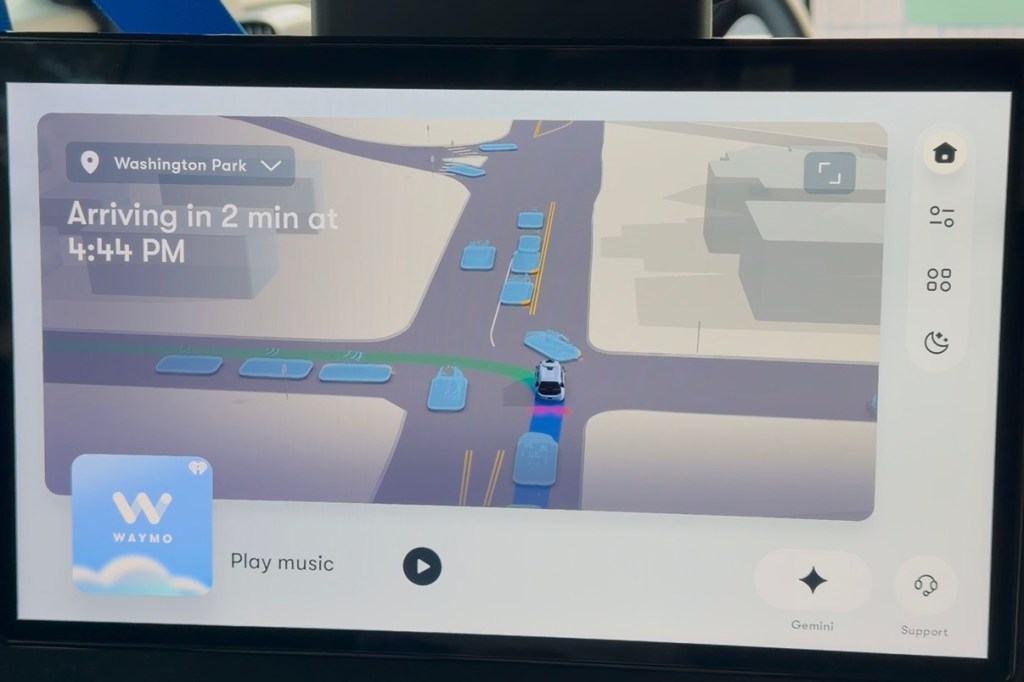
During the rides, three touch screens throughout the vehicle show passengers what the Waymo Driver sees: renderings of nearby vehicles, pedestrians and buildings, as well as a green pathway illuminating the planned route.
There are also cameras inside the vehicle, allowing Waymo’s remote human support staff to see the riders. According to Waymo, the cameras are always on but not always actively monitored, and microphones inside the vehicle are only activated when users interact with customer support.
Hannah Metzger
Pros
The Waymo experience is entirely customizable for each rider, making it an incomparably comfortable rideshare experience.
Before the vehicle even arrives, users can set their desired temperature in the app, so it is nice and cool when they get inside. Riders can also set the colors and initials that appear on the display atop the vehicle, making it easier to identify which Waymo is for them.
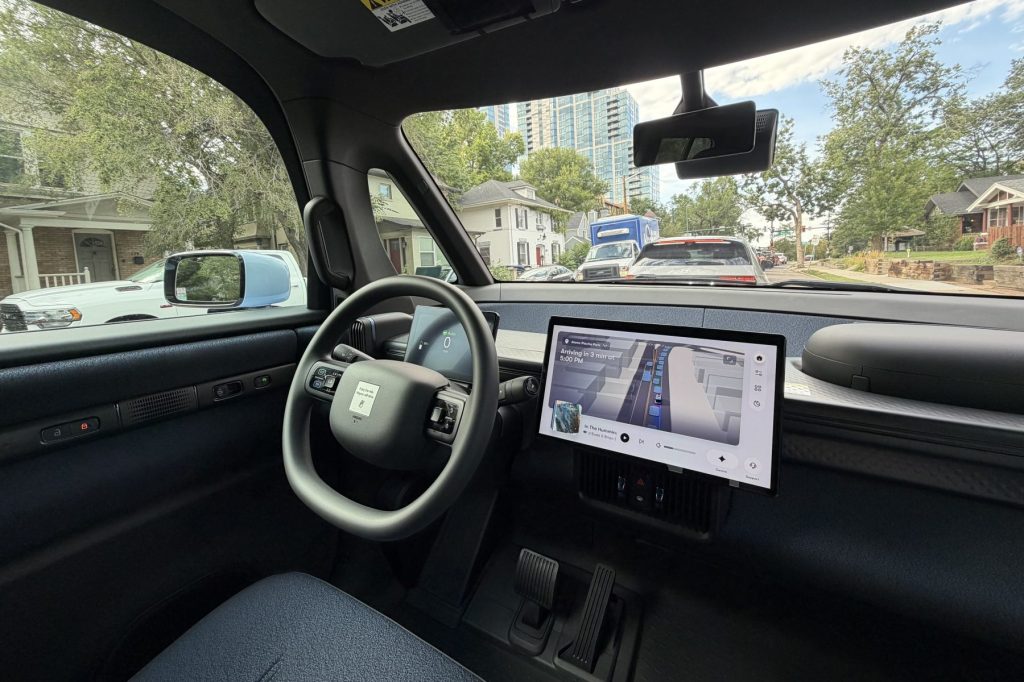
Once inside, riders can control the seats, windows, temperature and music — it even has the option to log in to personal Spotify and Apple Music accounts.
Westword’s ride, predetermined by Waymo, lasted around 20 minutes: a round trip from Alamo Placita Park to Washington Park. Despite the uncanny sight of the empty driver’s seat and the steering wheel turning on its own, the ride felt relaxed and safe from beginning to end.
The Waymo Driver seemed hyper-aware of every human being in the vicinity. It slowed to well below the speed limit when passing people standing on the side of the roadway, apparently preparing for the possibility that someone would suddenly dart in front of the vehicle. It made human-like decisions, such as stopping at a non-lit crosswalk when a pedestrian was waiting, and veering over a dashed lane line to give extra space to a person entering his car parked on the side of the road.
Waymo pushes road safety as its primary selling point. Unlike people, the Waymo Driver doesn’t get distracted by a cell phone or fall asleep behind the wheel. It doesn’t lash out from road rage, drive drunk or speed. A peer-reviewed study by Waymo found that its self-driving cars had a significantly lower crash rate than human drivers. The company’s latest analysis reports that its vehicles are involved in 82% fewer injury-causing crashes compared to average human drivers in its operating cities.
There have only been three fatal collisions involving Waymo, though the autonomous vehicles were not considered at fault. In two incidents, the Waymos were empty and struck from behind by human drivers: one while in standstill traffic and the other while slowing to turn into a parking lot. In the third incident, a jaywalking pedestrian was reportedly hit by a human driver, and his body was thrown into the side of an unoccupied Waymo.
The safety advantage extends beyond driving, as well. As Waymo’s spokesperson pointed out during Westword’s ride, Uber and Lyft have been embroiled in controversy due to drivers sexually assaulting passengers. The issue came to the forefront in Colorado following a series of high-profile cases, including that of State Rep. Jenny Willford, who sponsored legislation to improve rideshare safety after she says she was victimized by a Lyft driver.
Hannah Metzger
Cons
Removing the human threat also removes the human connection.
Someone who needs assistance getting into a vehicle or loading their bags would struggle with the solitary environment of a Waymo. As would anyone who simply enjoys conversing with their driver, such as visitors who want personal recommendations from a local on how to explore Denver.
The vehicles are fitted with Gemini, Google’s AI assistant, which allows riders to “talk” to their Waymo. (For example, asking for a good coffee shop or to adjust the music.) But the system is finicky. During Westword’s ride, Gemini did not play music when requested. While it did offer suggestions for nearby coffee spots, those recommendations feel less meaningful coming from an AI system scraping online information, compared to a human who has actually tasted the coffee.
At times, the ride felt a bit jerky due to the frequent braking in response to nearby pedestrians. However, it wasn’t any more egregious than an average human driver.
But human drivers can do things autonomous vehicles cannot. A Waymo can’t swing by a drive-thru and often gets confused by construction zones. In Denver, a Waymo got stuck in the middle of Colfax Avenue earlier this month amid cones and lane closures. Just this summer, Waymo has twice recalled around 3,800 vehicles; first in May after a self-driving vehicle entered a flooded road, and then in June after multiple vehicles drove into freeway construction zones. Waymo recalled over 2,300 self-driving vehicles in 2024 and 2025 following collisions with road barriers, a utility pole and a towed pickup truck.
In addition, not everyone is happy about Waymo coming to Denver. During Westword’s ride, a man passing by on a moped flipped us off while we were stopped at a red light. Critics have objected to Waymo for utilizing AI and for threatening the livelihoods of rideshare drivers.
In California, tensions resulted in some residents bullying the vehicles, reportedly jamming traffic cones onto the hoods, parking cars to surround them or simply standing in the road to block their path. Waymo sued two Bay Area residents in 2024, accusing one of slashing tires and the other of intentionally crashing into a Waymo vehicle. In 2025, during unrelated anti-ICE protests in L.A., protesters even set the vehicles on fire.
Hannah Metzger
What’s next?
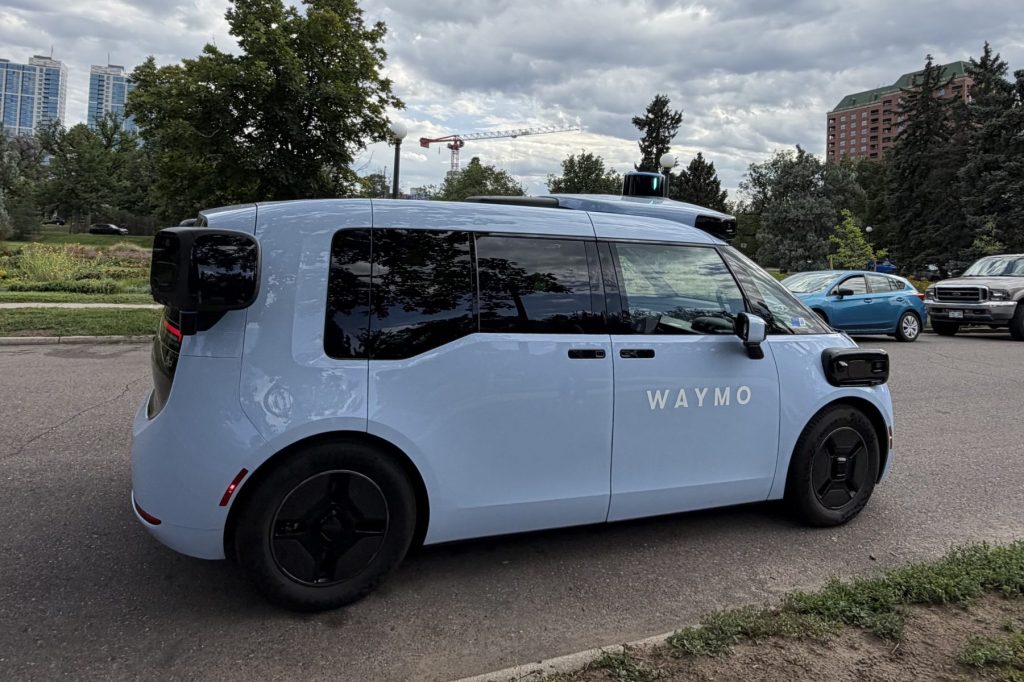
Waymo is vague about when Denver residents will be able to request rides, but the company insists it will happen sometime this year.
Initially, “dozens” of vehicles will be activated in Denver, according to the company. The number will gradually expand to “hundreds” based on their use, so as not to overwhelm the city with hordes of empty robotaxis before passengers are comfortable riding in them.
Waymo first launched its fully driverless service in Phoenix in 2020. Now, the self-driving cabs also operate in Atlanta, Austin, Dallas, Houston, L.A., Miami, Nashville, Orlando and San Antonio. Testing is currently active or planned to start soon in more than a dozen other cities, according to the company.
Denver residents can download the Waymo app now to get first access when autonomous service begins. That early access will precede general public access, though no specifics are available regarding the timeline.