
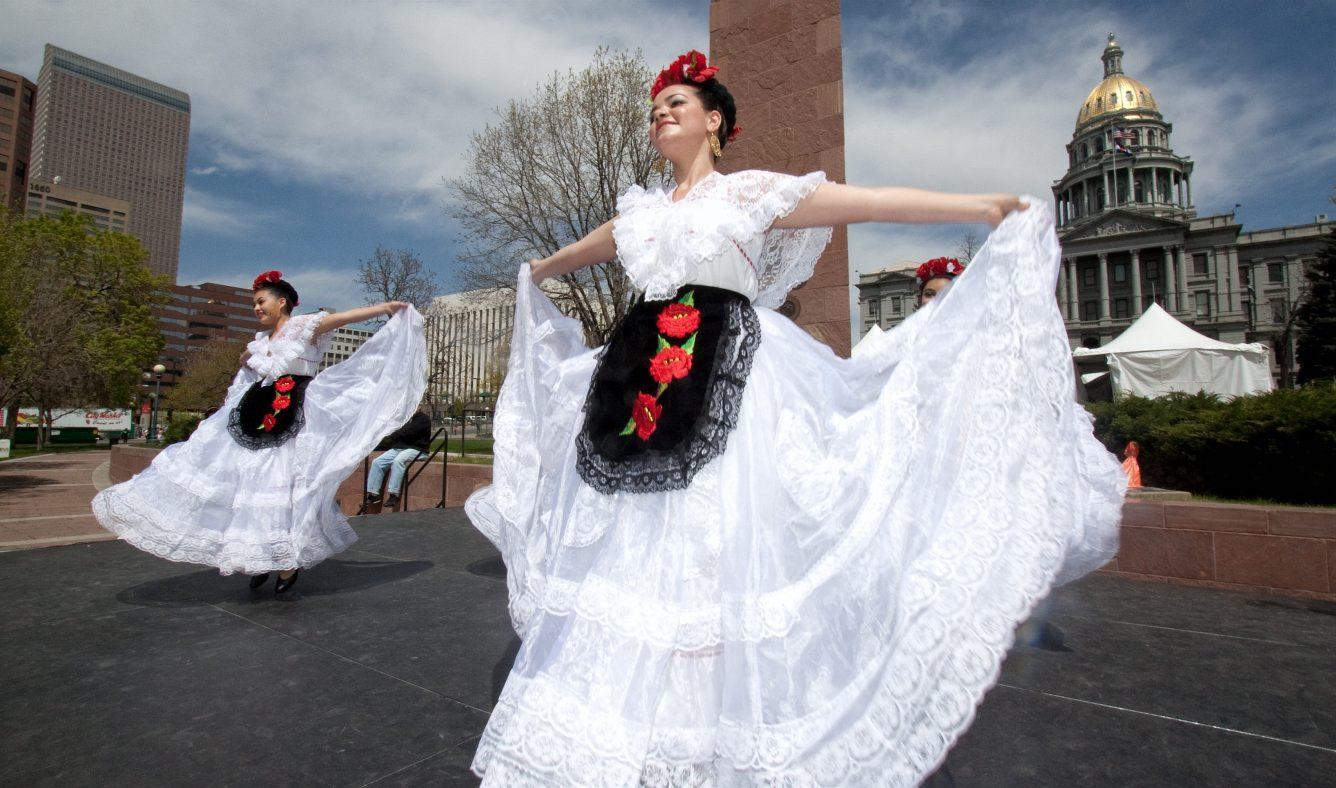
Photo by Shannon Garcia

Audio By Carbonatix
With much of Civic Center Park under construction, Denver’s largest cultural celebration is being forced to rethink how it uses the space and whether it can avoid the crowding and confusion that plagued other recent events in the park.
The Denver Cinco de Mayo Festival returns May 2 and 3 from 10 a.m. to 8 p.m. at Civic Center Park, with free admission, three stages of live music and dance, a community parade on Saturday at 11 a.m., a lowrider car show and staple contests like the Chihuahua races and taco eating competition. Organizers expect at least 200,000 attendees across the weekend, even with construction limiting access to parts of the park.
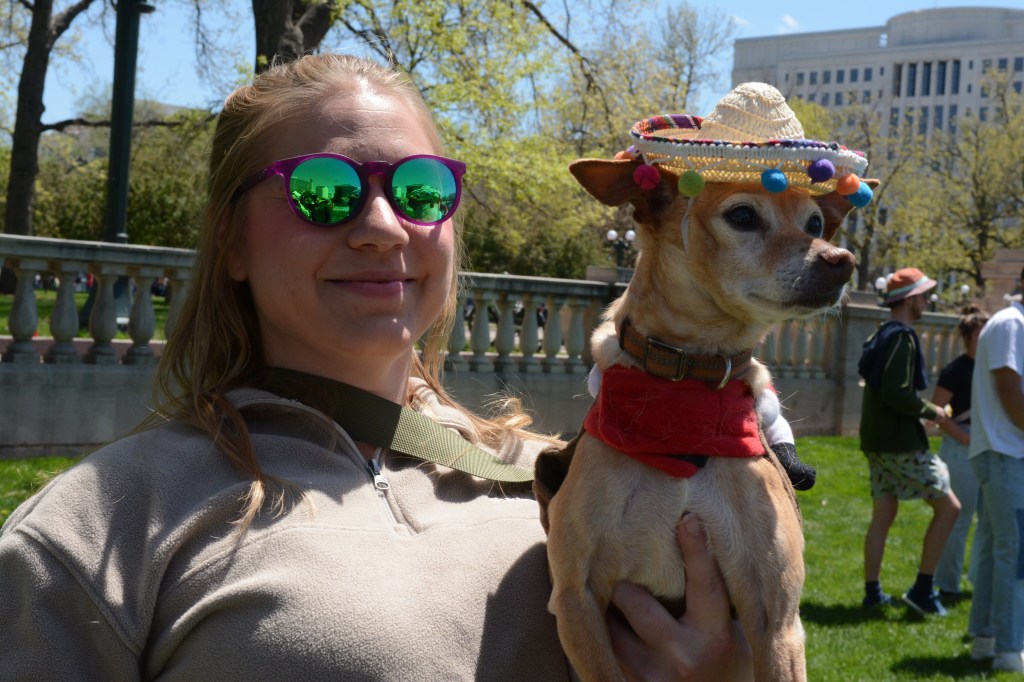
Photo by Shannon Garcia
Andrea Barela, president and CEO of event organizer NEWSED Community Development Corporation, never questioned whether the festival would take place. It was always about figuring out how to adapt to the construction while preserving what had made the Cinco de Mayo Festival a Denver tradition for nearly 40 years.
“We’re not scaling it down in any way because of the renovations,” Barela says. “We can have it; we just have to produce around it.”
The biggest shift comes from construction at the Greek Amphitheater, which typically anchors the festival’s main stage. This year, the main stage moves to the Great Lawn along Bannock Street, the local stage shifts to the library lawn, and the community stage remains in Lincoln Park. Contests and smaller activations are also being pushed into Lincoln Park after organizers lost access to the central lawn area near the seal pond.
The changes mean tighter spacing in some areas, but Barela says the team has experience navigating disruptions.
“Never fear, we’ve figured it out,” she says. “The grass won’t be entirely off-limits; it’ll just be cut down a bit. That’s what we anticipate being a little tricky this year, but we can do it. We’ve had to deal with renovations in the park before; it’ll be fine. If people have logistical concerns, they should visit our website’s frequently asked questions section, which contains answers to questions such as where to park, what the event’s rules are, how security works and all that good stuff.”
That confidence stands in contrast to the recent 4/20 event in the park, where fencing and reduced space compressed crowds and left some attendees frustrated. Barela acknowledges this year will require flexibility, but emphasizes that Cinco’s scale and planning timeline set it apart.
“We spend the better part of the year planning for the event and making sure that it runs smoothly,” Barela says. “Even though we’ve been doing this for 37 years, it’s ever-changing, and we have to adapt.”
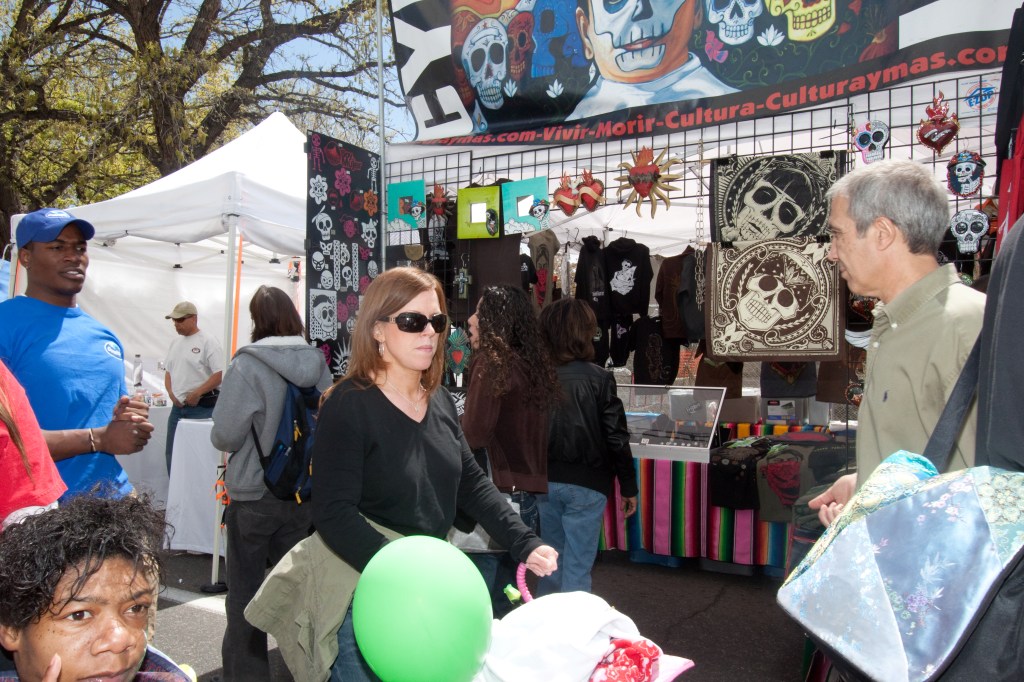
Photo by Shannon Garcia
That planning includes coordinating a large network of vendors, sponsors and production partners, along with about 150 food and retail vendors expected on site this year. It also means preserving the core elements that draw crowds in the first place.
“All the stages are such a treat,” Barela says. “You’re getting a little bit of everything: banda, reggaeton and norteño. We get asked all the time, ‘Is there going to be mariachi?’ Of course, there’s going to be mariachi all over the place. There’s going to be Aztec dancers, folklórico and all of that everywhere. It’s just a beautiful display. The stages are the number one reason that people come to the event.”
Attendance can fluctuate widely depending on weather and other factors, but Barela says the festival routinely draws over 200,000 people and has reached as many as 400,000 in peak years.
“It’s a Denver tradition,” she says. “People come out for Cinco de Mayo. They celebrate it in a big way. We hope people come out and forget about the troubles of the world right now, which I know we’re all feeling, and just have fun. Come to the event and really experience it, really be a part of it.”
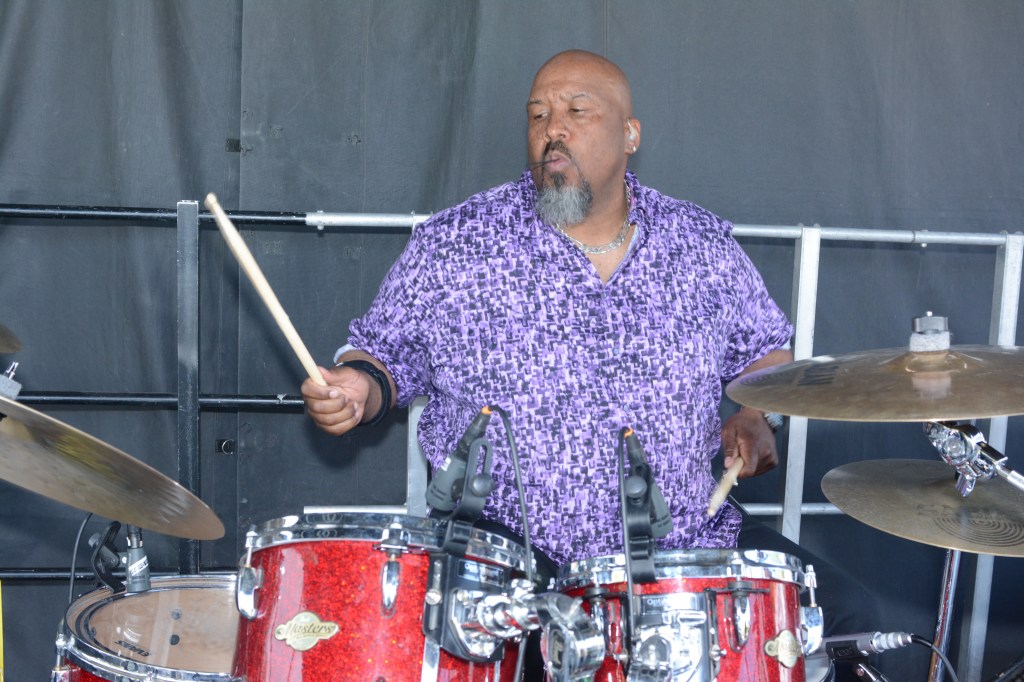
Photo by Shannon Garcia
While organizers reconfigure the festival footprint, the Denver Police Department is preparing for activity beyond the park, particularly along Federal Boulevard, where cruising has long been part of the celebration. At an April 29 press conference, District Four Lieutenant James Ballinger said the department will implement a two-phase traffic plan designed to keep vehicles moving while maintaining emergency access.
“Our first phase is a traffic diversion, where we close off one lane of Federal northbound and southbound, and the other lane is for emergency purposes,” Ballinger says. “That allows fire, EMS and the police to respond to any type of emergencies up and down the corridor.”
If congestion builds later in the evening, officers will shift signals along the corridor to keep traffic flowing out of the area. Enforcement, Ballinger says, will focus on behavior that poses safety risks.
“The only enforcement that we focus on at that time is anything of a safety nature and violation,” he says, including speeding, reckless driving and similar activity. “This is my third year doing Cinco de Mayo celebrations. I used to work at a different part of the city, and within the past two years, we’ve had maybe five arrests and only a handful more violations. I couldn’t give you an exact number on that, but it’s not a heavy enforcement activity.”
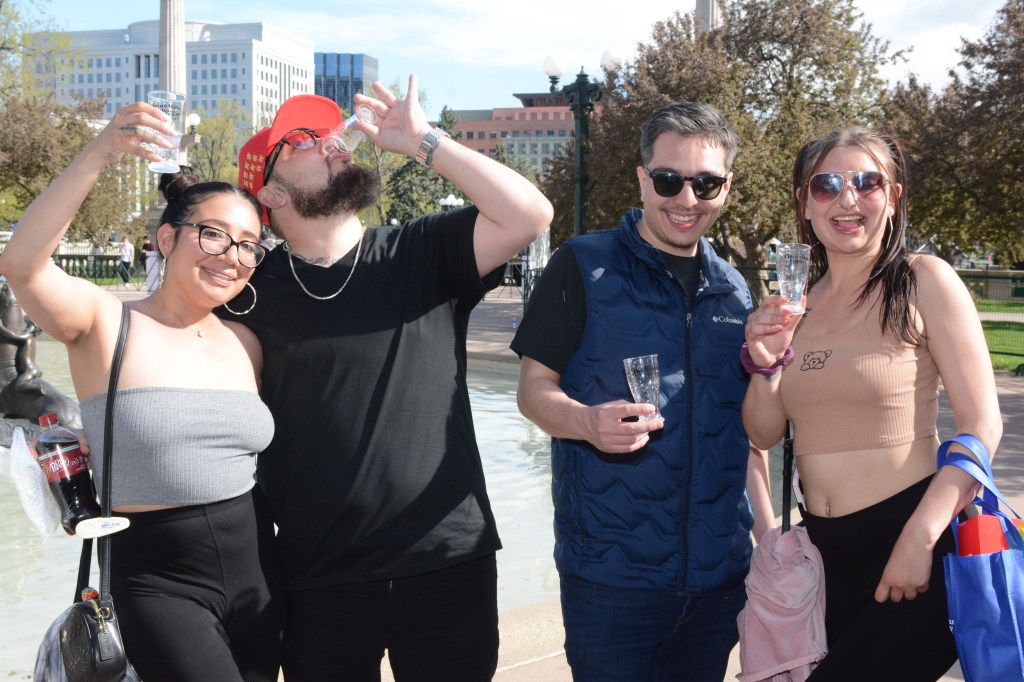
Photo by Shannon Garcia
Inside the festival grounds, Barela says safety planning includes gated entrances, bag restrictions, private security teams and a visible police presence, along with on-site paramedics. “We have a very, very secure event,” she says.
Not every part of the festival has gone unquestioned. The Chihuahua races, scheduled for 1 p.m. on May 2, have drawn criticism from People for the Ethical Treatment of Animals, which has urged organizers to replace the event with alternatives such as robotic dog races, arguing that loud crowds and chaotic environments can stress animals.
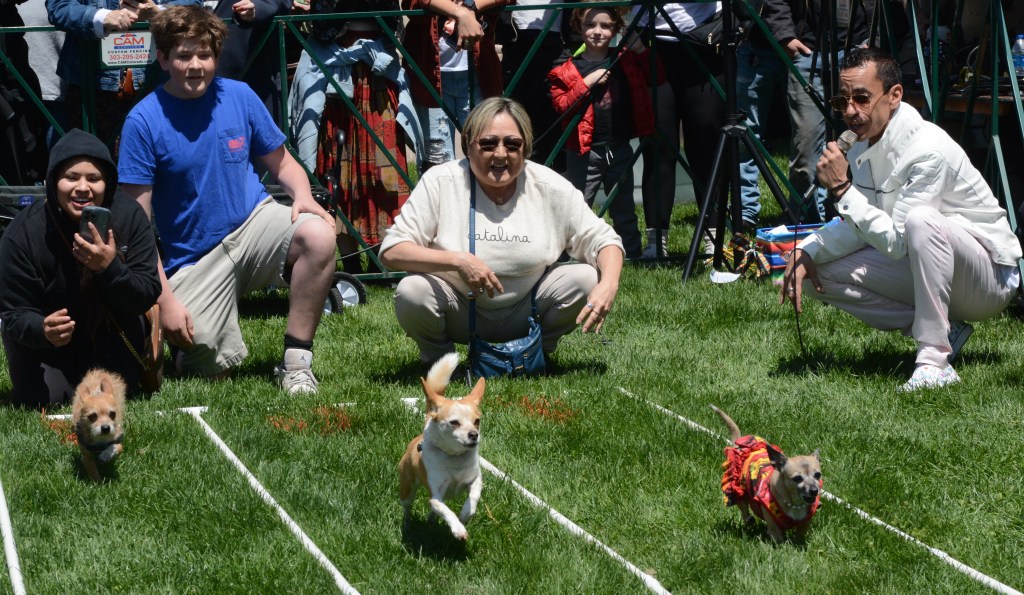
Photo by Shannon Garcia
“Please cancel the dog races,” wrote Amy Bousquet, PETA special projects manager wrote the festival organizers in a letter on April 24. “If you agree, we’ll help you launch a new event by providing interactive robot dogs to race instead and delicious vegan tacos for attendees to enjoy.”
The festival lineup remains unchanged.
Even as the logistics shift, Barela, whose mother Veronica helped organize the city’s original Cinco de Mayo revival, remains committed to providing an experience that reflects the event’s roots.
“It absolutely is a cultural celebration,” she says. “It’s like visiting Mexico in the heart of Denver for a weekend. You’ve got the music, the dance, the food, and really a mix of different regions. That’s what makes it awesome.”
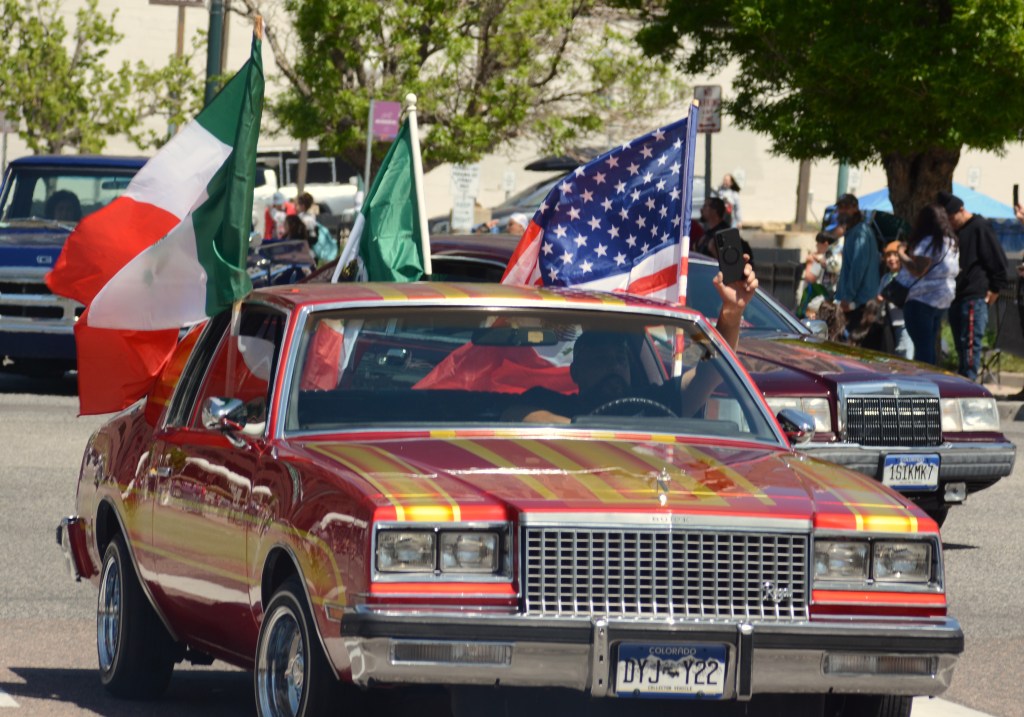
Photo by Shannon Garcia
She points to the hours before opening — when sound checks echo across stages and vendors begin cooking — as the moment that captures what the festival means to her and to the city.
“This event has been a part of people’s lives for a long time,” Barela says. “They associate it with the beginning of the season. It has an energy to it that is undescribable. It’s just kind of in my bones.”
Even with construction limiting space and forcing changes, she believes that energy will carry the festival through another year.
“We just have to adapt,” Barela says. “And make sure we don’t lose what makes it special.”
Denver Cinco de Mayo Festival is Saturday, May 2, and Sunday, May 3, in Civic Center Park, 101 West 14th Avenue Parkway, from 10 a.m. to 8 p.m. both days. Free. Learn more at cincodemayodenver.com.