Courtesy of Cleo Parker Robinson Dance

Audio By Carbonatix
Last year was a big year for the Denver arts scene, with leadership changes at cultural institutions, artists activating the city in various ways, and creatives taking matters into their own hands. And the momentum isn’t slowing down. Here are seven Denver creatives shaping the city’s arts and culture who we’ll be keeping an eye on in 2026.
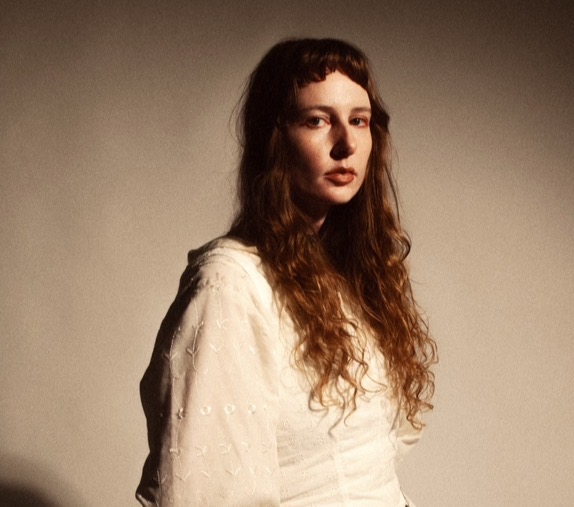
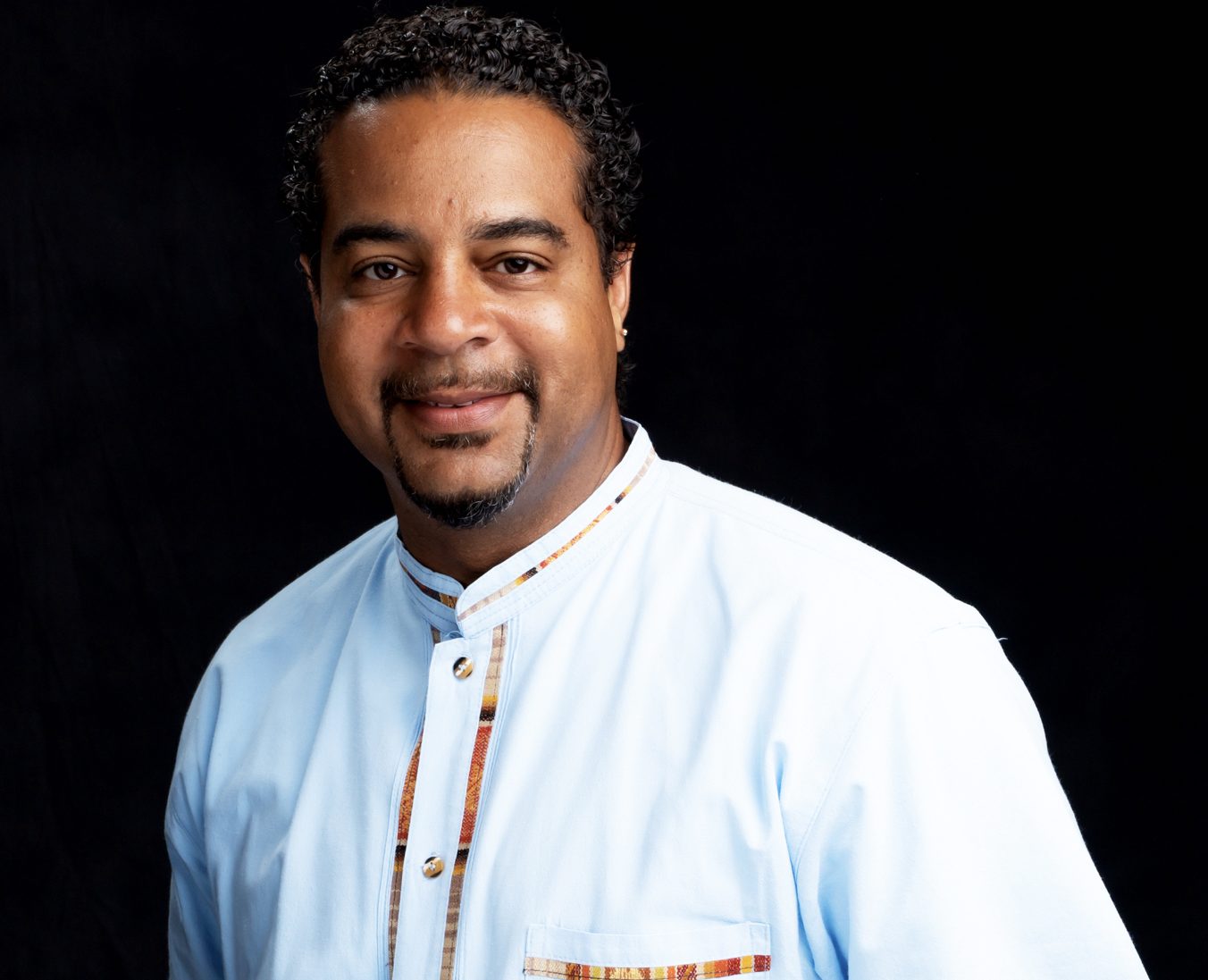
Malik Robinson
As the son of Denver’s iconic Cleo Parker Robinson, Malik Robinson jokes that he grew up “running amok” in the dance company. “I probably got on a lot of dancers’ nerves, but it was a joy for me having all of these dynamic artists around, and you get to see people doing amazing things,” he says. Malik might’ve been in the background goofing off when he was young, but he was also paying attention.
“He was really a sponge,” Cleo says. While Cleo Parker Robinson Dance has always been guided by Cleo’s artistic vision, the late Tom Robinson, her husband and CPRD co-founder, handled the business side of things. Malik laughs that his dance career peaked in kindergarten when he performed as a munchkin and a flying monkey in The Wiz, but he did end up following in his father’s footsteps: coordinating conferences, organizing international tours for the Cleo Parker Robinson Dance Ensemble, booking shows and securing funds. In 2024, he became president and CEO of Cleo Parker Robinson Dance, and he’s currently leading the 55-year-old Denver institution through a massive expansion of its facility.
Since the late ’80s, CPRD has operated out of the historic Shorter AME, a Five Points church retrofitted into a performing arts center. While Cleo says she never dreamed the company would outgrow the building, it has done just that, and thanks to a $4 million Community Revitalization grant from Colorado Creative Industries, tax credits and contributions from individuals and foundations, the Cleo Parker Robinson Center for the Healing Arts is scheduled to open this month after about a year and a half of construction.
The facility will focus on the healing power of art — something that Cleo, who got her degree in psychology, education and dance from Colorado Women’s College, has always valued. The 25,000 square-foot expansion, which is connected to the Shorter AME building, will also offer a state-of-the-art theater, performance spaces, movement studios, activity rooms for multi-disciplinary arts classrooms and office space.
“Dance is socially oriented, and it’s intergenerational,” Malik says. “When you think about an organization of this nature that is committed to community engagement, you get folks moving together, moving that energy, being in rhythm, and there’s something to that for people who come in for recreational classes or some of the technique classes. They’re moving with other people, seeing how they relate to other people. Dance really does require your whole mind, body and spirit to be engaged and firing on all cylinders.”
To make it all happen from the business side of things, a normal day for Malik involves overlapped meetings on the expansion project, the company’s strategic visions and programming, plus a constant stream of incoming messages.
“I don’t really get to see him,” Cleo jokes. “I know that’s him. But he is moving from one meeting to another, meetings with other staff members, board members or community members.”
Malik’s goals for the future include bringing in and onboarding new staff, driving revenue, expanding CPRD’s work in healing arts, and making classes and programming more accessible. But at the end of the day, his favorite part is the art itself. “I thoroughly enjoy watching the dancers, whether it’s in a rehearsal or onstage,” he says. “I get a lot of joy out of being able to secure the support for a new work. You get to see an artist fulfill their dream to create.”

Courtesy of Louise Martorano
Louise Martorano
After fifteen years at RedLine Contemporary Art Center — much of it focused on connecting art residents with affordable studio spaces — Louise Martorano announced in July that she would be transitioning to a new role as managing director of a Colorado branch of the Community Arts Stabilization Trust. CAST was founded in San Francisco in 2013 to help artists and communities that have endured systemic oppression and historical underinvestment find affordable studio spaces, and the organization’s expansion to Colorado was the first of its kind.
“I knew that this was a community need based on my work at RedLine,” Martorano says. “I was constantly trying to support the challenges around affordability issues for both artists and our cultural partners that did not have permanent, affordable space. What is amazing with CAST Colorado is that we have been able to make addressing and responding to these challenges our mission, and can now work daily on behalf of creative communities to secure affordable long-term space.”
Since its launch, Martorano says CAST Colorado has submitted a letter of intent to purchase a building that will likely become home to six artist studios, a macro cinema, affordable artist storage and a gallery. The organization is also under contract with another building to provide permanent, affordable live/work space for thirteen artists.
Martorano’s goal for 2026 is to maintain the pace she set at RedLine through the satellite initiative, which helped connect local artists with affordable studios, allowing them to continue living and working in Colorado. CAST Colorado also plans to offer professional services for artists, including legal, financial, permitting, development acquisition and operating support.
“Buildings and homes should not break people, organizations or communities, but they can and do,” Mortorano says. “With CAST, I hope to design new approaches, collaborations and partnerships that operate through economies of scale to avoid this possibility, so that every square foot can function as additional infrastructure to support and reinforce the communities that make them relevant and meaningful.”
Amanda Tipton Photography
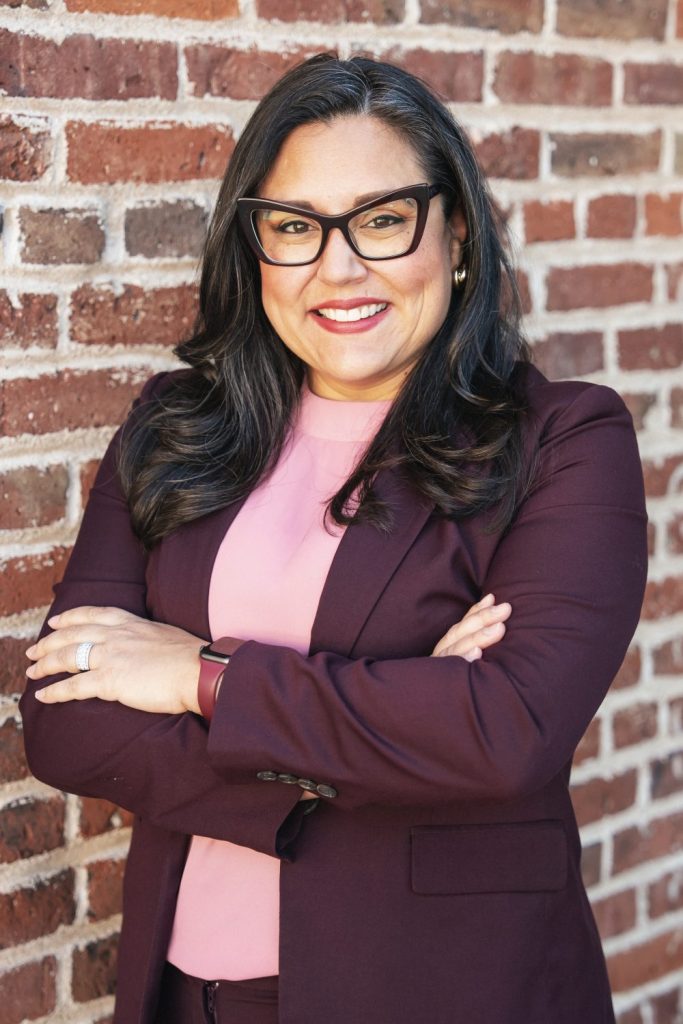
Andrea Albo
In September, Andrea Albo became the new executive director of the Scientific and Cultural Facilities District, which monitors the regional tax that gives one penny from every $10 purchase back to cultural institutions across the seven counties of Denver, Boulder, Jefferson, Adams, Arapahoe, Douglas and Broomfield.
“I’ve been so impressed with the depth and breadth of our funded partners, their programming and the impact that SCFD has on our district and region,” says Albo, who previously served as deputy chief of staff and senior vice president of culture and strategy at Denver International Airport. “In my over 27 years in public service, I have gained a deep appreciation for systems-level efforts that help to support the diverse communities that we serve. I’m passionate about leading with EDIA values and building systems that create sustainable legacy for organizations.”
In 2026, SCFD will be kicking off a multi-year stakeholder engagement process in partnership with GBSM, a Denver business and communications firm, to conduct research, gather feedback and build consensus with SCFD stakeholders “to create the framework needed to carry SCFD into its next era,” Albo says. “This will be a key part of our road to a 2028 reauthorization of the district, and we look forward to working with our community to build the next iteration of SCFD.”
DIRT
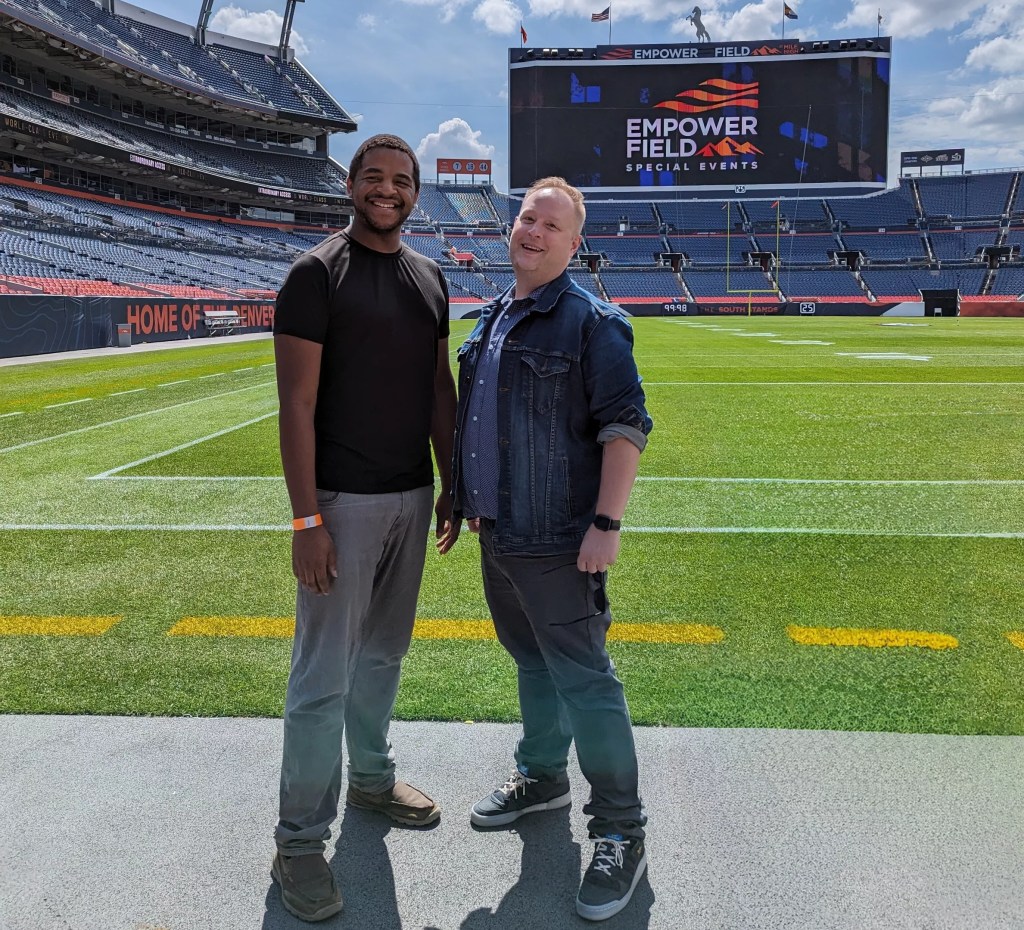
Blair Russell and Steve Wargo
Blair Russell and Steve Wargo made headlines last year when they announced their plans to turn a 10,000-square-foot, two-story building at 15th and Blake streets into Denver Immersive Repertory Theater, the city’s first permanent immersive studio. The DIRT co-founders made headlines again last summer when DIRT won a $400,000 loan from the Downtown Development Authority as part of its pilot business incentive program.
Russell and Wargo plan to launch DIRT’s inaugural production, Midnight’s Dream, in April. The show will reimagine Shakespeare’s A Midsummer Night’s Dream using Celtic folklore and faerie mythology, unfolding across eleven interconnected environments where audiences can wander and choose which characters and storylines to follow.
“It’s been a long, large and lumbering process transforming 10,000 square feet of space that wasn’t designed for performance or hospitality into a cohesive, holistic, permanent home for our work,” Wargo says. “We’re just about done with construction and are excited to begin loading in the production elements for our first show.”
Once DIRT is up and running, the focus will shift to improving and enhancing the audience experience, as well as preparing internal pop-up experiences and a weekend family version of Midnight’s Dream for kids. “This project has become, in no small part, a public-private partnership,” Wargo says. “We are excited and committed to making more than good on our end of the bargain.”

Courtesy of Veronica Desangles
Veronica Desangles
From a huge expansion of Fever Dream Vintage & Modern last summer to a new mural and the recent filming of a Crocs commercial in the second-hand clothing store’s groovy interior, shop owner Veronica Desangles has had an amazing year, despite the invasive Bus Rapid Transit construction.
“Having the storefront on Colfax has really changed everything, and I feel much more part of the community,” Desangles says. “Even with the construction, the community has shown up and shown out, and I’m very thankful.”
Desangles opened the original store in 2022, selling vintage clothing from many eras, as well as accessories, knick-knacks, vinyl and even matchbooks. Fever Dream’s $5 bins are always brimming, making the shopping experience accessible for patrons of all price ranges.
Desangles admits that she’s not much of a long-term planner, so her number one goal for 2026 is simply survival. “Probably my only long-term professional goal is to provide cool stuff at fair prices for hopefully the rest of my life,” she says. “I love a longtime institution and want nothing more than for Fever Dream to become one in Denver.”
But an old-school-style neon sign for the store on Colfax would be nice, too.

Courtesy of RiNo Art District/ DITTLO
Daisy Fodness-McGowan
The RiNo Art District marked twenty years in 2025 with an operations split from the RiNo Business District and a new executive director. Daisy Fodness-McGowan, an artist with an impressive resume listing more than 25 years of leadership in arts and education across the region, started in the role in September and says it has been “energizing and intense in the best possible way.”
She’s been working closely with the RiNo team and board members, as well as with the new leadership at the RiNo BID and RiNo General Improvement District. “The RiNo Art District, BID and GID have been intertwined for a full decade, so untangling systems takes time, care and clear communication,” Fodness-McGowan says. “While the separation has an official start date of January 1, it’s not a switch that gets flipped overnight.”
But the people involved, such as BID Executive Director Terry Madeksza and GID Executive Director Rachel Marion, have impressed Fodness-McGowan and given her confidence in the transition. “Though Terry, Rachel and myself are still early in new roles, we’re aligned around our passion for RiNo’s history and future,” she says.
In the meantime, there’s a lot to look forward to in RiNo in 2026, Fodness-McGowan adds. The Art District will continue celebrating its twentieth anniversary all year with storytelling and art, including a large-scale event in early October that Fodness-McGowan says will “build on the legacy of the original Art RiNo festival and past mural festivals, while expanding the vision to bring together the full range of creativity across the district.”
Beyond the celebrations, Fodness-McGowan’s is looking at sustainability and long-term vitality. “I know that I’m up for the challenge ahead, and I also know that no one does this work alone,” she says. “I’m deeply grateful to everyone who has cared for RiNo — past, present and future — and to everyone who continues to show up in this place for our city.”
More People to Watch in 2026
See our stories on some of the other individuals we’ll be watching in the new year:
- Monica The Great, the Artist to Watch
- Barbara Kirkmeyer, Going for Governor
- Alli Jackson, the New Face of Aurora
- Paul de Podesta, Savior of the Rockies?
- Christina Carlson, Rallying to Save Homelessness
- Jevon Taylor, Greening Downtown Denver
- Three Dynamic Culinary Duos to Watch
- People to Watch in Denver’s Music Scene
- Five People to Watch in Colorado Cannabis