
Photo by Jamie Kraus

Audio By Carbonatix
When Rex Fuller talks about bringing The Pirates of Penzance back to the Historic Elitch Theatre, the venue’s executive director doesn’t frame it as a grand curatorial decision or a carefully plotted anniversary centerpiece.
“It was really just kind of a lucky break,” he says.
The theater had been looking for programming. Opera Colorado had a touring production ready to go. Only later did the alignment snap into focus: The same operetta had been performed on that stage in 1891, during the theater’s first season. Now, 135 years later, it would return as part of a milestone anniversary year.
“I would like to pretend it was all on purpose,” Fuller says, “but it was really just luck.”
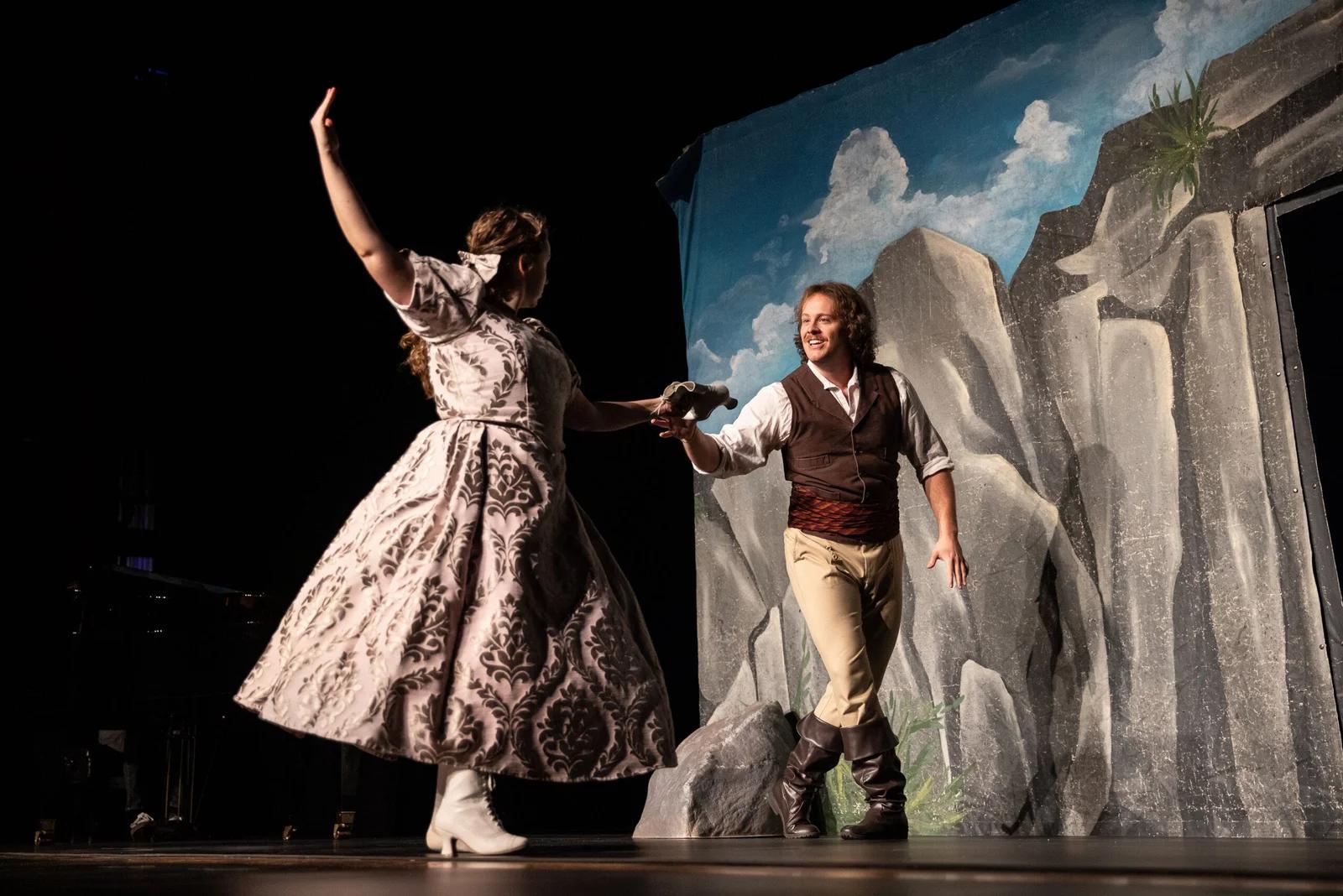
On May 16, Opera Colorado will present a 60-minute version of the Gilbert and Sullivan classic, following Frederic, a young apprentice mistakenly bound to a band of soft-hearted pirates, as he tries to navigate duty, love and an absurd twist of fate involving a leap-year birthday. The production trims dialogue and ensemble elements to create a fast-moving, accessible entry point for audiences of all ages.
“I think it’s a very funny show,” Fuller says. “It’s very entertaining and something that is really welcoming to audiences.”
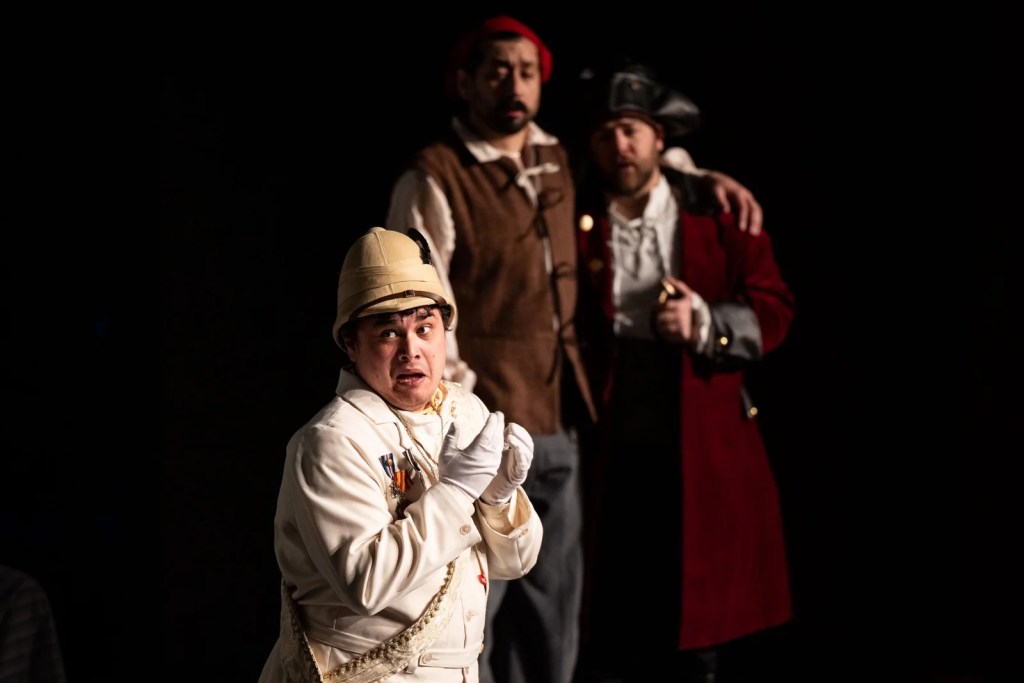
Photo by Jamie Kraus
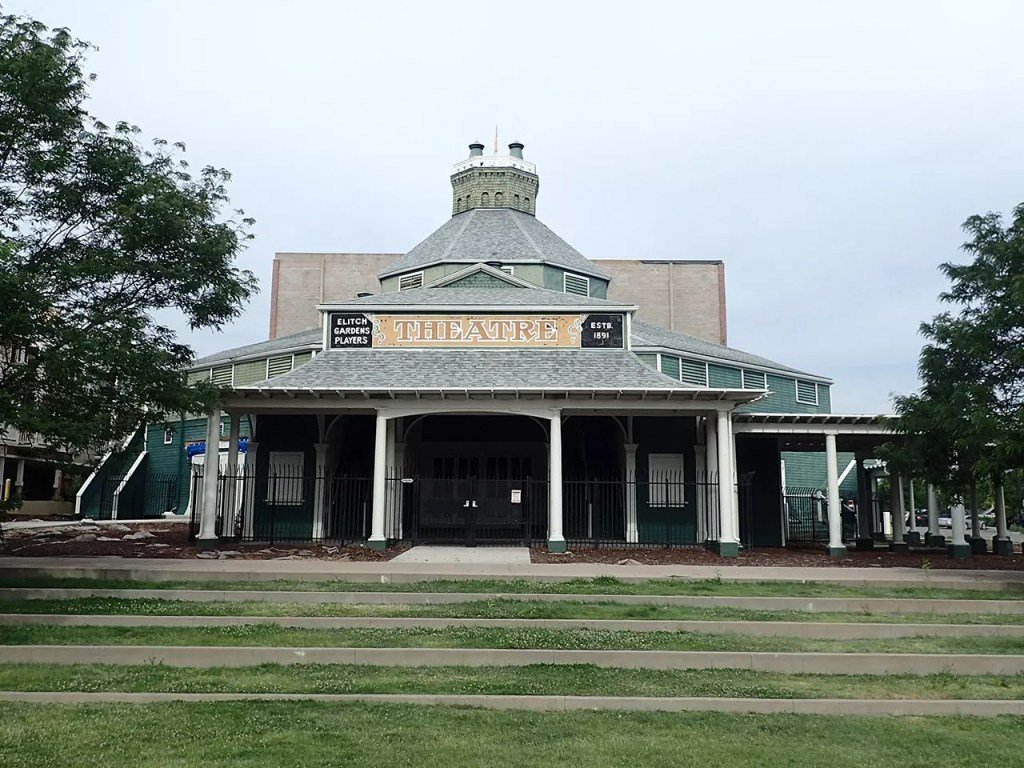
That sense of invitation is central to the theater’s current chapter. Built in 1891 as part of the original Elitch Gardens, the venue is widely considered the first summer stock theater in the United States. For decades, it served as a cornerstone of Denver’s cultural life, hosting touring productions and early-career performances from artists who would go on to national prominence.
After Elitch Gardens relocated downtown in the 1990s, the theater was left behind. It sat unused for years before a volunteer-led effort began the long process of restoring it. Progress came in phases, from structural stabilization to roof replacement and electrical upgrades, each step bringing the building closer to being usable again.
Even now, the work is ongoing. Fuller points to a current effort to develop a small museum space that will better document the theater’s history and preserve artifacts from its early decades.
“There were a lot of really famous performers,” he says. “We want to create a space to house all of those historical elements of how the theater grew and changed over the years as Denver grew into the city.”
As the physical restoration continues, the programming is evolving alongside it. Fuller is focused on building a season that reflects both the theater’s past and its potential future.
“We’re trying to create and perform as wide a variety of things as possible,” he says. “Yes, having plays and musicals performed there, but we’re also looking at other types of performance we may be able to engage audiences with.”
That includes concerts, film screenings, magic shows, community events and partnerships with local organizations that will be announced shortly.
“There’s a lot on the horizon,” Fuller says. “We’re looking at performances throughout July, August, and September. I know we’ll include some film screenings, and that’s exciting for me because the first screening of a film in Denver apparently took place at the Elitch Theatre. Hosting screenings is another way we can nod towards our history while also bringing in new people to the theater. We’re really just trying to make a wide variety of programming happen and see what the audience responds to.”
Historic Denver Inc.
Opera Colorado’s approach to Pirates reflects that same emphasis on access and flexibility.
“Our resident artists have gone across the state performing Pirates of Penzance over 30 times,” says Dennis Robinson Jr., Opera Colorado’s director of programs & partnerships. “We’ve performed it in every type of place, in school cafeterias, in school gymnasiums and in retirement communities.”
The version coming to the Elitch Theatre is built from that experience. It runs about an hour, removes the full chorus and trims much of the dialogue so the story can move quickly and clearly.
“We really wanted to ensure that it was digestible for people of all generations,” Robinson says. “Sometimes opera can be long, and so being a sixth-grader or a first-grader, experiencing opera for the first time, you may not be able to sit through a three-hour situation.”
Language is part of that equation. Performing the operetta in English allows audiences to follow the humor without splitting their attention between the stage and projected text.
“I think doing opera in the language that people speak helps people to understand better,” Robinson says. “You don’t have to watch what’s happening on stage and read captions while you’re doing it.”
That emphasis on clarity becomes especially important in a venue like the Historic Elitch Theatre, where the size and acoustics require adjustments.
“There are some challenges,” Robinson says. “It’s a big open space, which can be a challenge with opera because we don’t typically use amplification. So we’re playing with some ways that we can give folks the best experience possible.”
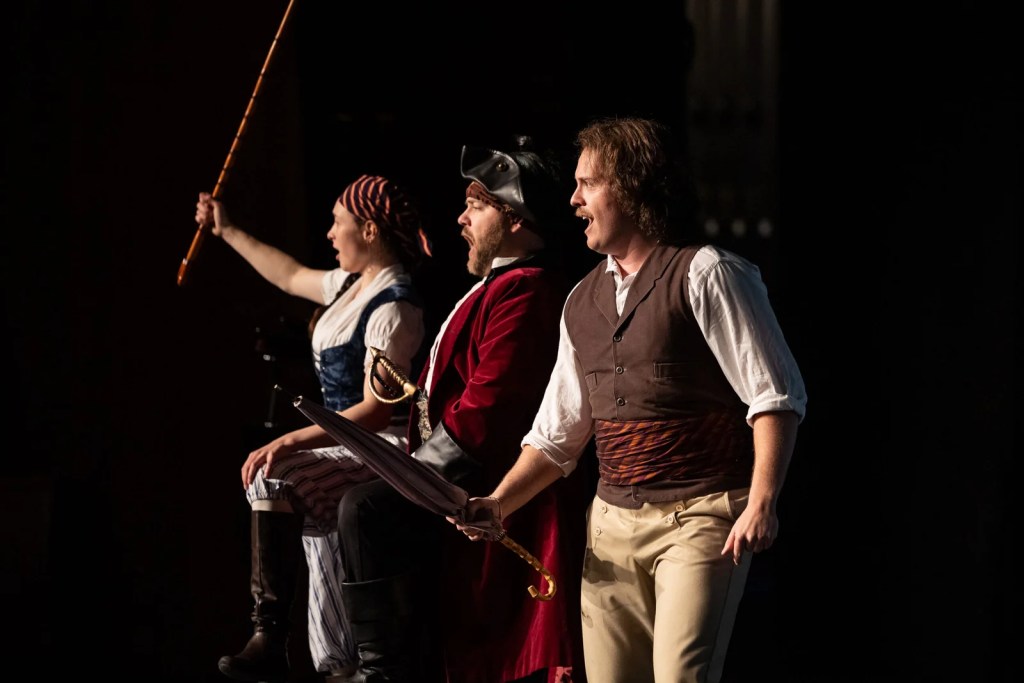
Photo by Jamie Kraus
Still, the significance of this particular performance goes beyond logistics. It places a contemporary production back onto a stage that helped define the theater’s earliest identity.
“The fact that we can recreate a little part of that is exciting,” Fuller says. “1891 was the first time that Pirates was performed in a theater in Colorado, but it hasn’t been performed at the Elitch Theatre since then. That also just felt like a great opportunity and something we really wanted to pursue, especially since so much of what our theater is dedicated to is history.”
The Pirates of Penzance, 7:30 p.m. Friday, May 16, at the Historic Elitch Theatre, 4600 West 37th Place; tickets are $23.02. Learn more at historicelitchtheatre.org.