
Toni Tresca

Audio By Carbonatix
The Butterfly Pavilion is currently preparing for a new resident that senior director of animal collections Sara Stevens describes as “basically like giant eight-armed toddlers, with all of the joy and all of the chaos a toddler brings.”
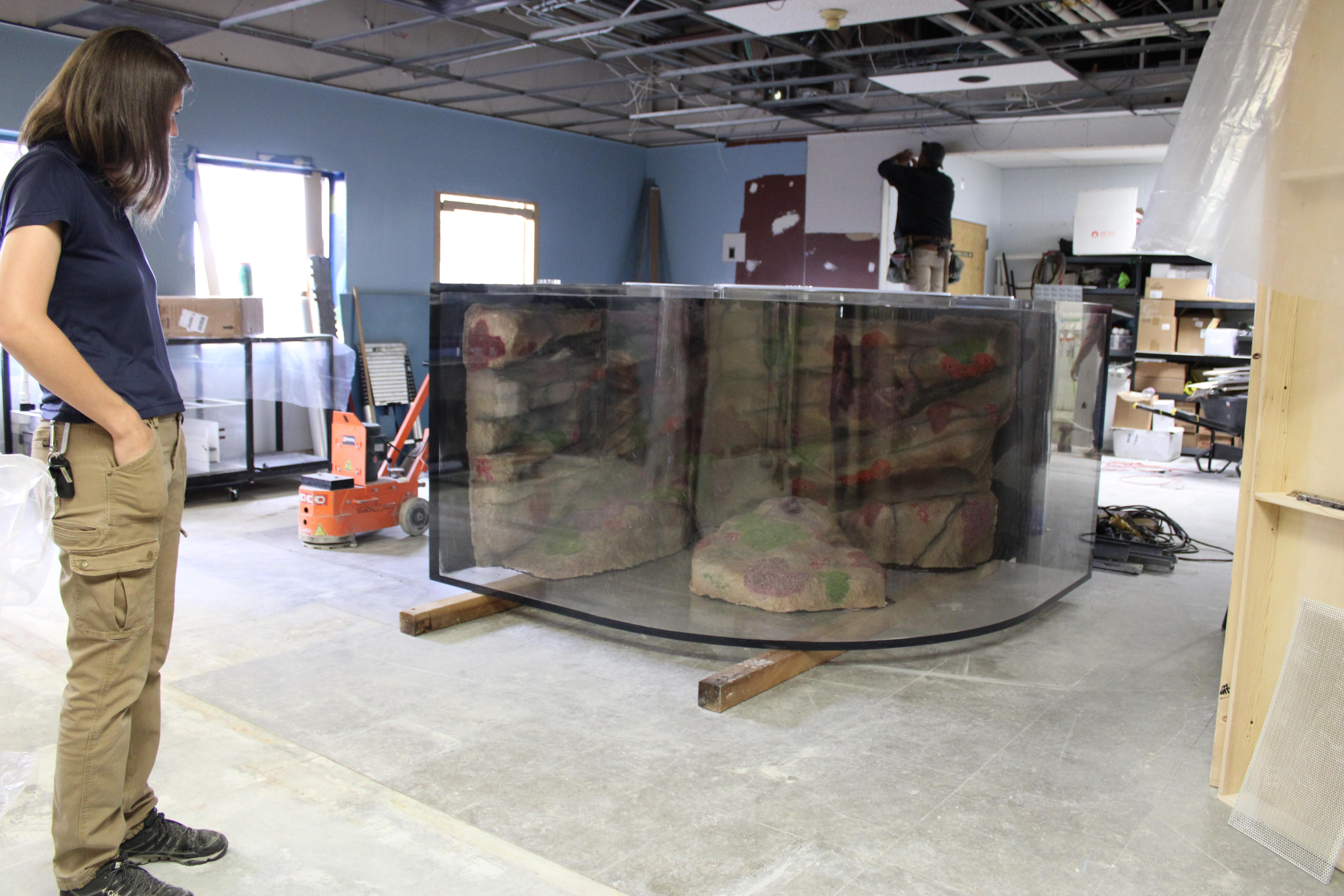
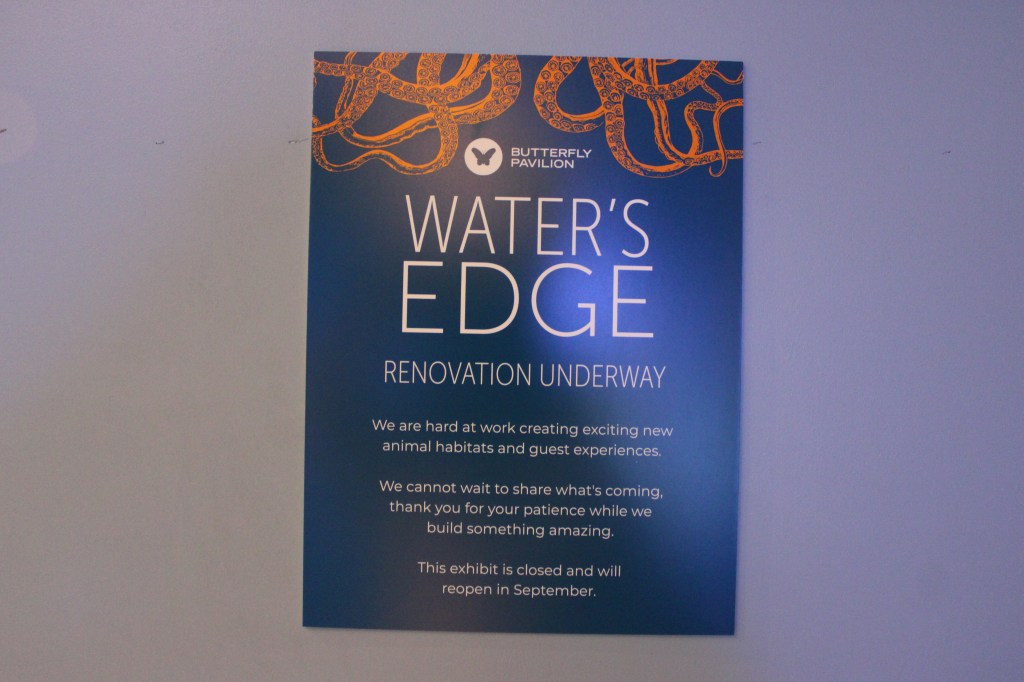
That resident — a giant Pacific octopus — will be the centerpiece of a $250,000 expansion of Water’s Edge, the Westminster invertebrate zoo’s aquatic exhibit, when it reopens Sept. 14 after about a month of construction.
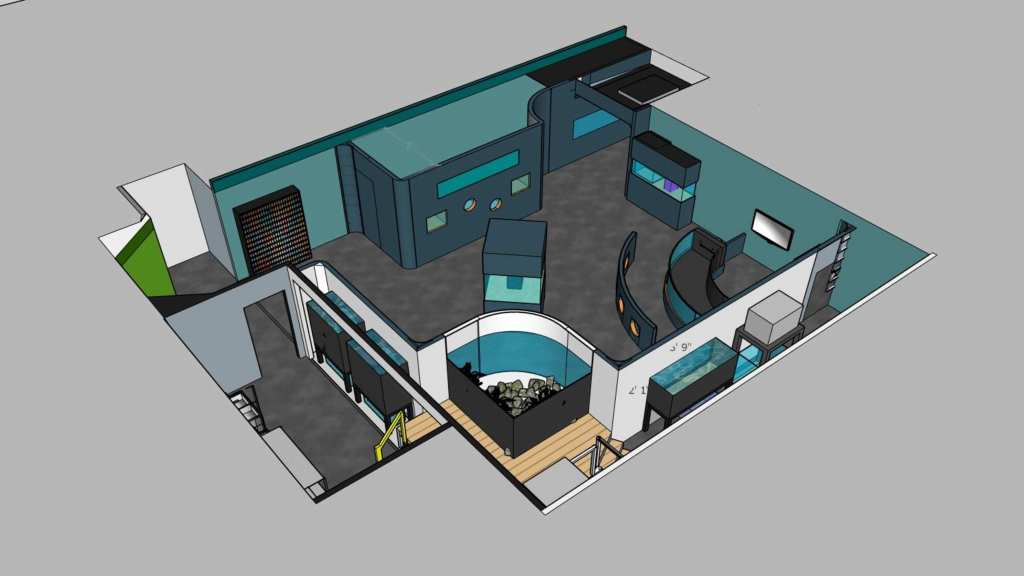
Water’s Edge will grow to 1,100 square feet, adding about 325 square feet, triple the pavilion’s saltwater capacity to more than 3,000 gallons, and feature 12 habitats, including eight new exhibits. Stevens notes that “100 to 150 new animals” are expected to join the collection, representing roughly five to 10 species the pavilion has never housed before.
“The last time our aquatics exhibit got any sort of attention was back in 2017, when we did basically a cosmetic upgrade where we just kind of changed out the facades on the enclosures,” Stevens says. “There wasn’t a big change to the animals, so it was more of a facelift than anything else. So this is a really great opportunity for us to give our ocean biome a little bit more attention, bring in some cool, new, exciting animals and really showcase the diversity of invertebrates that are found in the ocean.”
Courtesy of the Butterfly Pavilion
The roster includes moon jellies, Pacific sea nettles, giant isopods, ochre sea stars, fish-eating anemones and a Debelius reef lobster. Deep-sea isopods have already arrived from Japan, while some jellyfish will come from other Association of Zoos and Aquariums institutions, including Omaha’s Henry Doorly Zoo and Aquarium and Denver’s Downtown Aquarium.
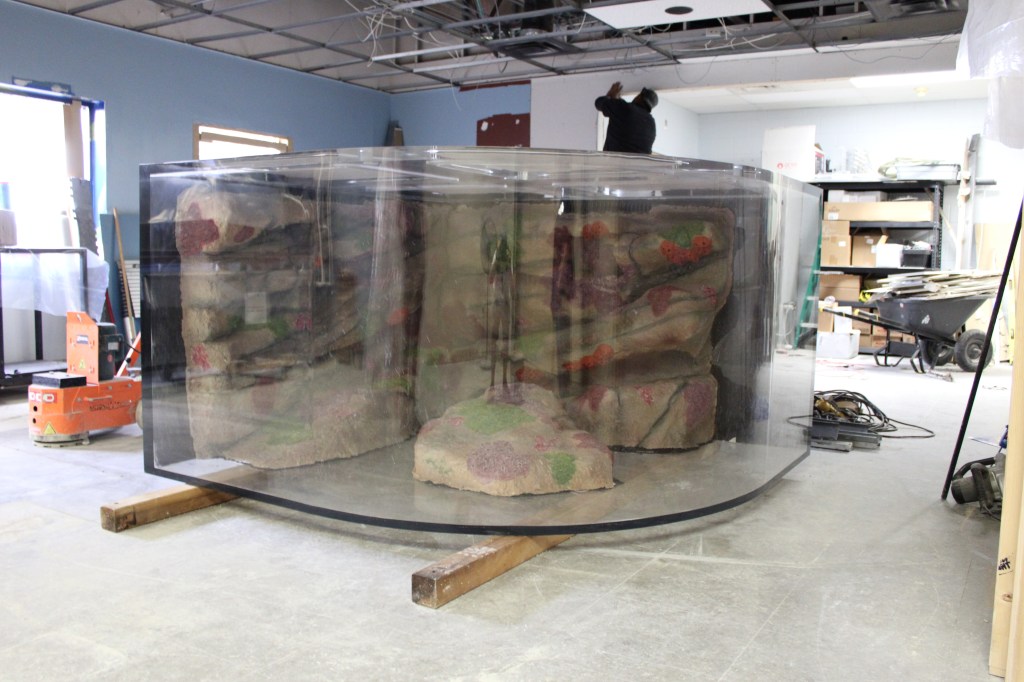
At the center will be the pavilion’s first giant Pacific octopus, making it only the second place in Colorado, after the Downtown Aquarium, where visitors can see one. The animal will live in a 1,200-gallon tank supported by an additional 300 gallons of life-support capacity and is expected to arrive in early September. Its sex is not yet known, and neither is its name.
“We want to meet the octopus first,” says Brianna Firestone, vice president of guest experience. “They’re all very different. They have very different personalities.”
Toni Tresca
The pavilion plans to select some names after keepers get to know the animal, then invite the public to vote.
“We will most likely come up with three names, and then there will be a campaign that you can participate in,” Firestone says. “We want to make sure we are presenting names that we feel the zookeepers feel are best representative of that animal, but the public will have an opportunity to name it.
Caring for an octopus also means keeping an unusually intelligent animal occupied. Stevens said keepers frequently adapt dog toys for enrichment and introduce challenges that allow octopuses to problem-solve. The animals can also be trained voluntarily to enter a basket for weighing and other health checks.
“We find that our octopuses do have favorite keepers,” Stevens says. “They do pick favorites. And so we often will change around our schedules so they get to work with their favorites more.”
Toni Tresca
The redesigned exhibit has been about a year in the making, though the physical construction is compressed into four weeks. Stevens described the process as “about 80% planning and 20% execution.”
Much of the extra room came not from expanding the building’s exterior but from reworking space already inside it. Existing tanks and back-of-house areas were reorganized, archways added and custom enclosures fabricated to fit the available footprint.
One of those additions is a 400-gallon Living Tidepool designed to hold about 10 to 15 species. Unlike the pavilion’s previous touch tanks, the new enclosure will have a full acrylic viewing panel and shallower areas intended to make the experience easier to reach for children and guests with mobility limitations while still giving animals places to avoid contact.
“That was a key focus in this reimagining: to ensure the opportunity to bring accessible experiences to our guests,” Stevens says. “Our new touch tank allows anybody to be able to engage with the animals, but it also allows a lot of really great choices for our animals as well. So even if a critter doesn’t want to be touched, they can still be viewed.”
Toni Tresca
A second interactive, Illuminated Reefs, will let visitors create glowing coral reef patterns.
Construction was scheduled for Aug. 17 through Sept. 14 because crowds typically decline as schools resume, Firestone said, allowing the pavilion to minimize disruption before field trips and fall attendance increases.
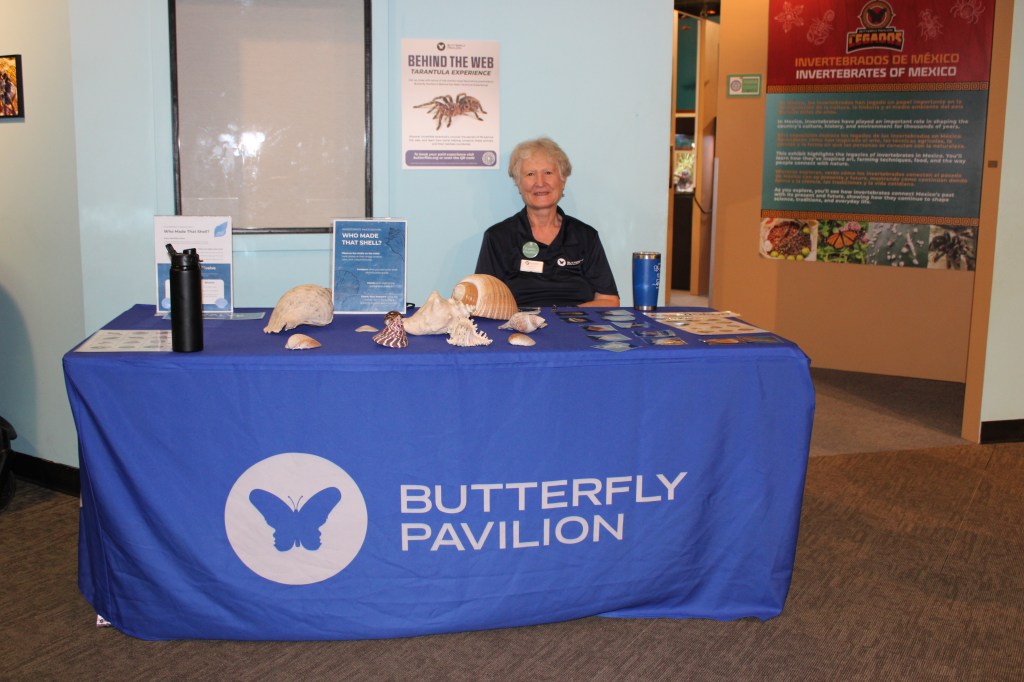
The expansion also fits into a broader effort to remind visitors that Butterfly Pavilion is not only about butterflies.
“Individuals, when they think of Butterfly Pavilion, don’t necessarily recognize immediately that we’re an invertebrate zoo, and that also includes aquatics,” Firestone says. “This is just a way for us to provide something new for those who are new to us or those who have been members with us for a long time.”
Toni Tresca
For Stevens, that makes the new exhibit another chance to turn animals some visitors may initially find strange or unsettling into creatures worth understanding.
“They are the forgotten heroes in every ecosystem,” Stevens says. “We’re the voice for these animals and the opportunity to show them at their best so people can start to love them the way that we do.”
Water’s Edge will reopen on Monday, Sept. 14. Learn more at butterflies.org.