
Antony Bruno

Audio By Carbonatix
Keep Westword Free
We’re aiming to raise $20,000 by April 26. Your support ensures Westword can continue watching out for you and our community. No paywall. Always accessible. Daily online and weekly in print.
Facing an unseasonably hot spring this year, the issue of climate change is top of mind for many Denverites even more than usual this year. And with the imminent arrival of Earth Day on April 22, local chefs and restaurants are making no shortage of noise about their sustainability initiatives. Top among them — and a topic that seems to spring up every, um …spring — is the use of honey.
That’s because honey comes from bees, and bees are dying. According to a Washington State University beekeeper survey, more than half of managed honeybee colonies were lost between April 2024 and April 2025.
Antony Bruno
And since one in every three bites of food we eat is dependent on the pollination activity of bees, according to the USDA, chefs are naturally concerned.
“Chefs have a unique platform in that we are able to tell a story with every dish we serve,” says chef Richard Sandoval, who owns restaurants all over the world, including Tamayo on Larimer Square and Toro in Cherry Creek. “Our industry depends on healthy ecosystems, and as leaders in hospitality, we have the power and the responsibility to inspire change through food, education and action.”
For the last five years, his Richard Sandoval Hospitality Group has waged a campaign called “Viva Abejas” (translation: “long live the bees”) across its properties worldwide. This year, that effort includes a special “Bloom to Table” menu at both Denver restaurants designed to highlight the use of honey in each dish. The menu is available through April 22.
Antony Bruno
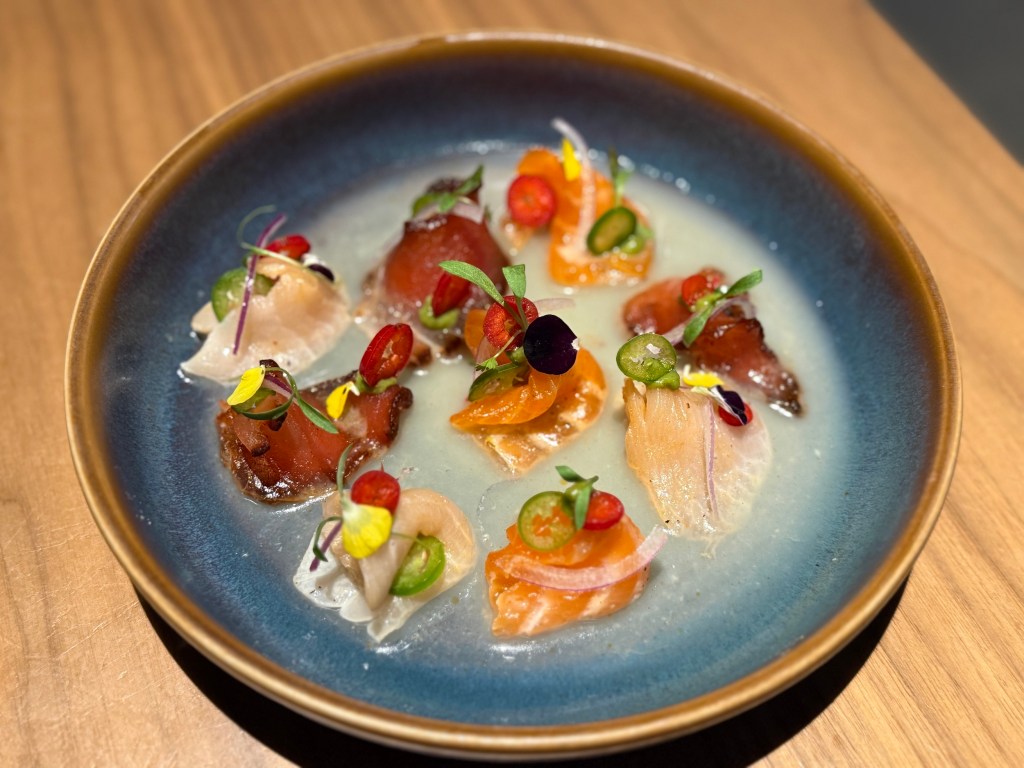
Dishes include both sweet and savory implementations. For instance, there’s an appetizer called Viva Tiradito featuring an avocado honey puree that complements a fish trio crudo of chili-crusted ahi tuna, cured salmon and hamachi. Set in a lemongrass leche de tigre sauce, the honey is hardly the leading element, but instead acts as a background player. Meanwhile, the Abejas Pavlova dessert — made with bee pollen pavlova, mango macerated with alma finca (a Mexican orange liqueur), whipped cream, coconut ice cream and raw honey — is far more honey forward.
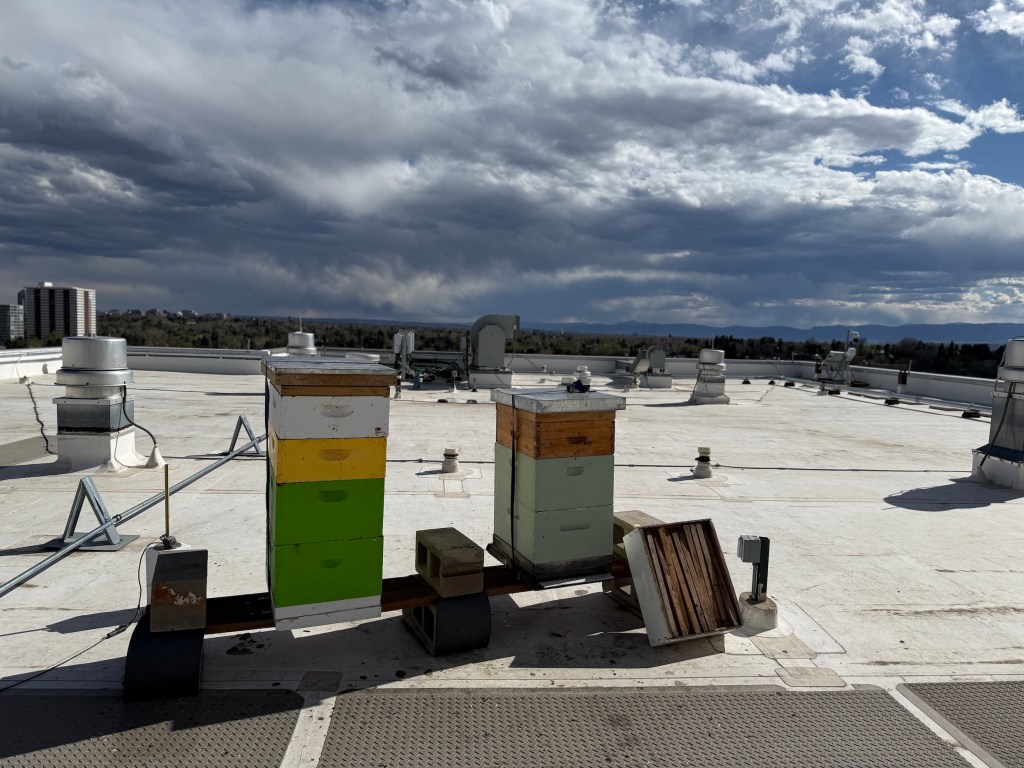
The honey used for the menu at Toro is taken from four beehives: two located on the rooftop of the restaurant’s host Hotel Clio, and another two housed in an alfalfa field outside of town. (“It’s kind of a running joke that you’re not part of the engineering team unless you’ve been stung by a bee on the roof,” says director of engineering Chad Kroonenberg.)
According to Toro’s food and beverage director Serena So, the four hives produce about 240 pounds of honey a year for use in the restaurant. Any shortfall is supplemented with honey from Bee Squared Apiaries.
Antony Bruno
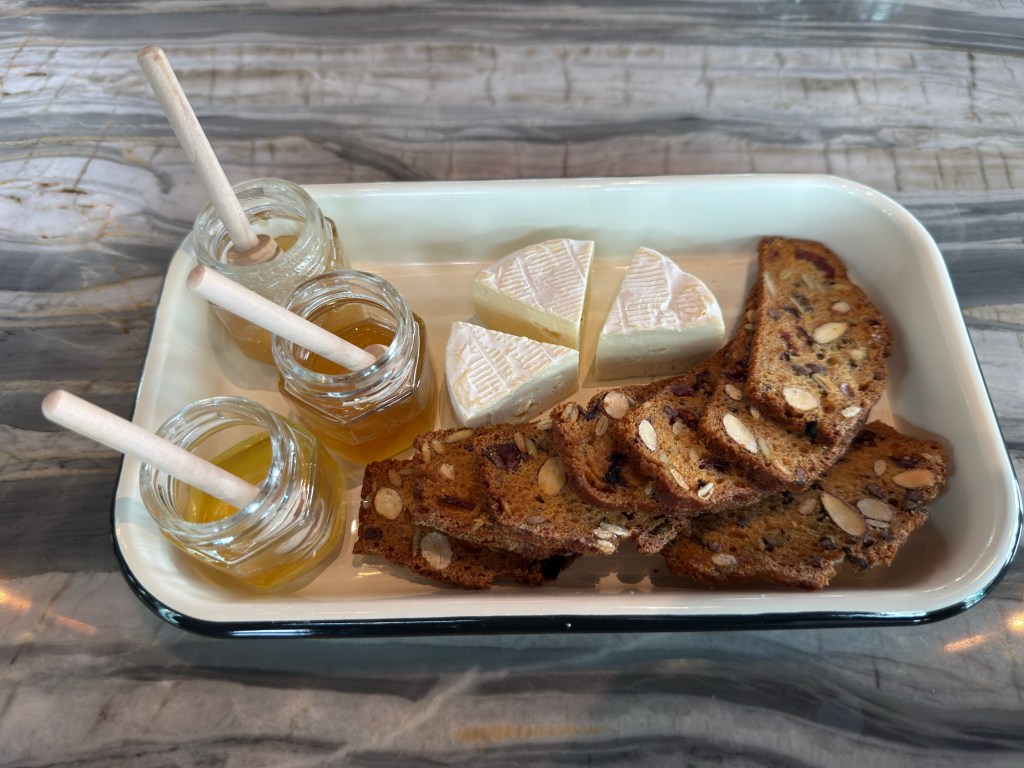
The Clio is just one of several area hotels with rooftop apiaries that provide honey for their operations. The Oxford Hotel has housed beehives on its roof since 2017, which today supplies Urban Farmer. The Brown Palace has tended hives for over a decade. Most recently, the aptly named Apiary Hotel in Belleview Station announced plans to install hives as well and has already leaned heavily into honey-themed products. In Keepers Cocktail Lounge, for instance, guests can order a Honey Flight, featuring three distinctly different types of honey paired with brie cheese. The Local Clover, for instance, has a deep, earthy flavor while the Beekeepers Reserve is more floral and fragrant.
Today, the hotel sources its honey from Björn’s Colorado Honey, but plans to include the hive-produced honey once the colony has had time to establish itself, which can take up to two years.
In these and other examples of hive-produced honey treatments, the restaurants involved are making the case for sustainability practices by putting the results on the plate. Sure, there are plenty of diners sympathetic to the sustainability cause who may frequent these and others in support of that shared mission. But plenty of other diners either don’t know — or don’t care.
For those diners, the most effective way to introduce sustainability-related themes is to make something delicious that gets them to pay attention. And in that mission, honey is a powerful weapon.
In fact, chefs love working with honey. For starters, it’s a natural sweetener. But it goes far beyond that. Honey is also a natural emulsifier and tenderizer. As an ingredient, it has a unique flexibility that can be used to balance and enhance flavors in both sweet and savory dishes. It pairs well with cheeses, nuts and in some roasts.
It’s one reason why honey now appears on over 57 percent of U.S. restaurant menus, according to the National Honey Board, an increase of 11 percent since 2011.
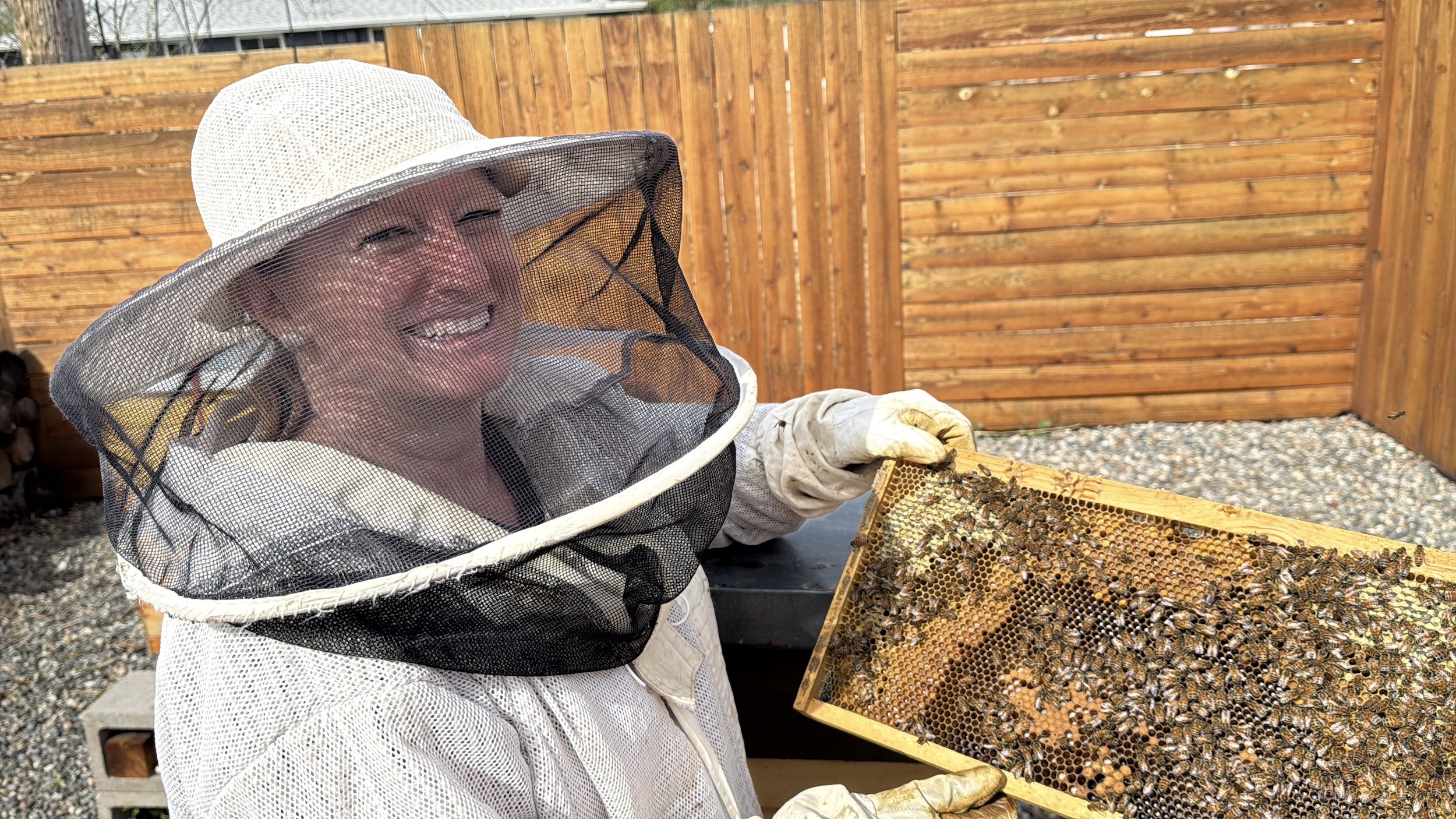
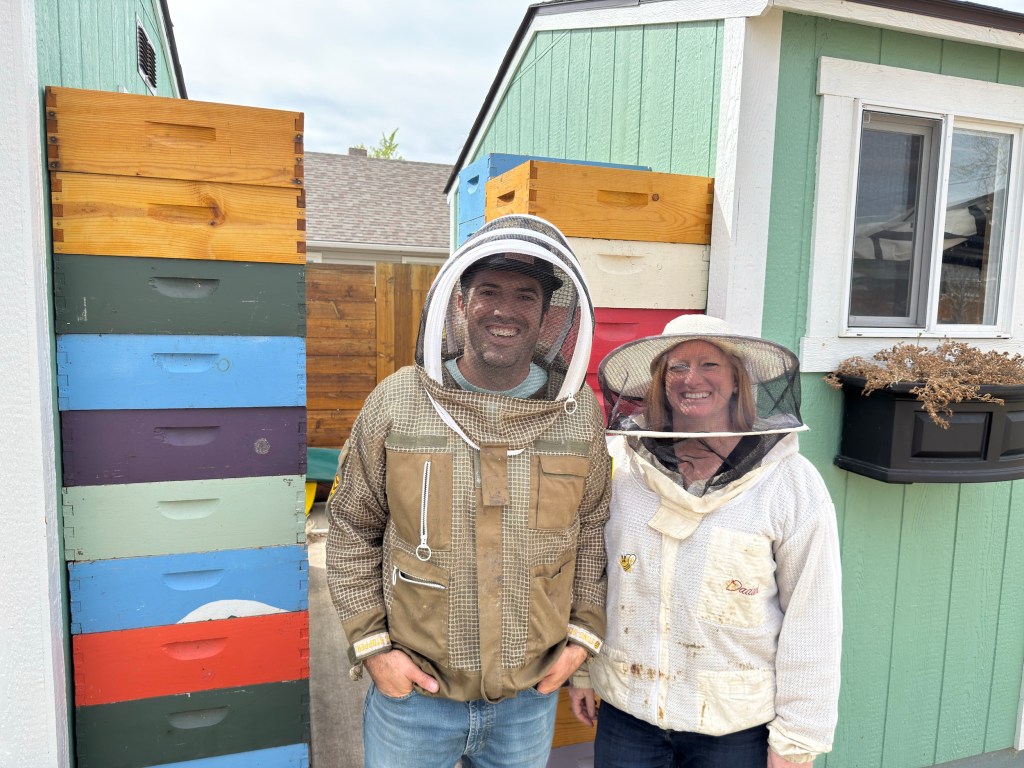
What’s more, honey flavor is both complex and nuanced, not just an excuse to use up what’s produced in rooftop vats. Just ask the owners of Homestead in the Hood, a beekeeping business helmed by the husband and wife team of Matt and Sarah McLean who operate out of their Westminster home. In addition to managing rooftop apiaries such as those at Hotel Clio, the pair has also placed some 80 hives in residential backyards across the metro area.
Antony Bruno
Homestead in the Hood owns the hives and conducts all the management and collecting operations for their retail honey business, and provides a jar of honey a year to each backyard host in return. According to Matt, the taste and texture of honey is largely influenced by what bees are consuming.
“I can show you the difference between Centennial, Lakewood and Westminster honey,” he says. “You could pull from the same hive every two weeks, and that honey will change color and flavor. In early spring, honey will always be light and floral. As you progress through the year, it gets darker and richer and more earthy.”
So working with local honey is more than just a way to express pride in local producers. It’s delivering local flavors to a similar degree as locally produced grains or meat derived from livestock consuming local grasses.
Soon, the McLeans will offer their honey and other hive products in a new retail space called Homestead in the Hood Mercantile, scheduled to debut on April 18 at 1385 Carr Street in Lakewood with a grand opening that includes music from 8 a.m. to 3 p.m. and barbecue from 11 a.m. to 1 p.m. (or until it runs out).
But looking ahead to the coming year, anxiety is already high over how much honey we might expect to get. Just as the heat has decimated our expected snowpack and water reserves, it’s messing with the bees’ hibernation patterns, bringing them out sooner than there is food to sustain them.
“They’ll start looking for pollen and nectar, and there’s nothing,” Matt says. “They waste all that energy going out looking for stuff that’s not there. So the honey stores can be depleted super early.”
Which is why it’s important to keep buzzing about honey and the importance of bees.