
Photography by: Brandon Johnson (@bjohnsonxar)

Audio By Carbonatix
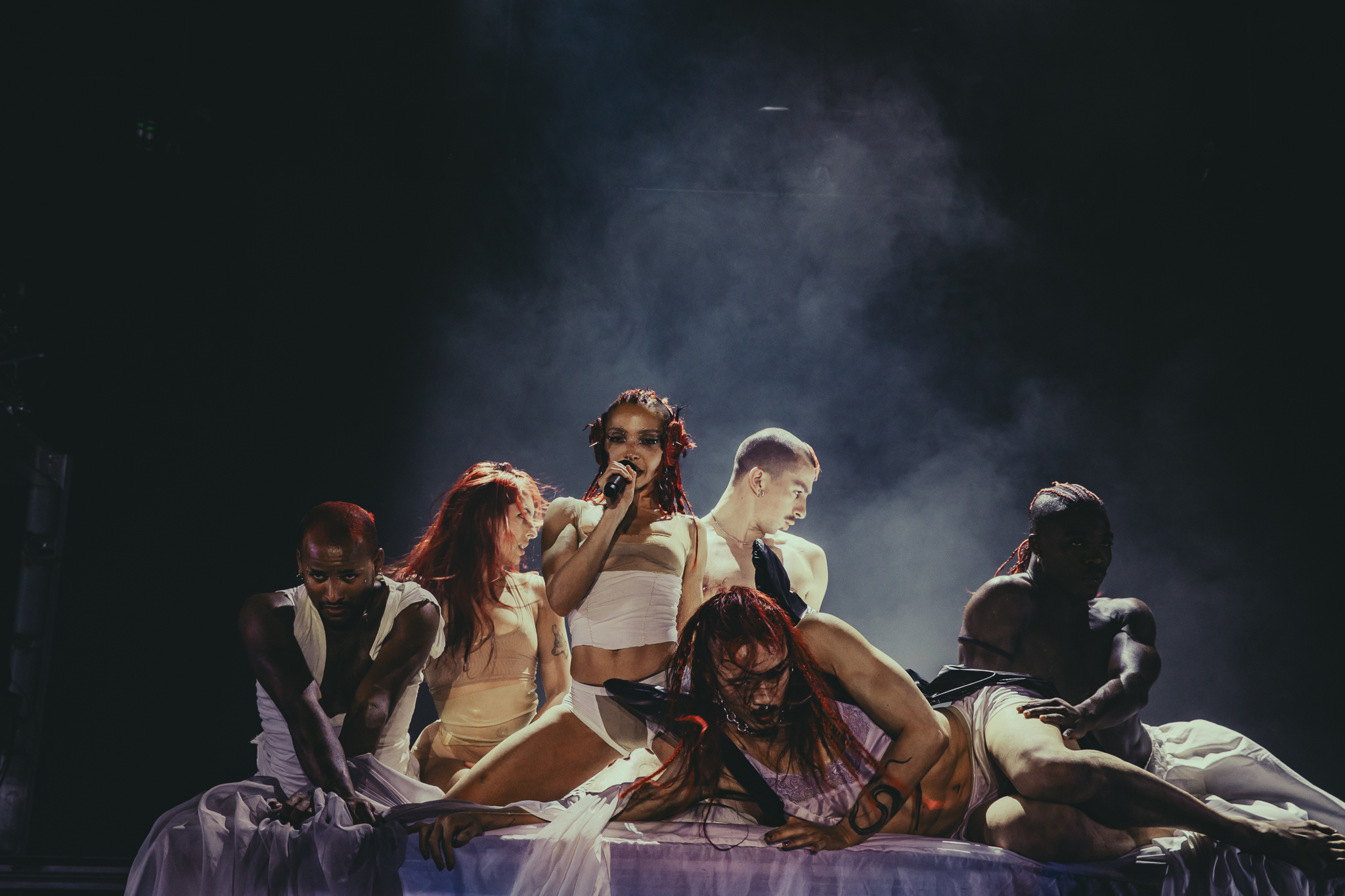
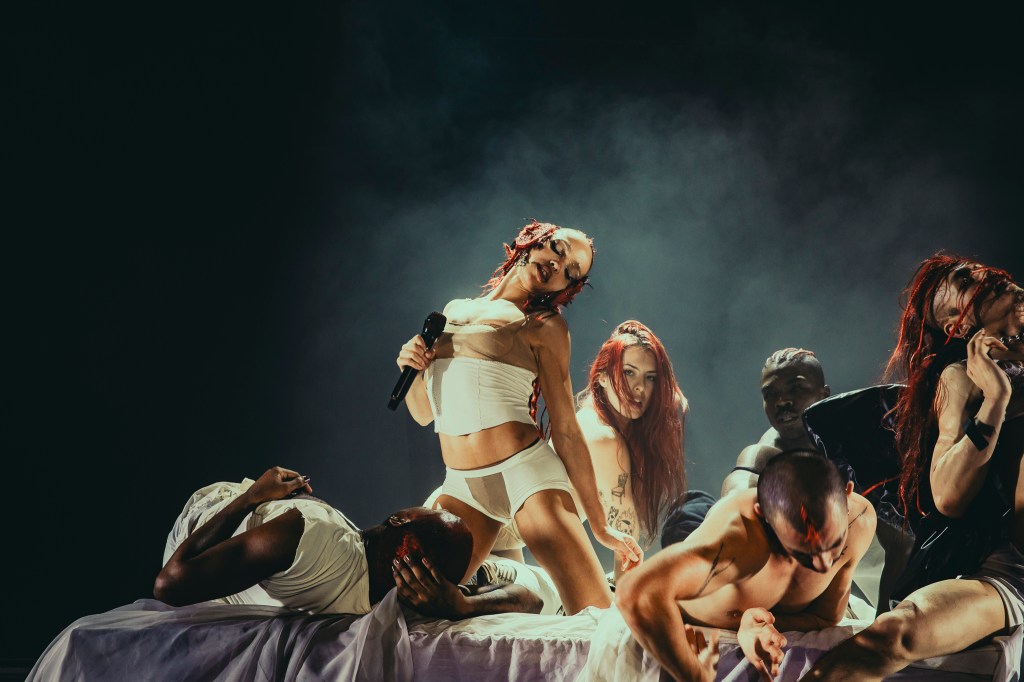
FKA twigs didn’t just perform a concert in Denver — she staged something closer to a living installation: a hybrid of rave, ritual and performance art that blurred the line between pop show and avant-garde theater.
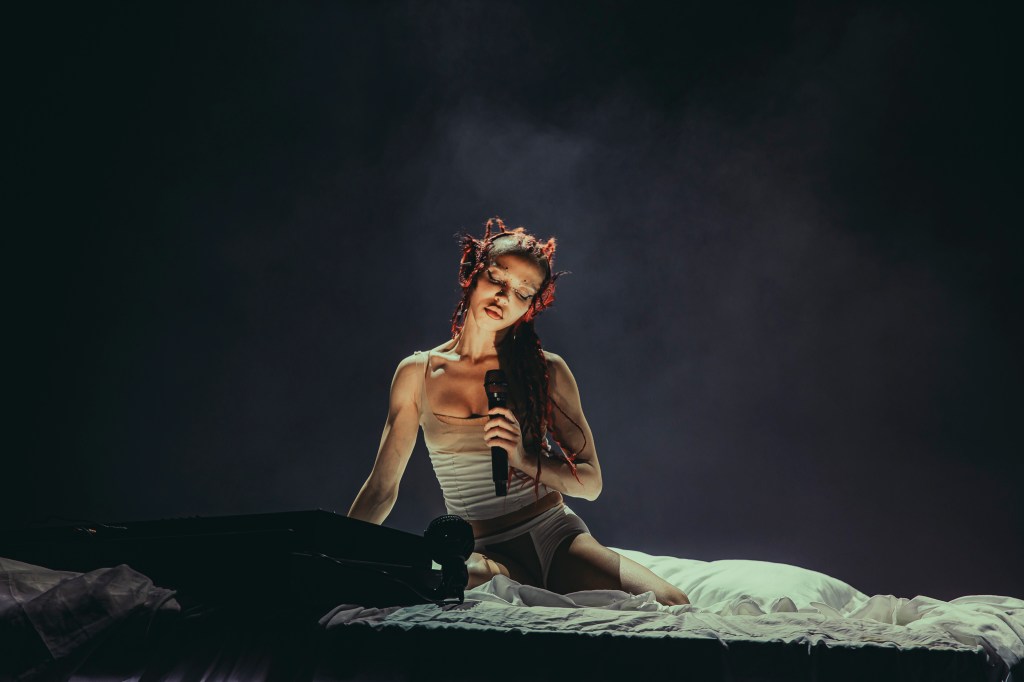
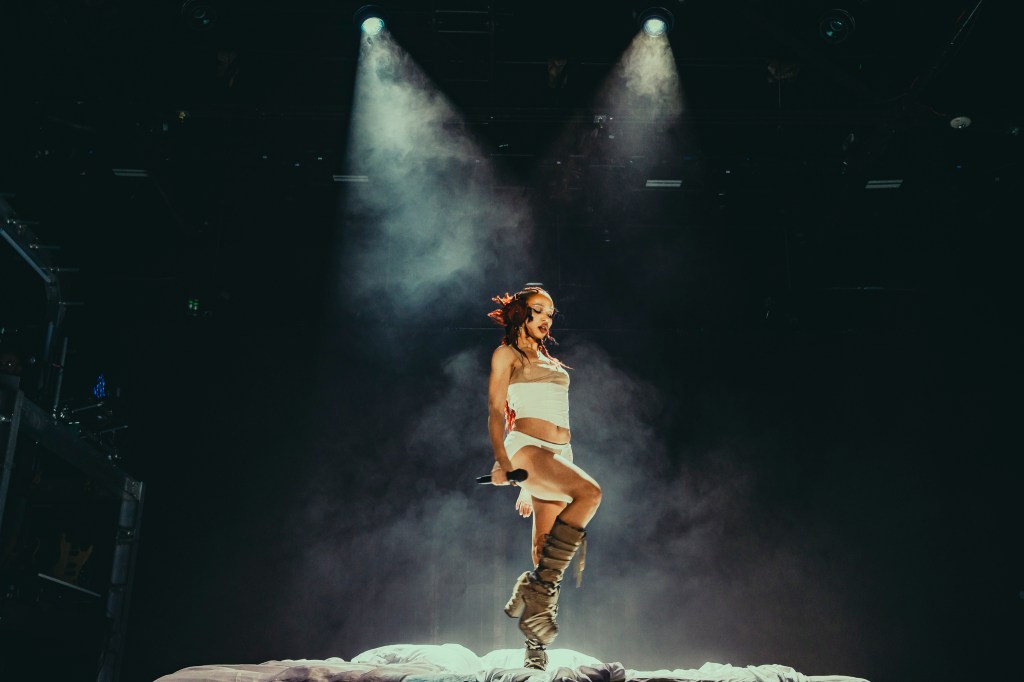
She emerged onstage at the Fillmore on March 30 reclined on a bed, opening the show with a minimal, glitchy, hard-edged drum beat. She was soon surrounded by a single dancer with angel wings, circling her like a guardian or a specter before eventually transitioning to the piano that twigs herself began to play.
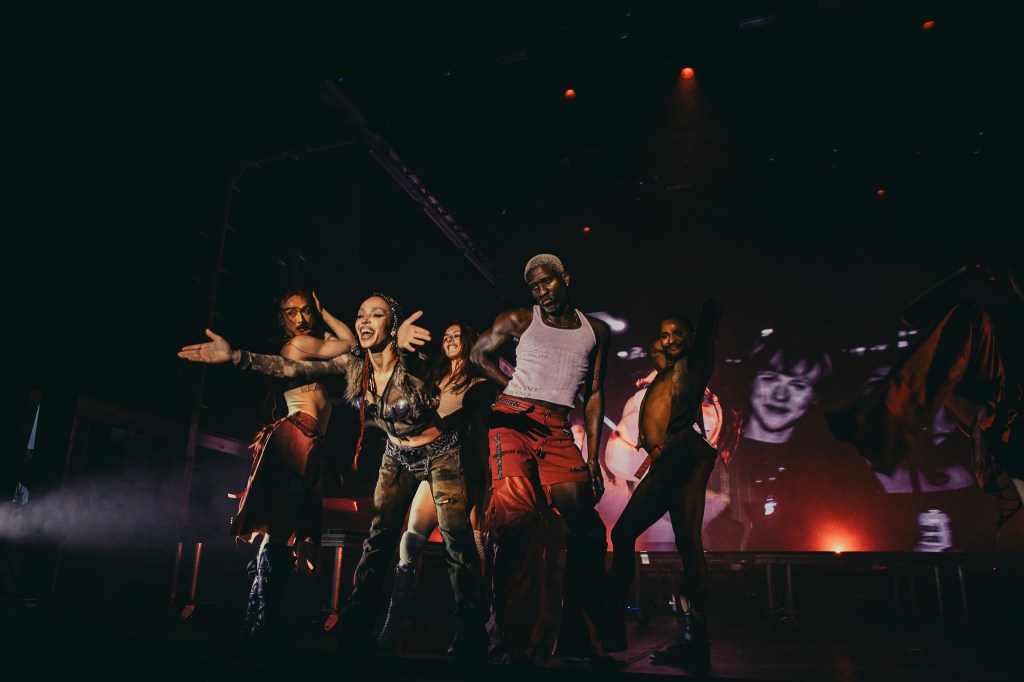
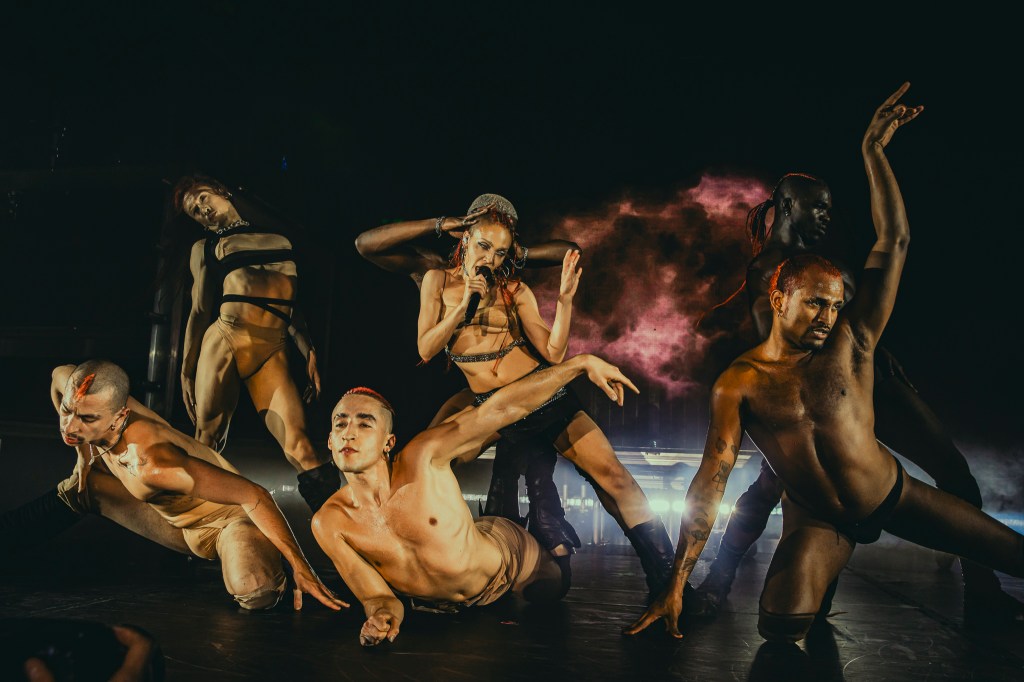
From there, the show unfolded less like a setlist and more like a sequence of scenes. Slow piano passages dissolved into ominous, industrial beats; her mic carried soft, whimsical vocals that floated above each song. Movement was everything. Each track transformed into its own vignette, with dancers emerging and moving in hypnotic unison as shimmering synths and relentless drum builds locked the audience into her world.
Photography by: Brandon Johnson (@bjohnsonxar)
Sonically, the night leaned into hardstyle and melodic techno, frequently pushing into high-BPM territory that felt engineered for the body as much as the ears. Tracks from her recent album Eusexua rang out with clarity, their ethereal textures filling the room while her falsetto cut through—haunting, controlled and deeply emotive.
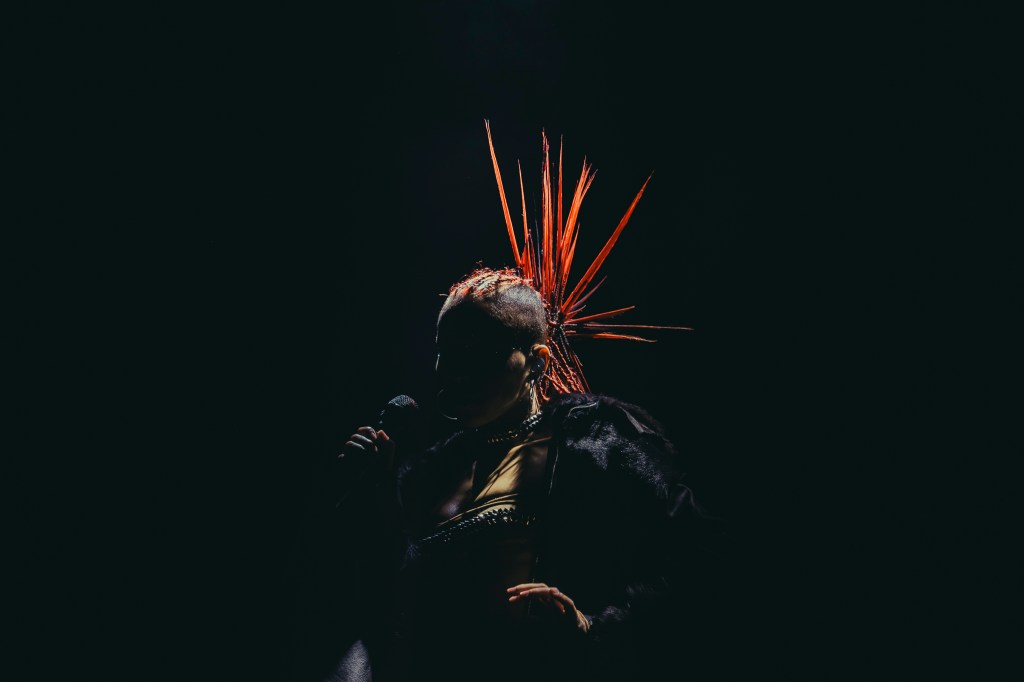
Visually, it veered into what could only be described as cyberpunk burlesque or an underground rave. There was a maximalist, almost campy club energy that never let up. Throughout, she layered in references to her past work, flashing across screens as she performed “Tears in the Club,” creating a meta-narrative of reinvention and self-reflection.
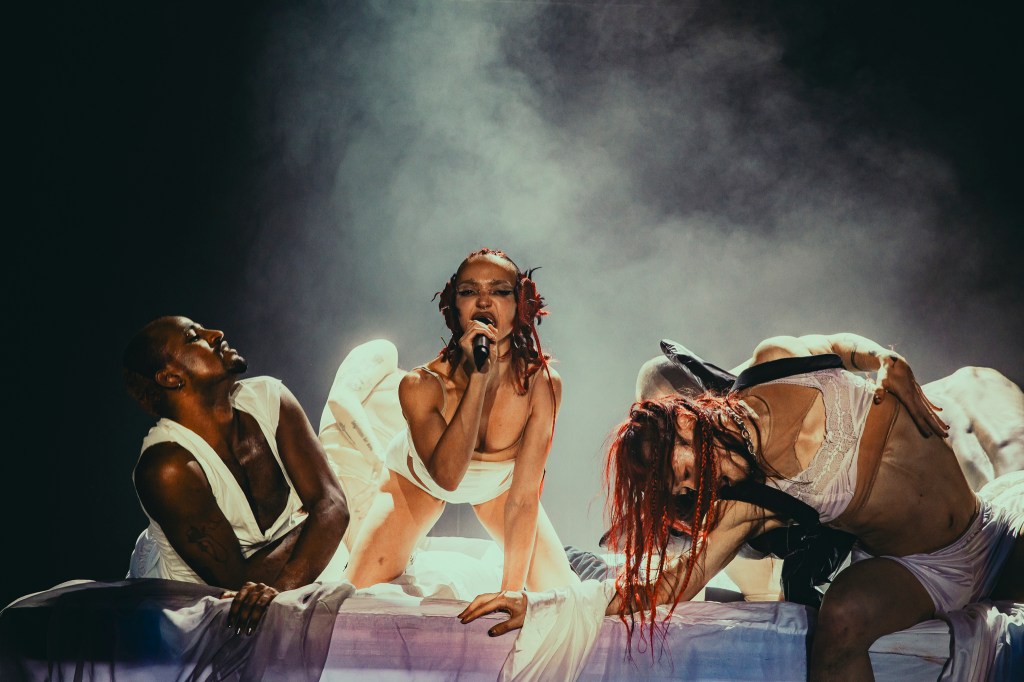
The performance frequently slipped into the language of queer ballroom: death drops, vogueing, and a host delivering rapid-fire, ballroom-cadence rap over the mic during tracks like “Sushi.”
Photography by: Brandon Johnson (@bjohnsonxar)
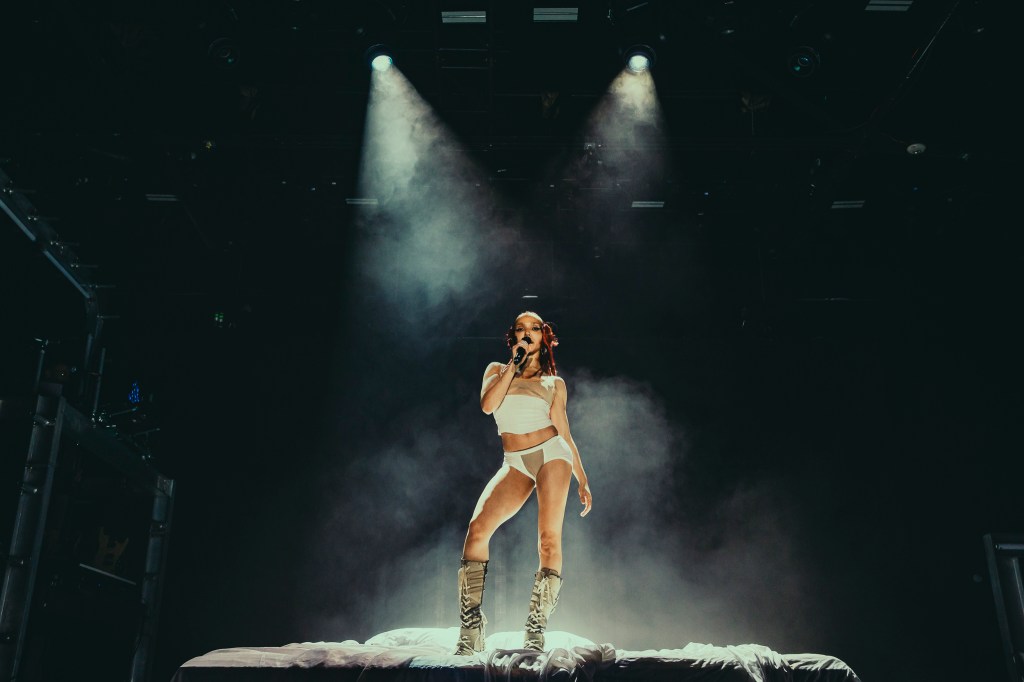
One of the most striking moments came during her performance of “Eusexua,” when a shimmering spotlight isolated twigs in near stillness. The crowd, which had been in constant motion, seemed to collectively hold its breath, her voice anchoring the entire room in a rare moment of quiet transcendence.
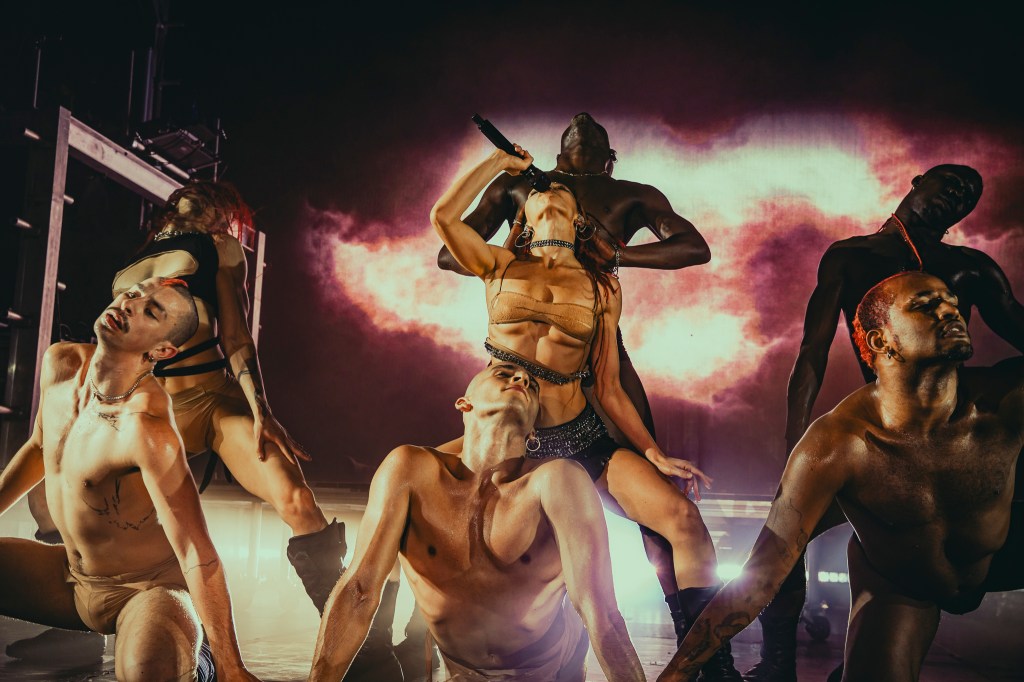
Then, the spectacle escalated—dancers suspended in aerial choreography, bodies locking and twisting midair as twigs sang upside down, embodying the “main character” energy of a euphoric rave. Then, just as quickly, everything would strip back: lights dimming, dancers shedding layers, the production revealing its minimal core.
Despite the scale and ambition, nothing felt excessive for its own sake. The choreography was hypnotic, the staging precise, and every aesthetic choice, whether chaotic or restrained, served the larger emotional arc.
By the end, when twigs spoke directly to the audience about community and the importance of realizing you’re not alone, the message landed with real weight. After an hour of sensory overload and ecstatic release, the message felt earned. There wasn’t a dull moment. FKA twigs turned The Fillmore into what felt like a maximalist club dream filtered through high art—camp, confrontational, sensual, and deeply human all at once. See more photos from the show below:
Photography by: Brandon Johnson (@bjohnsonxar)
Photography by: Brandon Johnson (@bjohnsonxar)
Photography by: Brandon Johnson (@bjohnsonxar)
Photography by: Brandon Johnson (@bjohnsonxar)
Photography by: Brandon Johnson (@bjohnsonxar)
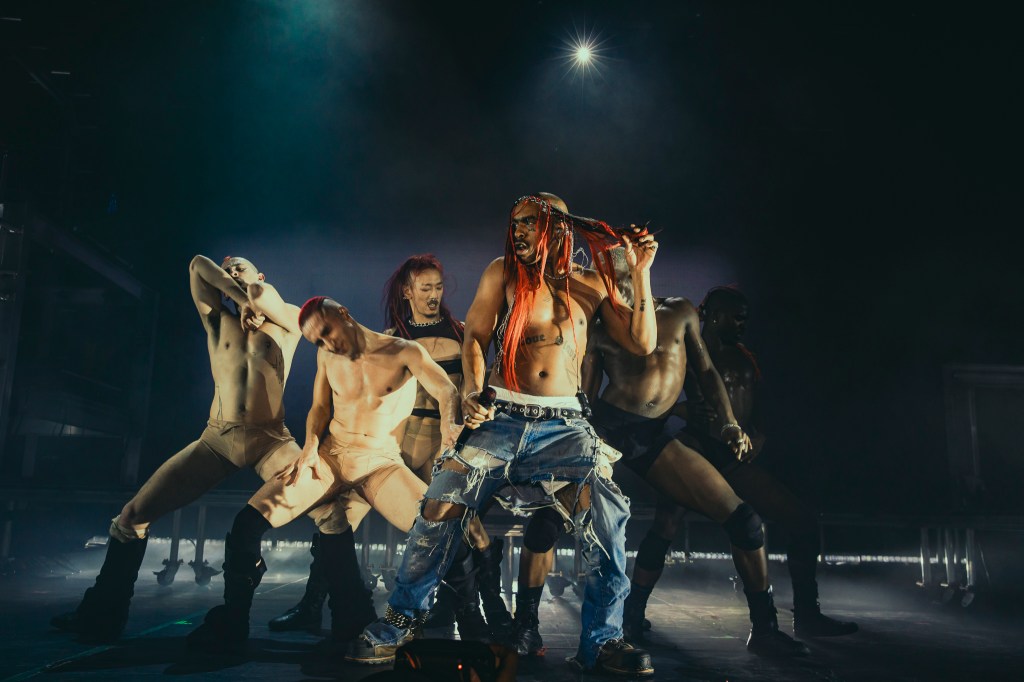
Photography by: Brandon Johnson (@bjohnsonxar)
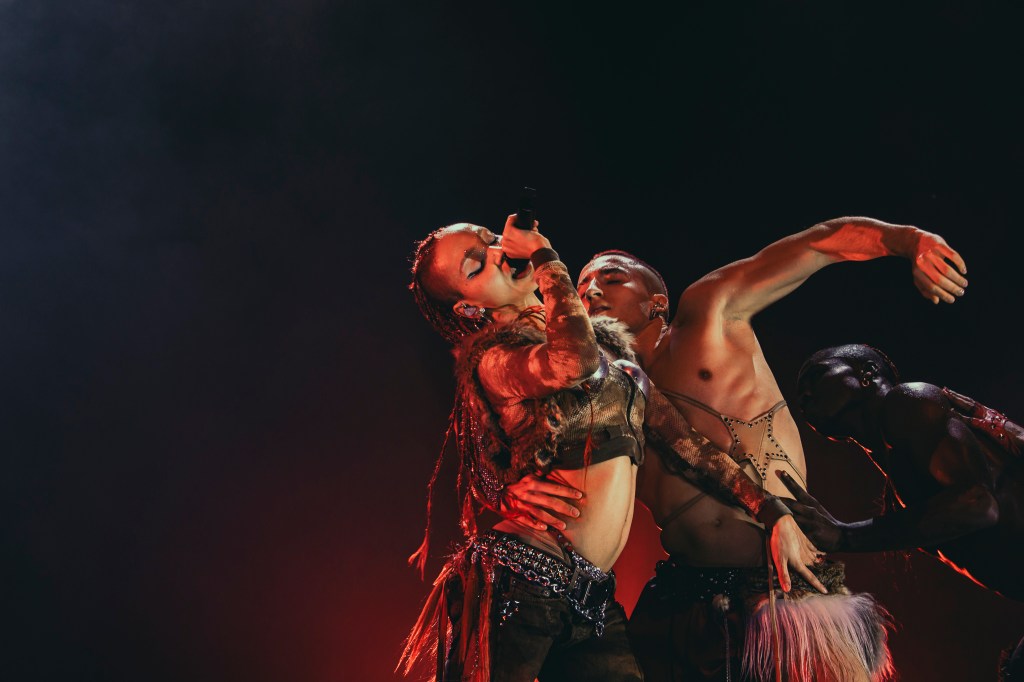
Photography by: Brandon Johnson (@bjohnsonxar)
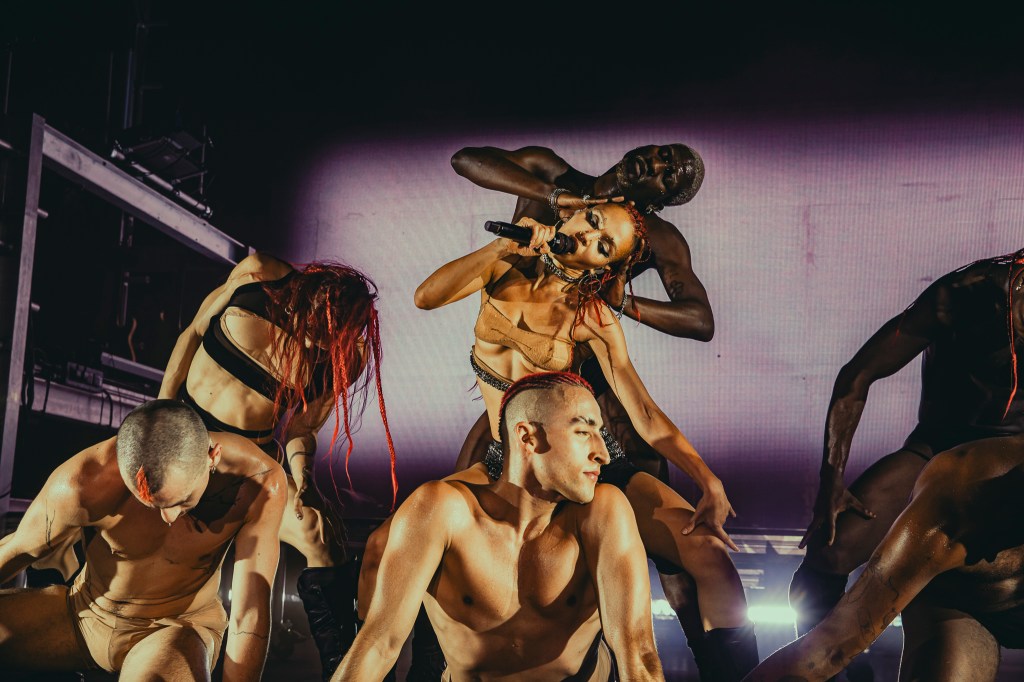
Photography by: Brandon Johnson (@bjohnsonxar)
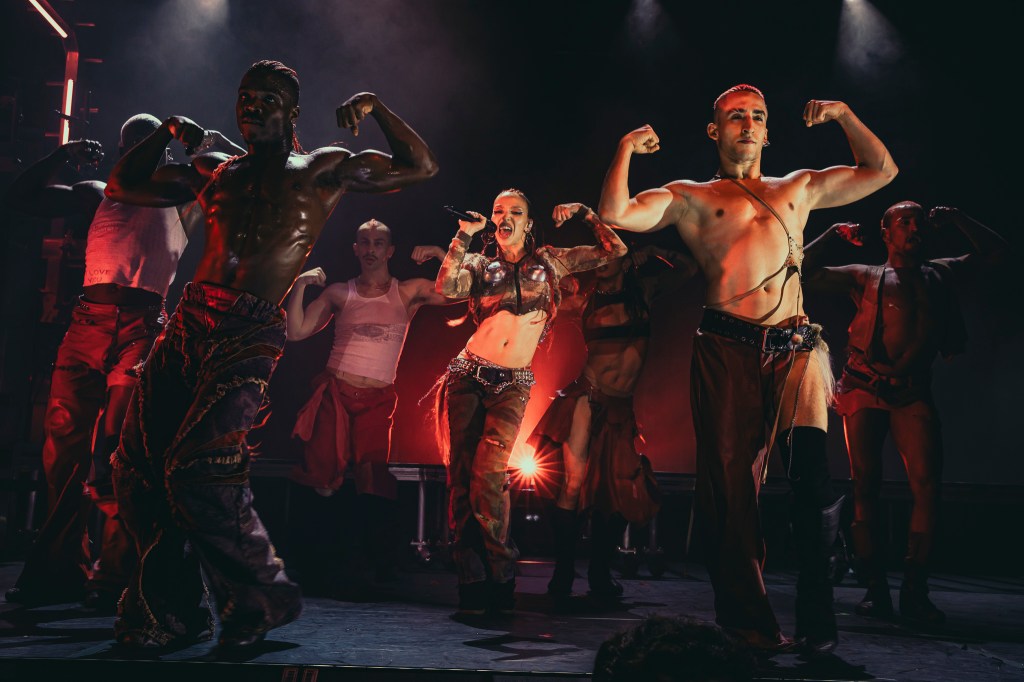
Photography by: Brandon Johnson (@bjohnsonxar)
Photography by: Brandon Johnson (@bjohnsonxar)
Photography by: Brandon Johnson (@bjohnsonxar)