Jacqueline Collins

Audio By Carbonatix
Colorado’s marijuana industry has seen a rash of recalls over the past three months, with thirteen health and safety notices issued by the state Marijuana Enforcement Division since last November. The recalls involved a variety of culprits, including mold, banned pesticides and heavy metals, with four of the last five connected to marijuana products “that initially passed testing” but then failed after being subjected to additional laboratory analysis, according to the MED.
The deluge of contaminated marijuana inspections and safety orders was finally addressed by the MED in an industry-wide memo issued on January 23. According to state officials, some of Colorado’s marijuana operators need to get their shit together.
The memo, titled Re: Pesticide Testing Compliance, details trends of “non-compliance” with marijuana pesticide testing requirements, making marijuana contamination investigations “more complex” while leading to “an increase in Health and Safety Advisories issued by the Division,” the MED says.
Examples of non-compliance include taking marijuana concentrate that failed contaminant testing and then mixing it with additional extractions to create a new production batch. Reduced testing allowances, an earned designation among growers and manufacturers that allows for fewer product testing, and using research and development testing to skirt post-harvest testing rules have also been common factors in recalls, according to the MED memo.
Diluting Failed Concentrate
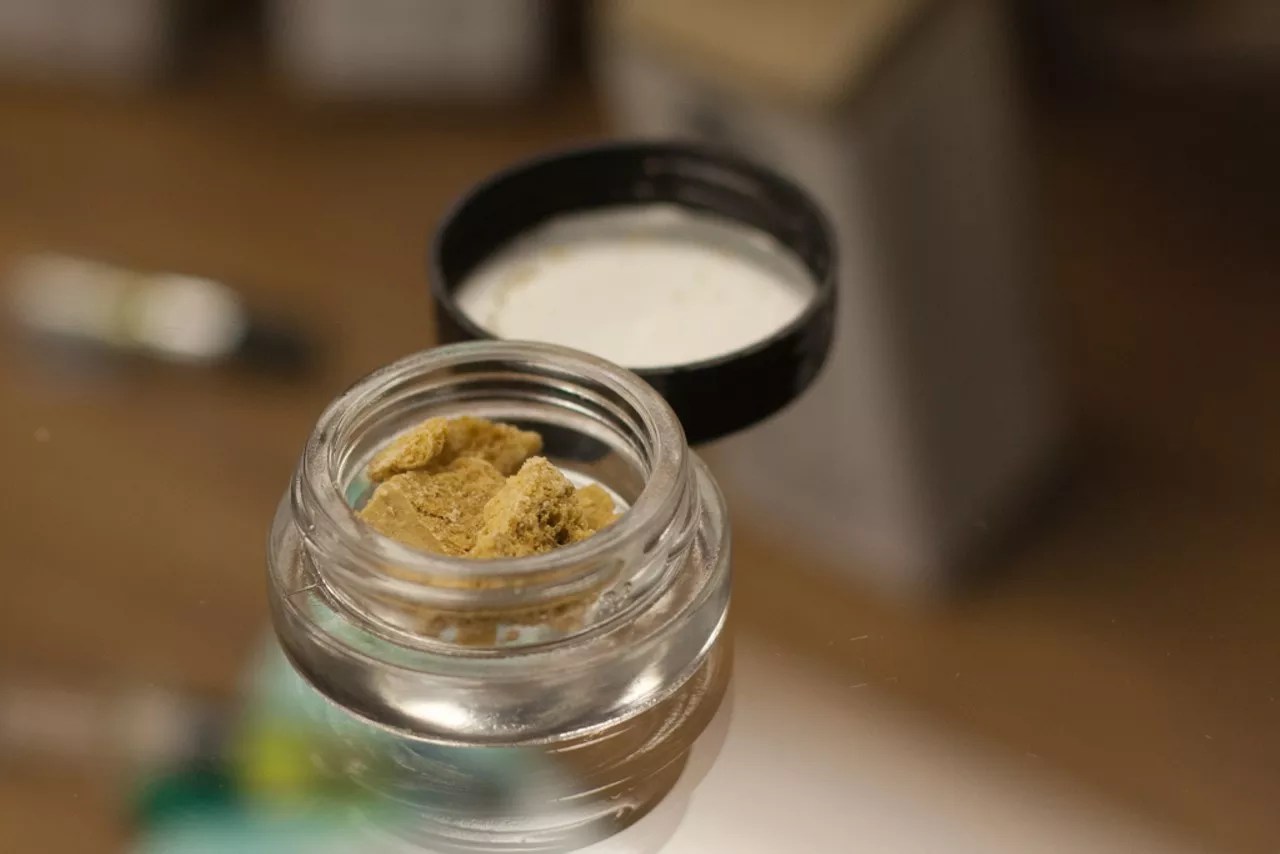
When marijuana is extracted to make dababble wax and rosin as well as edibles, lotions, vaporizers and other infused products, cannabinoids like THC and CBD become concentrated for increased potency. However, contaminants like pesticides, mold and heavy metals also become concentrated after the extraction process, the MED notes.
If marijuana products fail pesticide testing, they can be retested under strict state rules or be destroyed, according ro the MED, but some businesses have become too creative.
“The Division has recently observed increased instances of Licensees receiving failed test results for pesticides on Production Batches of Regulated Marijuana Concentrate, then mixing that failed batch with additional concentrate to create a new Production Batch,” the memo reads.
Although some marijuana with certain contaminants, such as mold, can undergo approved decontamination processes and be sold to customers upon passing lab tests, products that fail pesticide testing don’t get the same remediation rights.
“There are no provisions in Colorado Marijuana Rules that permit the Licensee to further process, decontaminate, remediate, or submit new test batches for pesticide testing. Retesting the original Test Batch or destruction of the Production Batch are the only pathways provided by the Marijuana Rules when pesticides failed testing,” the memo reads. “The Division will recommend administrative action for failure to comply with failed testing rules.”
Research and Development
Colorado marijuana businesses can use research and development testing to determine factors like potency, terpenes or other forms of quality control, but some licensees are using this as a workaround, the MED alleges.
According to MED officials, some Colorado marijuana licensees have received news of contaminated pesticides through research and development testing, and “subsequently incorporated new material” into the failed production batches instead of destroying them. This can “dilute further detection of those prohibited pesticides before carrying out required testing,” the memo points out.
“A Licensee cannot employ R&D Testing as a substitute or work-around for required compliance testing, and such practices indicate a disregard for consumer and product safety,” the MED adds.
Cracks in Reduced Testing Allowances?
Licensed marijuana growers and manufacturers in Colorado can earn reduced testing allowances for one-year windows after passing a number of contaminant tests, providing information on operating procedures and paying an annual fee of around $4,000. But according to the MED, some extraction facilities with reduced testing allowances have failed to properly vet or test some of their source material after earning the designation.
Marijuana extractors that source plant material from third parties can earn reduced testing allowances, but the MED says it has noticed a rising trend in such extractors using marijuana from cultivations with pesticide-laced product.
“Reduced Testing Allowance is a common factor in several situations where failed pesticide test results are leading to recalls and health and safety advisories,” the MED memo adds.
To ensure everyone in the cannabis trade is maintaining proper cleanliness, the MED says that marijuana business owners should inspect and test all marijuana they purchase from other parties, properly audit other licensed operators they work with, and tour each other’s facilities. (That’s also the MED’s job, but the department can only employ as many employees as marijuana tax revenue and licensing fees cover, and business isn’t exactly booming in Colorado.)
The MED did not name which companies have been caught or suspected of doing these pesticide-related misdeeds in its memo, or what kind of end product these licensees were making. In response to an inquiry from Westword, the MED clarified that the names of the alleged offenders were withheld because they are still subject to active investigations.
In the meantime, any suspicious activity among licensees or concerns about contaminated products can be reported via this MED reporting form.
This article has been updated.